
 Worksheets
Basic Structures
Total questions: 29
Worksheet time: 15mins
Which field of study focuses on the processes of living organisms and how they work?
Anatomy
Physiology
Pathophysiology
Ecology
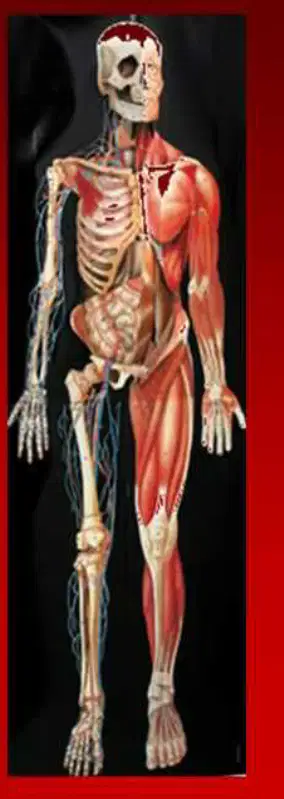
What does pathophysiology study?
The structure of organisms
The processes of living organisms
How disease occurs and the response of organisms to disease
The evolution of species
Which of the following is an example of a congenital disease?
Club foot
Influenza
Diabetes
Hypertension
Which of the following diseases is transmitted genetically from parents to child?
Influenza
Color blindness
Tuberculosis
Malaria
Hemophilia is an example of a disease that is:
Caused by bacteria
Transmitted genetically
Caused by a virus
Due to poor diet
Which of the following is an example of an infectious disease?
Common cold
Diabetes
Hypertension
Asthma
What factors can contribute to degenerative diseases?
Viral infections
Normal body aging and lifestyle choices
Bacterial infections
Genetic mutations only
What does "Prognosis" refer to in the context of diseases?
Identifying the disease
Cause of the disease
Prediction of the probable course and expected outcome
Disease caused by treatment
If the cause of a disease is unknown, which term is used?
Iatrogenic
Idiopathic
Etiology
Homeostasis
What does "Iatrogenic" mean in medical terms?
Disease caused by a prescribed treatment
Constant state of natural balance
Prediction of disease outcome
Identifying the disease
Which of the following elements is not a component of protoplasm?
Carbon
Helium
Oxygen
Nitrogen
What is the correct order of levels of organization in life from simplest to most complex?
Organism, Organ System, Organs, Tissue, Cellular, Chemical
Chemical, Cellular, Tissue, Organs, Organ System, Organism
Cellular, Chemical, Tissue, Organs, Organ System, Organism
Chemical, Tissue, Cellular, Organs, Organ System, Organism
What is one of the ways cells adapt to their environment?
By changing color
By moving and adapting
By producing toxins
By growing larger indefinitely
What is a special function of cells related to reproduction?
To create new, identical cells
To change their shape
To produce sound
To emit light
Which part of the cell acts as its outer protective covering?
Nucleus
Mitochondria
Cell membrane
Ribosome

Which of the following is NOT found in the cytoplasm?
Proteins
Nucleus
Lipids
Salts
What is the primary function of the nucleolus?
Energy production
Protein synthesis
Cell reproduction
Lipid storage

Where is chromatin located?
In the cytoplasm
In the nucleus
In the mitochondria
In the ribosome
What is chromatin made of?
Lipids and carbohydrates
RNA and protein
DNA and protein
Sugars and starches
During cell reproduction, what does chromatin condense to form?
Ribosomes
Mitochondria
Chromosomes
Nuclei
How many chromosomes does a human typically have?
23 chromosomes or 46 pairs
46 chromosomes or 23 pairs
30 chromosomes or 15 pairs
60 chromosomes or 30 pairs
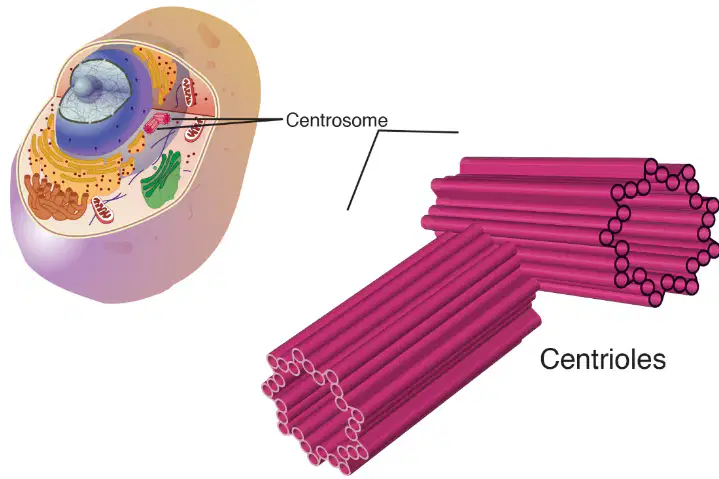
Where is the centrosome located within a cell?
In the nucleus
In the cytoplasm and near the nucleus
In the cell membrane
In the mitochondria
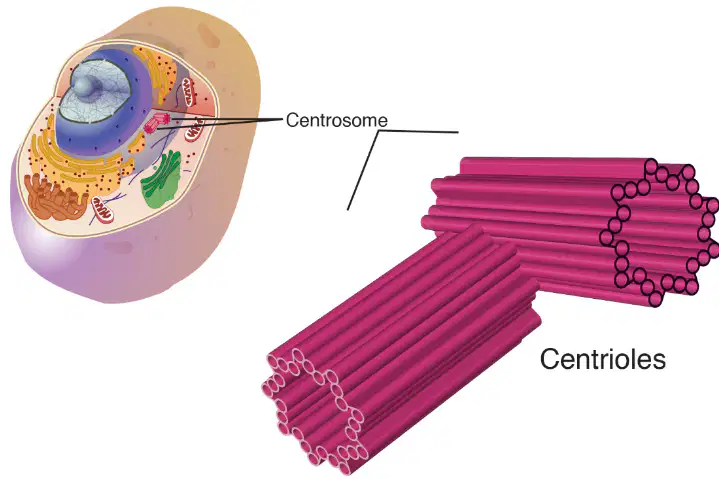
How many centrioles does a centrosome contain?
One
Two
Three
Four
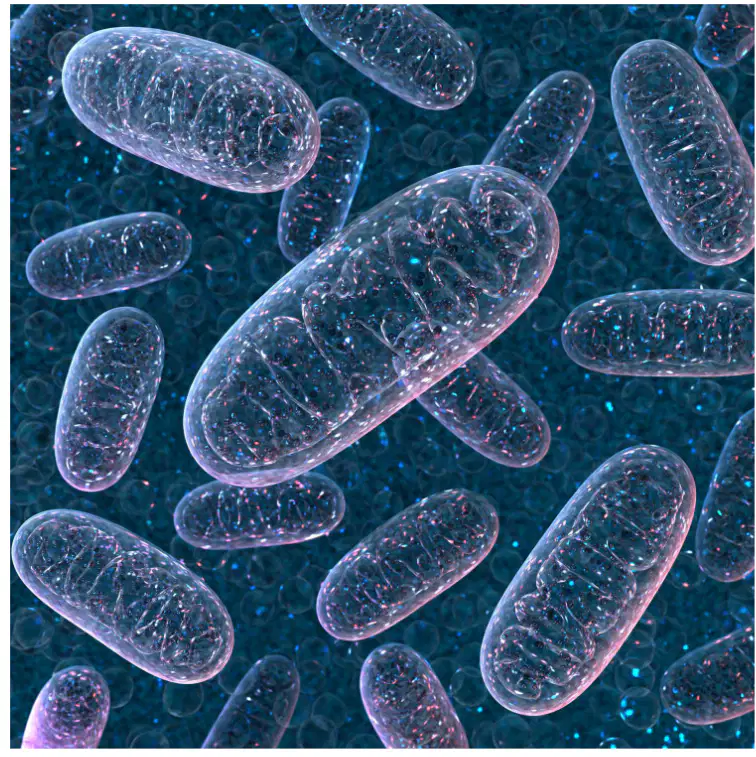
Mitochondria are often referred to as what within the cell?
The "brains" of the cell
The "skeleton" of the cell
The "furnaces" or "powerhouses" of the cell
The "membranes" of the cell
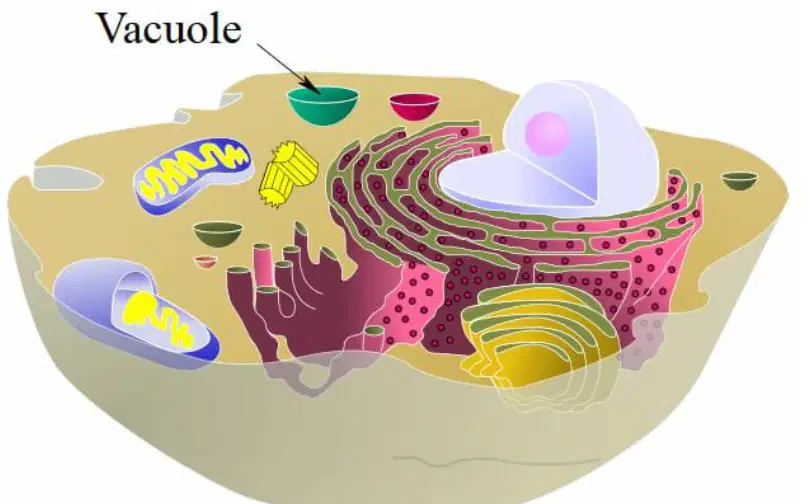
What is the primary function of vacuoles in a cell?
Energy production
Protein synthesis
Storage of substances
DNA replication
Vacuoles are best described as which type of structure?
Tubular structures
Pouch-like structures
Flat structures
Spherical structures
Approximately how many ribosomes can be present in a cell?
1,000
100,000
10 million
1 billion

Which organelle is responsible for protein synthesis in the cell?
Golgi apparatus
Lysosome
Ribosome
Smooth endoplasmic reticulum

Which structure is involved in the synthesis of lipids within the cell?
Rough endoplasmic reticulum
Smooth endoplasmic reticulum
Ribosome
Centriole

