
 Worksheets
1.1 Review of Intro to Human A&P
Total questions: 60
Worksheet time: 30mins
What were early students of anatomy and physiology most likely concerned with?
Developing new surgical techniques
Treating illnesses and injuries
Creating medical textbooks
Studying animal behavior
What did early healers rely on before using herbs and natural chemicals?
Advanced technology
Superstitions and magic
Scientific research
Modern medicine
What did early study of medicine involve?
Genetic engineering
Dissection of cadavers
Pharmaceutical development
Psychological analysis
What is much of our knowledge about the human body based on?
Ancient texts
Scientific method
Personal beliefs
Random guesses
How does science help us in understanding the human body?
By providing all the answers
By eliminating wrong explanations
By ignoring hypotheses
By relying on myths
What does the scientific method involve in the context of understanding the human body?
Guessing and assuming
Asking questions and testing hypotheses
Ignoring evidence
Accepting all ideas without question
What is the study of the structure and form of body parts called?
Physiology
Biology
Anatomy
Chemistry
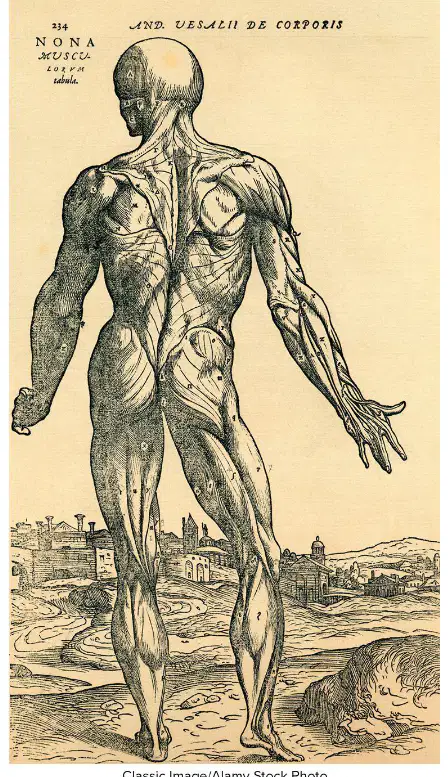
Which field of study focuses on the functions of body parts and how they work?
Anatomy
Physiology
Geology
Astronomy
How are anatomy and physiology interrelated?
They are completely independent disciplines.
The functional role of a part depends on how it is constructed.
Anatomy focuses on experimentation, while physiology focuses on dissection.
They both rely solely on observation.
What method do anatomists primarily rely on?
Experimentation
Observation and dissection
Hypothesis testing
Chemical analysis
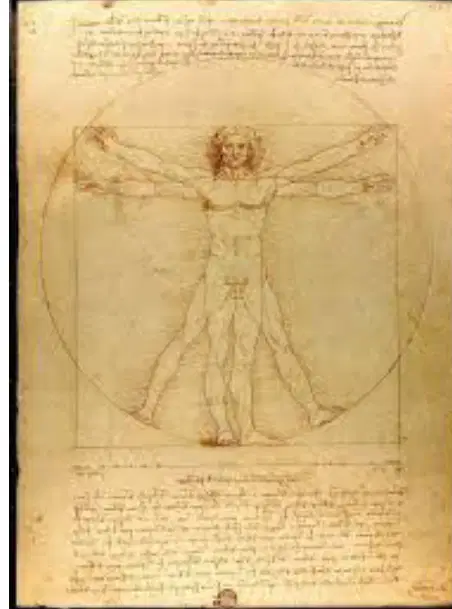
What is more commonly discovered, according to the lecture?
New anatomical structures
New physiological information
New chemical compounds
New genetic sequences
What was the limitation in studying the human body about 400 years ago?
Lack of interest in anatomy
Inability to see smaller elements with the naked eye
Absence of medical schools
Lack of funding for research
What advancement allows us to study smaller elements in the body today?
Development of new surgical techniques
Invention of the microscope
Discovery of new elements
Improved nutrition
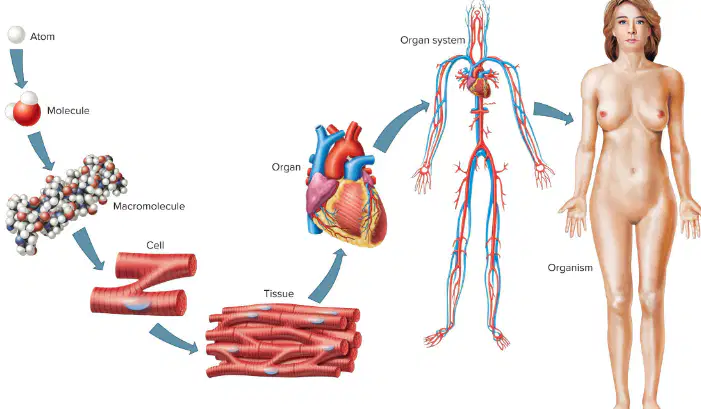
How is the human body described in terms of its parts?
A collection of unrelated systems
A sum of its parts studied at various levels of organization
A single, indivisible unit
A random assortment of tissues
What are atoms?
Groups of tissues that work together
Microscopic particles made up of chemicals
Small molecules combined in complex formations
Groups of organs that function together
Which level of organization is composed of macromolecules, proteins, lipids, carbohydrates, and nucleic acids?
Cells
Tissues
Organs
Organ Systems
What is the smallest unit that exhibits all five characteristics of living things?
Molecules
Cells
Tissues
Organs
What are tissues formed from?
Groups of organs
Millions of cells organized to perform specific functions
Atoms joined together
Small molecules combined in complex formations
What is an organism?
A group of organ systems that work
A group of tissues that work together
A group of organs that function together
A group of cells organized to perform specific functions
Which characteristic of life involves an increase in body size and the size and number of cells?
Reproduction
Responsiveness
Growth
Movement
What is the characteristic of life that involves the production of new organisms or cells?
Growth
Reproduction
Movement
Responsiveness
Which characteristic of life is defined as a reaction to internal or external change?
Movement
Growth
Responsiveness
Reproduction
What does the characteristic of movement in life refer to?
Increase in body size
Production of new cells
Change in position of the body or a body part
Reaction to external change
What is the process called where energy is released from food using oxygen and carbon dioxide is given off?
Digestion
Circulation
Respiration
Excretion
Which process involves the breakdown of food into usable forms that are absorbed into the blood?
Respiration
Digestion
Circulation
Excretion
What is the movement of cells and chemicals in body fluids known as?
Respiration
Digestion
Circulation
Excretion
Which process is responsible for the removal of metabolic wastes from the body?
Respiration
Digestion
Circulation
Excretion
What is the most abundant chemical in the body?
Oxygen
Carbon
Water
Nitrogen
Which of the following is a function of water in the body?
Provides energy
Regulates body temperature
Builds muscle tissue
Stores fat
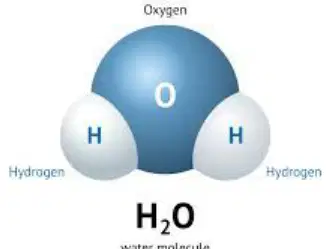
Why is water essential for metabolic processes?
It acts as a catalyst
It provides an environment for reactions
It stores genetic information
It transports oxygen
What is the role of oxygen in the maintenance of life?
It is used to release energy from food.
It is a waste product of food breakdown.
It is used to build proteins.
It is stored in the body for future use.
What is a waste product of food breakdown?
Oxygen
Carbon dioxide
Nitrogen
Hydrogen
What is one of the roles of heat in maintaining life?
It is a form of energy produced in metabolic reactions.
It provides structural support to cells.
It acts as a catalyst in chemical reactions.
It is used to transport nutrients in the body.
Why is atmospheric pressure important for organisms?
It is needed for breathing.
It helps in digestion.
It regulates body temperature.
It aids in reproduction.
What is the function of hydrostatic pressure in the body?
It moves blood through blood vessels to deliver oxygen and nutrients to cells.
It helps in the breakdown of food.
It maintains the body's pH balance.
It supports the immune system.
What is the maintenance of a stable internal environment called?
Metabolism
Homeostasis
Photosynthesis
Respiration
Which component of homeostatic mechanisms detects and monitors specific types of changes?
Effectors
Set point
Receptors
Hormones
What is the role of effectors in homeostatic mechanisms?
To detect changes
To set the normal value
To respond to changes and return the internal environment to stability
To regulate blood flow
What does the set point in homeostatic mechanisms refer to?
The point of maximum stress
The normal value or range of values
The highest temperature
The lowest pressure
What are homeostatic mechanisms?
Self-regulating control systems that maintain homeostasis
Systems that disrupt body functions
External factors affecting body temperature
Uncontrolled processes in the body
Why is it important for the body to maintain specific ranges of heat, pressure, and concentrations of substances?
To ensure proper body function
To increase body temperature
To decrease oxygen levels
To disrupt nutrient absorption
What is the role of receptors in homeostatic mechanisms?
They set the normal value for a variable.
They monitor deviations from a set point and provide information about changes.
They bring about changes to return a variable to its set point.
They store energy for future use.
What is the function of effectors in homeostatic mechanisms?
They detect changes in the environment.
They provide information about changes in specific conditions.
They bring about changes necessary to return a variable to its set point.
They determine the set point for a variable.
What is the primary function of negative feedback in homeostatic mechanisms?
To amplify deviations from a set point
To correct deviations from a set point
To ignore deviations from a set point
To create new set points
How do effectors respond when receptors detect a deviation from a set point in a negative feedback mechanism?
They increase the deviation
They maintain the deviation
They return conditions toward normal
They create a new deviation
What happens to the activity of effectors as a variable returns to its set point in a negative feedback system?
It increases
It remains constant
It gradually lessens
It stops immediately
Which of the following is an example of a negative feedback mechanism?
A thermostat maintaining room temperature
A car accelerating when the gas pedal is pressed
A plant growing towards light
A river flowing downstream
What is a positive feedback mechanism?
A mechanism that stabilizes conditions in the body
A mechanism that moves conditions closer to the normal range
A mechanism by which a deviation in a variable from its set point moves conditions farther away from the normal range
A mechanism that decreases change from the set point
What happens to the change from the set point in a positive feedback mechanism?
It decreases
It remains the same
It increases
It fluctuates randomly
What is the eventual outcome of many positive feedback mechanisms in the body?
Permanent instability
Long-term imbalance
Short-lived instability that eventually brings about homeostasis
Continuous deviation from the set point
What is a characteristic of positive feedback mechanisms in the body?
They are common homeostatic mechanisms.
They lead to a decrease in the initial stimulus.
They amplify the initial stimulus.
They are unrelated to normal health.
Which of the following is an example of a positive feedback mechanism?
Sweating to cool the body.
Blood clotting leading to more blood clotting.
Shivering to increase body temperature.
Regulation of blood sugar levels.
What is the role of thermoreceptors in response to cold environmental temperatures?
They increase sweat production.
They detect a drop in body temperature.
They dilate blood vessels.
They decrease nerve signals.
How do blood vessels in the skin respond to cold temperatures?
They dilate to release heat.
They constrict to conserve heat.
They remain unchanged.
They increase blood flow to the skin.
What involuntary action helps produce body heat in response to cold?
Sweating
Shivering
Breathing faster
Heart rate increase
What happens to sweat glands when the body is exposed to cold temperatures?
They become more active.
They remain inactive.
They produce more sweat.
They release heat.
What is the role of thermoreceptors in response to warm environmental temperatures?
They decrease heart rate.
They detect a rise in body temperature.
They constrict blood vessels.
They reduce sweat production.
How do sweat glands help in regulating body temperature in warm conditions?
By increasing heart rate.
By secreting sweat to cool the skin.
By constricting blood vessels.
By reducing breathing rate.
What happens to surface blood vessels in the skin when the body is exposed to warm temperatures?
They constrict to retain heat.
They dilate to lose heat to the environment.
They increase blood pressure.
They decrease blood flow.
Which of the following is a response of the body to warm environmental temperatures?
Decreased breathing rate.
Increased heart rate.
Constricted blood vessels.
Reduced sweat production.

