Wayground logo

Free Printable Worksheets

Font size

S
M
L
XL
Worksheets

Ecosystems

Total questions: 69

Worksheet time: 1hrs 11mins
Name
Class
Date
1.
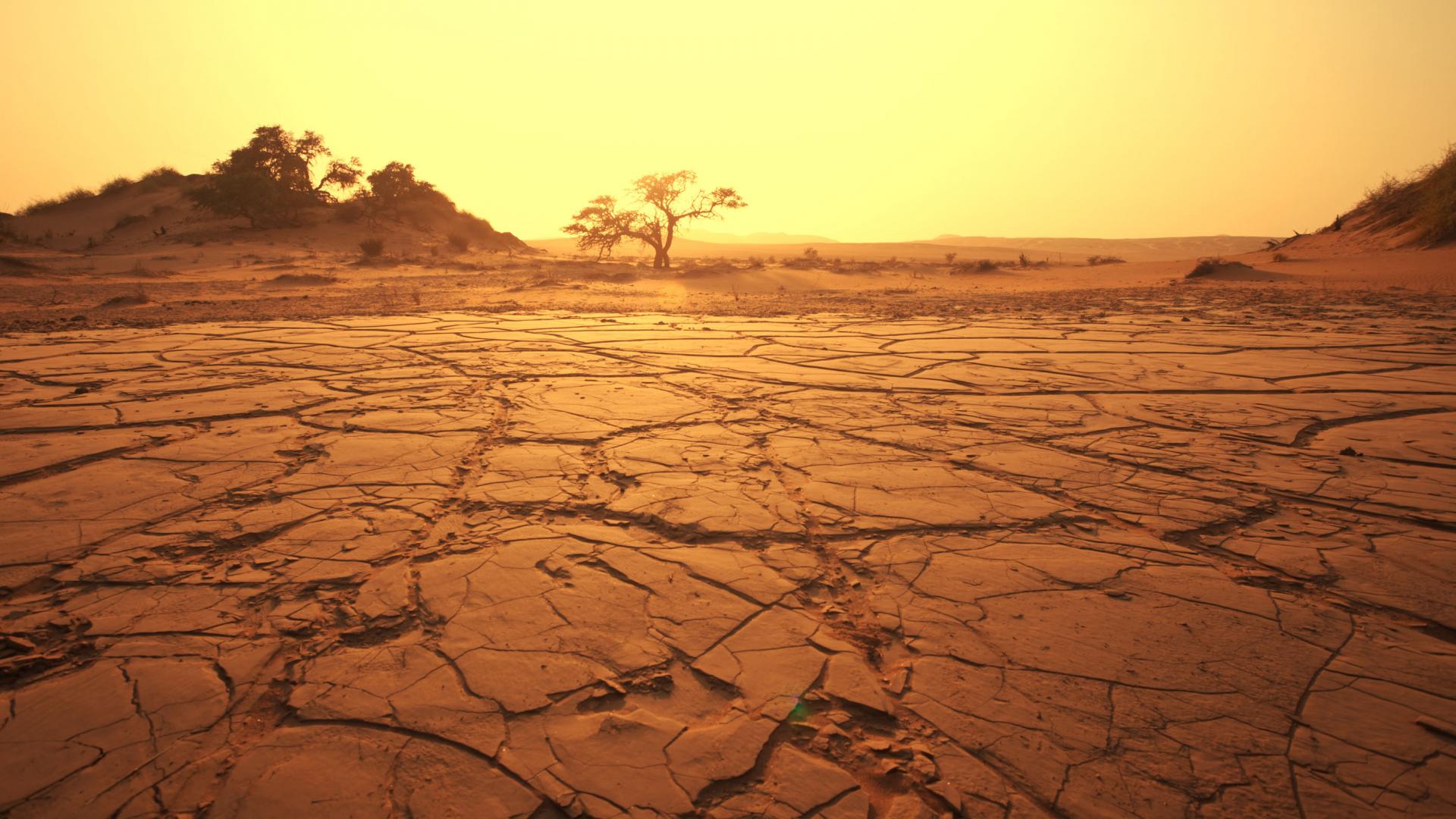
Which biome is the driest?
a)
Desert
b)
Tundra
c)
Taiga
d)
Rainforest
2.
Biotic factors of an ecosystem are:
a)
non-living
b)
plants
c)
living thing
d)
soil
3.
Identify an a example of an abiotic factor?
a)
Panda
b)
Turtle
c)
Butterfly
d)
sunlight
4.

Which land biome is mainly covered with grass?

a)

Desert

b)

Taiga

c)

Grassland

d)

Tundra

5.

Which biome is hot and humid all year round with plenty of rain?

a)

Tundra

b)

Tropical Rain Forest

c)

Taiga

d)

Temperate Forest

6.

Which land biome do we live in?

a)

Grassland

b)

Tundra

c)

Deciduous Forest

d)

Taiga

7.

Which biome is sandy and/or rocky with very little rain?

a)

Desert

b)

Tundra

c)

Grassland

d)

Tropical Rain Forest

8.

Which biome has tree leaves that change color and drop off as the season changes from fall to winter?

a)

Tropical Rain Forest

b)

Deciduous Forest

c)

Tundra

d)

Coniferous Forest

9.
The climate in a tropical rain forest can be described as
a)
cold and wet 
b)
warm and dry 
c)
cold and dry 
d)
warm and wet 
10.
A group of ecosystems with similar organisms and climates.
a)
desert
b)
deciduous
c)
canopy
d)
Biome
11.
Which biome has the most variety of plants and animals?
a)
Temperate Forest
b)
Rainforest
c)
Tundra
d)
Grasslands
12.

The cold biome of the far north. It has permanently frozen soil, so it can't support large plants.

a)

taiga

b)

canopy

c)

tundra

d)

biomes

13.
What is the weather like in the tropical rainforest?
a)
hot in the summer and cold in the winter
b)
hot during the day but freezing cold at night
c)
hot and humid all year round
d)
four distinct seasons (hot=summer, cold=winter, cool=fall, warm=spring)
14.

What is the weather like in the forest?

a)

high temperatures low humidity

b)

high temperatures high humidity

c)

moderate temperatures moderate humidity

d)

low temperatures moderate humidity

15.
Which biome has coniferous trees (which don't lose their leaves)?
a)
Taiga
b)
Temperate Forest
c)
Tundra
d)
Grasslands
16.
Which biome is home to lions, zebras, wildebeests, giraffes, and elephants?
a)
Grasslands
b)
Tundra
c)
Rainforest
d)
Temperate Forest
17.

Which land biome is covered mainly with conifer trees?

a)

Tropical Rain Forest

b)

Deciduous Forest

c)

Tundra

d)

Taiga

18.

Which land biome is the ground frozen all year round?

a)

Grassland

b)

Taiga

c)

Tundra

d)

Deciduous Forest

19.

How is the taiga different from the tundra?

a)

Evergreen trees grow in the taiga; very little plant life grows in the tundra

b)

Many animals live in the taiga; no animals live in the tundra

c)

The taiga is very warm; the tundra is very cold

d)

The taiga exists around the North Pole; the tundra exists around the South Pole

20.

What can you infer about animals that live in the desert?

a)

Most of them are quite large

b)

Most of them are warm-blooded

c)

Most are unable to withstand temperatures below 90 degrees Fahrenheit

d)

These animals can survive on very little water

21.
What is an ecosystem?
a)
A group of animals that are the same species.
b)
Soil, water, air and sunlight
c)
All the living and non living things that interact in an area.
d)
North America
22.
An animal that hunts other animals for food is called a ___________________.
a)
Villian
b)
Predator
c)
Prey
d)
Fred
23.
An animal that is hunted by other animals for food is called _____________________ .
a)
Victim
b)
Sally
c)
Predator
d)
Prey
24.
The non living parts of an ecosystem
a)
abiotic factors
b)
biotic factors
c)
oxygen
d)
soil
25.
Which is a biotic factor?
a)
sunlight
b)
air 
c)
bacteria
d)
all of the above
26.
Deserts, mountains, and rivers are all examples of ________.
a)
vacation spots
b)
tundra
c)
ecosystems
d)
wetlands
27.
Decomposers get their food by __________.
a)
making it themselves
b)
eating live organisms
c)
using dead organisms
d)
eating themselves
28.
A foreign insect is introduced into the Texas. It eats a lot of leaves, and trees start to become leafless. Many different animals feed on the new insect, but even they cannot control its numbers. Eventually, trees begin to die. Why would a rapid increase of the new insect population cause certain species of herbivores to vanish or be fewer in number?
a)
They would not have enough to eat. 
b)
They would not have enough space to live.
c)
They would not have tree bark to eat.
29.
If humans cleared a forest to build homes, we would expect _____________.
a)
fewer tree-dwelling animals
b)
increased insect populations
c)
more development of soil
d)
more frequent thunderstorms
30.

Which organism is a producer?

a)

pine tree

b)

earthworm

c)

mushroom

d)

hawk

31.

How are deer and wolves classified?

a)

as decomposers

b)

as consumers

c)

as carnivores

d)

as producers

32.

A food chain is shown.

plant -> grasshopper -> bird -> snake -> owl

What will most likely occur if there is a decrease in the bird population?

a)

The owl population will increase.

b)

The snake population will increase

c)

The plant population will decrease.

d)

The grasshopper population will decrease.

33.

Which kind of ecosystem is a combination of salt water and freshwater?

a)

an estuary

b)

an ocean

c)

a lake

d)

a pond

34.
Which answer best describes a consumer in an ecosystem?
a)
A living organism that eats other living organisms
b)
Someone that buys something
c)
A living organism that produces food for other living organisms
d)
An abiotic factor
35.
Which answer best describes a decomposser?
a)
an organism that produces oxygen
b)
an organism that is dead and decomposing
c)
an organism that is not natures recycler
d)
an organism that gets energy by breaking down dead organisms
36.
Which answer best describes a producer in an ecosystem?
a)
a living organism
b)
a living organism that produces its own food
c)
a living organism that produces its own food and is food for other living organisms
d)
a living organism that produces and consumes other living organisms
37.
Which words below describe amounts of living things in an ecosystem?
a)
biotic, abiotic
b)
producer, consumer, decomposer
c)
individual, population, community
d)
environment, ecosystem, habitat
38.
A place where an organism lives.
a)
Terrain
b)
Habitat
c)
Community
d)
Population
39.
The permenantly frozen soil that prevents plants from growing deep within the soil is called ________
a)
concrete soil
b)
water table
c)
permafrost
d)
estruary
40.
Canopy
a)
The bottom, or ground, layer in a forest.
b)
The layer between the ground and the tree tops.
c)
The very top of the forest.
41.
A producer?
a)
Eats other plants and animals
b)
Makes its own food
c)
Eats dead plants or animals
d)
Makes toys for kids
42.

A ______________ is an organism where a parasite lives.

a)

parasite

b)

host

c)

decomposer

d)

carnivore

43.

A ____________________ is an organism that lives on or inside a host and kills it slowly.

a)

host

b)

tick

c)

parasite

d)

cricket

44.

A consumer that only eats plants

a)

consumer

b)

omnivore

c)

consumer

d)

herbivore

45.

A way of showing how food chains are related

a)

prey

b)

food chain

c)

food web

d)

scavenger

46.

A consumer that only eats meat

a)

carnivore

b)

ominvore

c)

scavenger

d)

herbivore

47.

Consumer that eats both plants and animals

a)

herbivore

b)

omnivore

c)

carnivore

d)

scavenger

48.

The process by which plants (producers) make their own food.

a)

photosynthesis

b)

consumer

c)

food web

d)

prey

49.

The place where an animal normally lives and grows is its...

a)

garden

b)

home

c)

habitat

d)

territory

50.

A model to describe the flow of energy between living things is called...

a)

an ecosystem

b)

a habitat

c)

a flowchart

d)

a food chain

51.

What are microscopic organisms that inhabit the wide open ocean called?

a)

plankton

b)

krill

c)

coral reef

d)

tide pools

52.

In which ocean zone would you find a tide pool?

a)

intertidal zone

b)

near shore zone

c)

open ocean zone

53.

Which zone has water that is deep and cold because the sunlight does not reach that far?

a)

intertidal zone

b)

near shore zone

c)

open ocean zone

d)

tundra

54.

Which marine zone is the area that has ocean tides cover and uncover, and is the home of animals such as crabs and starfish?

a)

Near-shore zone

b)

Intertidal zone

c)

Open ocean zone

d)

marine

55.

All of these can be sources of fresh water EXCEPT –

a)

Oceans

b)

Rivers

c)

Lakes

d)

Streams

56.
How much salt is in something is called_____________
a)
Salinity
b)
Evaporation
c)
Seamount
57.

______ are wetlands often flooded by the oceans salty water. They form where rivers meet the ocean (often within an estuary). Grass is typically surrounding it.

a)

Lakes

b)

Oceans

c)

Estuaries

d)

Salt marshes

58.

_____________________ is the contamination of air, land, and water.

a)

Conservation

b)

Ecology

c)

Pollution

59.
Harmful substances in air, water, or soil are called ________________.
a)
pollutants
b)
particles
60.

Aquatic means ______________________.

a)

having to do with water

b)

having to do with land

c)

having to do with air

d)

having to do with heat

61.
Where do all life forms get their energy?
a)
Earth's Core
b)
Water
c)
Plants
d)
The Sun
62.

What does interdependence mean in Ecosystems?

a)

Ecosystems depend on each other

b)

Interdependence does not relate to ecosystems

c)

Ecosystems do not depend on each other

d)

Ecosystems sometimes depend on each other

63.

Unwanted waste or chemicals that flow into streams, rivers, lakes, ponds, or oceans.

a)

Water pollution

b)

Land pollution

c)

Air pollution

64.

What would be a hawkbill's habitat?

a)

Who it lives with

b)

Where it lives

c)

What it eats

d)

When it migrates

65.

The carbon cycle is...

a)

plants use the sun's energy to convert water and carbon dioxide into sugars.

b)

the movement of carbon from the nonliving environment into living things and back.

c)

all of the water in Earth's atmosphere.

66.
What is the name of omnivores that consume dead organisms (plants and animals)?
a)
producer
b)
consumer
c)
scavenger
d)
decomposer
67.
This diagram shows the amount of energy that moves from one feeding level to another in a food web.
a)
Energy Pyramid
b)
Food Web
c)
Ecosystem
d)
Food Chain
68.

a single living thing

a)

prey

b)

predator

c)

organism

d)

environment

69.

An ecosystem that is found on land.

a)

terrestrial ecosystems

b)

grassland

c)

tropical rainforest

d)

deciduous forest