
 Worksheets
Introduction to Microbiology ID
Total questions: 99
Worksheet time: 50mins
Which of the following is a reason why microbiology is important for a pharmacy career?
It helps in selecting appropriate antibiotics.
It is only relevant for laboratory scientists.
It is not related to patient care.
It focuses solely on plant biology.
As a pharmacist, which daily task involves understanding how bacteria become resistant to medications?
Understanding drug resistance mechanisms
Dispensing over-the-counter vitamins
Managing pharmacy inventory
Recommending exercise routines
Which of the following best describes a pharmacist’s role in infection control in healthcare settings?
Ensuring proper procedures to prevent the spread of infections
Only selling antibiotics to patients
Ignoring infection risks in the pharmacy
Focusing only on cosmetic products
A patient comes to you with questions about their infection. Which microbiology-related skill are you using as a pharmacist?
Counseling patients on infections
Recommending exercise routines
Selling non-prescription sunglasses
Organizing store shelves
Which of the following tasks requires a pharmacist to apply knowledge of microbiology to ensure medication safety?
Compounding sterile preparations
Stocking shelves with snacks
Advertising new perfumes
Scheduling staff shifts
A hospital pharmacy is experiencing an increase in drug-resistant infections. What strategic action should a pharmacist take to address this issue?
Review and update antibiotic selection protocols based on resistance patterns
Ignore the resistance data and continue current practices
Focus only on over-the-counter medications
Increase the sale of unrelated products
Which of the following is a common clinical scenario involving the selection of an appropriate antibiotic?
A patient presents with a urinary tract infection (UTI)
A patient needs a blood transfusion
A patient is scheduled for a dental cleaning
A patient is experiencing seasonal allergies
Why won't penicillin work for a MRSA infection?
MRSA is resistant to penicillin
Penicillin is only used for viral infections
MRSA is a type of virus
Penicillin is too expensive for MRSA treatment
How can antibiotics contribute to the development of C. diff colitis?
By disrupting normal gut flora
By increasing immune response
By directly killing C. diff bacteria
By causing dehydration
Why does tuberculosis treatment typically take more than 6 months?
The bacteria grow slowly and require prolonged therapy
The drugs are not effective
Patients often forget to take their medication
Tuberculosis is a viral infection
What is a key risk associated with sterile compounding in pharmacy practice?
Contamination of the compounded product
Incorrect labeling of medications
Over-the-counter drug interactions
Patient non-compliance
Which of the following is a major goal of this lecture?
Classify bacteria using major taxonomic groups
Memorize the history of microbiology
Draw the structure of viruses
List all types of fungi
What is the difference between prokaryotes and eukaryotes?
Prokaryotes lack a nucleus, while eukaryotes have a nucleus
Both have a nucleus
Eukaryotes are always unicellular
Prokaryotes are only found in plants
Which laboratory technique is mentioned as important for its clinical significance?
Gram stain
Western blot
PCR
ELISA
At the end of the lecture, students should be able to describe which of the following?
Key bacterial cell structures and their functions
The process of viral replication
The structure of animal cells
The function of plant chloroplasts
How does the lecture relate bacterial structure to pharmacy practice?
By relating bacterial structure to antibiotic mechanisms
By teaching how to make antibiotics
By focusing on viral infections
By discussing plant-based medicines only
Which skill involves using classification principles in a professional context?
Apply classification principles to pharmacy practice
Memorize all bacterial names
Draw all types of bacteria
Ignore classification in practice
Which of the following topics is covered in Part I of the lecture outline?
Gram stain mechanism
Bergey's Manual system
Prokaryotes vs. Eukaryotes
Clinical applications
What is the main focus of Part II in the lecture outline?
Bacterial diversity and communities
Bacterial classification
Cell structure and staining
Clinical applications
Which of the following is NOT listed as a topic under Part III: Cell Structure & Staining?
Gram stain mechanism
Other important stains
Bacterial diversity and communities
Clinical applications
According to the lecture outline, which system is used for bacterial classification?
Linnaean system
Bergey's Manual system
Watson-Crick system
Pasteur's system
If you were to design a clinical experiment based on the lecture outline, which section would be most relevant?
Part I: The Microbial World
Part II: Bacterial Classification
Part III: Cell Structure & Staining
None of the above
Which of the following is a key characteristic of prokaryotes?
Large size (~100 µm diameter)
Presence of a nuclear membrane
Small size (~1 µm diameter)
Multiple linear chromosomes
Which structure is absent in prokaryotic cells?
Ribosomes
Nuclear membrane
Plasma membrane
Cell wall
What type of genetic organization do prokaryotes have?
Diploid genetic organization
Polyploid genetic organization
Haploid genetic organization
Triploid genetic organization
Which process do prokaryotes use for reproduction?
Mitosis
Meiosis
Binary fission
Budding
Which of the following is an example of a prokaryote?
Fungi
Bacteria
Plants
Animals
A student claims that prokaryotes have a single circular chromosome located in a region called the nucleoid. Which evidence supports this claim?
Prokaryotes have multiple linear chromosomes in a nucleus.
Prokaryotes have a single circular chromosome without a nuclear membrane.
Prokaryotes have chromosomes in mitochondria.
Prokaryotes have chromosomes in chloroplasts.
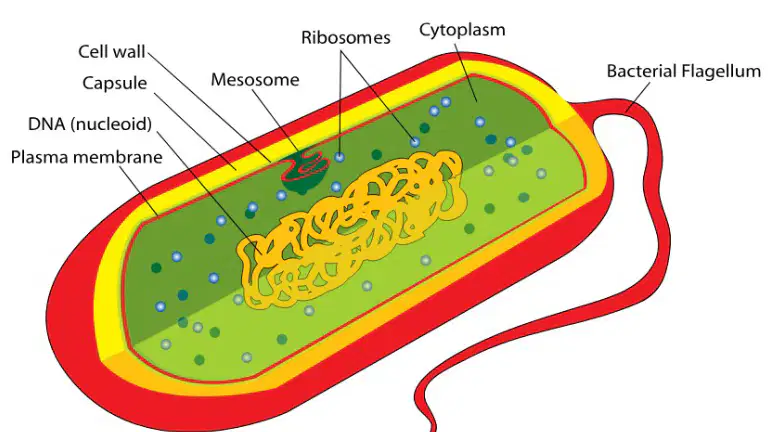
Which structure in the diagram is responsible for movement in prokaryotic cells?
Ribosomes
Bacterial flagellum
Capsule
Mesosome
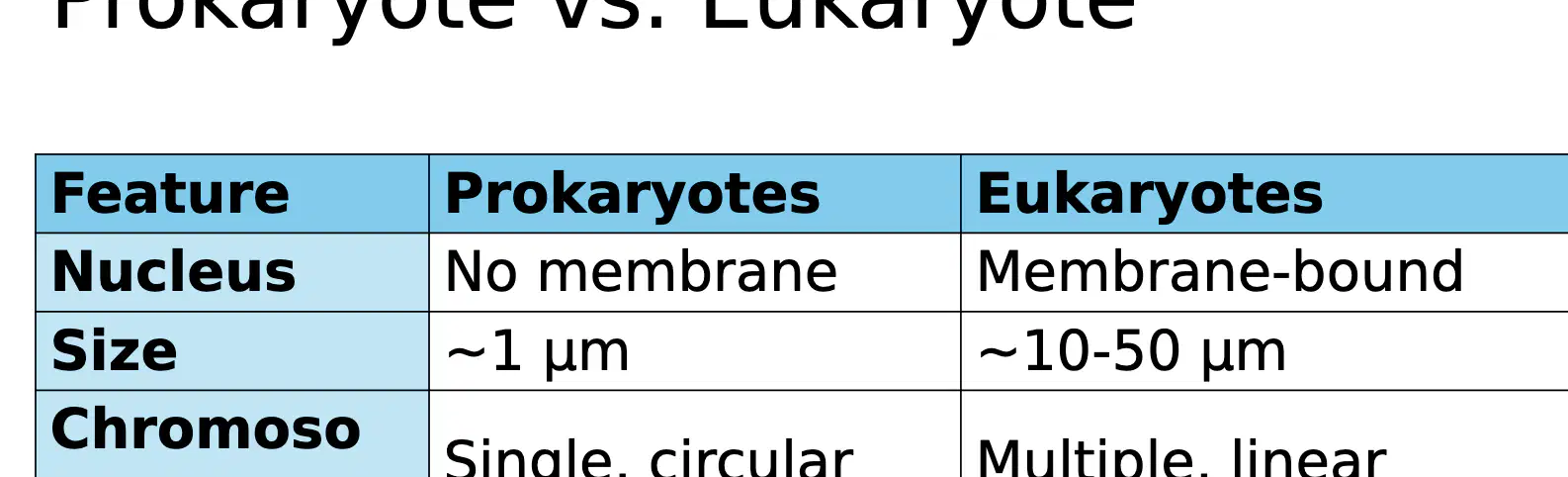
Which of the following best describes the nucleus in prokaryotic cells?
Membrane-bound
No membrane
Double membrane
Surrounded by mitochondria
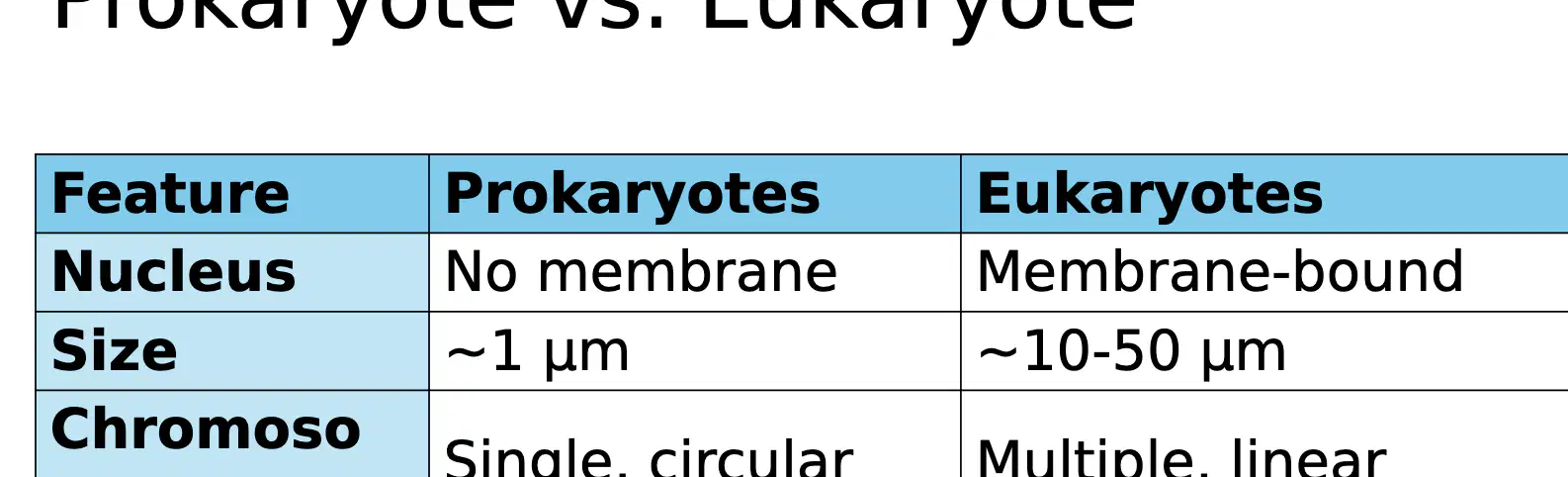
What is the typical size range of eukaryotic cells?
~1 µm
~10-50 µm
~100-200 µm
~0.1 µm
Which of the following is an example of a prokaryotic organism?
Plant
Animal
Bacteria
Fungi
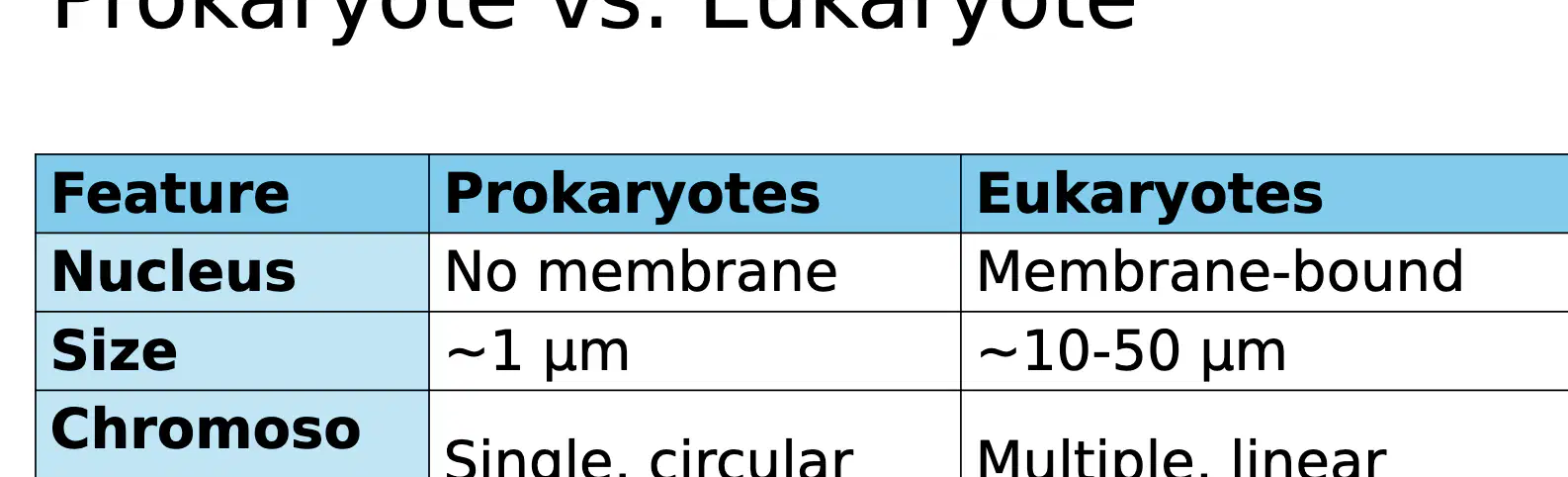
How do the chromosomes of prokaryotes differ from those of eukaryotes?
Prokaryotes have multiple, linear chromosomes; eukaryotes have a single, circular chromosome
Prokaryotes have single, circular chromosomes; eukaryotes have multiple, linear chromosomes
Both have multiple, circular chromosomes
Both have single, linear chromosomes
A researcher is studying a cell that contains many organelles and membrane-bound nuclei. Based on these features, to which group does the cell most likely belong?
Prokaryotes
Bacteria
Eukaryotes
Archaea
Which of the following is NOT a reason for the existence of so many different bacteria?
Limited genetic information per organism
Each species adapted to specific niche
Wide range of environments and energy sources
All bacteria have identical energy strategies
Which energy strategy involves the conversion of light energy to chemical energy in bacteria?
Photosynthesis
Respiration
Fermentation
Glycolysis
What is the main function of respiration in bacterial energy strategies?
Using oxygen or other electron acceptors
Converting light to chemical energy
Rearranging substrates
Producing toxins
Explain how the adaptation of bacterial species to specific niches contributes to bacterial diversity. (DoK Level 3)
It allows different species to thrive in unique environments, reducing competition and increasing overall diversity.
It causes all bacteria to behave the same way.
It limits the number of bacterial species.
It prevents bacteria from using different energy sources.
Which of the following statements best describes the typical lifestyle of bacteria?
Bacteria usually live alone and independently.
Bacteria rarely live alone and often form biofilms and colonies.
Bacteria only exist as single cells in nature.
Bacteria cannot form communities.
What is quorum sensing in bacterial communities?
The process by which bacteria move using flagella.
The mechanism of cell-to-cell communication that enables cooperative behavior.
The method bacteria use to photosynthesize.
The way bacteria reproduce by binary fission.
Why is quorum sensing important for bacterial survival?
It allows bacteria to photosynthesize.
It enhances cooperative behavior, which improves survival.
It helps bacteria avoid antibiotics.
It enables bacteria to move faster.
Which of the following is a clinical relevance of bacterial biofilms?
Biofilms make bacteria more susceptible to antibiotics.
Biofilms prevent device-related infections.
Biofilms resist antibiotics and contribute to chronic wound infections.
Biofilms only form in laboratory conditions.
A patient develops a persistent infection on a medical device. Based on your understanding of bacterial communities, what is a likely explanation for the persistence of this infection?
The bacteria are living as single, isolated cells.
The bacteria have formed a biofilm, which resists antibiotics.
The infection is caused by a virus, not bacteria.
The device is made of a material that kills bacteria.
Which of the following is a way bacteria "talk" to each other in quorum sensing?
Release signaling molecules (autoinducers)
Absorb nutrients from the environment
Move towards light sources
Divide rapidly
What is one clinical example of quorum sensing in bacteria?
Biofilm formation on catheters
Photosynthesis in algae
Protein synthesis in ribosomes
DNA replication in viruses
Which of the following is NOT a function of quorum sensing in bacteria?
Monitor population density
Coordinate group behaviors
Produce energy through glycolysis
Release signaling molecules
How does quorum sensing contribute to antibiotic resistance?
By coordinating group behaviors that enable resistance mechanisms
By increasing the mutation rate of bacterial DNA
By directly destroying antibiotics
By reducing the number of bacteria present
Why is monitoring population density important in bacterial quorum sensing?
It allows bacteria to coordinate behaviors that are only effective at high cell densities.
It helps bacteria to photosynthesize more efficiently.
It increases the rate of cell division.
It prevents bacteria from forming biofilms.
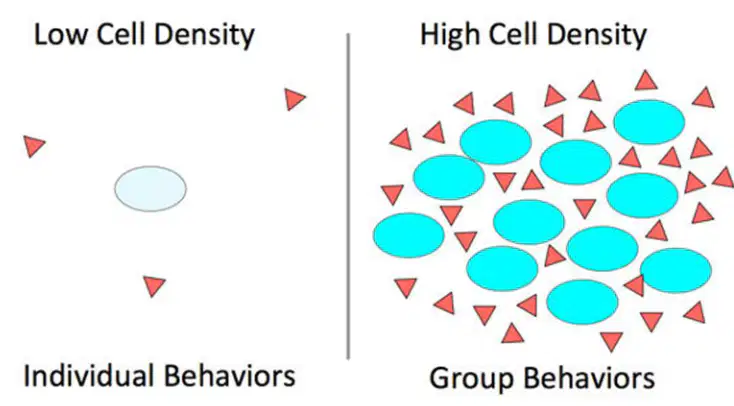
Based on the diagram, what change occurs as bacterial cell density increases?
Bacteria begin to coordinate group behaviors
Bacteria stop releasing signaling molecules
Bacteria become less resistant to antibiotics
Bacteria decrease in size
Which of the following is NOT a reason for classifying bacteria?
To predict characteristics and behaviors
To guide treatment decisions
To increase bacterial growth rates
To understand relationships
What is considered the gold standard for bacterial classification?
Gray's Anatomy
Bergey's Manual of Systematic Bacteriology
The Merck Manual
Harrison's Principles of Internal Medicine
A clinician needs to rapidly identify a bacterial pathogen in a patient sample. Why is bacterial classification important in this scenario?
It helps in rapid identification in clinical settings
It increases the mutation rate of bacteria
It prevents bacteria from spreading
It reduces the need for laboratory equipment
Explain how bacterial classification can guide treatment decisions in a clinical setting.
By identifying the bacteria, clinicians can select the most effective treatment based on known characteristics and behaviors.
By classifying bacteria, clinicians can avoid using any medication.
Classification allows clinicians to ignore patient symptoms.
Classification is only used for academic purposes and does not affect treatment.
Which of the following is considered a useful criterion for classification?
Universal traits (all have DNA)
Structural (cell wall, shape, spores)
Color of the organism
Habitat location
What is an example of a physiological criterion used in classification?
DNA sequences
Oxygen requirements
Spore color
Universal traits
Which of the following is NOT a useful criterion for classification according to the principles listed?
Biochemical (enzyme activities, fermentation)
Genetic (DNA sequences, phylogeny)
Universal traits (all have DNA)
Structural (cell wall, shape, spores)
A scientist is trying to classify a group of organisms. She notices that all of them have DNA. According to the classification principles, why is this trait not useful for classification?
Because DNA is too complex to analyze
Because all organisms have DNA, making it a universal trait
Because DNA changes too rapidly
Because DNA is only found in some organisms
If you were to classify organisms based on their enzyme activities and fermentation abilities, which classification criterion would you be using?
Structural
Physiological
Biochemical
Genetic
Which of the following is a fundamental type of prokaryote that is most clinically relevant and is the target of most antibiotics?
Eubacteria
Archaebacteria
Fungi
Viruses
Which group of prokaryotes is known for being extremophiles and rarely causing human disease?
Eubacteria
Archaebacteria
Protozoa
Algae
What is a key characteristic of archaebacteria that distinguishes them from eubacteria?
They are the target of most antibiotics
They are extremophiles and show antibiotic resistance
They are most clinically relevant
They cause most human diseases
Explain why eubacteria are the primary target of most antibiotics, while archaebacteria are not.
Eubacteria are more abundant in extreme environments
Eubacteria are more clinically relevant and have different cell wall structures than archaebacteria
Archaebacteria are more likely to cause human disease
Archaebacteria are more susceptible to antibiotics
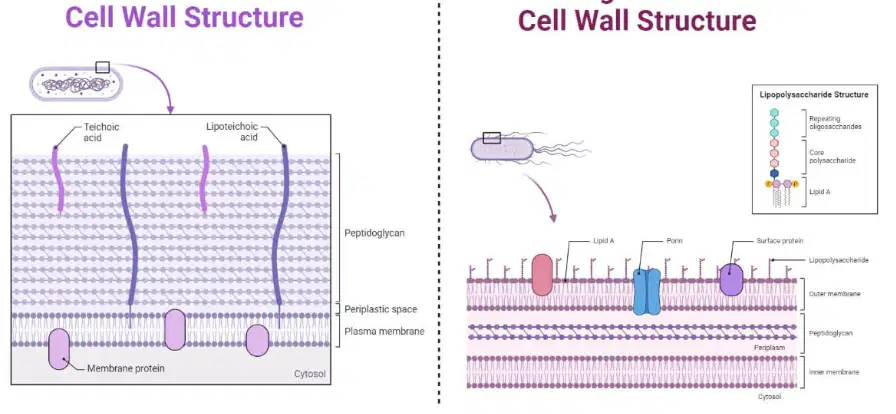
Which of the following is a characteristic of Gram-negative bacteria?
Thick peptidoglycan layer
No outer membrane
Complex cell envelope
Contains mycoplasmas
What distinguishes Gram-positive bacteria from Gram-negative bacteria?
Presence of an outer membrane
Thick peptidoglycan layer
Complex cell envelope
Absence of peptidoglycan
Which type of bacteria lacks a cell wall?
Gram-negative bacteria
Gram-positive bacteria
Mycoplasmas
Cyanobacteria
A scientist is studying a bacterial sample and finds that it has a complex cell envelope and an outer membrane. Based on this information, to which category does the bacterium most likely belong?
Gram-positive bacteria
Gram-negative bacteria
Cell wall-less bacteria
Archaea
Why are mycoplasmas classified separately from Gram-positive and Gram-negative bacteria?
They have a thick peptidoglycan layer
They possess an outer membrane
They lack a cell wall
They have a complex cell envelope
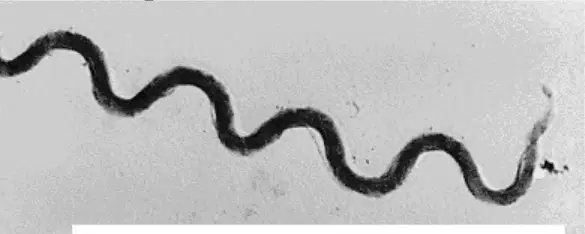
Which of the following bacteria are classified as spirochetes?
Treponema, Borrelia, Leptospira
Campylobacter, Helicobacter
Pseudomonas, Neisseria
Escherichia, Salmonella
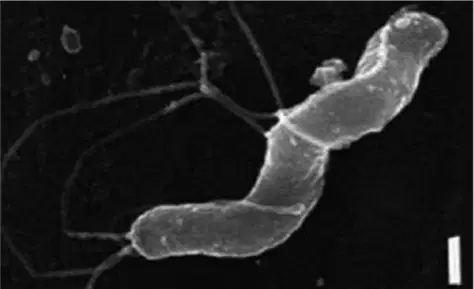
What is the characteristic shape of bacteria in Group 2: Helical/Vibroid?
Spiral-shaped
Curved rod shapes
Spherical
Filamentous
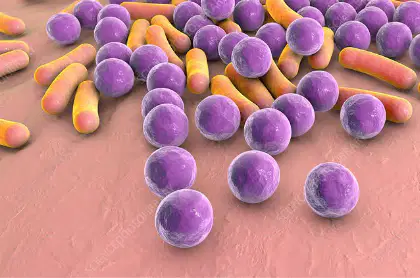
Which group of Gram-negative bacteria is known for diverse metabolic capabilities?
Group 1: Spirochetes
Group 2: Helical/Vibroid
Group 4: Aerobic Rods and Cocci
Group 3: Anaerobic Rods
Explain how the motility and shape of spirochetes might contribute to their ability to infect host tissues.
Their spiral shape and high motility allow them to move through viscous environments like mucus, aiding in tissue penetration.
Their spherical shape makes them resistant to antibiotics.
Their curved rod shape helps them form biofilms.
Their metabolic diversity allows them to survive in extreme environments.
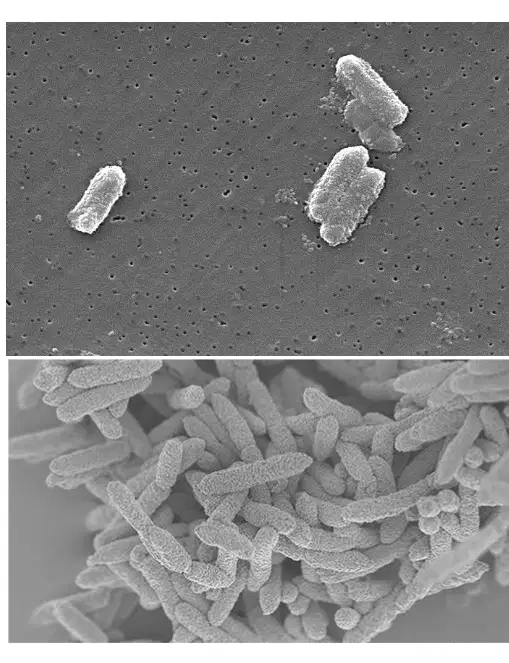
Which of the following bacteria are included in the Enterobacteriaceae family?
E. coli, Salmonella, Shigella
Bacteroides, Fusobacterium
Staphylococcus, Streptococcus
Clostridium, Bacillus
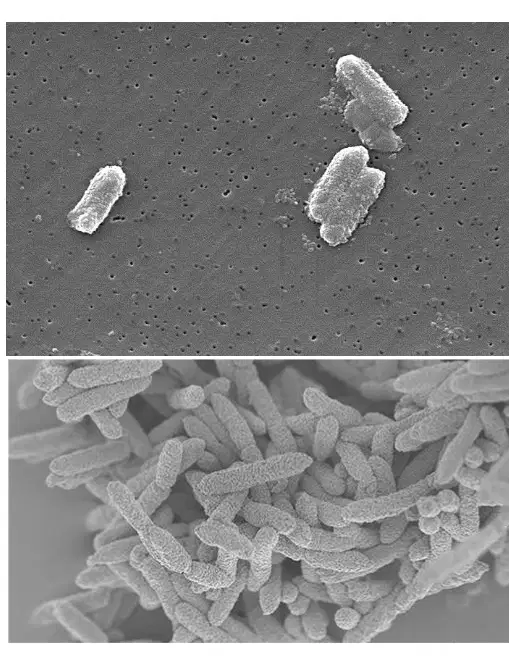
What is a key characteristic of facultative anaerobic rods in Group 5?
They can grow only in the presence of oxygen
They can grow with or without oxygen
They are always pathogenic
They are only found in soil
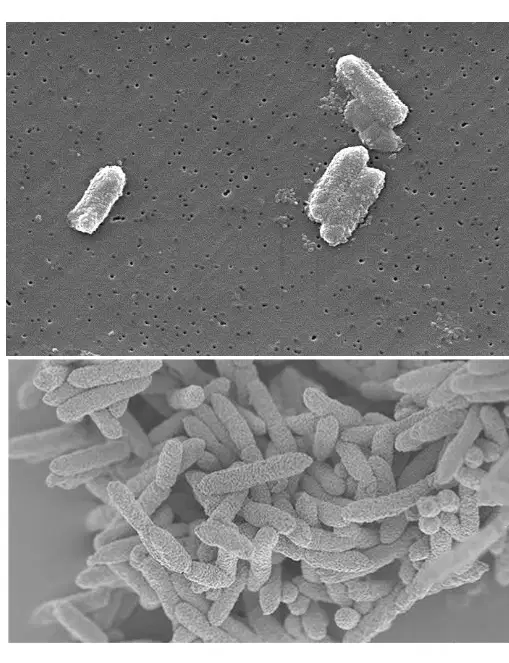
Which group of Gram-negative rods includes normal flora that can cause abscesses?
Group 5: Facultative Anaerobic Rods
Group 6: Anaerobic Rods
Group 1: Aerobic Cocci
Group 4: Spirochetes
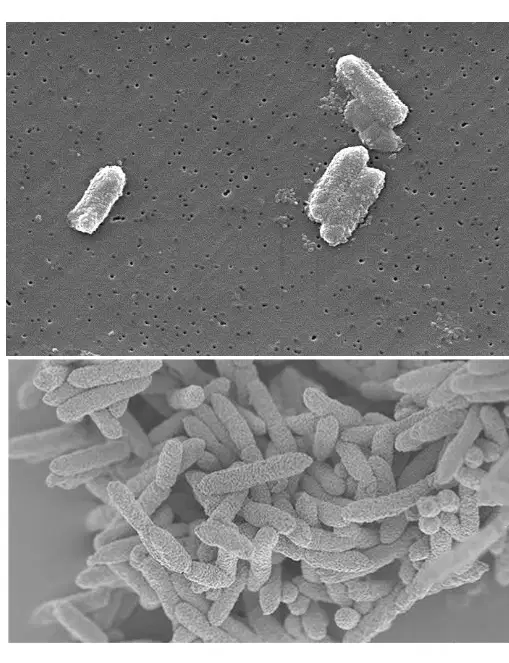
Bacteroides and Fusobacterium are examples of which type of bacteria?
Facultative anaerobic rods
Anaerobic rods
Aerobic cocci
Spirochetes
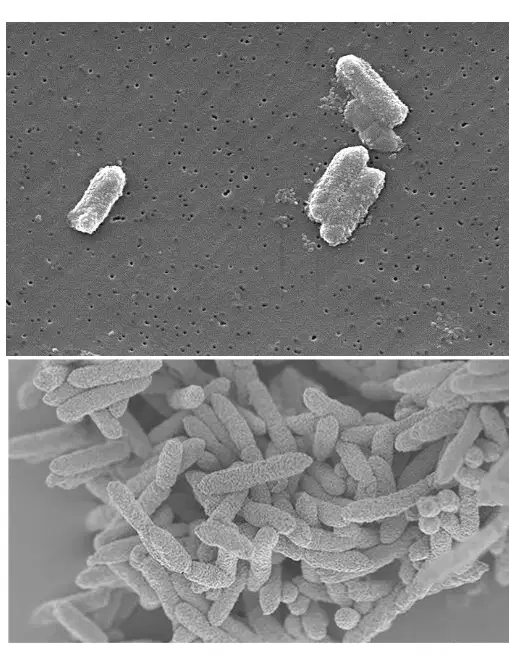
Explain why many Enterobacteriaceae are considered opportunistic pathogens and discuss the clinical significance of this property.
They only cause disease in healthy individuals, making them highly virulent.
They are part of the normal flora but can cause infections when the host's immune system is compromised or when they enter sterile body sites.
They are always present in the environment and rarely cause disease.
They require oxygen to survive, limiting their pathogenic potential.
Which of the following best describes Rickettsiae and Chlamydiae?
Free-living bacteria that grow on standard media
Obligate intracellular parasites that require living host cells
Fungi that can grow in any environment
Viruses that replicate outside host cells
Why are Rickettsiae and Chlamydiae difficult to diagnose in clinical settings?
They grow rapidly on standard media
They are easily identified by their color
They require living host cells and cannot grow on standard media
They cause immediate and obvious symptoms
Which of the following is a common feature of the clinical significance of Rickettsiae and Chlamydiae?
They are easy to diagnose
They do not require special antibiotic considerations
Zoonotic transmission is common
They are never transmitted from animals to humans
A patient presents with a suspected infection by an obligate intracellular parasite that cannot be cultured on standard media. What is an important consideration for treatment?
Use of standard antibiotics without modification
No need for antibiotics
Special antibiotic considerations are required
Immediate surgical intervention
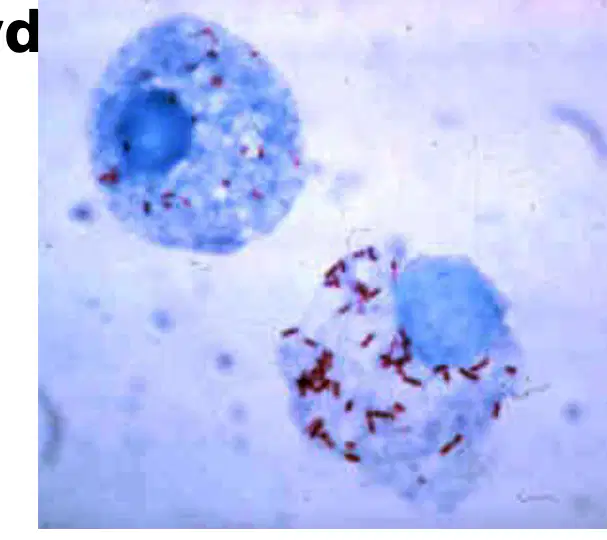
What does the provided microscopic image most likely illustrate?
Free-living bacteria in a nutrient broth
Intracellular bacteria within host cells
Fungal spores in a tissue sample
Viral particles outside a cell
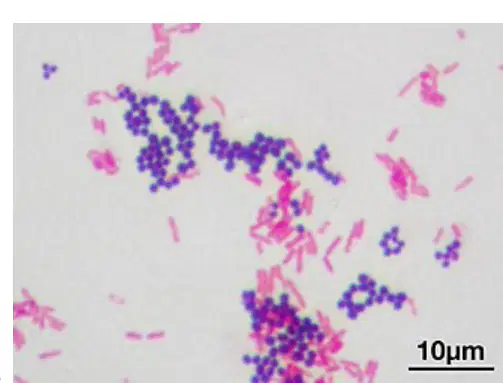
Which of the following bacteria is known to form clusters?
Staphylococcus
Streptococcus
Enterococcus
Bacillus
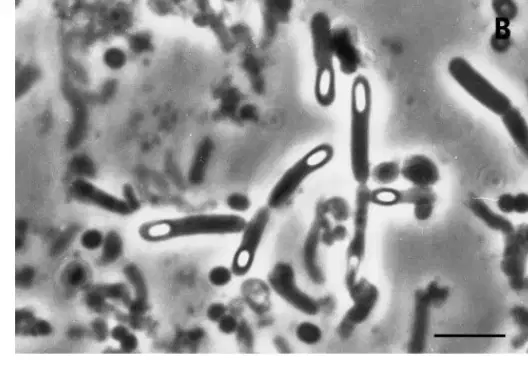
Which group of Gram-positive bacteria is characterized by forming highly resistant spores?
Group 17: Gram-Positive Cocci
Group 18: Endospore-Forming Rods
Group 19: Acid-Fast Bacteria
Group 16: Gram-Negative Cocci
Which of the following pairs is correctly matched with its typical arrangement?
Streptococcus - clusters
Staphylococcus - chains
Enterococcus - pairs/chains
Bacillus - clusters
Explain why Bacillus and Clostridium are grouped together in the context of Gram-positive bacteria.
They both form clusters.
They both form highly resistant spores.
They both are cocci.
They both are Gram-negative.
A laboratory technician observes spherical bacteria arranged in chains under the microscope. Which genus is most likely being observed?
Staphylococcus
Streptococcus
Bacillus
Clostridium
Which bacterium is classified under Group 19: Regular Non-Sporing Rods?
Listeria
Corynebacterium
Actinomyces
Mycobacterium tuberculosis
Which of the following is a characteristic of Mycobacteria (Group 21)?
Spore formation
Acid-fast staining
Irregular cell shape
Lack of cell wall
Which genera are included in Group 20: Irregular Non-Sporing Rods?
Listeria and Mycobacterium
Corynebacterium and Actinomyces
Bacillus and Clostridium
Streptococcus and Staphylococcus
What is a defining feature of the cell wall in Mycobacteria?
Absence of peptidoglycan
Waxy cell wall
Presence of flagella
Capsule formation
Explain why acid-fast staining is important for identifying Mycobacteria. (DoK Level 3)
It differentiates Mycobacteria from other bacteria due to their waxy cell wall, which retains the stain even after acid-alcohol treatment.
It identifies bacteria that form spores.
It is used to detect flagella in bacteria.
It distinguishes between Gram-positive and Gram-negative bacteria.
Which of the following is a characteristic feature of Mycoplasmas (Class Mollicutes)?
No peptidoglycan cell wall
Thick peptidoglycan cell wall
Presence of outer membrane
Presence of flagella
Why are beta-lactam antibiotics ineffective against Mycoplasmas?
They lack a peptidoglycan cell wall
They have a thick capsule
They produce beta-lactamase
They are resistant to all antibiotics
Which of the following best describes the shape of Mycoplasmas?
Pleomorphic (variable shape)
Rod-shaped
Spiral-shaped
Coccus (spherical)
What is required for the growth of Mycoplasmas?
Cholesterol
Glucose
Peptidoglycan
Iron
Which clinical condition is commonly associated with Mycoplasma infection?
Atypical pneumonia
Tuberculosis
Strep throat
Meningitis
A patient is diagnosed with pneumonia that does not respond to beta-lactam antibiotics. Based on this information, which type of bacteria is most likely responsible?
Mycoplasma
Streptococcus pneumoniae
Staphylococcus aureus
Escherichia coli
Which structural feature is absent in Mycoplasmas, making them unique among bacteria?
Cell wall
Plasma membrane
DNA
Ribosome
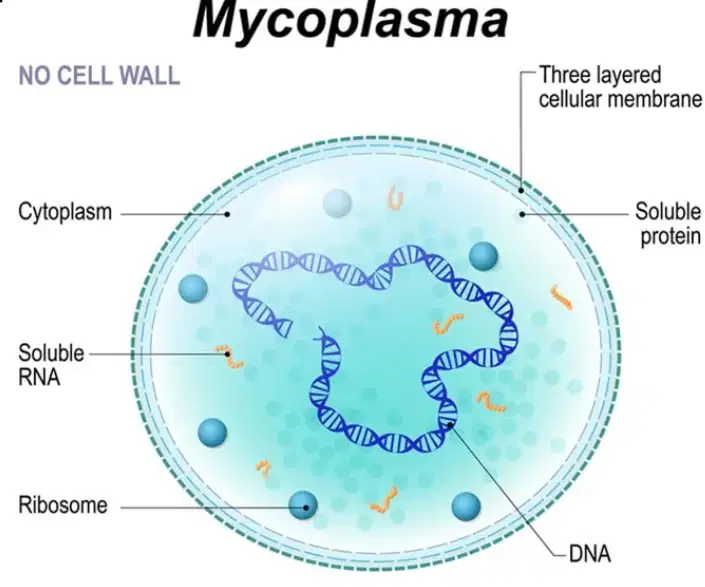
What does the diagram of Mycoplasma primarily illustrate?
Absence of a cell wall and presence of a three-layered cellular membrane
Presence of a thick peptidoglycan cell wall
Flagella for motility
Formation of endospores

