
Font size
 Worksheets
Lecture Objectives
Total questions: 92
Worksheet time: 46mins
Define the role of ______ cells in innate immunity and identify key cell types involved in immune surveillance across tissues.
sentinel
plasma
erythrocyte
goblet
Differentiate between various ______ recognition receptors (PRRs) and describe their cellular localization and ligand specificity.
pattern
protein
peptide
plasma
Explain the molecular distinctions between pathogen-associated molecular patterns (______) and damage-associated molecular patterns (DAMPS), including representative examples of each.
PAMPs
MHCs
CD4s
TCRs
Illustrate the signaling pathways activated by major PRRs (e.g., TLRs, NLRs, RLRs), including downstream factors and cytokine production. (Fill in the blank)
transcription
phagocytosis
apoptosis
autophagy
Discuss the relevance of PRR signaling in health and disease, including the balance between protective immunity and pathological ______.
inflammation
healing
digestion
metabolism
Analyze how tissue localization influences sentinel cell function and contributes to context-dependent ______ responses.
immune
digestive
muscular
skeletal
Evaluate potential therapeutic strategies targeting PRRs or DAMP signaling in infectious and ______ diseases. (Fill in the blank)
inflammatory
genetic
metabolic
degenerative
Sentinel cells (e.g., macrophages, dendritic cells, mast cells, epithelial cells) continuously monitor tissues for infection and damage, serving as the first line of ________ detection.
immune
hormonal
nutritional
genetic
Pattern Recognition Receptors (PRRs) are germline-encoded receptors that recognize conserved microbial structures (PAMPs) and endogenous danger signals (______).
DAMPs
MHCs
CD4s
TCRs
PAMPs include conserved aspects of microbial molecules such as LPS, flagellin, dsRNA, and unmethylated ______ DNA.
CpG
GATC
TATA
ATGC
DAMPs include host-derived molecules that signal sterile cellular damage (apoptosis > ________).
necrosis
autophagy
mitosis
phagocytosis
PRRs are categorized into families based on their structure and localization: primarily TLRs, RLRs, and ______.
NLRs
ILRs
CLRs
PLRs
PRR engagement initiates intracellular signaling cascades involving adaptor proteins like MyD88, TRIF, and MAVS, leading to ________ activation.
transcriptional
enzymatic
structural
metabolic
Key transcription factors activated by PRR signaling include NF-κB, IRF3/7, and AP-1, which regulate expression of inflammatory cytokines, interferons, and ________ peptides.
antimicrobial
structural
hormonal
enzymatic
JAK/STAT signaling is a major downstream pathway of many cytokine receptors activated during PRR signaling, and is targeted therapeutically in chronic ________ diseases.
inflammatory
infectious
genetic
degenerative
Sentinel cell activation results in cytokine and chemokine release (e.g., TNF-α, IL-6, IL-1β), upregulation of costimulatory molecules used in adaptive immunity, and recruitment of ________ and antigen presentation cells.
leukocytes
erythrocytes
platelets
fibroblasts
Therapeutic exploitation of PRR pathways includes: Vaccine adjuvants (e.g., TLR agonists), Immunotherapies (e.g., STING agonists in cancer), and Anti-inflammatory agents (e.g., NLRP3 inhibitors, JAK inhibitors). Which of the following is NOT a therapeutic exploitation of PRR pathways?
Vaccine adjuvants
Immunotherapies
Antibiotics
Anti-inflammatory agents
What are cytokines?
Immune modulating agents made up of proteins
A type of white blood cell
A type of virus
A type of bacteria
Interleukin is a class of glycoprotein made by _______ for regulating immune responses.
leukocytes (WBCs)
neurons
hepatocytes
erythrocytes (RBCs)
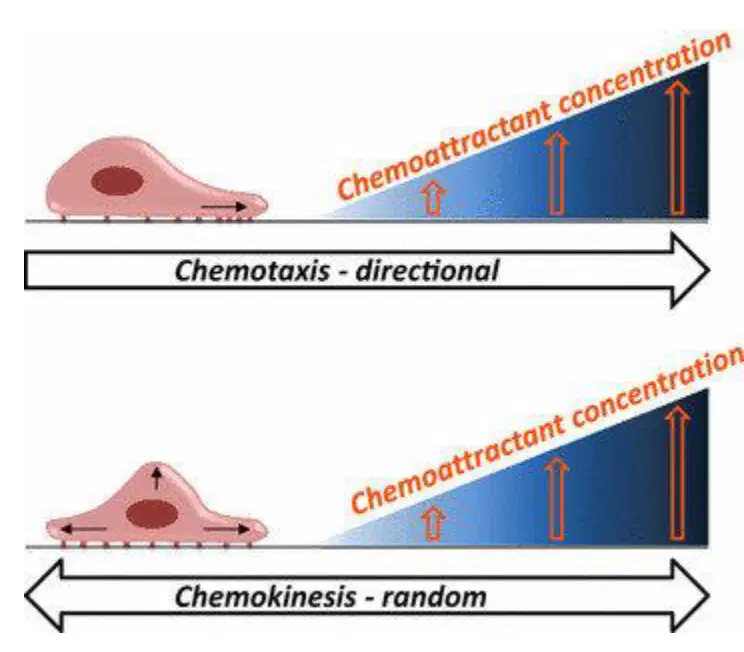
Based on the diagram, what is the main difference between chemotaxis and chemokinesis?
Chemotaxis is directional movement towards or against a cellular gradient, while chemokinesis is random movement.
Chemotaxis is random movement, while chemokinesis is directional movement towards a gradient.
Chemotaxis and chemokinesis both refer to the same type of cellular movement.
Chemokinesis is movement in response to light, while chemotaxis is movement in response to temperature.
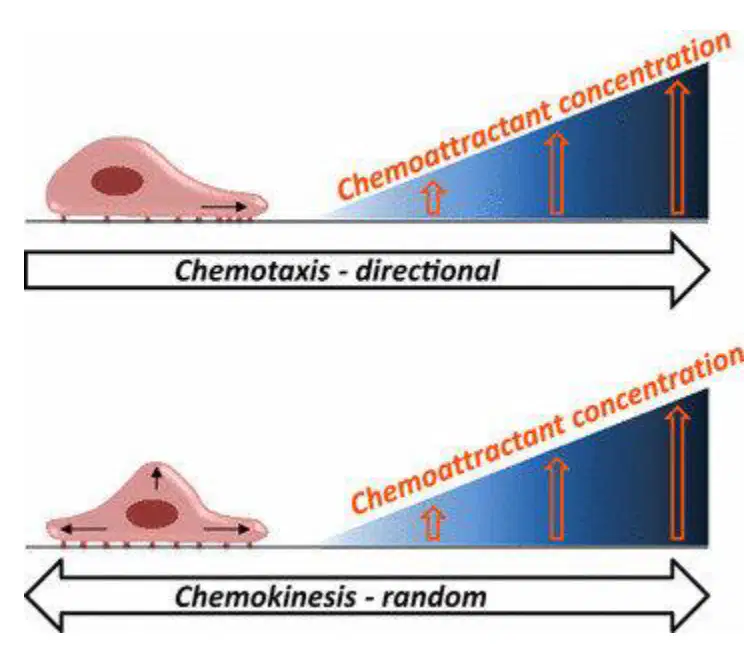
Chemotaxis involves movement in a specific direction in response to a chemical gradient.
True
False
What is the first line of defense against pathogens according to the concept of innate immunity?
Innate immunity
Adaptive immunity
Antibiotics
Vaccination
Which of the following is NOT a function of innate immunity?
A) First line of defense against pathogens
B) Recruit other cells and stimulate inflammation
C) Produce antibodies specific to pathogens
D) Assist in healing and repair of tissues
Cellular receptors in innate immunity are:
Highly specific
Non-specific (self vs. non-self)
Only recognize viruses
Only found in adaptive immunity
Pattern recognition receptors (PRRs) can recognize which of the following?
Only viral particles
Only bacterial toxins
Large patterns of molecules conserved across large classes of pathogens (PAMPs)
Only self molecules
Fill in the blank: PRRs can also recognize cellular damage, which is referred to as _______.
DAMPs
PAMPs
MHCs
TCRs
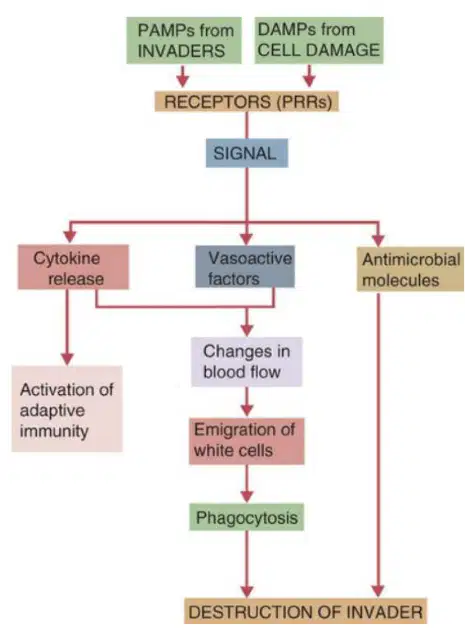
According to the diagram, what is the final outcome of the innate immune response?
Activation of adaptive immunity
Destruction of invader
Cytokine release
Phagocytosis
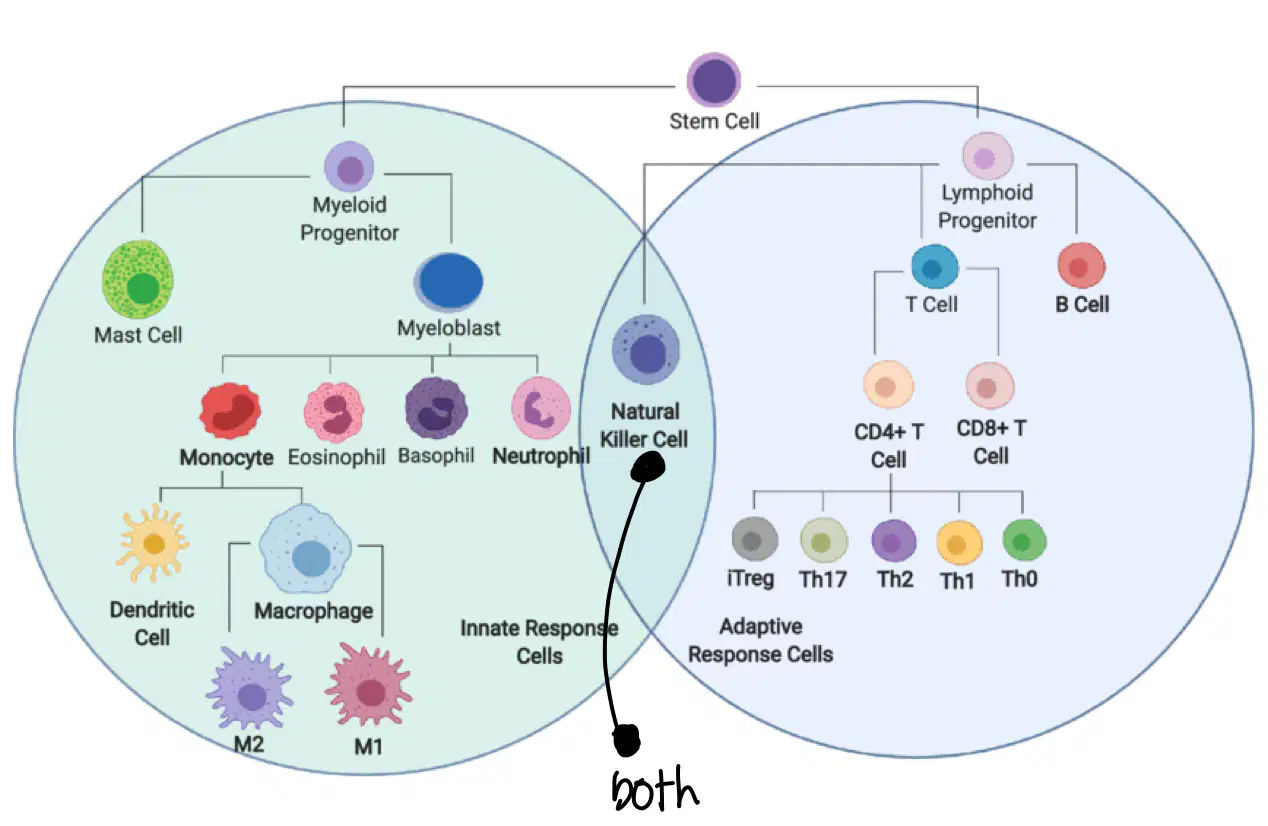
Which of the following is NOT an innate cell?
Mast cell
Eosinophil
B cell
Neutrophil

Fill in the blank: The progenitor cell that gives rise to mast cells, granulocytes, and phagocytes is called the ________ progenitor.
myeloid
lymphoid
erythroid
megakaryocyte

Which of the following cells is considered to overlap between innate and adaptive immunity?
Mast cell
Natural killer cell
B cell
Dendritic cell
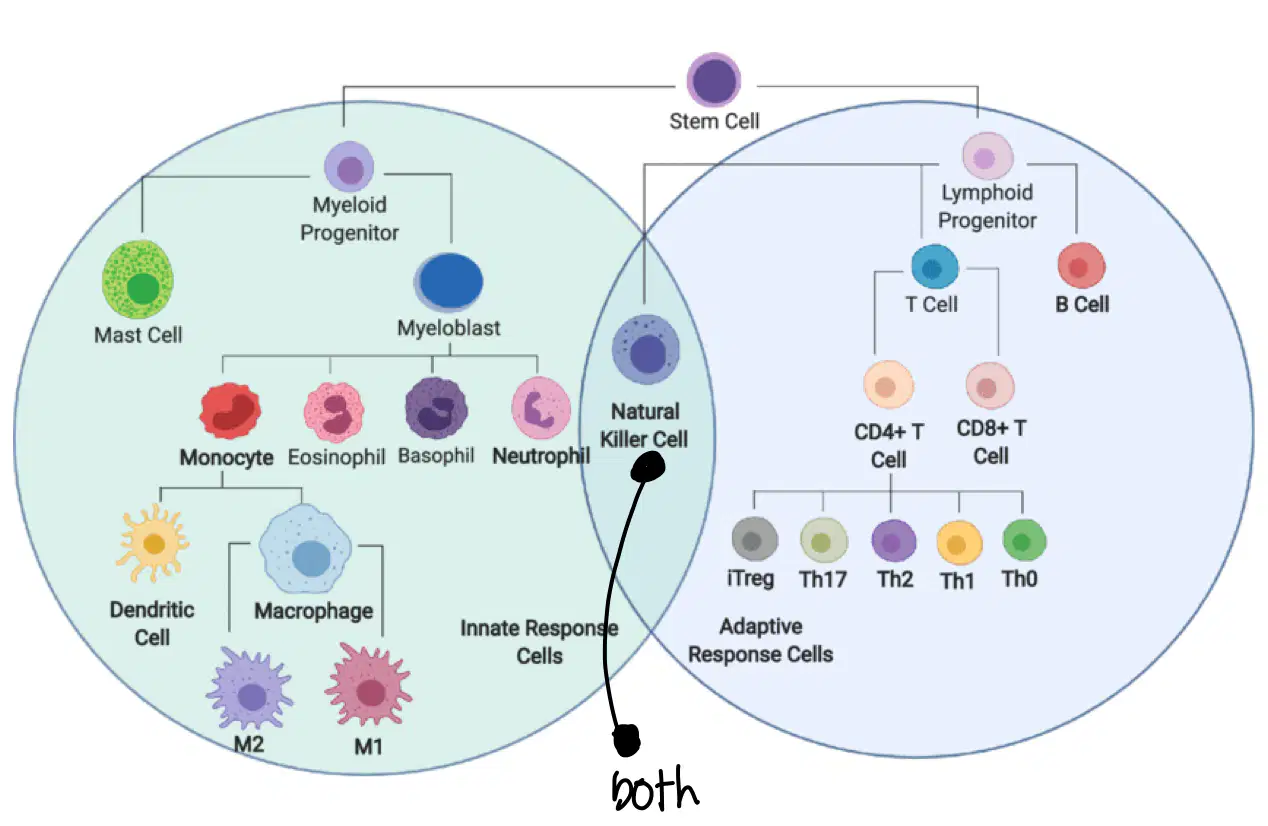
Dendritic cells and macrophages are types of phagocytes.
True
False
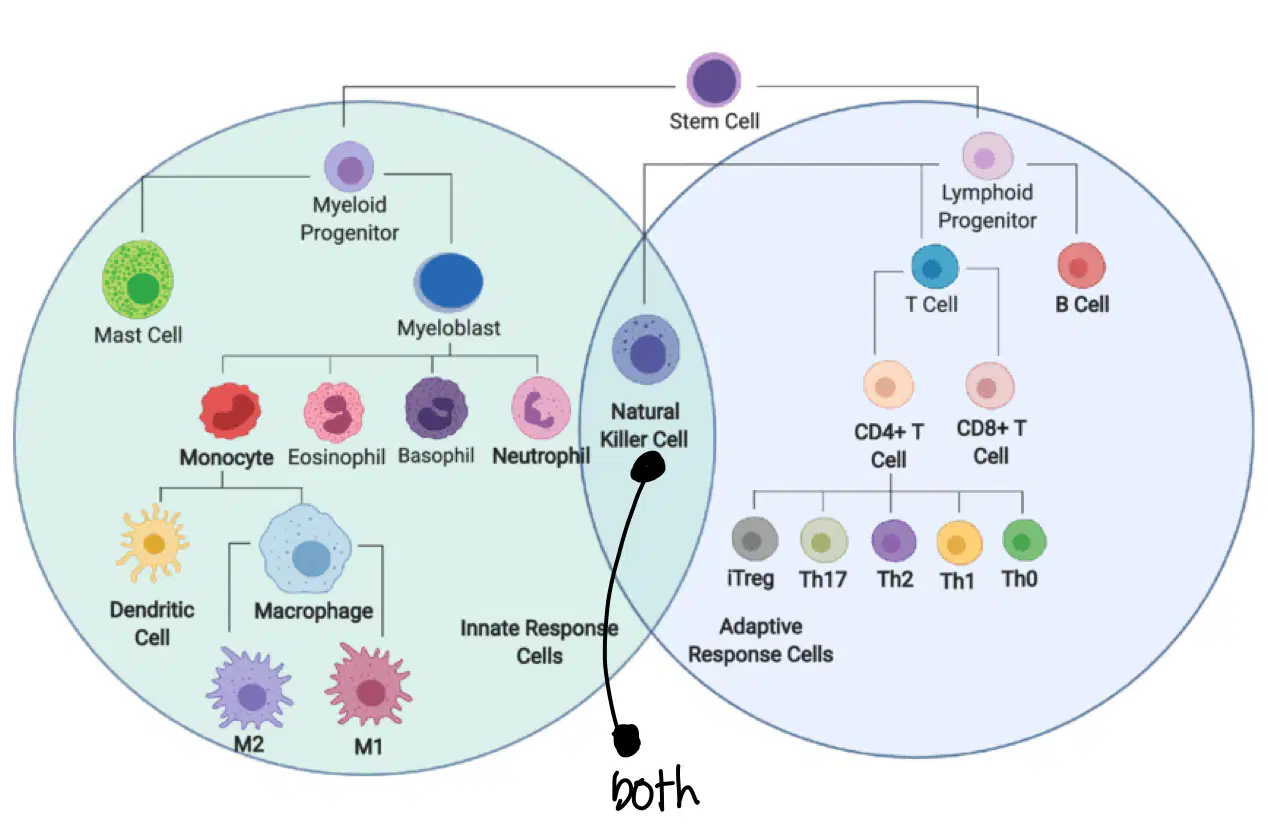
Which cell type is NOT listed as a granulocyte?
Eosinophil
Basophil
Neutrophil
Monocyte
Kupffer cells are a type of macrophage found in the ________.
liver
lung
kidney
spleen
Langerhans cells are found in which tissues?
Liver
Skin and mucosa
Lung
Brain
Alveolar macrophages are located in the ________.
lung
liver
kidney
intestine
Microglia are a type of macrophage found in the ________.
brain
liver
lungs
kidneys
Which type of sentinel cell engulfs and digests pathogens, damaged cells, debris, and foreign substances?
Macrophages (Mφ/MP)
Erythrocytes
Platelets
Fibroblasts
Which type of sentinel cell processes antigen and presents it to circulating T/B cells (antigen-presenting cell or APC)?
Dendritic cells (DCs)
Neutrophils
Erythrocytes
Mast cells
Which type of sentinel cell is a resident cell of connective tissues with histamine and heparin granules and plays roles in allergy?
Mast cells
Macrophages
Fibroblasts
Plasma cells
Which type of sentinel cell acts as a physical barrier with PRRs?
Epithelial cells
Macrophages
Dendritic cells
Mast cells
Which type of sentinel cell is a tissue-resident natural killer cell?
Tissue-resident lymphoid cells
Dendritic cells
Kupffer cells
Langerhans cells

Which of the following is a type of granulocyte innate immune cell?
Neutrophils
B cells
Plasma cells
T cells
Fill in the blank: ________ are innate immune cells that are classified as granulocytes and are involved in fighting parasitic infections.
Eosinophils
Neutrophils
Basophils
Monocytes
Basophils are a type of innate immune cell.
True
False
Which cell type is both a macrophage and a monocyte in the innate immune system?
Macrophages/monocytes
Neutrophils
Eosinophils
Basophils
Which of the following is NOT an innate immune cell?
A) Mast cells
B) Dendritic cells
C) B cells
D) Lymphoid cells (NK cells)
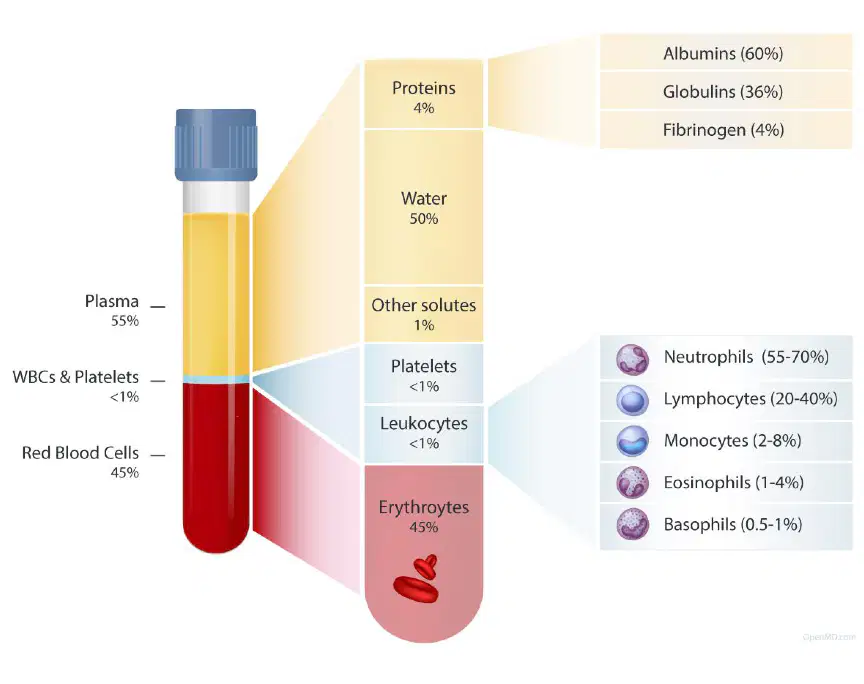
What percentage of blood is made up of plasma?
55%
25%
70%
40%
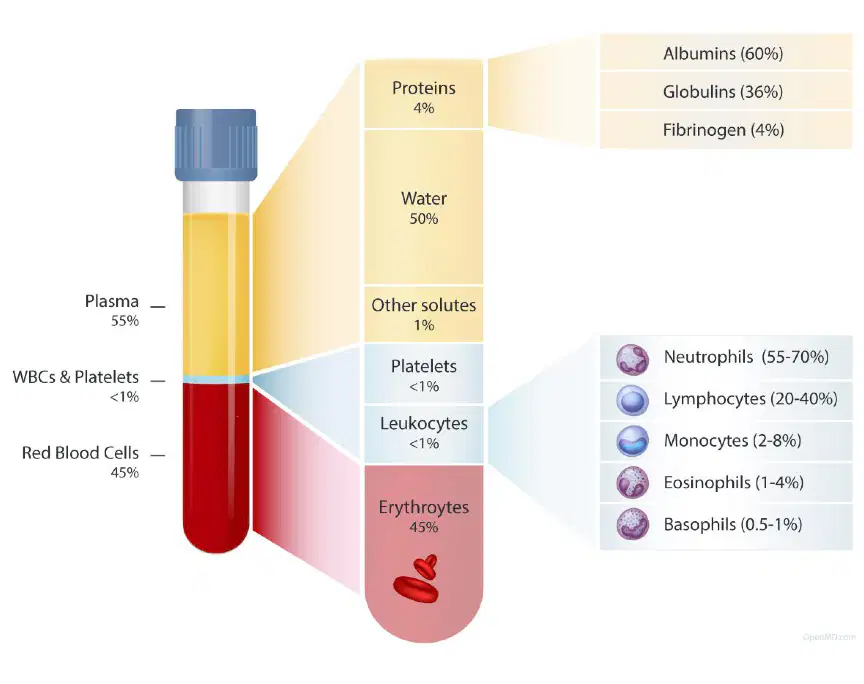
Which of the following is NOT a component of plasma?
Proteins
Water
Erythrocytes
Other solutes
Which type of immune cell is tissue-resident and not circulating?
Dendritic cells
Neutrophils
Lymphocytes
Eosinophils
Granulocytes circulate, but mast cells are a non-circulating granulocyte that lives in tissue.
True
False
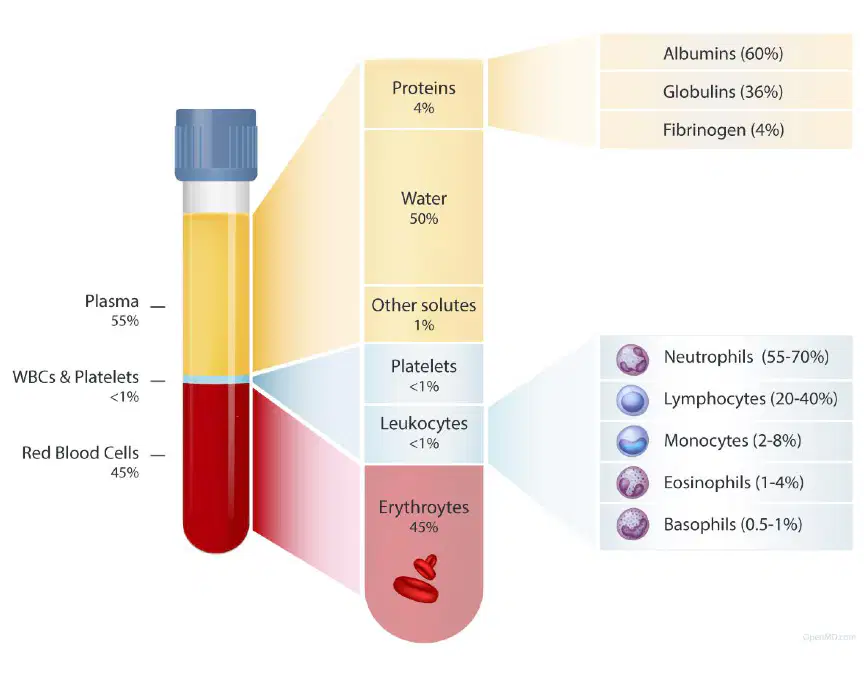
What is the percentage range of neutrophils among leukocytes?
55-70%
20-35%
75-90%
5-15%
Monocytes are ________ while macrophages are tissue-resident monocytes.
circulating
fixed
secretory
contractile
Which of the following statements is true?
White blood cells circulate
Mast cells circulate
Both A and B
Neither A nor B
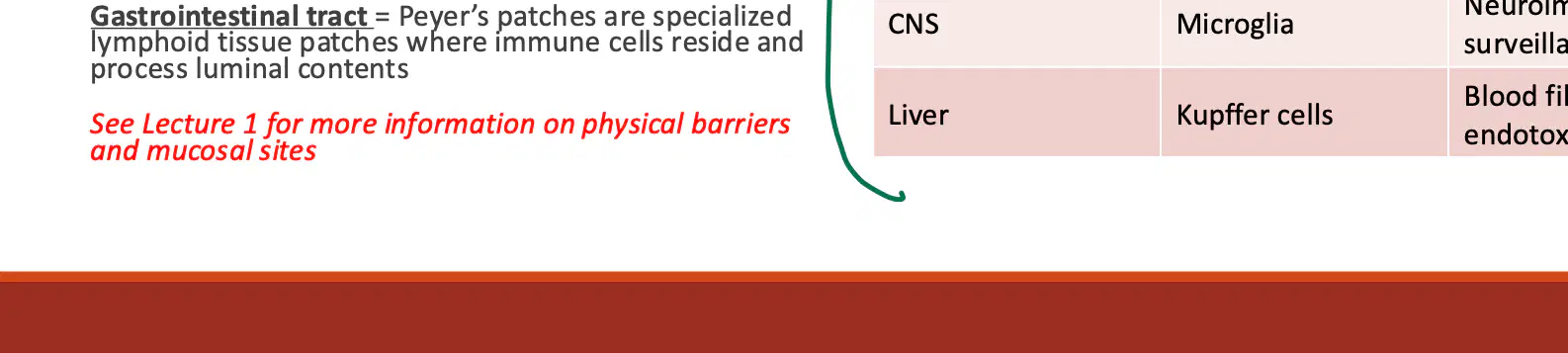
Which main sentinel cells are found in the skin?
Langerhans cells, macrophages
Neutrophils, eosinophils
B cells, T cells
Kupffer cells, microglia
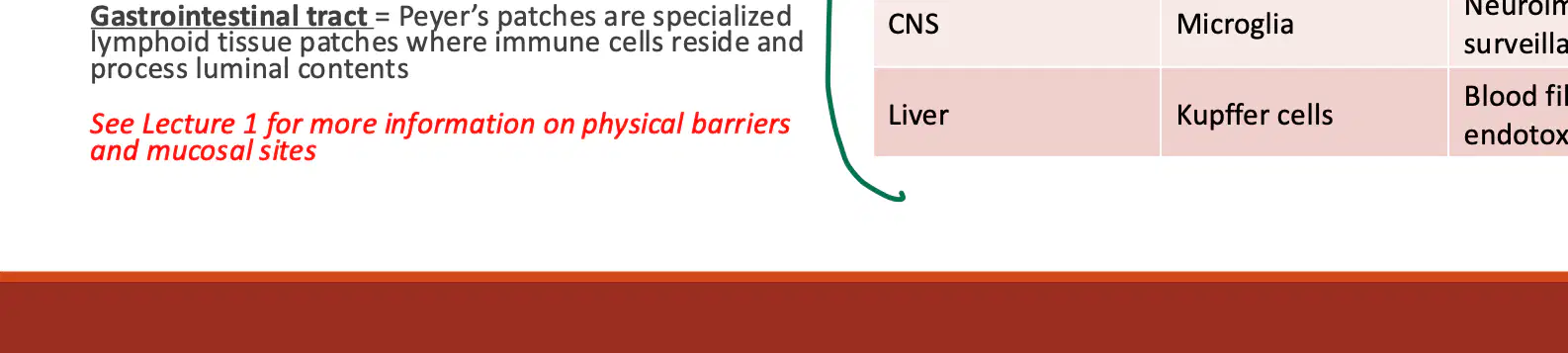
What is the special role of Kupffer cells in the liver?
Blood filtration, endotoxin sensing
Bile production and secretion
Glycogen storage
Synthesis of plasma proteins
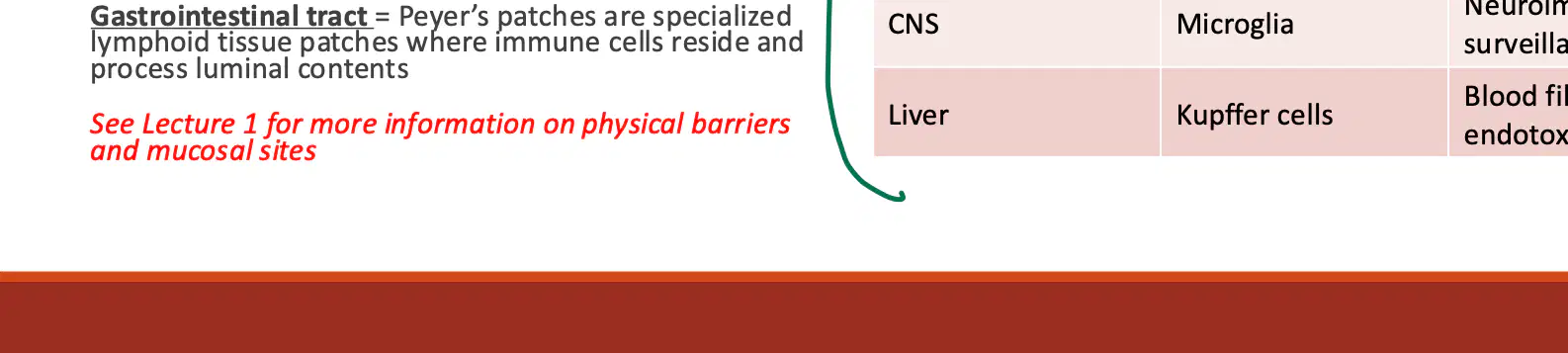
Which tissue contains microglia as its main sentinel cells?
CNS
Liver
Skin
Intestine
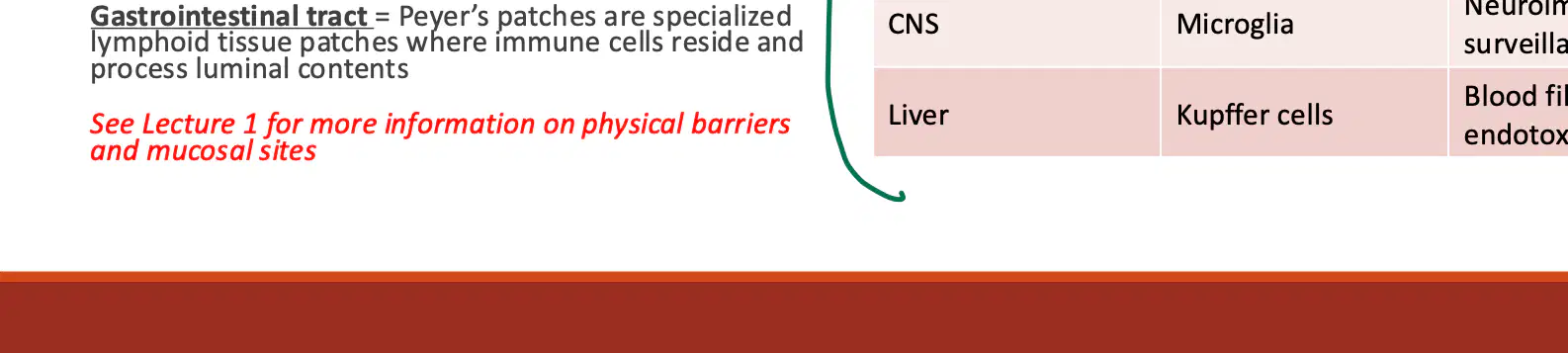
What is the special role of sentinel cells in the lung?
Early antigen capture and inflammation
Antiviral responses, homeostasis
Tolerance vs. immunity balance
Neuroimmune surveillance
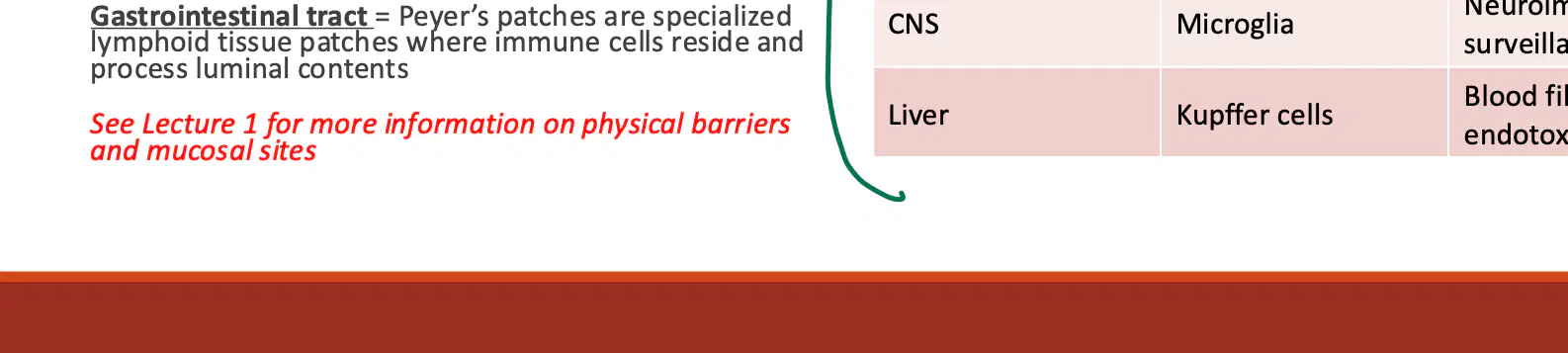
Dendritic cells and epithelial cells are the main sentinel cells in the gut.
True
False
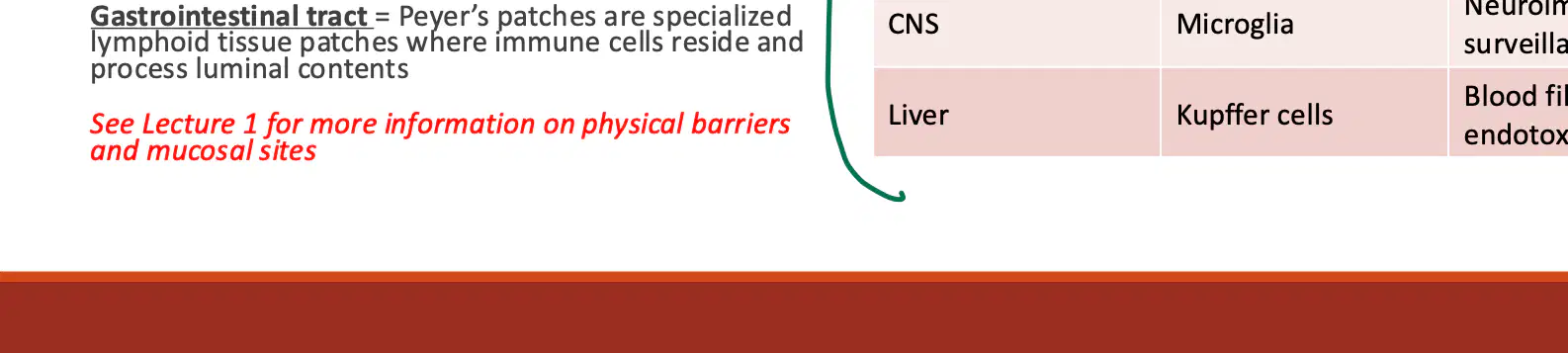
Which tissue's sentinel cells are responsible for neuroimmune surveillance?
CNS
Muscle
Liver
Skin
Once sentinel cells are activated, they initiate cytokine and chemokine production. Which of the following is NOT induced by this process?
Local inflammation (TNF-a, IL-1B, IL-6)
Neutrophil (CXCL8) and monocyte (CCL2) recruitment
Antibody production
Shapes magnitude and type of immune response
Once sentinel cells are activated, they initiate upregulation of costimulatory molecules and adaptive immune cell molecules (T cells).
True
False
Type I IFN response is triggered by viral nucleic acid sensing. Fill in the blank: The receptors involved in this process are ______ and ______.
RIG-I, TLR3
CD4, CD8
IgG, IgM
MHC I, MHC II
Once sentinel cells are activated, they initiate phagocytosis and ROS/Nitric Oxide production. Which cells increase phagocytic activity?
Macrophages and neutrophils
B cells and T cells
Erythrocytes
Platelets
Fill in the blank: Generation of ______ and ______ for pathogen killing is a functional response of sentinel cells.
reactive oxygen species, nitric oxide
antibodies, cytokines
histamine, serotonin
lipids, carbohydrates
What does the abbreviation PRRs stand for?
Pathogen Recognition Receptors
Pattern Recognition Receptors
Protein Recognition Receptors
Phagocytosis Recognition Receptors
Which of the following is recognized by Pattern Recognition Receptors (PRRs)?
Hormones
Pathogen-associated molecular patterns (PAMPs)
Vitamins
Enzymes
Fill in the blank: Damage-associated molecular patterns are abbreviated as _____
DAMPs
PAMPs
MAMPs
LAMPs
Pattern Recognition Receptors (PRRs) can be found only on the cell surface.
True
False
Which of the following is NOT a function initiated by PRRs?
Phagocytosis
Autophagy
Apoptosis
Photosynthesis
What is the ligand for TLRs (Toll-like receptors)?
LPS, dsRNA, flagellin, CpG DNA
Insulin, glucagon, somatostatin, ACTH
Albumin, globulin, fibrinogen, myosin
ATP, ADP, NADH, FADH2
Where are NLRs (NOD-like receptors) localized?
Cytosol
Nucleus
Plasma membrane
Extracellular space
Which PRR class is responsible for triggering Type I IFN production (antiviral response)?
TLRs
NLRs
RLRs
CLRs
What is the example function of CLRs (C-type lectin receptors)?
Promote antifungal immunity, antigen uptake
Induce apoptosis in infected cells
Synthesize antibodies directly
Inhibit T cell activation
Which PRR class recognizes cytosolic DNA?
ALRs (AIM2-like receptors)
TLRs (Toll-like receptors)
NLRs (NOD-like receptors)
RLRs (RIG-I-like receptors)
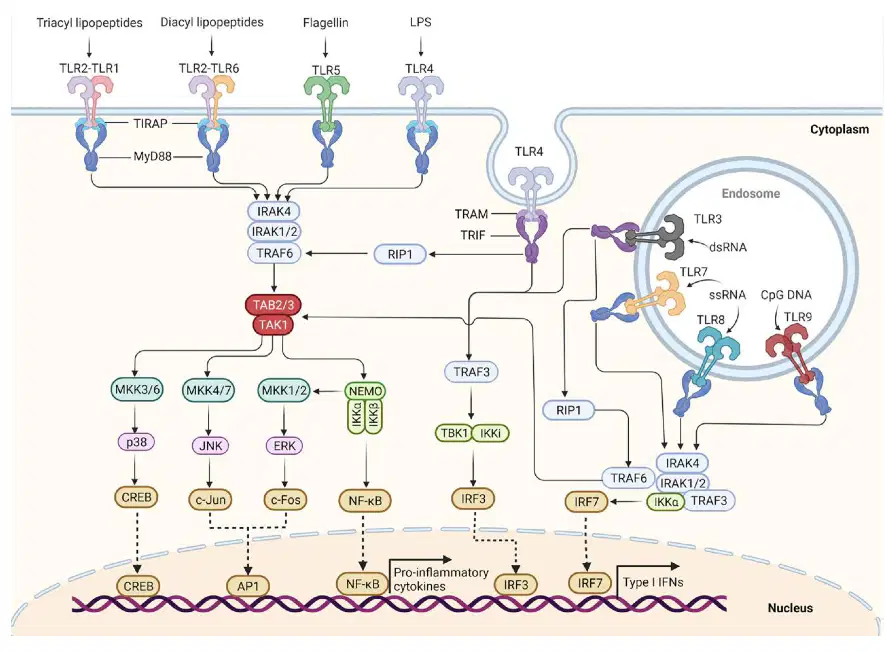
Which PRRs are located on the cell surface?
TLR2, TLR4, TLR5, and CLR
TLR3, TLR7, TLR8, TLR9
RIG-1, MDA5, NOD2, AIM2
All of the above
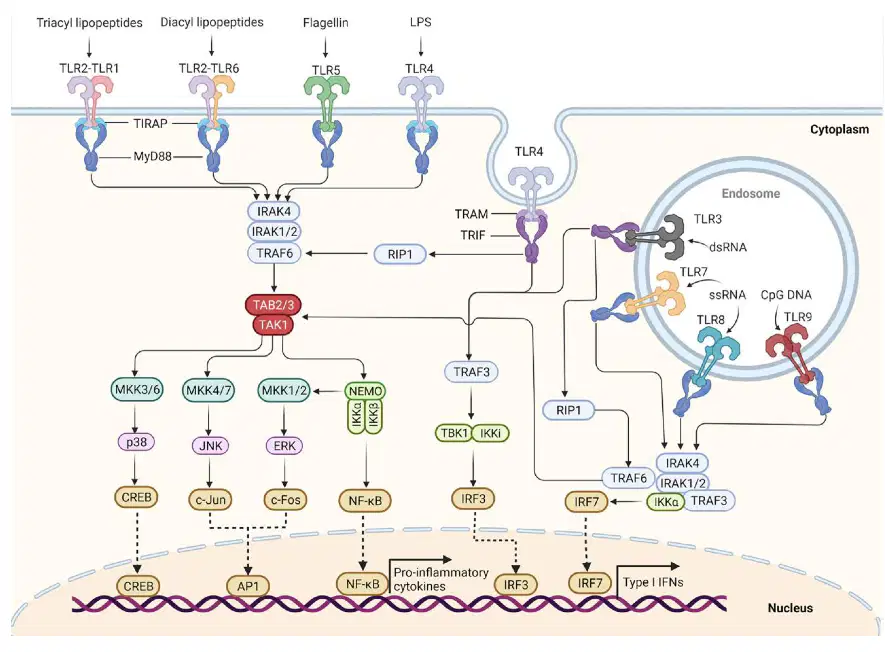
What does TLR2 detect?
LPS
Flagellin
Triacyl and diacyl lipopeptides
CpG DNA
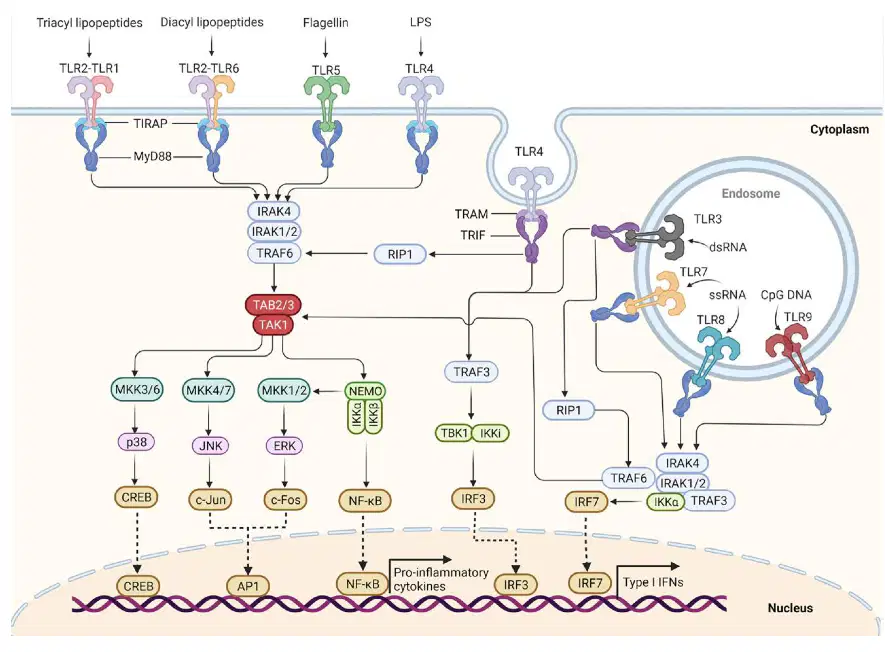
What does TLR4 detect?
dsRNA
LPS
ssRNA
Flagellin
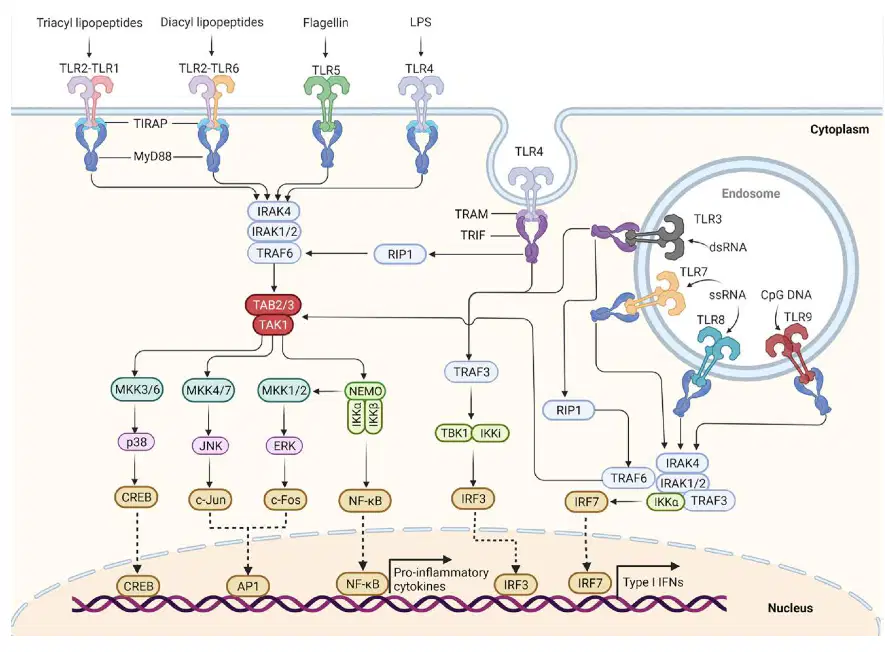
What does TLR5 detect?
CpG DNA
Flagellin
LPS
dsRNA
What type of microbes do cell surface PRRs detect?
EXTRACELLULAR microbes
INTRACELLULAR microbes
VIRAL particles
FUNGAL spores
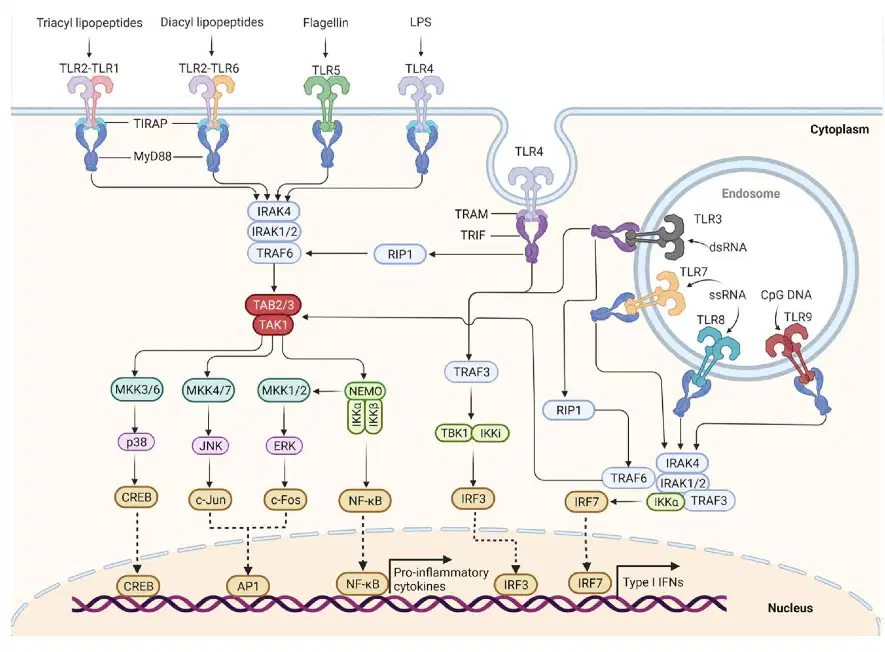
Which PRRs are endosomal?
A) TLR2, TLR4, TLR5
B) TLR3, TLR7, TLR8, TLR9
C) RIG-1, MDA5, NOD2
D) CLR
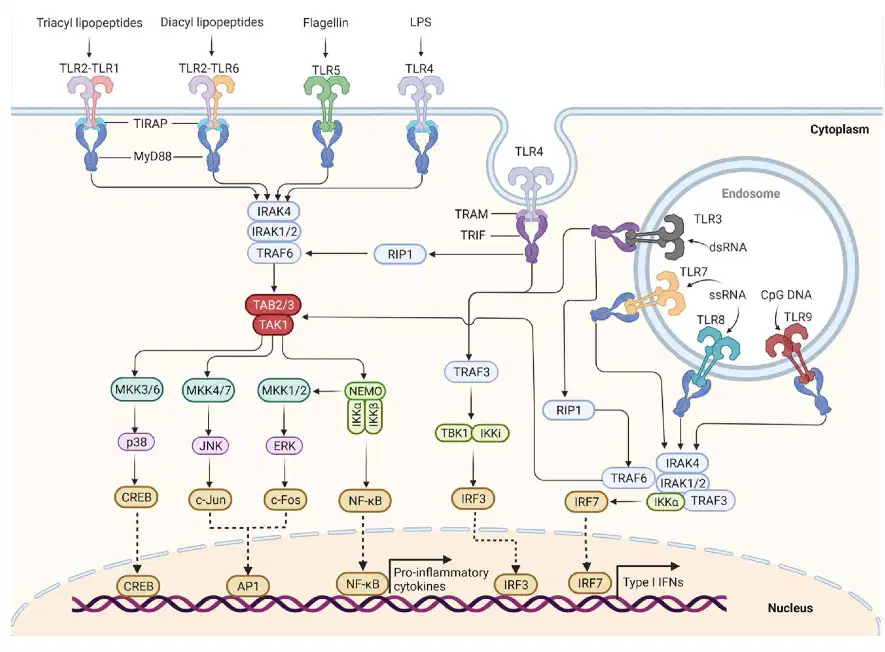
What does TLR3 detect?
dsRNA
ssDNA
lipopolysaccharide
flagellin
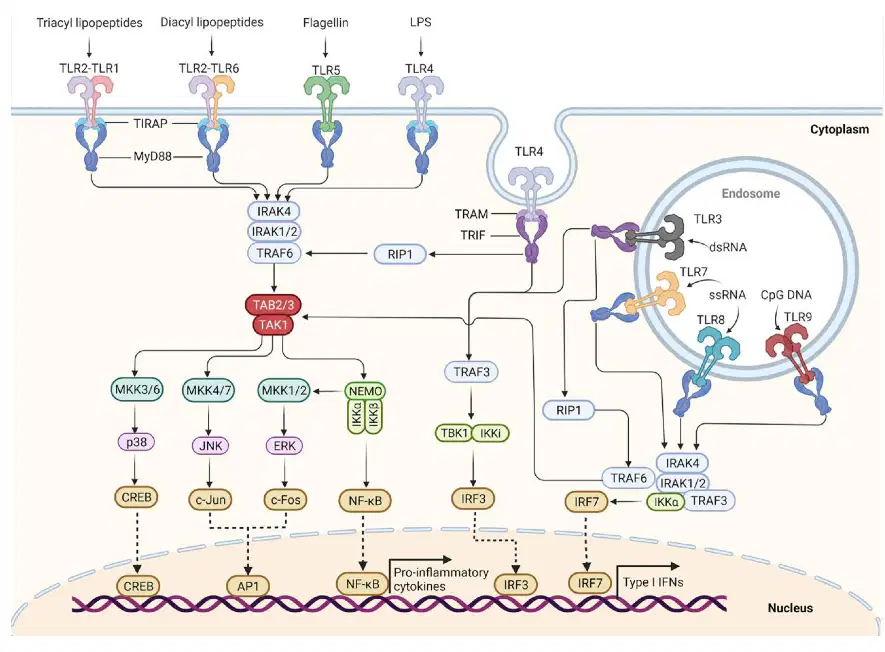
What do TLR7 and TLR8 detect?
ssRNA
dsDNA
peptidoglycan
lipopolysaccharide
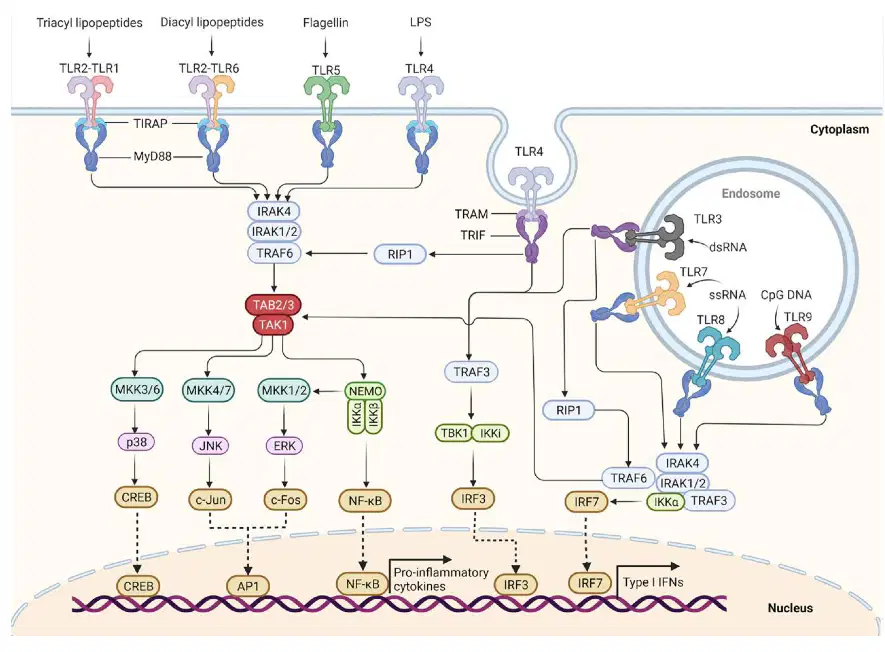
What does TLR9 detect?
CpG DNA
Double-stranded RNA
Lipopolysaccharide
Flagellin
What do endosomal PRRs detect?
Nucleic acids from viruses or bacteria
Proteins from host cells
Lipids from plant cells
Carbohydrates from fungi
Which PRRs are cytosolic?
A) TLR2, TLR4, TLR5
B) TLR3, TLR7, TLR8, TLR9
C) RIG-1, MDA5, NOD2, AIM2
D) CLR
What do cytosolic PRRs detect?
Intracellular infections and cellular damage
Extracellular pathogens only
Hormonal imbalances
Nutrient deficiencies
PRRs are constitutively expressed by _______ immune cells and sentinel cells. (Fill in the blank)
innate
adaptive
memory
plasma
Expression of PRRs can be upregulated by certain cytokines.
True
False
Some PRRs are enriched in antiviral sentinel cells like _______.
DCs
RBCs
Platelets
Muscle cells
MULTIPLE PRRs can be activated simultaneously!
True
False
PRR signaling can be context-dependent – viral vs bacterial vs fungal vs cancer.
True
False
Negative regulators do exist to prevent overactivation of PRRs.
True
False

