
 Worksheets
Cell Organelles and Molecules
Total questions: 45
Worksheet time: 32mins

Organelle that links amino acids together to make proteins.
ribosome
endoplasmic reticulum
vacuole
nucleus

Layered stack of flat membrane-enclosed spaces containing enzymes that process, sort, and deliver proteins.
Golgi apparatus
vacuole
cell wall
none of these

Fluid filled sac for storage of materials; stores food, water, and enzymes.
vacuole
centrosome
nucleus
chloroplast

Bean-shaped organelle that supplies energy to the cell and has its own ribosomes and DNA.
mitochondria
nucleus
cell wall
smooth endoplasmic reticulum

This organelle is found only in plants; it takes up a lot of space and strengthens cells and helps to support the entire plant.
central vacuole
chloroplast
mitochondroa
nucleus

Dense area of the nucleus that is essential for making proteins.
nucleolus
ribosome
lysosome
cytoskeleton

Organelle composed of many membranes used to convert solar energy into chemical energy; contains chlorophyll and is where photosynthesis occurs.
chloroplast
smooth endoplasmic reticulum
nucleus
vesicle

A rigid structure that gives protection, support, and shape to plants, algae, fungi and some bacteria.
cell wall
cell membrane
cytoskeleton
cytoplasm

A network of proteins such as microfilaments, microtubules, that are inside of eukaryotic cells that support it and gives cells their shape.
cytoskeleton
cell wall
nucleus
ribosome

A double-layer of phospholipids that forms a boundary between the cell and surrounding environment and controls the passage of materials into and out of the cell.
cell membrane
cell wall
cytoplasm
lysosome
Organelle composed of a double membrane that acts as a storehouse of a cell's DNA.
nucleus
cell membrane
rough endoplasmic reticulum
vacuole

An interconnected network of thin, folded membranes that produce, process, and distribute proteins. Is covered in ribosomes.
rough endoplasmic reticulum
cell wall
smooth endoplasmic reticulum
centriole

Organelle that contains enzymes. It helps with the immune system and breaks down dead or damaged cell parts.
lysosomes
nucleus
cell wall
chloroplast
Both Eukaryotic and Prokaryotic cells have __________.
ribosomes
nucleus
ribosomes and a nucleus.
this organelle makes ATP.
chloroplast
mitochondria
ribosome
nucleolus
What is the process of joining smaller molecules to make a larger one?
Synthesis
Catalysis
Denaturation
Digestion
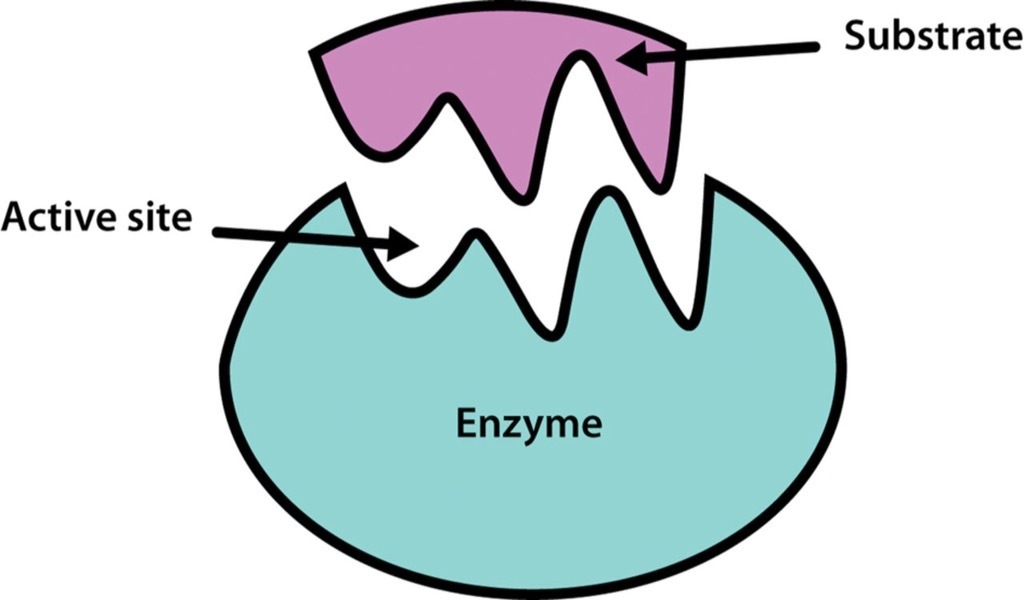
What are the molecules that enzymes work on called?
Reactant
Substrate
Catalyst
Product
What is the main function of an enzyme in a chemical reaction?
Produce energy
Change the reactants
Speed up the reaction
Neutralize the pH

Which of the following best describes the role that water plays in the reaction depicted below?
In the reverse of this reaction, water is used to promote hydrolysis.
Water is a product of this dehydration synthesis reaction.
When water is added, the two monomers form a covalent bond that holds the dimer together.
As a reactant, water cleaves the covalent bond that holds the dimer together.

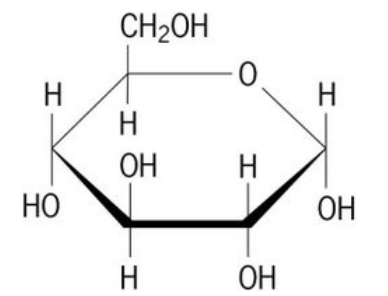
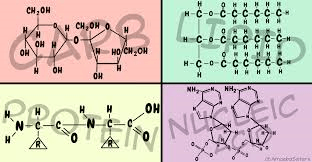
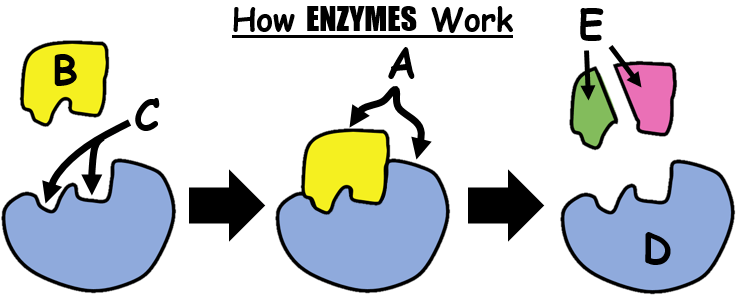
The suffix "saccharide" means...
Sugar
Protein
Lipid
Phospholipid
The prefix "poly" means...
One
Two
Many
Want a cracker

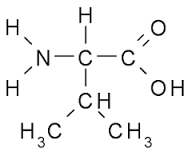
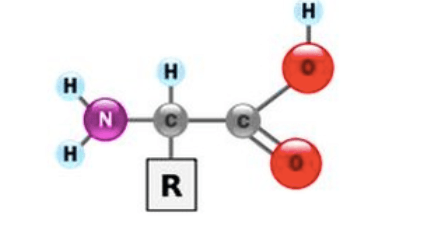
Which biomolecule is made of many amino acids acids linked together?
Nucleic Acid
Carbohydrate
Protein
Lipid

What is the total fat in the baked potato?
22g
10g
0g
4g
What is the total fat in the baked potato?
22g
10g
0g
4g

How much total fat is in Hash Brown Patties?
120
1g
15g
7g
What is a Calorie?
A Unit of energy
Fat
Bad stuff
A unit of Nutrition


