
NEW
Font size
 Worksheets
FSED Path Ch 10
Total questions: 63
Worksheet time: 32mins
Which category of digestive system diseases involves abnormal cell growth or tumors?
Hyperplasia/Neoplastic
Obstruction
Postmortem Conditions
Inflammatory/Degenerative
What is the definition of gingivitis?
Inflammation of the gums
Inflammation of the tongue
Infection of the teeth
Decay of the jawbone
What are common signs of gingivitis?
Swollen, red, bleeding gums
White, dry gums
Loose teeth
Bad breath only
Gingivitis can be described as:
Sore, red gums that bleed when you brush
White patches on the tongue
Painful jaw movement
Loss of taste
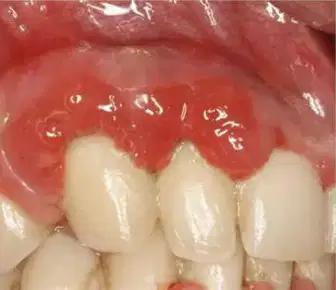
What does the image most likely show?
Healthy gums
Gingivitis-affected gums
Tooth decay
Oral cancer
What is the definition of pharyngitis?
Inflammation of the throat
Inflammation of the stomach
Inflammation of the lungs
Inflammation of the skin
Which of the following is NOT a cause of pharyngitis?
Viral infection
Bacterial infection
Irritants like smoke
High blood pressure
Which of the following is a sign of pharyngitis?
Sore throat
Headache
Rash
Nausea
Pharyngitis is most often associated with which of the following?
Sore throat from a cold or strep
Stomach pain from food poisoning
Headache from dehydration
Rash from an allergy
Which of the following is NOT listed as a sign of pharyngitis?
Swollen lymph nodes
Fever
Sore throat
Joint pain
What is the definition of esophagitis?
Inflammation of the esophagus
Inflammation of the stomach
Infection of the intestines
Swelling of the throat
Which of the following is NOT a cause of esophagitis?
Acid reflux (GERD)
Infection
Caustic ingestion
High blood pressure
Which of the following is a sign of esophagitis?
Pain swallowing
Rash
Headache
Fever
What does esophagitis typically cause when acid comes up into the throat?
Burning pain
Numbness
Itching
Swelling
What is gastritis?
Inflammation of stomach lining
Open sore in the stomach
Infection of the intestines
Blockage of the esophagus
Which of the following best describes an ulcer?
Inflammation of the stomach lining
Open sore in the stomach or duodenum
Swelling of the liver
Blockage in the intestines
Which of the following is NOT a common cause of gastritis or ulcers?
Alcohol
NSAIDs
H. pylori
Vitamin C
What does gastritis mean?
Painful sore inside the stomach
Irritated stomach
Blocked stomach
Swollen intestines
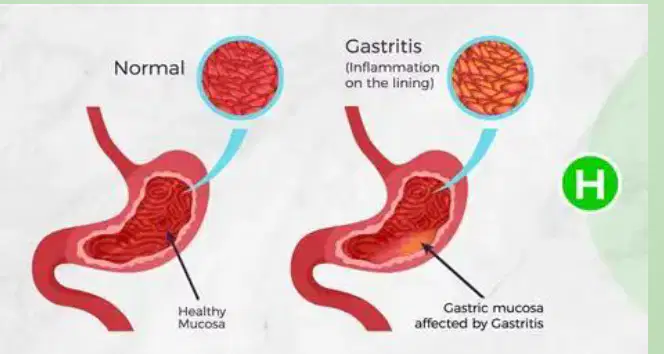
What does an ulcer refer to?
Inflamed stomach lining
Painful sore inside the stomach
Swollen liver
Blocked esophagus
Which condition is characterized by inflammation of the colon?
Enteritis
Colitis
Appendicitis
Hepatitis
What does appendicitis refer to?
Inflammation of the colon
Inflammation of the small intestine
Inflammation of the appendix
Inflammation of the stomach
What is the definition of hemorrhoids?
Swollen veins in rectum/anus
Blocked arteries in the heart
Inflamed lymph nodes in the neck
Broken bones in the leg
Which of the following is NOT a common cause of hemorrhoids?
Straining
Pregnancy
Chronic constipation
High blood sugar
Which of the following is a symptom of hemorrhoids?
Fever
Pain
Coughing
Nausea
Which symptoms are commonly associated with hemorrhoids?
Pain, itching, bleeding
Sneezing, coughing, fever
Headache, dizziness, nausea
Rash, swelling, fever
What are the two main locations where hemorrhoids can occur?
Internal and external
Upper and lower
Left and right
Anterior and posterior
What is the definition of hepatitis?
Inflammation of the liver
Inflammation of the kidney
Inflammation of the heart
Inflammation of the lungs
Which types of hepatitis are considered bloodborne?
A & D
B & C
A & E
D & E
Which of the following is NOT a common sign of hepatitis?
Fatigue
Jaundice
Enlarged liver
Headache
What is the definition of cirrhosis?
Chronic scarring of liver tissue
Acute inflammation of the liver
Fatty accumulation in the liver
Viral infection of the liver
Which of the following is NOT a common cause of cirrhosis?
Alcohol
Hepatitis
Fatty liver disease
Diabetes
Which of the following is a sign of cirrhosis?
Jaundice
High blood pressure
Weight gain
Fever
Cirrhosis is most often associated with which of the following habits?
Drinking too much alcohol
Eating too much sugar
Lack of exercise
Smoking
What is cholecystitis?
Inflamed gallbladder
Gallstones in the kidney
Infection of the pancreas
Blocked bile duct
What does cholelithiasis refer to?
Infection of the bile duct
Gallstones
Inflamed liver
Blocked intestine
What are common symptoms when gallstones block the flow in the biliary tract?
Headache, fever, cough
Pain, swelling, yellow skin
Nausea, diarrhea, rash
Dizziness, blurred vision, dry mouth
What is the definition of pancreatitis?
Inflammation of the pancreas
Inflammation of the liver
Infection of the stomach
Swelling of the kidneys
Which of the following is NOT a common cause of pancreatitis?
Gallstones
Alcohol abuse
Trauma
High blood pressure
What does pancreatitis cause the pancreas to do?
Get swollen and "eat itself"
Shrink and stop working
Produce more insulin
Turn yellow
What is peritonitis?
Infection of abdominal lining
Infection of the lungs
Inflammation of the heart
Infection of the skin
What does diverticulitis refer to?
Inflamed intestinal pouches
Infection of the liver
Swelling of the kidneys
Blockage of the arteries
Peritonitis is best described as an infection of which part of the body?
Belly lining
Heart muscle
Lung tissue
Brain membrane
Diverticulitis occurs when what gets infected?
Tiny pouches in colon
Blood vessels in the brain
Air sacs in the lungs
Nerve endings in the skin
What is usually true about embalming complications in infants with pyloric stenosis?
Usually no embalming complications beyond typical infant case (small vessels, delicate tissue).
There are always severe complications due to large vessels.
Embalming is not possible in these cases.
Complications are only related to adult cases.
What can some malformations (anomalies) cause that may make aspiration challenging?
Distention or abnormal organ placement
Increased blood pressure
Rapid healing of tissues
Excessive bleeding
What is a risk associated with hernia in the context of genetic and developmental digestive disorders?
Obstruction or gangrene leading to rapid decomposition or gas accumulation
Increased muscle growth
Improved digestion
Decreased risk of infection
What is hyperplasia?
An increase in the size of an organ or tissue due to the excessive but regulated increase in the number of its cells.
A decrease in the number of cells in an organ or tissue.
A change in the shape of cells in an organ or tissue.
A process where cells die off rapidly.
What does neoplasia refer to?
The process of the formation of neoplasms/tumors.
The process of cell death.
The process of tissue repair.
The process of inflammation.
Which of the following is an example of a benign growth mentioned in the material?
Polyps
Stomach carcinoma
Colon/rectal carcinoma
Liver cirrhosis
Which of the following is NOT listed as an example of a neoplastic process in the material?
Liver cirrhosis
Stomach carcinoma
Polyps (benign growths)
Colon/rectal carcinoma
Which of the following terms refers to the narrowing of a passage in the body?
Stenosis
Hernia obstruction
Paralytic ileus
Adhesions
What is the medical term for the twisting of the intestine that can cause obstruction?
Volvulus
Intussusception
Stenosis
Bile duct blockage
Which type of obstruction involves the telescoping of one part of the intestine into another?
Intussusception
Volvulus
Adhesions
Paralytic ileus
Which of the following is NOT a type of obstruction listed in the material?
Gallstone ileus
Hernia obstruction
Bile duct blockage
Adhesions
What is the term for an obstruction caused by the loss of normal peristalsis in the intestine?
Paralytic ileus
Stenosis
Volvulus
Intussusception
What is the recommended action when dealing with ascites during embalming?
Use hypertonic solutions
Aspirate abdominal cavity, may dilute preservative fluid
Apply tissue builder
Use bleaching agents
Which postmortem condition may require restorative art due to wrinkled skin and sunken features?
Edema
Jaundice
Dehydration
Purge
What is a challenge associated with emaciation in embalming?
Clots must be broken up
Difficult cosmetic fill, may require tissue builder
Use strong disinfectant chemicals
Careful aspiration required
Which condition requires strong disinfectant or arterial chemicals due to rapid tissue breakdown?
Rapid decomposition
Edema
Distention
Jaundice
What must be done when there is rapid coagulation of blood during embalming?
Use restorative art
Use hypertonic solutions
Clots must be broken up for better distribution
Apply cavity packs
Why is arterial fluid choice critical in cases of jaundice?
To prevent mouth/nose leakage
To avoid tissue dehydration
To use non-tinting, bleaching agents
To aspirate the abdominal cavity
What is a concern with purge during embalming?
Poor distribution of fluids
Mouth/nose leakage during viewing; careful aspiration required
Use of strong disinfectants
Application of tissue builder
What is the recommended action for distention during embalming?
Use non-tinting agents
Apply tissue builder
Gas relief, aspiration, cavity packs needed
Use hypertonic solutions

