
 Worksheets
Unit 1 Exam 1 Review (Anatomy)
Total questions: 40
Worksheet time: 19mins
Anatomy is the study of___________.
Function of the body
Structure of the body
Chemical Balance
Energy Use
Physiology is the study of________.
Function of the body
Structure of the body
Chemical balance
Energy use
Which of the following correctly lists the levels of organization from simplest to most complex?
Organism → Organ System → Organ → Tissue → Cell
Tissue → Cell → Organ → Organ System → Organism
Organ → Cell → Tissue → Organism → Organ System
Cell → Tissue → Organ → Organ System → Organism
The most common feedback mechanism in humans is________
Feedback inhibition
Neutral feedback
Positive feedback
Negative feedback
The maintenance of a stable internal environment is called_______.
Metabolism
Homeostasis
Differentiation
Growth
Childbirth contractions are an example of_______.
Neutral feedback
Neutral feedback
Positive feedback
Negative feedback
Which position is considered anatomical position?
Sitting upright
Lying face down
Standing with palms facing body
Standing with palms forward
The sagittal plane divides the body into______.
Right and left parts
Superficial and deep parts
Anterior and posterior parts
Superior and inferior parts
The thoracic cavity contains the____
Kidneys and bladder
Brain and spinal cord
Heart and lungs
Stomach and liver
The study of tissues is called______.
Cytology
Histology
Physiology
Anatomy
The study of cells is called______.
Cytology
Histology
Physiology
Anatomy
Which is NOT one of the four primary tissue types?
Epithelial
Connective
Skeletal
Muscular
Epithelial tissue is classified by______.
Number of cells only
Number of layers
Cells and layers
Type of fibers
Goblet cells secrete_______.
Sweat
Mucus
Enzymes
Hormones
Endocrine glands release their products______
via ducts
into the bloodstream
into cavities only
on to the body surfaces
Connective tissue develops from which germ layer?
Mesoderm
Ectoderm
Endoderm
Both Ectoderm and Endoderm
The three types of fibers found in connective tissue are______.
Muscle, bone, cartilage
Cuboidal, squamous, columnar
Elastic, collagen, reticular
RBC, WBC, platelets
The type of muscle tissue that is voluntary and striated is
Skeletal
Cardiac
Smooth
Nervous
Intercalated discs are found in________.
Smooth Muscle
Skeletal Muscle
Cardiac Muscle
Nervous Tissue
Which of the following supports neurons in nervous tissue?
Dendrites
Axons
Glial Cells
Myofibrils
The process of blood cell formation is called______.
Hematopoiesis
Hemolysis
Homeostasis
Hemoglobinization
Flat, thin epithelial cells are called_____
Cuboidal
Squamous
Columnar
Transitional
Cube-shaped epithelial cells are called_____
Cuboidal
Squamous
Columnar
Transitional
Tall, rectangular epithelial cells are called_____
Cuboidal
Squamous
Columnar
Transitional
Stretchy, resilient connective fibers are called______.
Elastic Fibers
Reticular Fibers
Collagen Fibers
Keratin Fibers
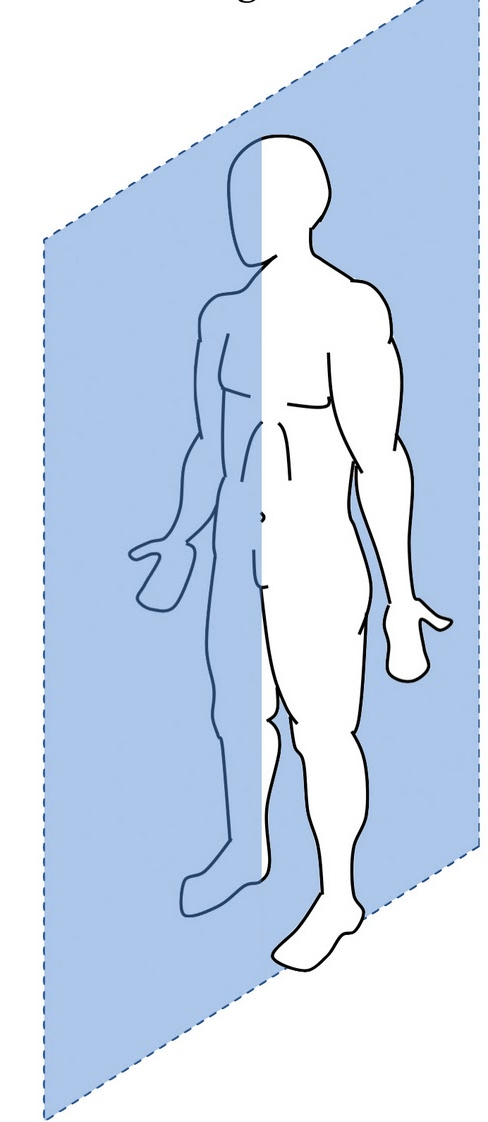
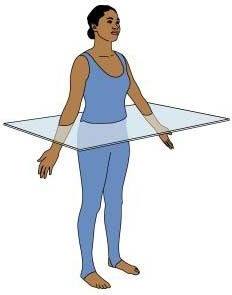

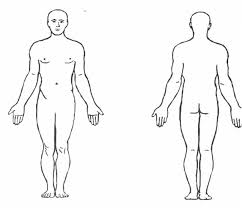
*right and left refer to "right" and "left" of the body in position.
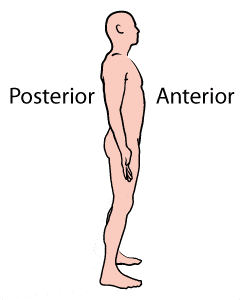

mouth region
orbital
oral
occipital
cervical

inner elbow
antecubital
patella
popliteal
inguinal
buccal
lower back
cheek region
neck
spine region
crural
shin
lower back
chest
thigh



