
 Worksheets
ch. 6 and 7 BIO
Total questions: 118
Worksheet time: 2hrs 36mins
what organelles contain DNA
mitochondria
chloroplasts
lysosomes
cytosol
nucleus
what does an animal cell contain that plan cells do not contain
centrosomes/centrioles
lysosomes
flagella
ribosomes
peroxisomes
what does an animal cell contain that plan cells do not contain
centrosomes/centrioles
lysosomes
flagella
ribosomes
peroxisomes
what structures do plant cells have that animal cells do not
chloroplasts/chlorophyll
vacuoles/central vacuole
cell wall
plasmodesmata
peroxisomes
what structures do animal cells and plant cells have in common
mitochondria
ribosomes
cell wall
cell membrane
centrosomes/centrioles
what structures do animal cells and plant cells have in common
cytoskeleton
nucleus
smooth and rough ER
flagella
lysosomes
what structures do animal cells and plant cells have in common
cytosol
golgi apparatus
peroxisomes
cilia
flagella
prokaryotic or eukaryotic: smaller cells that have loose DNA in cytosol, no membrane bound organelles, and a nucleoid instead of a nucleus
(a)
prokaryotic or eukaryotic: bigger cells with DNA in a nucleus, membrane bound organelles, and a nuclear envelope
(a)
what are the characteristics that make prokaryotic cells different than eukaryotic
unbound DNA
small
nucleoid
nucleus
no membrane bound organelles
what are the characteristics that make eukaryotic cells different than prokaryotic
bigger
DNA in nucleus
nucleoid
nuclear envelope
membrane bound organelles
what are the similarities between prokaryotic and eukaryotic cells
ribosomes
chromosomes
plasma membrane
cytosol
nucleus
where does photosynthesis occur in chloroplasts
stroma
thylakoids
cristae
matrix
ribosomes
how many centrioles are in a centrosome
(a)
what are centrosomes made up of
(a)
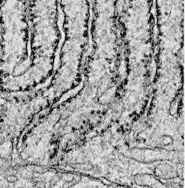
what organelle is this?
rough ER
smooth ER
golgi apparatus
mitochondria
chloroplast

what organelle is this?
rough ER
smooth ER
golgi apparatus
mitochondria
chloroplast

what organelle is this?
rough ER
smooth ER
golgi apparatus
mitochondria
chloroplast
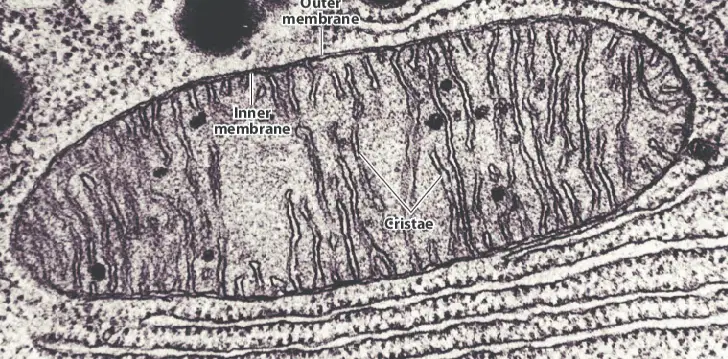
what organelle is this?
rough ER
smooth ER
golgi apparatus
mitochondria
chloroplast

what organelle is this?
rough ER
smooth ER
golgi apparatus
mitochondria
chloroplast

what organelle is this?
rough ER
smooth ER
nucleus
mitochondria
chloroplast

what organelle is this?
rough ER
smooth ER
cytoskeleton
mitochondria
chloroplast
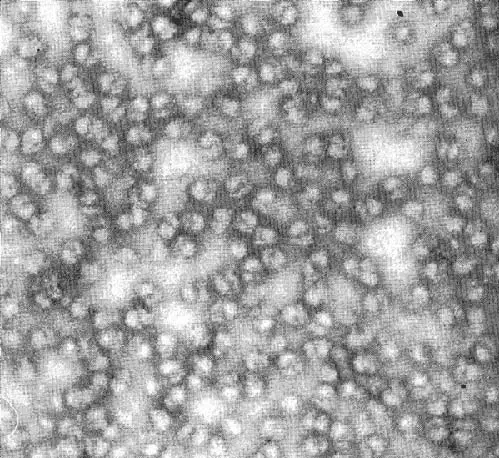
what organelle is this?
ribosomes
golgi apparatus
cytoskeleton
mitochondria
chloroplast
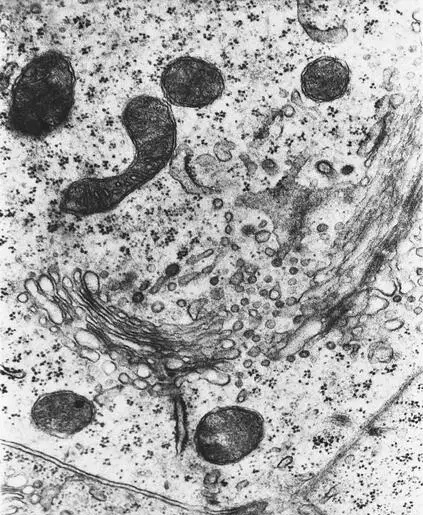
what organelle is this? (darker)
ribosomes
lysosomes
cytoskeleton
mitochondria
chloroplast

what organelle is this? (line)
cell membrane
lysosomes
cytoskeleton
mitochondria
chloroplast
what organelle has this function: synthesizes proteins
(a)
what organelle has this function: cellular respiration, produce ATP
(a)
what organelle has this function: sorts, packages, modifies and transports proteins
(a)
what organelle has this function: synthesis of lipids, phospholipids, and steroids, as well as the detoxification of harmful substances like drugs and poisons
(a)
what organelle has this function: providing cell structure and shape, maintaining mechanical strength, facilitating cell and organelle movement, enabling cell division and muscle contraction, and forming the basis for specialized structures like cilia and flagella
(a)
what organelle has this function: photosynthesis
(a)
what is inside the mitochondria
mitochondrial matrix
cristae
cytoplasm
DNA
what is the order of cytoskeleton fragments from smallest to largest
microfilaments, microtubules, intermediate filaments
microfilaments, microtubules, intermediate tubules
microfilaments, intermediate filaments, microtubules
microfilaments, intermediate tubules, microtubules
microtubules, intermediate filaments, microfilaments
what is inside chloroplasts
chlorophyll
thylakoids (grana)
DNA
stroma
cristae
where does the krebs cycle take place in the mitochondria
(a)
where does the electron transport chain take place in the mitochondria
(a)
where does the light-dependent side of photosynthesis take place in the chloroplast
(a)
where does the light-independent (calvin cylce) side of photosynthesis take place in the chloroplast
(a)
what are stacks of thylakoids called
(a)
What organelle contains hydrolytic enzymes?
(a)
lysosome or peroxisome: in terms of hydrolytic enzymes, which is for food
(a)
lysosome or peroxisome: in terms of hydrolytic enzymes, which is for hydrogen peroxide
(a)
If cells are able to degrade molecules, they can reuse or recycle the components, In a prokaryotic cell, degradation occurs in (a)
If cells are able to degrade molecules, they can reuse or recycle the components, In a eukaryotic cell, degradation occurs in (a)
the connected path of transportation of proteins
(a)
what is the correct path (in general) for the endomembrane system pathway
ER->vesicles->golgi apparatus->plasma membrane-> secretion
ER->golgi apparatus->plasma membrane-> secretion
ER->golgi apparatus->plasma membrane-> vesicles-> nucleus->secretion
cytoplasm->ER->golgi apparatus->plasma membrane-> vesicles-> nucleus->secretion
what types of molecules are the major components of the cell membrane
phospholipids
proteins
carbohydrates
nucleic acids
amino acids
If a protein is an integral membrane protein, it means it is (a) (amphipathic, ingrained, fluid)
has hydrophobic and hydrophilic regions
(a)
"afraid" of water
(a)
has an affinity for water
(a)
what part of the fluid mosaic model is the fluid part
proteins
phospholipids
molecules passing through
ATP
what part of the fluid mosaic model is the mosaic part
proteins
phospholipids
molecules passing through
ATP
what characteristics make molecules able to easily pass through the cell membrane
small
nonpolar or uncharged
hydrophobic
hydrophilic
charged or polar
which are examples of molecules that would easily pass through the cell membrane
O2
CO2
H2O
glycerol
fatty acids
what characteristics mean the molecule will need help diffusing
charged or polar
large
hydrophilic
hydrophobic
nonpolar or uncharged
what are the types of transport proteins for facilitated diffusion
channel proteins
carrier proteins
active pumps
ABC transporters
what is the type of carrier protein for facilitated diffusion
glucose transporter (GLUT)
sodium potassium pump
protein channels
ATP facilitated pump
what is the type of carrier protein for active transport
glucose transporter (GLUT)
sodium potassium pump
protein channels
ATP facilitated pump
what is the type of carrier protein for active transport
glucose transporter (GLUT)
sodium potassium pump
protein channels
ATP facilitated pump
which protein channels are included for facilitated diffusion
aquaporins
ion channels
gated channels
sodium-potassium pumps
calcium channels
what proteins are found in the cell membrane
peripheral proteins
integral proteins
carrier proteins
channel proteins
glycoproteins
proteins that are temporarily attached to the surface of cell membranes, either on the inner or outer side, mostly functioning in cell signaling
(a)
proteins that are permanent structural components of cell membranes that span the entire membrane thickness, functioning mostly in cell adhesion and transport of molecules
(a)
integral membrane proteins that form hydrophilic pores or channels through the cell membrane, allowing specific ions or molecules to pass through
(a)
transmembrane proteins that facilitate the transport of specific molecules across cell membranes
(a)
a protein that has one or more carbohydrate chains (oligosaccharides) covalently bonded to it, functioning in a diverse set of roles like cell-to-cell recognition, adhesion, hormone receptors, and immune responses
(a)
the insides of the cell membrane are (hydrophobic, hydrophilic)
(a)
the outsides of the cell membrane are (hydrophobic, hydrophilic)
(a)
what acts as a lipid raft in the plasma membrane that helps against temperature changes
(a)
water moves from low amounts of (a) (ex. salt) to high amounts
water moves from ____ amounts of solute to ____ amounts of solute
low to high
high to low
water moves from low amounts of solute to high amounts of solute to help _______ the solution
dilute
enhance
concentrate
enrich
The diffusion of water across a selectively permeable membrane
(a)
the passive movement of molecules from an area of high concentration to an area of low concentration
(a)
Solute concentration is the same as that inside the cell. No net water movement across the plasma membrane
(a)
Solute concentration is greater than that inside the cell. The cell loses water.
(a)
Solute concentration is less than that inside the cell. The cell gains water.
(a)
iso- (same, more, less)?
(a)
hyper- (same, more, less)?
(a)
hypo- (same, more, less)?
(a)
Utilize transport proteins (channel and carrier) to move molecules across the plasma membrane from high to low concentration.
(a)
if an animal cell is isotonic to the solution, it is (normal, flaccid, turgid)
(a)
if a plant cell is isotonic to the solution, it is (normal, flaccid, turgid)
(a)
if a animal cell is hypotonic to the solution, it is (normal, shriveled, lysed)
(a)
if a plant cell is hypotonic to the solution, it is (normal, plasmolyzed, lysed)
(a)
if a plant cell is hypertonic to the solution, it is (normal, lysed, turgid)
(a)
if a animal cell is hypertonic to the solution, it is (normal, lysed, turgid)
(a)
true or false: it is normal for a plant cell to be turgid
true
false
true or false: it is normal for a plant cell to be turgid
true
false
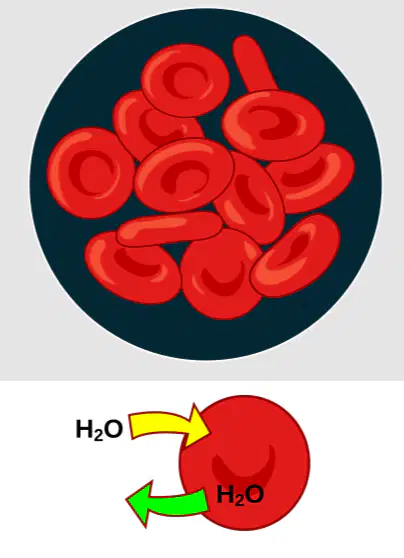
what state is this image in (where the solution is relative to the blood cell)
isotonic
hypertonic
hypotonic
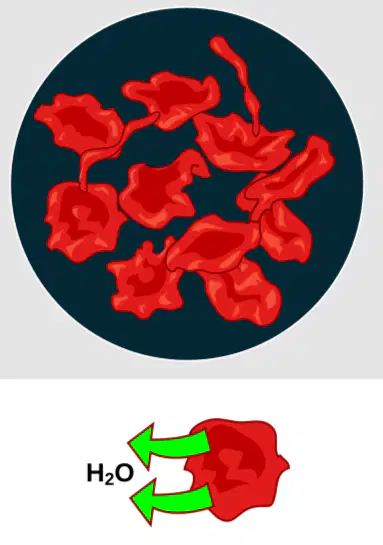
what state is this image in (where the solution is relative to the blood cell)
isotonic
hypertonic
hypotonic
what state is this image in (where the blood cell is relative to the solution)
isotonic
hypertonic
hypotonic
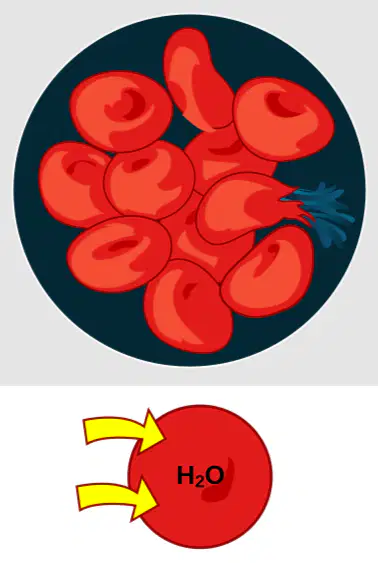
what state is this image in (where the solution is relative to the blood cell)
isotonic
hypertonic
hypotonic
what state is this image in (where the blood cell is relative to the solution)
isotonic
hypertonic
hypotonic
which type(s) of transport require energy
passive transport
diffusion
osmosis
facilitated diffusion
active transport
which type(s) of transport do not require energy
passive transport
diffusion
osmosis
facilitated diffusion
active transport
Utilize transport proteins (carriers) to move substances against their concentration gradient (from low to high concentration).
(a)
Active transport of a solute indirectly drives the transport of another solute (*use ATP to generate H+ concentration to then transport sucrose against its concentration gradient).
(a)
Large molecules cross the membrane in bulk via vesicles.
(a)
Vesicles migrate to the membrane, fuse with it, and release their contents.
(a)
The cell takes in macromolecules by forming new vesicles from the plasma membrane.
(a)
(Cellular Eating): A cell engulfs particles in a vacuole, where it reaches out for something specific
(a)
cellular drinking: extracellular fluid is gulped into tiny vesicles, where it "drinks" whatever flows in
(a)
The binding of ligands to receptors triggers vesicle formation.
(a)
which requires energy?
exocytosis
endocytosis
phagocytosis
pinocytosis
receptor mediated endocytosis
which requires energy?
bulk transport
cotransport
active transport
endo and exocytosis
facilitated diffusion
what protein: Allows passage of hydrophilic substances across the membrane.
(a)
what protein: Provides a corridor/continuous path that certain molecules or ions can use as a tunnel across the membrane
(a)
what protein: Binds to molecules and undergoes a subtle change in shape to shuttle them across the membrane
(a)
which transport moves from high to low concentration
diffusion
osmosis
facilitated diffusion
active transport
which transport moves from low to high concentration?
active transport
cotransport
bulk transport
endo and exocytosis
which transports do not have a specific concentration movement
cotransport
bulk transport
endocytosis
exocytosis
active transport
true or false: facilitated diffusion AND active transport use carrier proteins
true
false
true or false: facilitated diffusion AND active transport use channel proteins
true
false
true or false: cotransport uses proteins
true
false
what do bulk transport, endocytosis, exocytosis, pinocytosis, and phagocytosis use for transport
(a)
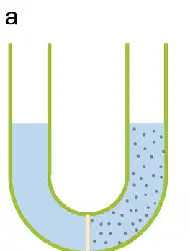
after a while, which side will have more water?
left
right

