
 Worksheets
Unit 2- iCEV Livestock External Components Quiz
Total questions: 36
Worksheet time: 18mins
Which external component of livestock is responsible for covering and protecting the body that also is used to brush away biting insects and flies?
Nares
Skin
Auricles
Tail
What is the largest organ on the body?
Heart
Liver
Skin
Brain
Which of the following is the outermost layer of the skin?
Dermis
Hypodermis
Epidermis
Subcutaneous
How many layers does the skin consist of?
Two
Three
Four
Five
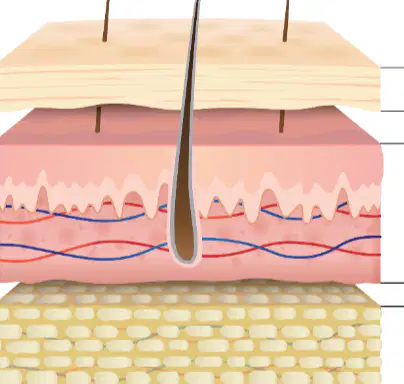
Which layer of the skin is directly beneath the epidermis?
Hypodermis
Subcutaneous
Dermis
Epidermis
How does the epidermis form?
By the fusion of cells
By the division of cells, which pushes other cells to the surface
By the absorption of nutrients
By the secretion of oils
What does the epidermis produce that forms hair, wool, hooves, and horns?
Collagen
Melanin
Keratin
Elastin
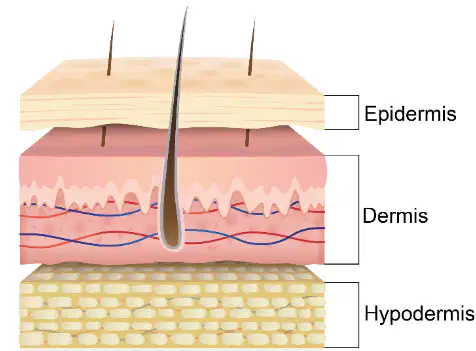
What pigment does the epidermis contain that is responsible for skin, fur, and wool pigmentation?
Hemoglobin
Chlorophyll
Melanin
Carotene
Which layer of the skin is responsible for supplying the epidermis with nutrient-saturated blood?
Epidermis
Dermis
Hypodermis
Stratum corneum
What structures are housed within the dermis?
Sweat glands and melanin
Hair follicles, nerve endings, and pressure receptors
Keratin and collagen
Fat cells and blood vessels
Which of the following is NOT a form in which keratin can be found in animals?
Hair and wool
Feathers
Blood
Hooves
Why do hair and wool differ compositionally?
Due to different melanin types
Due to different keratin types
Due to different collagen types
Due to different elastin types
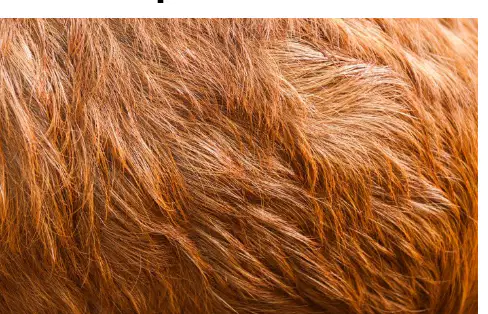
What is one of the functions of hair and wool?
To provide energy
To act as an insulator and regulate body temperature
To aid in digestion
To enhance vision
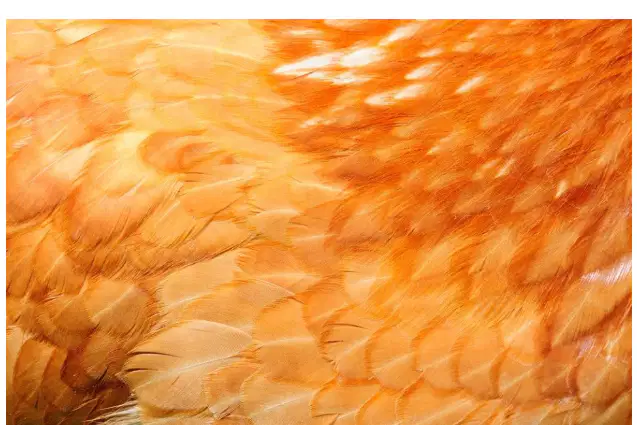
What is one of the primary functions of feathers in birds?
To provide camouflage
To assist in swimming
To provide efficient insulation and aid in flight
To store food
What is another term for a mammal with hooves?
Carnivore
Ungulate
Marsupial
Primate
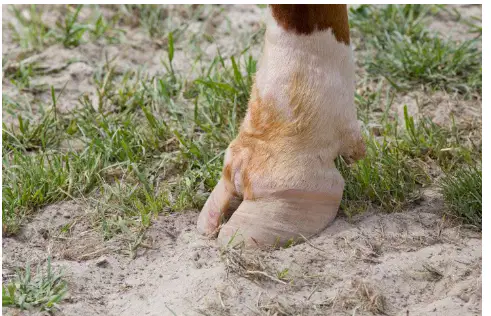
What is a smaller structured hoof farther up the leg of some mammals called?
Claw
Talon
Dewclaw
Paw
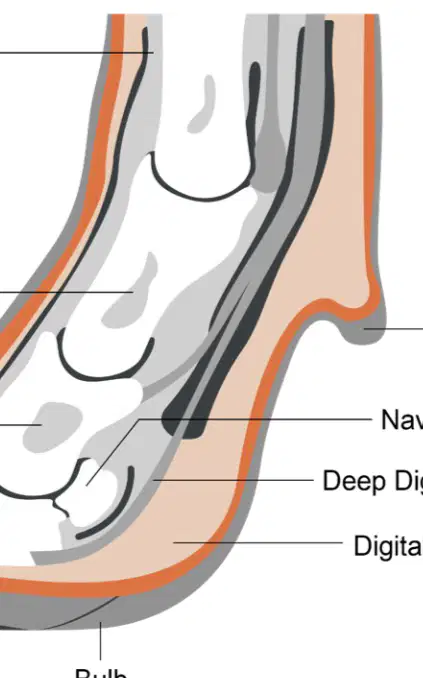
Which bone is located directly above the Coffin Bone in a cloven hoof?
Navicular Bone
Long Pastern Bone
Short Pastern Bone
Dewclaw
Which part of the uncloven hoof is located at the bottom and provides support?
Long Pastern Bone
Frog
Navicular Bone
Extensor Tendon
What are horns primarily composed of?
Cartilage core
Bone core
Muscle core
Fat core
Which of the following is NOT a use of horns in animals?
Fighting for dominance
Mating and courtship
Defense
Digging for food
Why are horns often removed early in an animal's life?
To enhance growth
To prevent injury and bruising
To improve appearance
To increase lifespan
What is the auricle?
The internal portion of the ear
The external portion of the ear
The middle portion of the ear
The auditory nerve
What are the two external openings of the nose that lead to the nasal cavity called?
Nares
Sinuses
Alveoli
Bronchi
What is the primary function of vibrissae?
Smell detection
Tactile or touch sensation
Sound amplification
Temperature regulation
Which creatures commonly possess vibrissae?
Reptiles
Birds
Mammalian creatures, including livestock
Fish
What is the function of the mammary papilla?
It leads to the mammary glands.
It aids in digestion.
It helps in respiration.
It is used for locomotion.
In which animals is the mammary papilla known as an udder?
Cats and dogs
Cows, sheep, and goats
Horses and donkeys
Lions and tigers
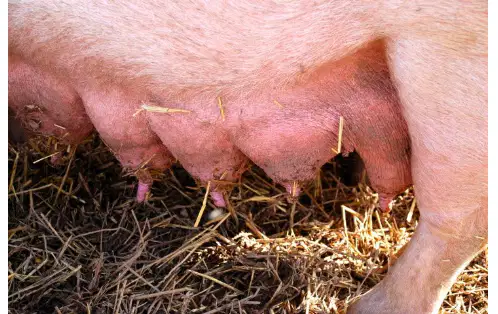
Can mammary papillae be found on both male and female mammals?
Yes
No
Only on females
Only on males
Which part of the body does the tail contain?
Lumbar vertebrae
Thoracic vertebrae
Coccygeal vertebrae
Cervical vertebrae
How does a tail help in social signaling?
By changing color
By making sounds
By indicating an animal’s emotion
By growing longer
What is the innermost region of the integumentary system?
Skin
Epidermis
Dermis
Hypodermis
Whats the 1st/outermost layer of the integumentary system? `
Epidermis
Dermis
Hypodermis
What is the 3rd/innermost layer of the integumentary system? `
Epidermis
Dermis
Hypodermis
What layer of the integumentary system acts as a physical barrier to water loss?
Dermis
Epidermis
Hypodermis
What layer of the integumentary system is responsible for regulating temperature?
Epidermis
Dermis
Hypodermis
What layer of the integumentary system is responsible for attaching the skin to muscle and bone?
Epidermis
Dermis
Hypodermis

