
 Worksheets
Energy Mega Review
Total questions: 180
Worksheet time: 9hrs 0mins


A ladybug moves from 2 cm to 7 cm in 25 seconds. What is the speed of the ladybug?
5 cm/sec
0.2 cm/sec
12 cm/sec
3.57 cm/sec
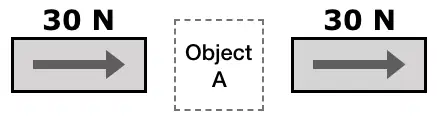
In which direction will the object move?
left
right
no change in motion
Balanced or unbalanced?
balanced
unbalanced
How do you calculate net force for this problem?
add
subtract
What is the net force?
60 N left
60 N right
O N and no change in motion
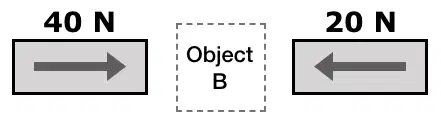
What is the net force?
20 N left
20 N right
60 N right
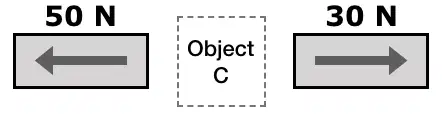
What is the net force?
20 N left
20 N right
80 N right
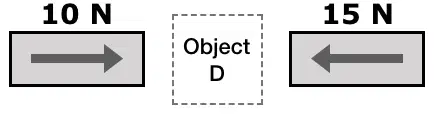
What is the net force?
5 N left
5 N right
0N and no change in motion
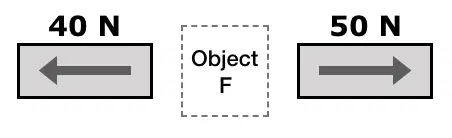
What is the net force?
10 N left
10 N right
90 N right
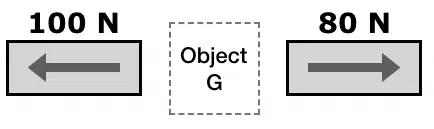
What is the net force?
20 N left
20 N right
180 N left
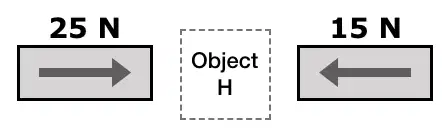
What is the net force?
10 N left
10 N right
40 N right
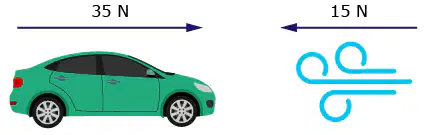
What is the net force?
20 N left
20 N right
50 N right
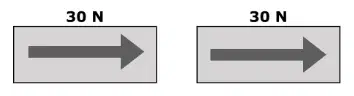
What is the net force?
60 N left
60 N right
0 N and no change in motion
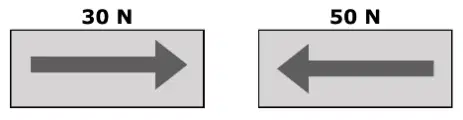
What is the net force?
20 N left
20 N right
80 N left

What force will cause a soccer ball to slow to a stop in the grass?
gravity
friction
applied force
normal force

________ pulls all objects toward the center of the Earth.
friction
gravity
applied
normal

Student tapping a pen on a desk
balanced
unbalanced
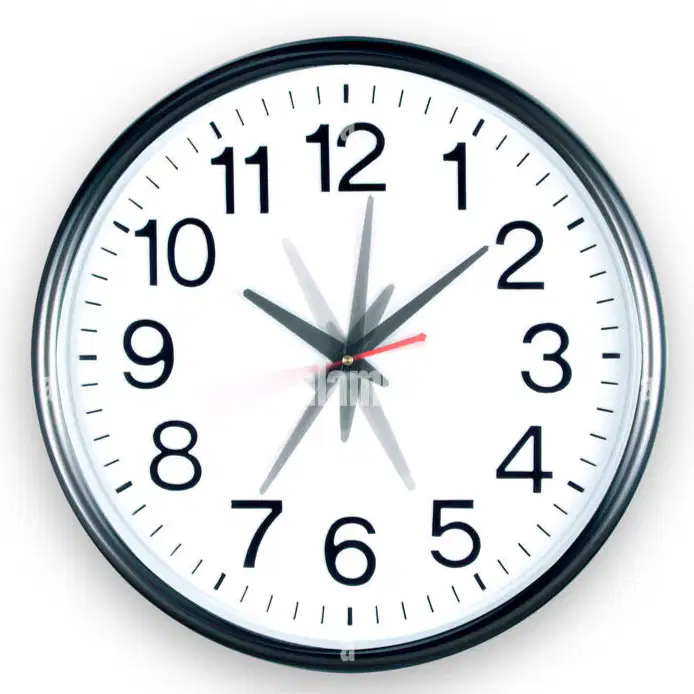
Clock hands moving
balanced
unbalanced

Books sitting on a shelf
balanced
unbalanced

Parked car
balanced
unbalanced

Car turning left on a road
balanced
unbalanced

What is the net force?
194 N left
204 N left
194 N right
204 N right

What is the net force?
43 N left
43 N right
133 N left
133 N right
What process in the natural world converts radiant energy into chemical energy?
respiration
condensation
diffusion
photosynthesis

In the diagram above, where is light energy converted to chemical energy?
A. Sun
B. Grass
C. Grasshopper
D. Hawk

In the diagram above, where is light energy converted to chemical energy?
marsh grasses and cattails
grasshoppers and marsh grasses
cattails and crickets
shrews and hawks

In the diagram above, where is light energy converted to chemical energy?
foxes
owls
mice
grasses

The energy transformation from the electrical outlet to the fan blades is –
A. electrical --> nuclear
B. thermal --> mechanical
C. electrical --> mechanical
D. mechanical --> thermal

The diagram below shows a pinwheel rotating above a lit candle. The arrows indicate the direction of air flow. Which energy transformation is best shown in this diagram?
A. Thermal to mechanical
B. Mechanical to light
C. Sound to heat
D. Thermal to light

Identify the energy transformation
chemical to mechanical
electrical to light and sound
electrical to thermal
light to chemical

Identify the energy transformation
chemical to mechanical
electrical to light and sound
electrical to thermal
light to chemical

Identify the energy transformation
chemical to mechanical
chemical to electrical to radiant
electrical to thermal
light to chemical

Identify the energy transformation
chemical to mechanical
chemical to electrical to radiant
electrical to thermal
light to chemical

Identify the energy transformation
chemical to mechanical
electrical to light and sound
electrical to thermal
light to chemical
Identify the energy transformation
chemical to mechanical
chemical to electrical to radiant
electrical to thermal
light to chemical

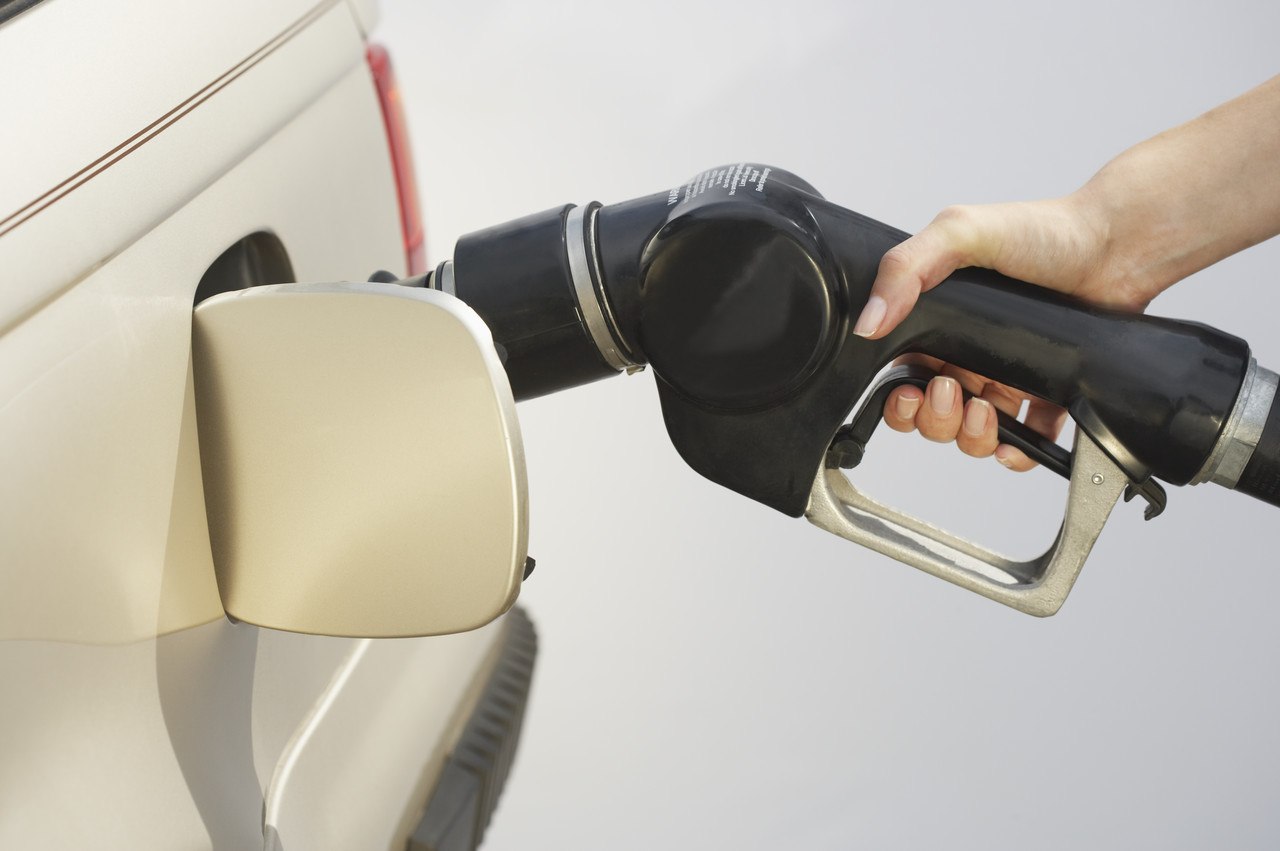
Gasoline for engines
chemical
mechanical
radiant (light)
sound

Food
chemical
mechanical
radiant (light)
sound

Sunlight
chemical
mechanical
radiant (light)
sound


What type of energy transformation occurs when using an electric pencil sharpener?
electrical to mechanical
sound to electrical
mechanical to electrical
potential to sound
The picture showing the energy conversion
Light → chemical
is:


Which of the following organisms regularly transforms radiant energy into chemical energy?
grass
cow
deer
human
The energy cows need to move about comes from the grass they eat. The energy in the grass is transformed from -
mechanical energy to radiant energy
radiant energy to chemical energy
electrical energy to thermal energy
chemical energy to mechanical energy
Food provides _____ energy for humans.
chemical
thermal
radiant
mechanical
Mammals maintain a constant body temperature by converting –
radiant energy to thermal energy
chemical energy to electrical energy
electrical energy to mechanical energy
chemical energy to thermal energy
Which of the following is an example of chemical energy being converted into mechanical energy in organisms?
Animals convert the food they eat to muscle movement.
The weathering of Earth's surface breaks down rock to make soil.
Lightning strikes dry vegetation in an open field and causes a fire.
Plants store energy collected from sunlight in sugar they produce.

At which point of the roller coaster is potential energy the greatest?
W
X
Y
Z
The faster an object moves, the ________ kinetic energy it has.
more
less

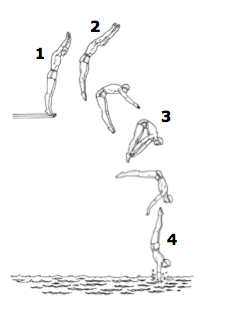

Where would this tossed baseball have the greatest amount of kinetic energy?
point W
point X
point y
point z
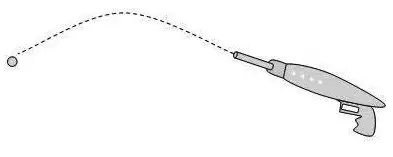
What causes the foam ball to fall to the ground?
friction
gravity
potential energy
normal force

What causes the football to follow a curved path as it is thrown?
friction and gravity
gravity and forward motion

If the skateboarder falls to the East, what direction will the skateboard move?
North
South
East
West
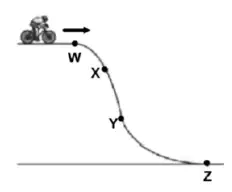
Where is kinetic energy greatest?
W
X
Y
Z
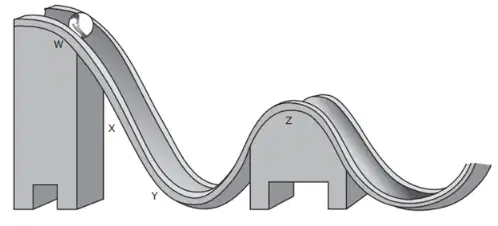
Where is kinetic energy greatest?
W
X
Y
Z
Where is potential energy greatest?
W
X
Y
Z
Where is potential energy the least?
W
X
Y
Z

When a jellyfish is swimming, their body is pushing DOWN against the water. In turn, the water pushes __________ against their body allowing them to swim.
DOWN
UP
FORWARD
BACKWARD

When a swimmer is swimming, their arms push BACKWARDS against the water. In turn, the water pushes __________ against their arms allowing the swimmer to swim.
DOWN
UP
FORWARD
BACKWARD

When Kyrie Irving dribbles, he pushes the ball DOWN against the court. In turn, the floor pushes __________ against the ball allowing it to bounce.
DOWN
UP
FORWARD
BACKWARD

The man in the black shirt made an unfortunate mistake. He pushed himself FORWARD to get off of the boat. In turn, the boat was pushed _______________. This was not good for others trying to get off the boat.
UPWARD
DOWNWARD
FORWARD
BACKWARD

When bumper cars collide, they hit with equal and opposite forces.
True
False
Complete the law:
For every action, there is an ____________ reaction.
equal and opposite
equal
opposite
bigger and better
Complete the statement:
When an object is pushed, it __________________ with an equal and opposite force.
always pushes back
pushes back if it has a larger mass
pushes back it if has a smaller mass
will not push back

Which of the following statements is true about action and reaction forces?
They act on the same object.
They are always equal in magnitude and opposite in direction.
They cancel each other out.
They act in the same direction.

A soccer ball breaks through a window. How does the force on the window compare with the force on the ball?
The ball experiences a greater force
The window experiences a greater force
The window and ball experiences forces equal in magnitude

How is this an example of Newton's 3rd Law?
Only his head is pushing on the ball
Only the ball is pushing on his head
Both the ball and the head are exerting equal force on each other

You push against a wall and the wall is pushing back on you.
Law of Inertia
Law of Acceleration
Law of Action Reaction
Acceleration (change in motion) is caused by
balanced forces
unbalanced forces

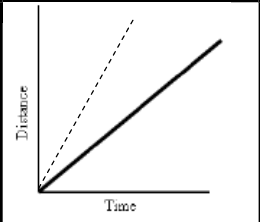
Which of the following statements best describes the motion displayed on the graph?
The object is moving at a constant speed.
The object is increasing in speed.
The object is not moving.
The object is decreasing in speed.

The graphs show the distance and time traveled by objects x and y. What statement are correct about the two objects?
Neither object is traveling at a constant speed and object x is traveling slower than object y.
Both are traveling at a constant speed but object x is traveling faster than object y.
Objects x and y are traveling at the same speed.
Objects x and y are speeding up over time.

The distance-time graph below represents the motion of a cart initially moving forward along a straight line.
*During which interval is the cart moving forward at constant speed?
Between points A and B
Between points B and C
Between points C and D
Between points D and E
Anna rides her bike to school every day. Today she rode her bike for 20 minutes, then stopped at the store for 5 minutes for a snack. She continued to ride her bike to school afterwards. Select the graph that accurately shows her movement.


Which object is traveling the fastest in the graph?
race car
cruising jet
flying eagle
galloping horse
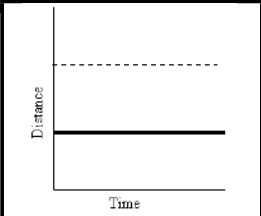


Why do the values on the graph form a straight line?
The speed is constant
The distance remains unchanged.
The direction of motion stays the same.
The speed gradually increases over time.

Describe the motion in the graph:
Constant Speed (positive slope)
Stopped (at rest)
Acceleration (increasing speed)
Return Home (negative slope)


Object is...
(1) speeding up,
(2) constant speed,
(3) speeding up
(1) constant speed.
(2) stopped,
(3) constant speed


At what point is the person not moving?
A and C
B and D
D and E
A and E

At what point is the person returning to the house?
A
B
D
E

Letter "C" shows ...
No movement
Steady increase in speed
A return home
a person walking away

The letter "A" shows...
A person returning to a starting point
A person walking away from a starting point
A person not moving
A person resting


What is happening at D?
stationary/no motion
Increasing speed
Fast, constant speed
returning to start
What is happening at C?
stationary/no motion
Increasing speed
Fast, constant speed
returning to start
What is happening at B?
stationary/no motion
Increasing speed
constant speed
returning to start
What is happening at A?
stationary/no motion
Increasing speed
constant speed
returning to start

How is this object moving?
Moving backward, slowing down, then stopping
Stopping, constant speed forward, then slowing down
Constant speed forward, slowing down, then stopping
Constant speed forward

The graph shows the distance a student walks down a hall over time. During which time interval was the student moving the fastest?
A
B
C
D
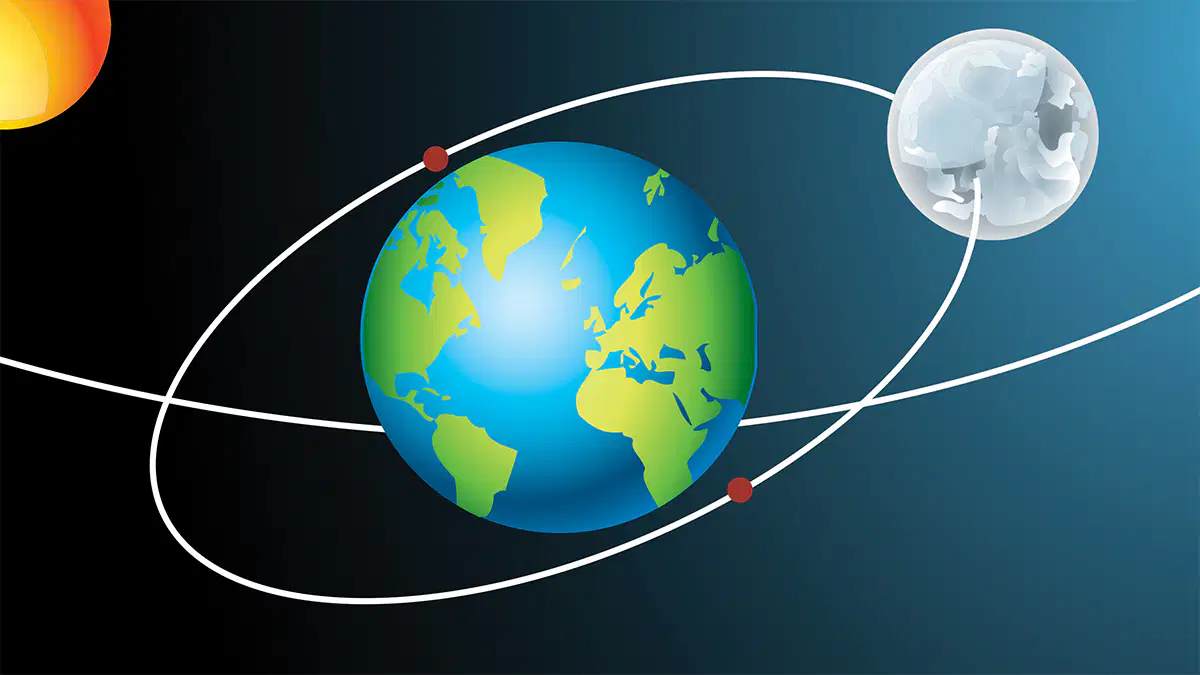
The moon orbiting the Earth at a constant speed.
Balanced Force
Unbalanced Force

A lamp sitting on a table.
Balanced Force
Unbalanced Force
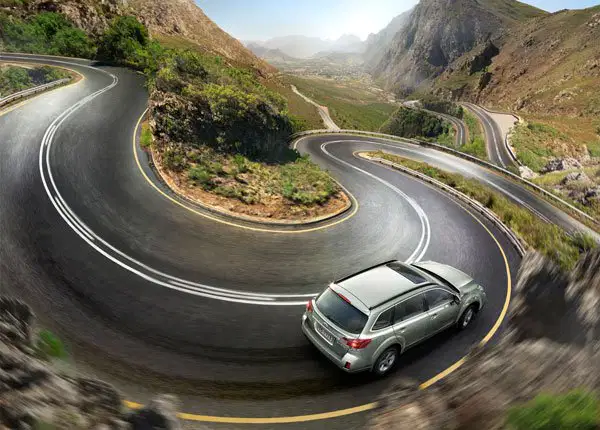
A car speeding up around a mountain curve.
Balanced Force
Unbalanced Force

Two ice skaters moving in a straight line at a constant speed.
Balanced Force
Unbalanced Force

A skier skiing side to side in a race down the mountain.
Balanced Force
Unbalanced Force

A book sitting on a shelf.
Balanced Force
Unbalanced Force

A gymnast on a balance beam doing a back flip.
Balanced Force
Unbalanced Force

Cars in a NASCAR race speeding around the track.
Balanced Force
Unbalanced Force

A soccer ball sitting on the ground motionless.
Balanced Force
Unbalanced Force

A rocket lifting off the launch pad.
Balanced Force
Unbalanced Force


A car drives with a constant speed of 80 miles per hour. How far can it travel in 180 minutes?
0.44 miles
240 miles
100 miles
80 miles

The formula for calculating speed is...(x means multiply; / means divide)
time x distance
distance x speed
distance / time
time / distance

How do you calculate time?
multiply distance and speed
distance divided by speed
speed divided time
divide distance and density then multiply by volume

Which EM waves have the longest wavelength?
radio
x-rays
ultraviolet
gamma rays
Which EM waves have the shortest wavelength?
radio
x-rays
ultraviolet
gamma rays
Which EM waves are have a SHORTER wavelength than visible?
radio
none
infrared
x-rays
Which EM waves are have the lowest frequency?
radio
none
infrared
x-rays
Which EM waves are have the highest energy & are the most dangerous?
radio
gamma rays
infrared
x-rays

Infrared waves
Radio waves
Visible light

The type of wave with the shortest wavelength and highest frequency. This type of wave is extremely harmful.
radio
infrared
gamma
x ray

The type of EM wave that is used to cook food. It has a higher frequency (and shorter wavelength) than radio waves.
radio
microwave
gamma
visible light


Which wave has the highest frequency?
A
B
C
None (same frequency)

Which wave in the diagram has the greatest frequency?
1
2
3
4

Which wave in the diagram has the greatest wavelength?
1
2
3
4

Which wave represents the sound with the lowest pitch?
A
B
C
D
If a sound wave has a high pitch, it has a ___.
high frequency
low frequency

Which wave carries more energy?
Wave A
Wave B



Which of the following is the correct chain of energy that takes place when a flashlight is turned on?
chemical => electrical => light
mechanical => electrical => light
nuclear => chemical => light
thermal => chemical => mechanical
What type of energy is food energy stored in your muscles?
mechanical
nuclear
thermal
chemical
Which of the following is the correct chain of energy that takes place when a flashlight is turned on?
chemical => electrical => light
mechanical => electrical => light
nuclear => chemical => light
thermal => chemical => mechanical
During energy transformations, energy is never ___.
released as heat
used to increase an object's potential energy
created or destroyed
completely transformed
The law of conservation of energy states ___.
electrical energy can be transformed into other forms
energy can be created and destroyed
energy is never created nor destroyed
what goes up must come down
Which of the following is a form of potential energy?
sound energy
chemical energy
mechanical energy
thermal (heat) energy

Turning the handle makes a current that causes the light bulb to glow. What are the energy transformations that happen in this hand generator?
Thermal → solar → light
Mechanical → electrical → light
Electrical → mechanical → light
Solar → light → electrical

A lamp that plugs into a wall socket draws energy, which flows through a thin wire in the bulb, causing it to heat up until it glows. What energy transformations are taking place?
Chemical → light → electrical
Mechanical → sound → light
Thermal → solar → electrical
Electrical → thermal → light

What type of energy is stored in a battery?
electrical
thermal
radiant
chemical
Which energy transformation occurs in a toaster?
electrical → thermal
chemical → thermal
nuclear → electrical
thermal → electrical

Is the energy in a battery, chemical or electrical (Not connected to any devices)?
electrical
chemical
thermal
eolic

What type of energy transformation in an electric hot plate is plugged in?
electrical to light
mechanical to electrical to light
thermal to mechanical to light
electrical to thermal
People get energy from the food that they eat and transform that energy as they move. Which energy transformations occur as a student rapidly rubs the palms of his hands together?
Mechanical → Thermal → Electrical
Chemical→ Mechanical → Thermal
Mechanical → Chemical → Sound
Chemical → Sound → Electrical
Which of the following devices transforms electrical energy into mechanical energy?


A basketball rolls 8 meters in 4 seconds.
Which expression would you use to calculate the speed?
8 m ÷ 4 s
8 m + 4 s
8 m − 4 s
8 m × 4 s

A basketball rolls 8 meters in 4 seconds.
What is the speed of the basketball?
2 m/s
4 m/s
12 m/s
32 m/s

The water in a stream moves 28 meters in 4 seconds.
Which expression would you use to calculate the speed?
28 m ÷ 4 s
28 m + 4 s
28 m − 4 s
28 m × 4 s

