
Font size
 Worksheets
Bio 1406 Unit 2 Review
Total questions: 58
Worksheet time: 4hrs 0mins
Label the parts of the cell membrane
Mitochondria
Makes energy (ATP)
Cell membrane
allows things in an out (selectively permeable)
Nucleus
Command center; houses DNA, boss
Vacuole
Storage bubble
Ribosomes on the ER
Make proteins
Why is the vacuole larger in plants?
They can't walk to water
Chloroplasts are...
in plants, green, and responsible for photosynthesis
The cell wall...
is outside the cell membrane and provides extra structure and support to plants
Mitochondria
Makes energy (ATP)
Cell Wall
outside the cell membrane; gives plants added structure
Nucleus
Command center; houses DNA, boss
Cytoplasm
The "gel" that holds it all together
Ribosomes on the ER
Make proteins
(a) have cell membranes, mitochondria, vacuoles, cytoplasm, endoplasmic reticulum, and a nucleus. Plant cells have ALL of those, a BIGGER (b) , and (c) .
Which of these are part of cell theory?
all cells come from other preexisting (living) cells
cells are the basic (most simple) unit of life
all living things are made of cells
humans are multicellular
organisms grow by increasing the size of their cells
Which line is pointing to the chloroplast?

Who looked at cork under a microscope, decided it looked like the cells in a monastery, and began calling them "cells"?
Which is pointing to the cell wall?
This is a plant cell. Select the two organelles that make plant cells different than animal cells.
Which is pointing to the nucleus?
Which is pointing to the vacuole?
Which of these are part of cell theory?
All living things are made of cells
Cells are the smallest unit of life
Cells come from other cells
Unicellular organisms are made of 1 cell
Multicellular organisms are made of 2 or more cells
Cells go through a life cycle called the Cell Cycle

Match the following:
stabilizes and maintains flexibility of cell membrane
Cholesterol
2 layers; allows small & non-polar molecules to pass through the membrane
Phospholipid bilayer
regulates what goes in and out of the cell
Plasma or Cell Membrane
allows large and polar molecules to pass through the membrane
Transport or Channel Proteins
located outside of the membrane; helps with cell communication and cell-to-cell connections
Carbohydrates (sugar chains)
Which of the following describes the cell membrane?
controls what enters and exits the cell
protects and provide structure to the cell
provides energy for the cell
transports proteins and lipids throughout the cell
helps the cell to move around

What is the fluid mosaic model?
describes the phospholipid bilayer only
describes the 4 parts of the cell membrane that can move around
describes the 4 parts of the cell membrane but they do not move around
describes the cellulose that provides structure and protection to the cell

What is the function of the transport and channel proteins of the cell membrane?
allows large molecules to pass through the cell membrane
allows small, non-polar molecules to pass through the cell membrane
identifies the cell and allow for cell-to-cell communication
stabilizes the fluidity of the cell membrane

What is the function of the phospholipid bilayer of the cell membrane?
allows large molecules to pass through the cell membrane
allows small, non-polar molecules to pass through the cell membrane
identifies the cell and allow for cell-to-cell communication
stabilizes the fluidity of the cell membrane
What is the function of the carbohydrates of the cell membrane?
allows large molecules to pass through the cell membrane
allows small, non-polar molecules to pass through the cell membrane
identifies the cell and allow for cell-to-cell communication
stabilizes the fluidity of the cell membrane

What is the function of the cholesterol of the cell membrane?
allows large molecules to pass through the cell membrane
allows small, non-polar molecules to pass through the cell membrane
identifies the cell and allow for cell-to-cell communication
stabilizes the fluidity of the cell membrane

Identify the structure in the diagram.
Phospholipid
Cholesterol
Triglyceride
Carbohydrate
Which part of the phospholipid is the hydrophilic portion (likes water)?
Glycerol
Fatty acids
Water
Glycogen
Which part of the phospholipid is the hydrophobic portion (repels water)?
Glycerol
Fatty acids
Water
Glycogen

In the diagram, what is letter A?
Phospholipid
Phospholipid bilayer
Cholesterol
Carbohydrate
Carrier or transport protein
In the diagram, what is letter G?
Phospholipid
Phospholipid bilayer
Cholesterol
Carbohydrate
Carrier or transport protein
In the diagram, what is letter E?
Phospholipid
Phospholipid bilayer
Cholesterol
Carbohydrate
Carrier or transport protein
In the diagram, what is letter H-I?
Phospholipid
Phospholipid bilayer
Cholesterol
Carbohydrate
Carrier or transport protein
In the diagram, what is letter C?
Phospholipid
Phospholipid bilayer
Cholesterol
Glycoprotein
Carrier or transport protein
What does ATP stand for?
Adenosine Biphosphate
Adenosine Triphosphate
Adenosine Tetraphosphate
Adenosine Monophosphate
Where is ATP formed in the cell?
Mitochondria
Nucleus
Endoplasmic reticulum
Golgi apparatus
What is the shape of an ATP molecule?


What does ADP stand for?
Adenosine Triphosphate
Adenosine Diphosphate
Adenosine Monophosphate
Adenosine Pentaphosphate
What happens to ATP during the ATP-ADP cycle?
ATP is converted into ADP and exothermic energy after a catabolic reaction.
ATP is converted into ADP and endothermic energy after a catabolic reaction.
ATP is converted into ADP and exothermic energy after a anabolic reaction.
ADP is converted into ATP and exothermic energy after a catabolic reaction.
What is the role of ATP in active transport across cell membranes?
ATP acts as a barrier to active transport across cell membranes.
ATP is not involved in active transport across cell membranes.
ATP is a waste product of active transport across cell membranes.
ATP provides energy for active transport across cell membranes.
Accurately label the events and parts of the cycle shown,
Energy is used
ADP
Phosphate from food added
Energy released
3rd phosphate broken off
ATP
Label all parts of the molecule shown.
Phospate 3
Ribose
Phospate 1
Adenine
Phospate 2
Where is the most energy stored in ATP?
What types of cellular processes require ATP as an energy source?
Active transport
Mitosis
Passive transport
Muscle contractions
What is the function of enzymes in the body?
change the shape of proteins during chemical reactions
lower the pH to prevent denaturation of proteins
Helps substances move across the cell membrane
speed up chemical reactions in living organisms without being consumed themselves
Organize these statements as being true or false
enzymes are highly specific to the substrate they bind to
enzymes reactions are not affected by substrate concentration
extreme temperatures can slow enzyme reaction rates
inhibitors increase enzyme activity
Non-competitive inhibitors change the shape of the enzyme
enzymes are types of carbohydrates
Competitive inhibitors block substrates from binding and do not alter the shape of the enzym
enzymes increase activation energy so reactions can happen faster
Organize these options into the right categories
diffusion
facilitated diffusion
osmosis
no energy needed
active transport
ATP needed

The Na+/K+ pump is what kind of cell transport? (you should know how many sodiums leave & potassiums enter)
active transport
facilitated diffusion
osmosis
simple diffusion
Match the following scientists
First coined the term "cells"
Robert Hooke
discovered bacteria & other microscopic life by creating powerful single-lens microscopes to observe microscopic life in great detail
Anton van Leeuwenhoek
Developed the original cell theory
Schwann & Schleiden
Detemined that cells come from other cells
Virchow
Organize these options into the right categories
no nucleus
circular DNA
flagella rotates like a propeller
flagella moves back and forth like a whip
nucleus
linear DNA
has organelles
no organelles

cell walls contain chitin or cellulose
cell walls contain peptidogly

Match the following
maintains homeostasis by controlling what enters and leaves the cell
plasma membrane
protein synthesis
ribosomes
makes and transports proteins
rough endoplasmic reticulum
makes lipids, membranes, and helps detoxify
smooth endoplasmic reticulum
can send proteins to other places within the cell or out of the cell
golgi body
Place the organelles into which type of cell they are found in
nucleus
cytoplasm
chloroplast
mitochondria
rough ER
smooth ER
peptidoglycan cell wall
ribosome
cell membrane
cell walls
cytoskeleton
golgi body
lysosome
vacuole
nucleoid region
Match the following cell junctions with their description
"watertight seal" or the stitching that binds cells together, creating a barrier
tight junction
form channels between adjacent cells, allowing for the direct passage of ions and small molecules & rapid (animals cells) communication
gap junctions
microscopic channels in land plant and algal cell walls that connect the cytoplasm of neighboring cells
plasmodesmata
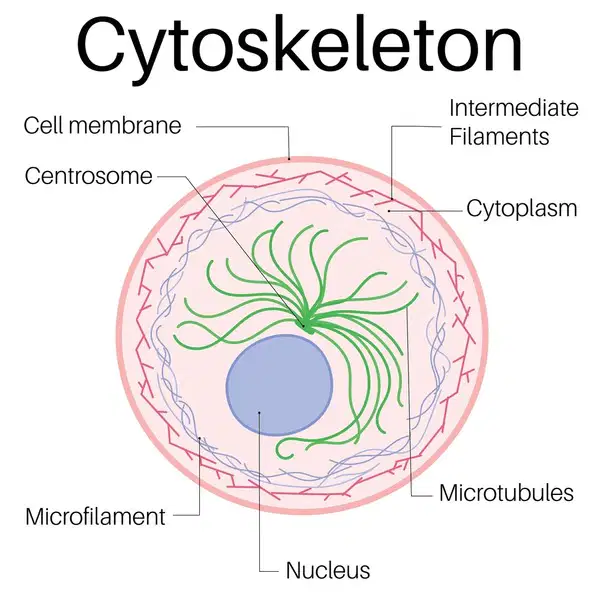
Match the following filaments of the cytoskeleton
cell movement, contraction, and helps with cell division
actin
structure, mechanical strength, & anchor
intermediate
cell shape, chromosome division during mitosis, moving organelles around cell
microtubule
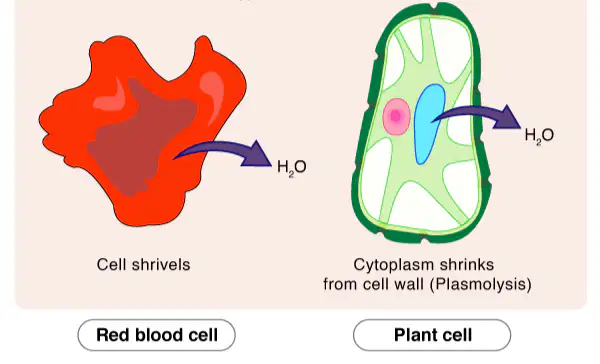
This pictures shows what type of solution?
hypertonic
hypotonic
isotonic
cytoplasmic
Organize these options into whether they are active or passive transport
uses ATP
does not use ATP
low to high concentration
high to low concentration
osmosis
phagocytosis
pinocytosis
small molecules such was oxygen gas
can pass through phosphlipid bilayer or through a integral protein
always uses an integral protein
sodium-potassium pump
In an oxidation-reduction reaction, the element that loses electron is
oxidized
reduced
Match the following
uses energy to build large molecules, such as synthesizing amino acids
anabolism
energy is released when large molecules are broken down
catabolism
all chemical reactions inside a living thing
metabolism
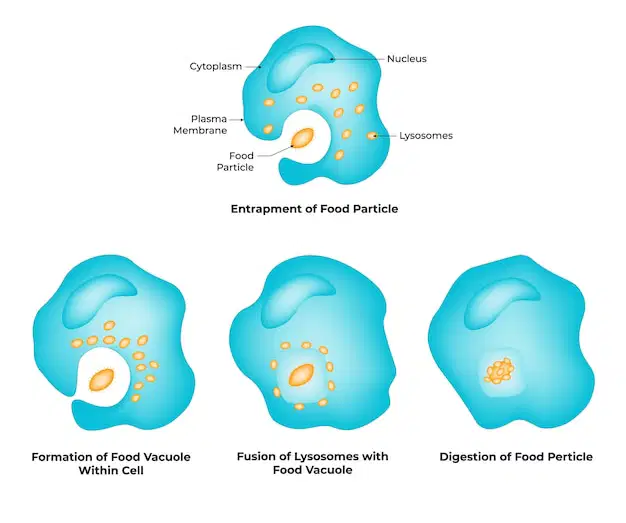
The process shown in this image is ___
osmosis
pinocytosis
phagocytosis
facilitated diffusion
Which of the following is true regarding energy in living things?
It is stored long term as ATP
ATP can only be used once in the cell
Some is lost as heat each time it is transferred
energy is released during endocytosis
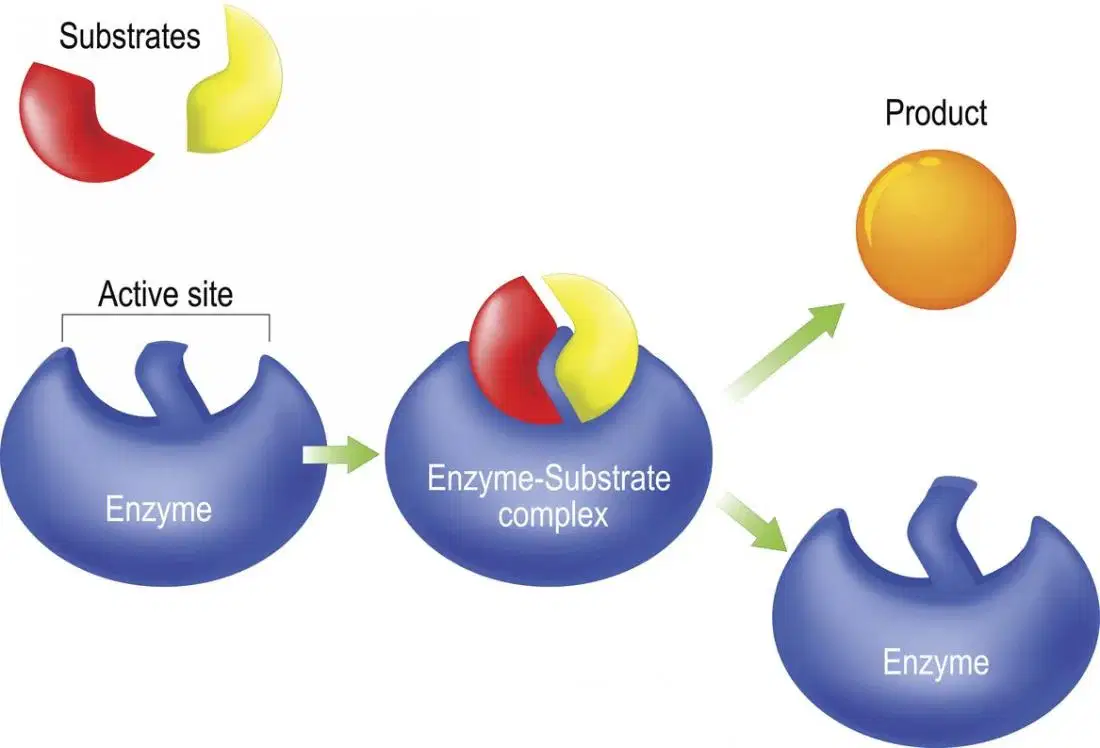
What is the function of enzymes?
to regulate the actions of hormones in the body
to increase the activiation energy of chemical reactions
to increase the formation of substrates
to lower the activation energy of chemical reactions
How are archea and bacteria cell walls different?
archea lacks peptidoglycan
bacteria lack peptidoglycan
archea have attached cilia
bacteria do not have cell walls
Which of these are found only the outside of the cell membrane?
integral proteins
glycolipids
protein channels
aquaporins

