
 Worksheets
Weathering, Erosion, and Soils Quiz
Total questions: 27
Worksheet time: 27mins
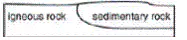
1. The diagram below shows a cross-section of a rock layer. Erosion is the main force acting on this area. After many years, which cross-section would most likely result?
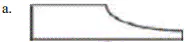

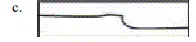

2. Water is a very important part of physical weathering of rock. Which of these properties of water is most important in causing some of the physical weathering of rock?
A. water is a liquid at room temperature
B. Water can contain different minerals.
C. Water expands when it freezes.
D. Water dissolves many chemicals
3. which of the following is the best evidence that an area of land was once covered by a glacier?
A. limestone
B. marine fossils
C. Abrasion of surface rocks
D. peeling slabs of rock
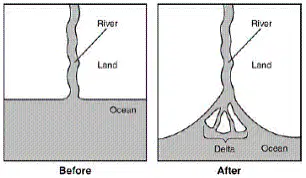
4. What process formed this delta?
A. erosion and deposition
B. Condensation and precipitation
C. Shifting tectonic plates
D. rock layer deformation
5. Which is most directly responsible for building up a river delta?
A. Erosion
B. Leaching
C. Subsidence
D. Deposition
6. Which is an example of organic weathering of rocks?
A. glaciers moving large pieces of fractured rock.
B. tree roots growing in a fractured rock.
C. ice freezing on a rock surface.
D. wind blowing against a rock surface.
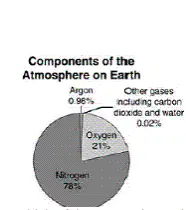
7. The graph shows the chemical composition of Earth's atmosphere. Which of these gases in Earth's atmosphere is most responsible for the chemical weathering of rock?
A. nitrogen
B. argon
C. oxygen
D. Hydrogen
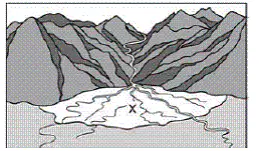
8. Why did the mountain stream deposit so much eroded soil in the area marked X?
a. The speed of the water increased there.
B. The speed of the water decreased there.
C. The water got colder there.
D. The water got warmer there.
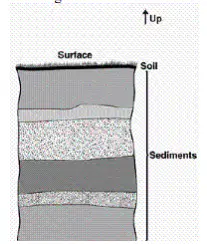
9. The diagram illustrates structures at and beneath Earth's surface. Which process formed the layers of sediments shown in the diagram?
a. subsurface volcanic activity
b. deposition of eroded material
C. crust folding and faulting
D. Crystallization of magma
10. Which process accounts for the expansion and contraction of rocks?
a. mechanical weathering
b. organic deposition
c. abrasion resistance
d. heat conduction
11. Which of these best describes how the surface of a beach is formed?
a. mechanical weathering
b. chemical weathering
c. mass movement
d. Volcanic eruption
12. Topsoil is considered to be most fertile when it has a
a. low pH level
b. low sand content
c. high organic matter level
d. high parent rock material level
13. Human actions can change the rate at which soil erodes. Which of the following would most likely slow the rate of soil erosion?
a. applying nitrogen-rich fertilizers
b. keeping grasses trimmed short
c. Building houses on stilts
d. Planting trees along cliffs.
14. Some forests develop after farmland is abounded. Grasses may overtaken by pine trees which are eventually replaced by hardwood trees. During this process, the soil also changes. Which change during this process is a form of chemical weathering?
a. water intake by trees reduces soil water content
b. recycled organic matter from trees lower soil pH.
c. Rocks broken apart by tree roots add texture to the soil
d. Increased shade from the tree canopy lowers soil temperature
Soil that drains slowly most likely has a high amount of
a. ash
b. sand
c. clay
d. peat
16. Which environment would most likely have rich, fertile soil?
a. a desert plain
b. a coastal beach
c. a mountain peak
d. a flood plain
17. Living organisms have a role in weathering and erosion in the ecosystem. Which statement describes the role of bacteria and fungi?
a. they hold soil in place during high winds
b. they decompose organic matter in the soil
c. they increase water access and flow and help aerate the soil
d. they grow within cracks of rocks, breaking the rock into small pieces.
A large quantity of heavy rain falling in a short time period will most likely
a. reduce the amount of nutrients in the soil
b. increase the number of minerals in the soil
c. reduce the oxygen levels in the soil
d. increase the temperature of the soil
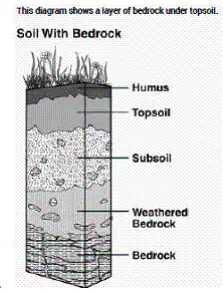
19. How can the type of bedrock under soil affect the characteristics of the soil?
a. by preventing soil erosion
b. by absorbing excessive rainwater
c. by contributing small rock particles to the soil
d. by providing surface area for nutrient accumulation
20. A gardener wants to increase the ability of garden soil to retain water. Which of these should the gardener add to the soil?
a. coarse sand
b. loose gravel
c. nitrogen pellets
d. organic material
21. Before rock can become soil, it must undergo certain processes. One process in the information of soil involves plants. How can plants chemically change rocks into soil?
a. They weather rocks with acid
b. They strip the rocks of minerals
c. they break rocks into small pieces
d. they increase the density of the rock
22. The finest-grained soils are the richest in
a. sand
b. humus
c. clay
d. iron

23. The table shows some of the characteristics of the soil in an area of land. Which characteristic of this area indicates that the soil was formed as a result of the interaction between organisms and their environment?
a. the area is flat
b. the soil color is dark brown
c. the soil contains humus
d. the soil feels gritty
25. A glacier retreats leaving bare rocks. Lichens begin to live on the rocks. The lichens produce an acid that starts to break down the rocks. How will this process affect the environment?
a. It will put acid into lakes and ponds
b. it will begin the process of building soil
c. It will prevent the carbon cycle from occurring
d. It will prevent bacteria from invading the ecosystems.
26. Which graph best relates soil particle size to the percent of water able to pass through the soil?
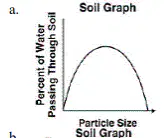
a.
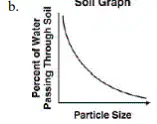
b.
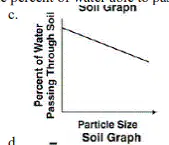
c.
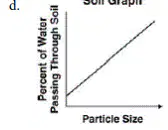
d.
27. The breakdown of rocks and minerals into smaller particles without a change in composition is called
a. Igneous Intrusion
B. Chemical precipitation
C. Mechanical weathering
d. Metamorphic foliation
28. Which of these describes forest soil?
a. More rock fragments in the humus layer than in deeper layers
b. More organic matter in the humus layers that in the deeper layers
c. More clay in the humus layers that in deeper layers.
d. More sand-sized particle in the humus layer than in deeper layers.

