
 Worksheets
Module 2 Review
Total questions: 57
Worksheet time: 50mins
Which of the following is a simple carbohydrate?
Glucose
Cellulose
Glycogen
Starch
Lipids are __________ and __________-rich.
Energy, fat
Protein, sugar
Water, vitamin
Fiber, mineral
At room temperature, saturated fats are typically:
Liquid
Solid
Gaseous
Plasma
Which organic molecule makes up the bulk of our cell membrane?
Carbohydrates
Lipids
Proteins
Nucleic Acids
Which monomer is incorrectly paired?
Protein: monopeptide
Carbohydrate: monosaccharide
Protein: amino acid
Nucleic Acid: nucleotide
What is the best way to obtain minerals for the body?
Taking supplements daily
Healthy balanced diet
Drinking only water
Avoiding all fats
Which of the following best describes minerals?
Organic substances produced by the body
Inorganic substances required by the body
Proteins that speed up reactions
Sugars used for energy
What is the primary purpose of an enzyme?
To store energy
To break down food into nutrients
To speed up chemical reactions in the body
To transport oxygen

What does the diagram illustrate about enzyme function?
Enzymes are used up in reactions
Enzymes break bonds in substrates to form products
Enzymes store energy for later use
Enzymes are only found in the stomach
Amylase, protease, lipase, and nuclease are located in which organ, and where are their products emptied?
Mouth; large intestine
Stomach; esophagus
Small intestine; small intestine
Pancreas; small intestine
Which of the following is NOT an accessory organ of the digestive system?
Salivary glands
Liver
Gallbladder
Kidney
Which of the following does NOT occur in the mouth?
Ingestion
Absorption
Digestion
At what point in the pathway of food is digestion complete?
Large intestine
Anus
Stomach
duodenum
Which part of the digestive system is responsible for the absorption of water?
Mouth
Stomach
Small intestine
Large intestine
Where does the final enzymatic breakdown of food molecules and the main absorption of food and water occur?
Stomach
Small intestine
Large intestine
Mouth
Explain how bile assists in the digestion of fats and why this is important for nutrient absorption.
Bile breaks down proteins, making them easier to absorb.
Bile neutralizes stomach acid, allowing enzymes to function.
Bile emulsifies fats, increasing their surface area for enzyme action and aiding absorption.
Bile absorbs water and minerals from food.
The trachea branches off into two large tubes in the lungs called.....
What gas do we exhale?
oxygen
helium
carbon dioxide
hydrogen
The flap of skin that prevents food and water to enter the trachea.
vocal cords
pharynx
larynx
epiglottis
What is the function of the respiratory system?
removes wastes from the body
provide us with oxygen and remove carbon dioxide
breaks down food for nutrients for the body
provides movement for the body
Where does oxygen initially enter into the body?
nose and mouth
eyes
brain
throat
What are the tiny air sacs where gas exchange occurs?
alveoli
bronchi
trachea
bronchioles
What is another name for the upper part of the throat?
bronchioles
pharynx
larynx
alveoli
What are the smaller tubes in the lungs?
epiglottis
alveoli
larynx
bronchioles
The function of the Urinary System is to...
filter wastes from your blood.
move food around your systems.
regulate the amount of water in your cells.
help the body move.
The bladder holds urine. True of False.
True
False
The kidney's job is to...
make bile.
store urine.
filter waste from blood.
release urine outside of the body.
The urethra is an organ that allows for...
storage of urine.
urine to exit the body.
urine to move from the kidney to the bladder.
bile to move from the liver to the gall bladder.

Which of the following is LEAST likely to dissolve in water?
nonpolar fats and oils
polar sugar molecules
salt made of a positive sodium ion and a negative chloride ion
all of the substances will dissolve easily in water

The hydrogen atoms in a water molecule are ________________ charged.
not
negatively
neutrally
positively

Arteries carry oxygen rich blood away from the heart.
True
False
Veins carry oxygen poor blood back to the heart.
False
True
How does the heart work?
It pumps blood first to the lungs, back to the heart and then around the rest of the body.
It pumps blood first to the rest of the body, back to the lungs and then to the heart.
It pumps blood around the rest of the body, back to the heart and then to the lungs,
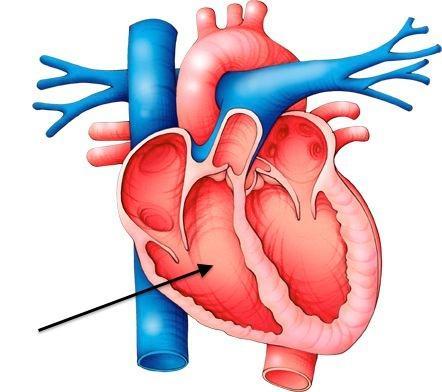
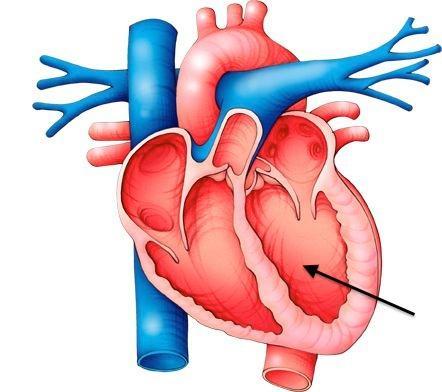
This chamber of the heart RECEIVES oxygen rich blood back from the lungs
Right Atrium
Left Atrium
Right Ventricle
Left Ventricle

What body system includes a transport system (blood) and a pump (the heart) that keeps the transport system moving?
Digestive System
Respiratory System
Circulatory System
Muscular System
Nervous System
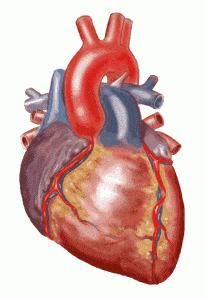
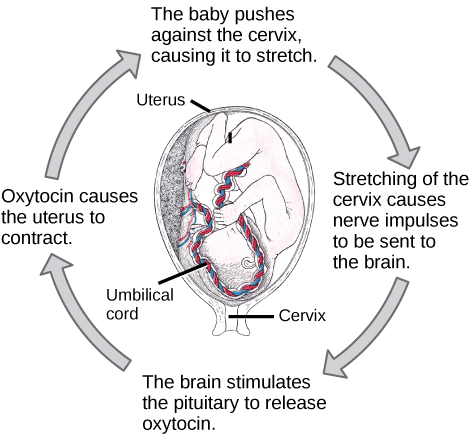
Negative feedback returns BACK to the set point
False
True
Positive Feedback loop
decreases the stimulus
increases the stimulus

