
 Worksheets
Q1 Test: Exploring Earth's Systems and Sustainability
Total questions: 50
Worksheet time: 28mins
Which of the following is considered a renewable energy source?
Coal
Solar
Natural Gas
Oil
What is the main process by which plants convert sunlight into chemical energy?
Respiration
Photosynthesis
Fermentation
Decomposition
Which of the following is NOT one of Earth's four main spheres?
Atmosphere
Hydrosphere
Lithosphere
Technosphere
What is the primary gas released during cellular respiration?
Oxygen
Carbon dioxide
Nitrogen
Hydrogen
Which of the following best describes a food web?
A single path of energy flow in an ecosystem
A network of interconnected food chains
The process of photosynthesis
The movement of water through the environment
Which cycle involves the movement of water between the atmosphere, land, and oceans?
Carbon cycle
Nitrogen cycle
Water cycle
Phosphorus cycle
Which of the following actions would most effectively reduce your carbon footprint?
Using plastic bags
Driving a gasoline car
Riding a bicycle
Eating more meat
Why is energy transfer between trophic levels in a food chain inefficient?
Energy is created at each level
Most energy is lost as heat
All energy is transferred to the next level
Energy is destroyed
Which resource is considered nonrenewable?
Wind
Solar
Coal
Geothermal
Which process removes carbon dioxide from the atmosphere?
Combustion
Photosynthesis
Respiration
Decomposition
A student observes that a pond ecosystem has many algae, few small fish, and even fewer large fish. Which statement best explains this observation?
Energy increases at higher trophic levels
Energy decreases as it moves up the food chain
All organisms have equal energy
Algae are at the top of the food chain
A community wants to switch from coal to wind energy. What is a potential environmental benefit of this change?
Increased air pollution
Decreased greenhouse gas emissions
More mining required
Higher carbon footprint
If deforestation increases in a region, how might this impact the carbon cycle?
More carbon dioxide is absorbed from the atmosphere
Less carbon dioxide is released
More carbon dioxide remains in the atmosphere
No effect on carbon levels


Photosynthesis is an important part of the ______ cycle
Carbon
Water
Phosphorus
Nitrogen


In cellular respiration, organisms need _____________ and release ___________.
Carbon Dioxide; Oxygen
Oxygen; Carbon Dioxide


In what way is photosynthesis and respiration related to each other?
The reactants of photosynthesis are the reactants of respiration.
The products of photosynthesis are the reactants of respiration.
The products of photosynthesis are the products of respiration.


What is a food chain?
a diagram with animals only
stages an organism goes through as it grows
the place where an organism lives
a diagram that shows which organisms transfer energy by eating and being eaten
What is the main function of decomposers in an ecosystem?
Store water in the soil
Consume producers directly
Break down dead organisms and recycle nutrients
Produce energy from sunlight
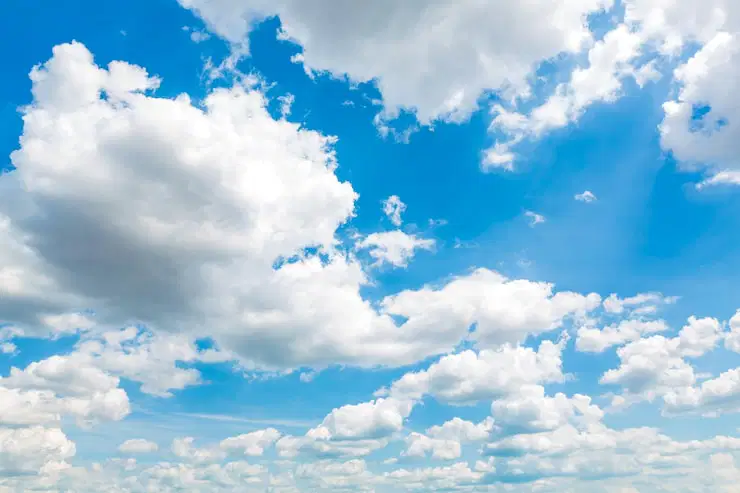
Which process in the water cycle is responsible for clouds forming in the atmosphere?
Condensation
Precipitation
Infiltration
Evaporation

What two elements make up water?
Helium and Oxygen
Helium and Carbon
Hydrogen and Oxygen
Oxygen and Carbon
What word describes when water is attracted to other substances?
cohesion
capillary action
adhesion
surface tension
Why does water move from the roots to the leaves of plants?
Water is pushed by solutes
Water is pulled by gravity
Water’s cohesion causes it to “pull” towards the leaves
Capillary action pulls the water molecules like a chain

Why does ice float?
As water freezes, it expands and its density decreases.
As water freezes, air becomes trapped between the hydrogen bonds of water molecules.
As water freezes, it takes up more hydrogen from the atmosphere, causing it to have a greater buoyancy.
As water freezes, it takes up more oxygen from the atmosphere, causing it to have a greater buoyancy.
Water is polar because...
The molecule has two poles, at which the it is colder than other regions of the molecule.
The unequal sharing of electrons gives the water molecule a slight negative charge near its oxygen atom and a slight positive charge near its hydrogen atoms.
The water molecule is neutral.
The unequal sharing of electrons gives the water molecule a slight negative charge near its hydrogen atoms and a slight positive charge near its oxygen atom.
Water is a universal solvent because it...
It freezes when it gets cold
Dissolves most substances
floats when frozen
It can be found anywhere
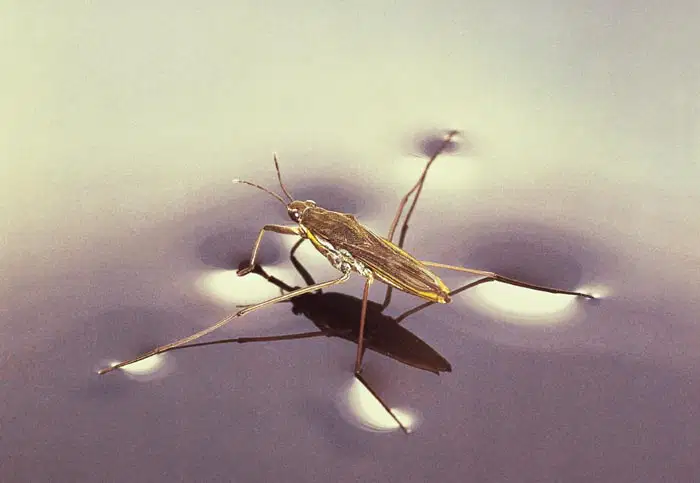
The tightness across the surface of water that enables insects to walk on water is ____________.
adhesion
cohesion
surface tension
capillary action
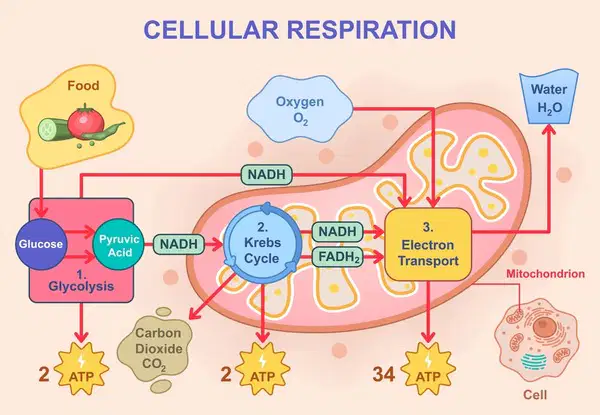
Cellular respiration occurs in which organelle in plant and animal cells?
cytoplasm
mitochondria
cell membrane
nucleus
What is the role of bacteria in the nitrogen cycle?
burn carbon dioxide
decay organisms
produce sugars
convert nitrogen
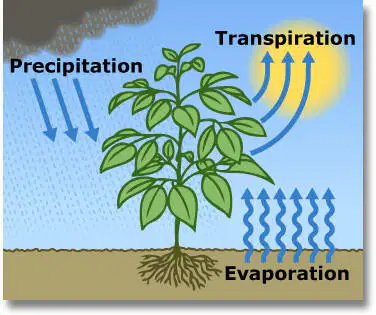
Which of the following is evaporation of water from plants?
precipitation
transpiration
evaporation
uplift
The Phosphorus cycle is important because phosphorus is contained in
sugars
proteins
DNA
starches
Ammonification is the process by which decomposers convert wastes and dead organisms into ____.
ammonium
NH4+
Nitrite
NO2-
Nitrate
NO3-
nitrogen gas
N2
Hydrophilic means that a substance:
hates water
likes water
Hydrophobic means that a substance:
hates water
likes water

Produces energy in the form of ATP for the cell.
chloroplast
ribosom
mitochondria
nucleus

Selectively permeable barrier that controls what enters and leaves the cell.
cell membran
cytoskeleton
cell wall
rough ER

Controls cell functions because DNA is stored here.
nucleolus
ribosome
nucleus
chloroplast
Site of protein synthesis.
chloroplast
cell membrane
nucleus
ribosome
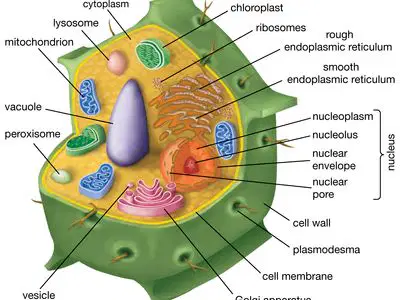
Rigid, nonliving support structure made of cellulose.
cell membrane
cell wall
lysosome
ribosome
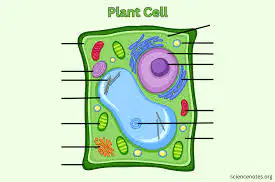
Which 2 organelles are only found in plant cells?
chloroplast and mitochondria
mitochondria and cell wall
chloroplast and cell membrane
chloroplast and cell wall
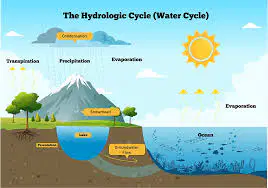
The process by which water moves through the soil
evaporation
condensation
percolation
precipitation
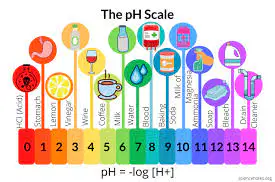
What does pH measure?
Concentration of hydrogen ions H+
The amount of liquid in the test tube.
Concentration of hydronium ions OH-
the amount of pollution in water
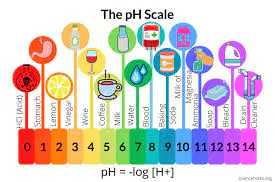
Neutral solutions have a pH of
2
7
0
A neutral solution does not have a pH
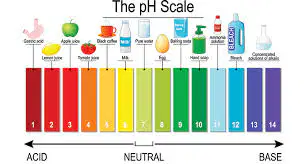
An acid’s pH is between :
0 to 6
8 to 14
7
1-10

