
Font size
 Worksheets
Understanding Stress
Total questions: 17
Worksheet time: 1hrs 25mins
What is the definition of stress?
The human reaction to events in our environment
A physical injury caused by external forces
A type of mental illness
A form of exercise

Aria just received a promotion at work and feels excited and motivated by the new responsibilities. What type of stress is Aria experiencing?
Negative stress
Good stress
Physical stress
Emotional stress
Which of the following is an example of eustress?
Losing a job
Getting into college
Failing a test
Missing a flight
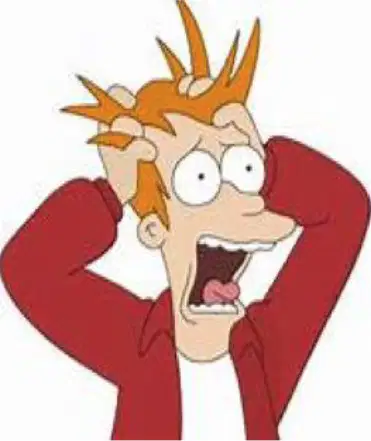
William has been feeling overwhelmed because of too many assignments and arguments with friends. What is the type of stress he is experiencing called?
Stress from positive sources
Stress from bad sources
Stress from exercise
Stress from relaxation
Which of the following is NOT a source of distress?
Threat of personal injury
Overwhelming school work
Difficult home environment
Relaxing with friends
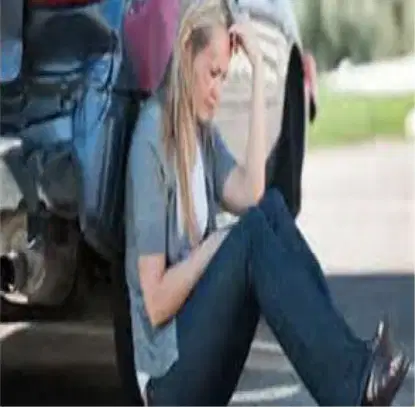
What is an example of Acute Traumatic Stress?
Losing a job
Car wreck
Moving to a new city
Starting a new school
After witnessing a car accident, Emma begins to experience symptoms of Acute Traumatic Stress. What is she most likely to feel?
Happiness
Considerable distress
Excitement
Calmness
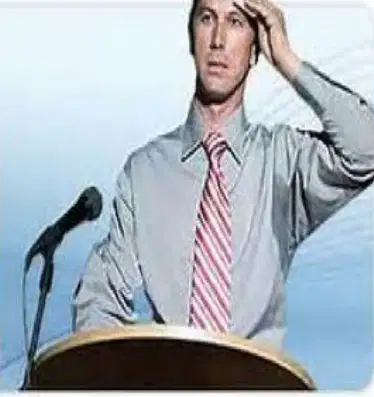
James is about to give an important presentation in front of a large audience. He notices his palms are getting sweaty. Which of the following is a short-term physical stress symptom that James is experiencing?
Increased sweating
Decreased heart rate
Improved concentration
Enhanced relaxation
Mia has been feeling overwhelmed with schoolwork and decides to ignore her stress, hoping it will disappear. What is a common misconception Mia might have about ignoring stress?
It will go away completely.
It will help you manage stress better.
It will make you more productive.
It will improve your relationships.
Emma has been feeling stressed about her upcoming exams. What is a healthy way for her to cope with stress?
Talking to a trusted friend
Overeating junk food
Ignoring your feelings
Staying up all night
Which of the following situations is most likely to cause distress?
Winning a competition
Receiving a compliment
Going on vacation
Failing an important exam
What is a stressor?
A disease
An irritant
Your little brother or sister
A source or cause of stress.
Charlotte is feeling overwhelmed with her workload at school. She knows she can't always change what happens, but she wants to handle her stress better. Which is correct?
You can control what stresses you
You can control how your body reacts to stress
You can control outcomes of things
You can control how you deal with stress
Benjamin has been feeling upset lately. What is a healthy way for him to deal with his emotions?
Hiding them from everyone
Expressing them through talking to others in person
Keeping them bottled up
Ignoring them
Benjamin is feeling very upset after a disagreement with a friend. What are some coping skills Benjamin could use to manage his emotions?
Counting to 10
Yelling at someone when your angry
Controlling your breathing
Go for a walk
Taking a break and then coming back to the task
Anika is preparing for an important exam and notices that her stress levels are increasing. What strategy would be most effective in identifying the specific triggers of her stress?
Continue studying without breaks to cover more material.
Keep a journal for a week, noting when she feels most stressed and what she was doing at the time.
Ask friends if they think she looks stressed.
Sleep less to find more time for studying.
Grace often feels anxious before exams and notices her heart racing and breathing becoming shallow. How can understanding the physiological stress response help Grace manage her exam anxiety?
By ignoring physical symptoms to focus better on the exam.
By using relaxation techniques to control heart rate and breathing when symptoms arise.
By increasing caffeine intake to stay alert.
By studying harder to avoid the feeling of unpreparedness.

