
 Worksheets
Quiz on Oxides
Total questions: 63
Worksheet time: 32mins
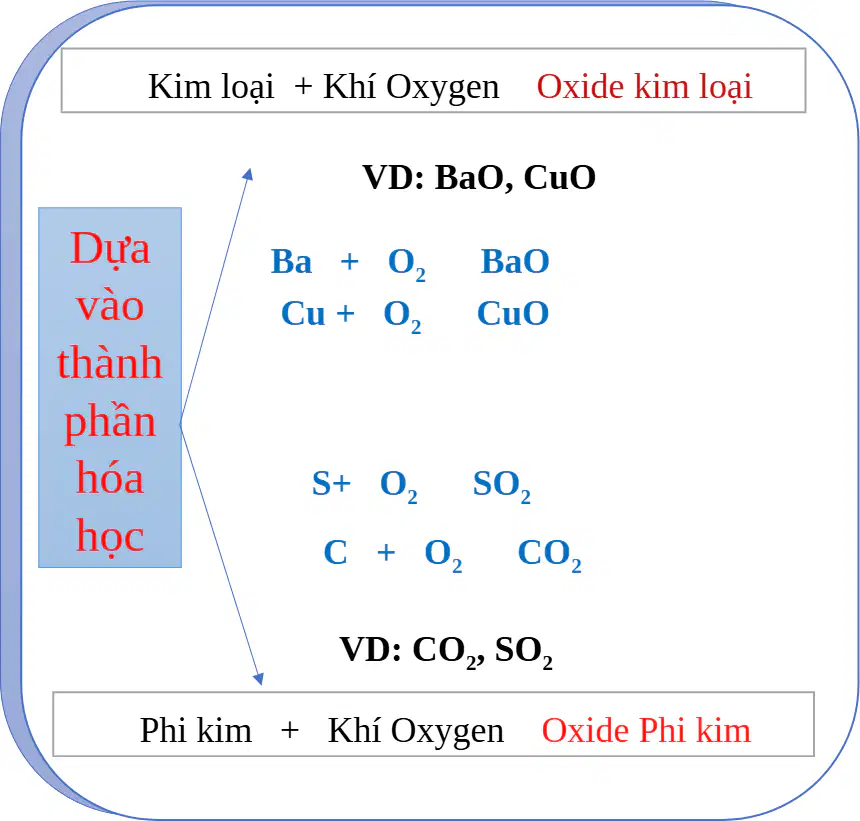
What is formed when a metal reacts with oxygen?
Metal oxide
Non-metal oxide
Water
Salt
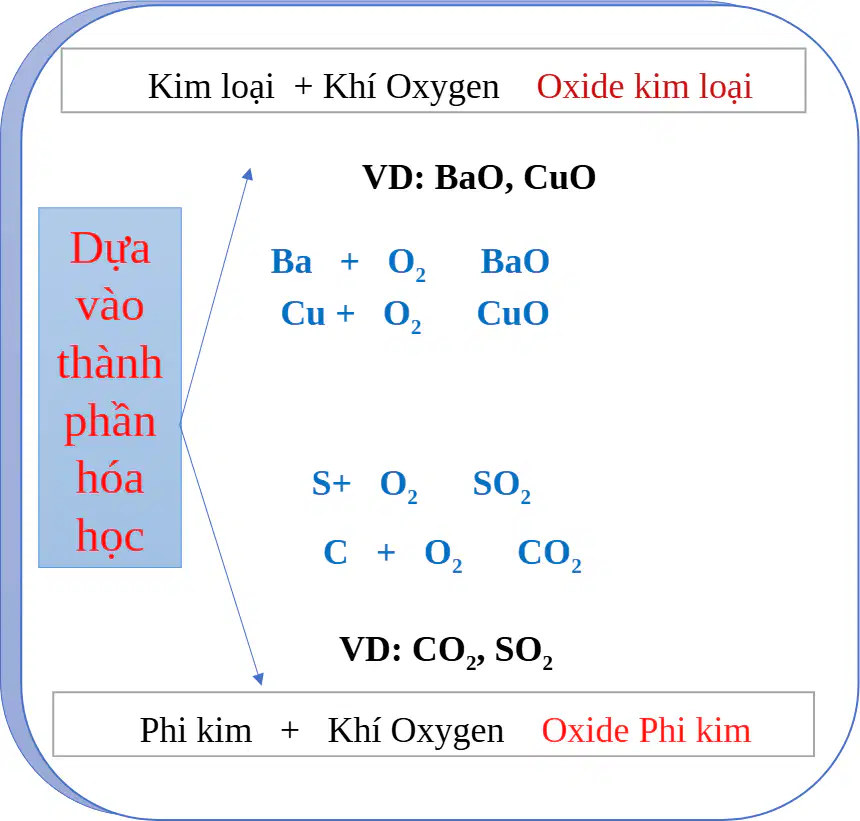
Which of the following is an example of a non-metal oxide?
BaO
CuO
CO₂
ZnO
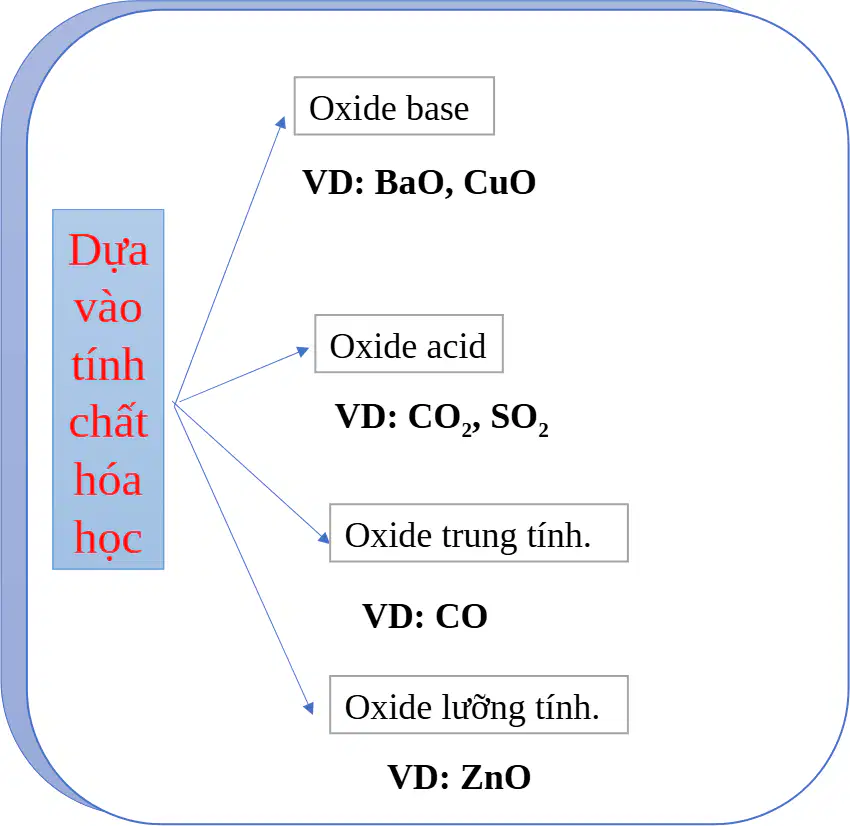
What type of oxide is CO?
Acidic oxide
Neutral oxide
Basic oxide
Amphoteric oxide
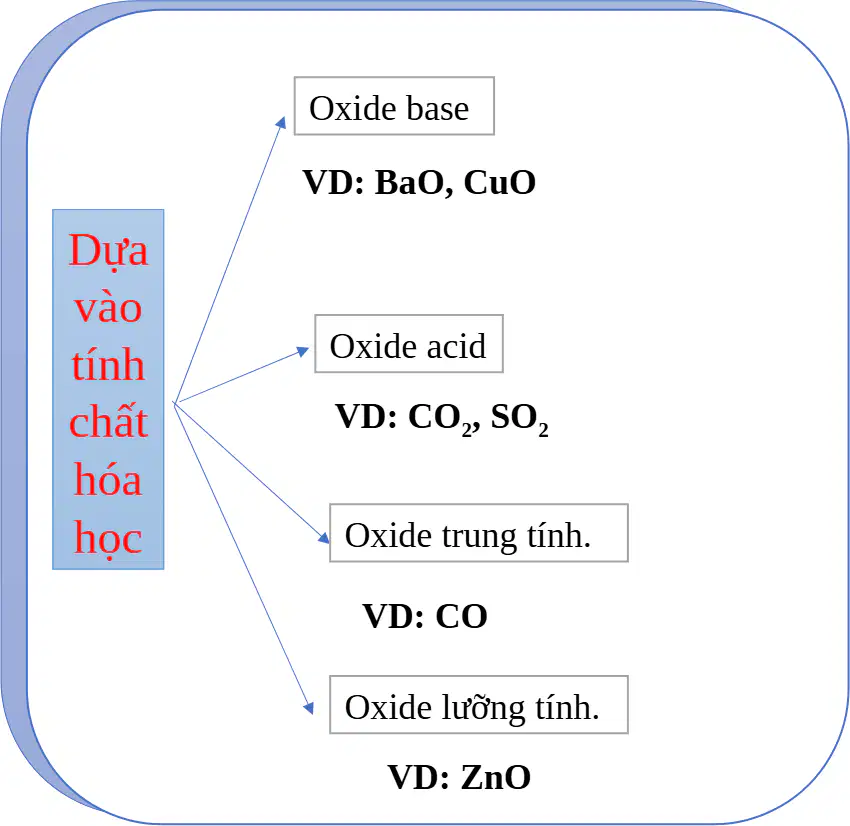
Which oxide is an example of an amphoteric oxide?
CO₂
SO₂
ZnO
BaO
What type of oxide reacts with acids to form salt and water?
Oxide base
Oxide acid
Oxide lưỡng tính
Oxide không tác dụng
Which type of oxide reacts with bases to form salt and water?
Oxide base
Oxide acid
Oxide lưỡng tính
Oxide không tác dụng
What is the characteristic of an oxide that reacts with both acids and bases?
Oxide base
Oxide acid
Oxide lưỡng tính
Oxide không tác dụng
Which type of oxide does not react with either acids or bases?
Oxide base
Oxide acid
Oxide lưỡng tính
Oxide không tác dụng
What is an oxide composed of?
Two oxygen atoms
Two hydrogen atoms
Two chemical elements, one of which is oxygen
Two nitrogen atoms
How are oxides classified based on their chemical composition?
Metal oxides and non-metal oxides
Acidic oxides and basic oxides
Neutral oxides and amphoteric oxides
Organic oxides and inorganic oxides
How many types of oxides are there based on their chemical properties?
Two types
Three types
Four types
Five types
Which of the following is not a type of oxide based on chemical properties?
Oxide base
Oxide acid
Oxide neutral
Oxide organic
What is an oxide?
A) A compound of oxygen with another element
B) A compound of hydrogen with another element
C) A compound of nitrogen with another element
D) A compound of carbon with another element
Which of the following is an example of a base oxide?
A) CuO
B) CO₂
C) SO₃
D) NO
What type of oxide reacts with both acids and bases to form salts and water?
A) Neutral oxide
B) Acidic oxide
C) Amphoteric oxide
D) Basic oxide
Which oxide does not react with acids or bases to form salts and water?
A) CO
B) ZnO
C) Al₂O₃
D) Na₂O
Which of the following is a basic oxide?
SO₃
Al₂O₃
Na₂O
N₂O
Identify the acidic oxide from the list below.
Na₂O
SO₃
Al₂O₃
N₂O
Which oxide is classified as amphoteric?
Na₂O
SO₃
Al₂O₃
N₂O
What type of oxide is N₂O?
Basic oxide
Acidic oxide
Amphoteric oxide
Neutral oxide
What is the correct name for the compound ZnO?
Zinc oxide
Zinc (II) oxide
Zinc (III) oxide
Zinc (IV) oxide
How is the name of an oxide with a metal that has multiple valencies determined?
Element name + oxide
Element name (valency) + oxide
Element name + oxygen
Element name (number of atoms) + oxide
What is the correct name for the compound Fe₂O₃?
Iron oxide
Iron (II) oxide
Iron (III) oxide
Iron (IV) oxide
Which of the following is the correct name for CuO?
Copper oxide
Copper (I) oxide
Copper (II) oxide
Copper (III) oxide
What is the prefix used for the number 3 in chemical nomenclature?
Mono
Di
Tri
Tetra
How would you name the compound SO₂ using the given prefixes?
Sulfur monoxide
Sulfur dioxide
Sulfur trioxide
Sulfur tetraoxide
What is the correct name for the compound P₂O₅?
Phosphorus pentoxide
Diphosphorus monoxide
Diphosphorus pentoxide
Phosphorus dioxide
Which prefix is used for the number 5 in chemical nomenclature?
Mono
Tetra
Penta
Hexa
What is an oxide?
A) A compound of oxygen with another element
B) A compound of hydrogen with another element
C) A compound of nitrogen with another element
D) A compound of carbon with another element
Which of the following is an example of a basic oxide?
A) CO₂
B) Na₂O
C) SO₃
D) P₂O₅
What type of oxide reacts with acids to form salts and water?
A) Acidic oxide
B) Basic oxide
C) Neutral oxide
D) Amphoteric oxide
Which oxide is known to react with both acids and bases?
A) Neutral oxide
B) Basic oxide
C) Acidic oxide
D) Amphoteric oxide
Identify an example of an acidic oxide from the following.
A) ZnO
B) Al₂O₃
C) CO₂
D) Na₂O
What is the chemical formula for copper(II) oxide?
CuO
Cu2O
Cu(OH)2
CuCl2
What is the chemical formula for hydrochloric acid?
H2SO4
HCl
HNO3
H2O
What type of reaction occurs when CuO reacts with HCl?
Combustion
Decomposition
Neutralization
Synthesis
What is the color of the solution obtained when CuO reacts with dilute HCl?
Red
Blue
Green
Yellow
What evidence indicates a chemical reaction between CuO and dilute HCl?
Formation of a red precipitate
CuO dissolves, forming a blue solution
Release of a gas
Temperature decrease
What is the molecular formula of the copper (II) salt formed in the reaction between CuO and dilute HCl?
CuCl
CuCl₂
Cu₂Cl
Cu₂Cl₂
What is the product formed when a base oxide reacts with an acid solution?
Salt and water
Acid and base
Metal and gas
Salt and gas
In the reaction CuO + 2HCl → CuCl₂ + H₂O, what is CuO classified as?
Acid oxide
Base oxide
Neutral oxide
Amphoteric oxide
What is the product of the reaction between H₂SO₄ and MgO?
MgSO₄ and H₂O
MgCl₂ and H₂O
MgO and H₂
MgSO₃ and H₂O
Which compound is formed when H₂SO₄ reacts with CuO?
CuSO₄ and H₂O
CuCl₂ and H₂O
CuO and H₂
CuSO₃ and H₂O
What are the products of the reaction between HCl and Fe₂O₃?
FeCl₃ and H₂O
FeCl₂ and H₂O
FeO and H₂
Fe₂Cl₃ and H₂O
What is the product when a base oxide reacts with an acid solution?
Salt and water
Acid and base
Metal and gas
Salt and gas
What is the chemical equation for the reaction between CuO and HCl?
CuO + 2HCl → CuCl₂ + H₂O
CuO + HCl → CuCl + H₂
CuO + H₂O → Cu(OH)₂
CuO + H₂ → Cu + H₂O
What is the chemical formula for calcium carbonate?
CaCO₃
CO₂
H₂O
NaCl
What gas is commonly produced when calcium carbonate reacts with an acid?
Oxygen
Nitrogen
Carbon dioxide
Hydrogen
What is the purpose of the setup shown in the diagram?
To measure temperature
To conduct a chemical reaction
To filter a solution
To distill water
What is the chemical formula of the white precipitate formed in the experiment?
CaCO₃
NaCl
H₂O
CO₂
What gas is introduced into the limewater solution in the experiment?
O₂
CO₂
N₂
H₂
What is the purpose of using a rubber stopper in the experiment?
To measure the volume
To prevent gas escape
To heat the solution
To stir the solution
What is the main observation when CO₂ is added to the limewater solution?
The solution turns blue
A white precipitate forms
The solution boils
The solution turns red
What is the product when a base oxide reacts with an acid solution?
Salt and water
Acid and base
Salt and gas
Base and water
What is the chemical equation for the reaction between CuO and HCl?
CuO + 2HCl → CuCl₂ + H₂O
CuO + HCl → Cu + H₂O
CuO + HCl → CuCl + H₂
CuO + 2HCl → Cu + Cl₂
What is formed when an acid oxide reacts with a base solution?
Salt and water
Acid and gas
Base and water
Salt and acid
What is the chemical equation for the reaction between CO₂ and Ca(OH)₂?
CO₂ + Ca(OH)₂ → CaCO₃ + H₂O
CO₂ + Ca(OH)₂ → CaO + H₂O
CO₂ + Ca(OH)₂ → CaCO₃ + CO₂
CO₂ + Ca(OH)₂ → Ca + H₂O
What is the product when KOH reacts with SO₂?
K₂SO₃ + H₂O
K₂CO₃ + H₂O
K₂SO₄ + H₂O
K₂O + H₂O
Which compound is formed when KOH reacts with CO₂?
K₂SO₃ + H₂O
K₂CO₃ + H₂O
K₂SO₄ + H₂O
K₂O + H₂O
What is the product when KOH reacts with SO₃?
K₂SO₃ + H₂O
K₂CO₃ + H₂O
K₂SO₄ + H₂O
K₂O + H₂O
What is one of the main uses of sulfur dioxide (SO₂) in industry?
To produce sulfuric acid (H₂SO₄)
To create plastic materials
To manufacture glass
To produce fertilizers
How does sulfur dioxide (SO₂) help in the wine industry?
It enhances the flavor of the wine
It acts as an antioxidant and inhibits some bacteria
It increases the alcohol content
It adds color to the wine
Why must the amount of sulfur dioxide (SO₂) in wine be strictly controlled?
To prevent the wine from becoming too sweet
To avoid affecting the health of consumers
To ensure the wine ferments properly
To maintain the wine's color

