
 Worksheets
Physics test 2
Total questions: 95
Worksheet time: 4hrs 5mins
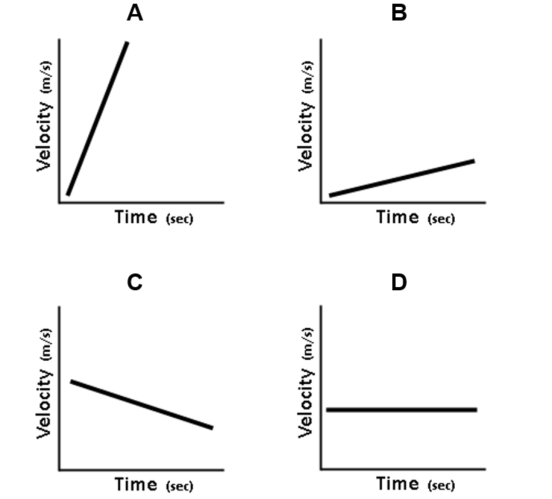
Match the graph to the description:
"The car is stopped."
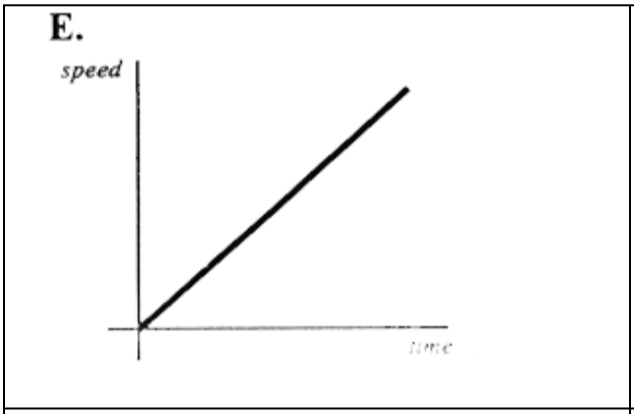
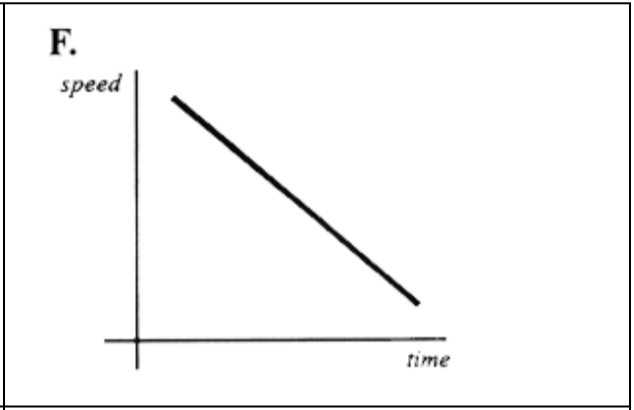
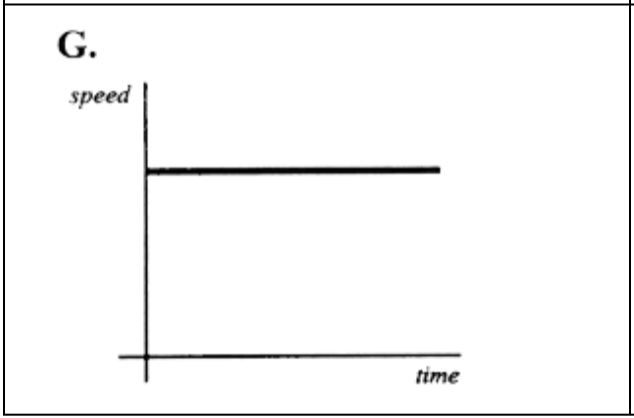
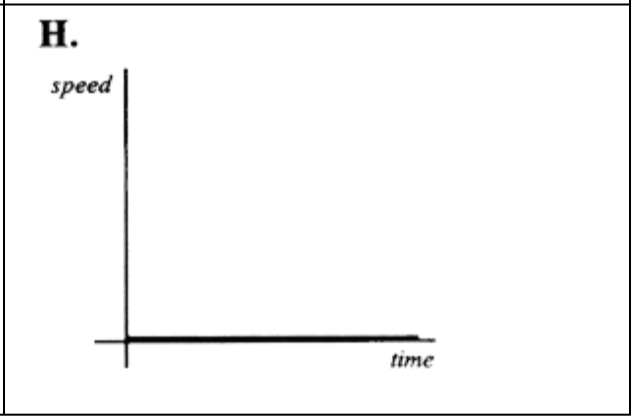
Match the graph to the description:
"The car is traveling at a constant speed."
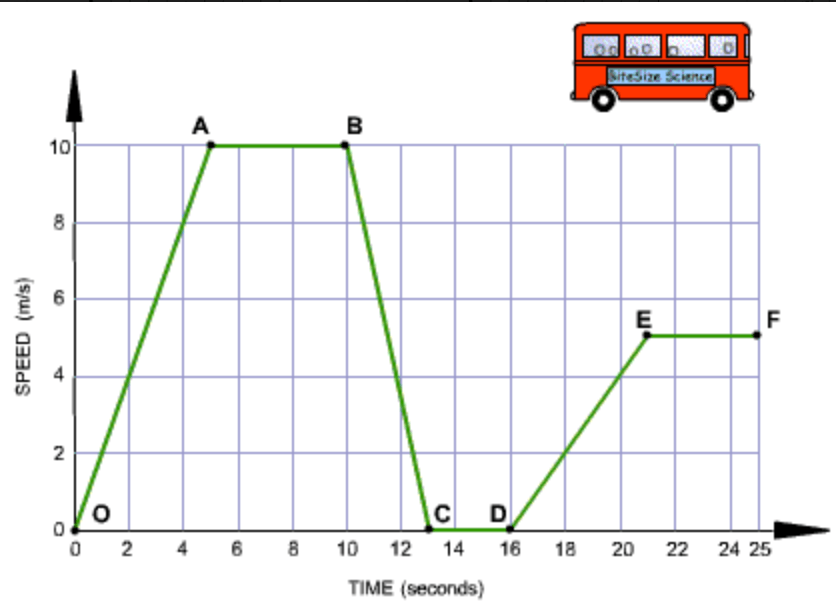
Segment O-A: The bus is _________________. It's speed changes from 0m/s to 10 m/s in 5 seconds.
accelerating
decelerating
constant speed
at rest

Which is faster?
walking
skating
biking
Total distance divided by total time is what?
Constant Speed
Instantaneous speed
Average Speed
Sarah ran 50 meters in 5 seconds. What was her speed?
5 m/s
10 m/s
50 m/s
25 m/s
A snake slithered across the sidewalk in between two sign posts. At the first sign post his speed was 1.2 m/s. At the second sign post his speed was 1.2 m/s. Did the snake change velocity?
Yes
No
speed of an object in a particular direction
motion
velocity
speed
acceleration
Segment E-F: The bus is moving at a _________________ of 5 m/s for 4 seconds.
accelerating
decelerating
constant speed
at rest

In which of the following graphs below are both runners moving at the same speed?


Which of the graphs shows that one of runners started in the same place?


Which object will require the Most force to move?
1.5 ounce ping pong ball
5.6 ounce golf ball
10.3 ounce baseball
15.2 ounce lacrosse ball

Be careful!!!!! This is a speed-time graph
What does this line represent?
constant speed
not moving
speed increasing
speed increasing at a constant rate

What is happening at A?
Stationary (At rest)
Negative Acceleration
Slower steady speed; moving away from the starting position
Steady speed; returning to start position

At what time does runner B pass runner A
0 seconds
5 seconds
8.5 seconds
11 seconds
At what time does runner C pass runner B
0 seconds
5 seconds
8.5 seconds
11 seconds

Which runner won the 75 meter race?
A
B
C
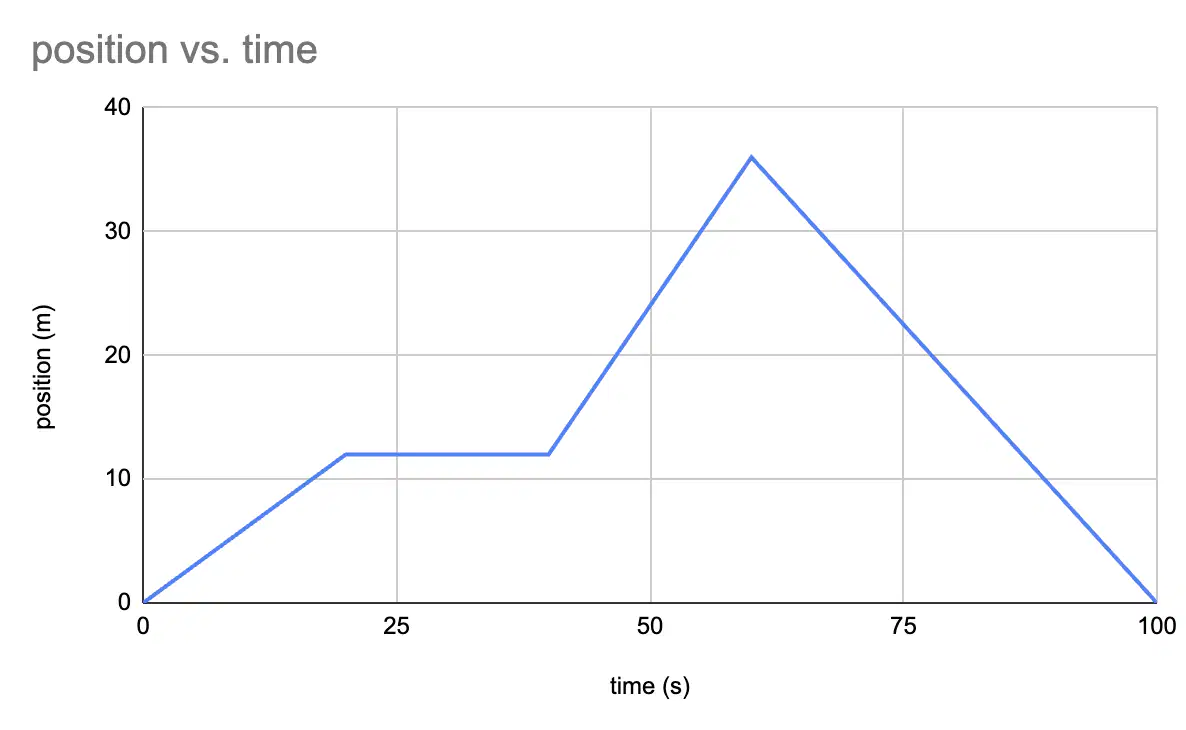
At 60 seconds, how far has the object moved?
10 meters
24 meters
36 meters
72 meters

Which runner had a head start?
A
B
C
What two measurements are necessary for calculating speed?
mass and time
temperature and mass
mass and distance
distance and time
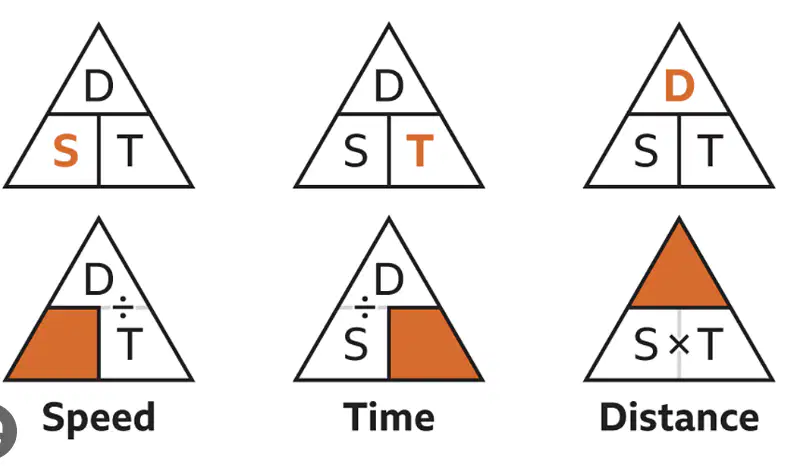
What is the speed of an object that travels 60 meters in 4 seconds?
240 m/s
15 m/s
0.067 m/s
15 mph
A car driving at 50 miles per hour drives for 2 hours. What distance did it cover?
50 miles
25 miles
100 miles
75 miles
Carlos skateboards on the sidewalk in front of the school. He travels at a speed of 24 km/hr. How much time would it take him to travel 6 km?
1 hour
12 minutes
15 minutes
25 minutes

Two blocks of equal mass are dragged across different surfaces. Which will experience the greater Friction force?
Box A
Box B
Equal

Two Boxes are pulled along the same surfaces. Box C has more mass than box D. Which box feels the greater force of Gravity?
Box C
Box D
Equal

The object in this force diagram is...
Not moving
moving at a constant velocity
speeding up
Either not moving or moving at a constant velocity

The forces on this object must be ...
balanced
unbalanced
not enough information




To find the net force of two objects moving at the same direction you would ____________ their forces.
Multiply
Divide
Add
Subtract
True or False: An object at rest needs a balanced force in order to move.
True
False
True or False: A force is a push or pull on an object.
True
False
The total amount of all the forces on an object is called the _______________.
balance
newton
massive force
net force

Calculate the net force.
2N ←
2N →
38N ←
38N →

If the net force is equal to zero, the forces acting on the object are
balanced
unbalanced
This force is responsible for making a pencil fall to the ground when you drop it.
Gravity
Friction
Magnetism
When you slide down a slide, this force makes you slow down and eventually stop.
Gravity
Friciton
Magnetism
Magnets can pick up objects made of iron or steel.
Gravity
Friction
Magnetism
Rubbing your hands together creates this force.
Gravity
Friction
Magnetism
It can slow down a moving object and make it stop.
Gravity
Friction
Magnetism
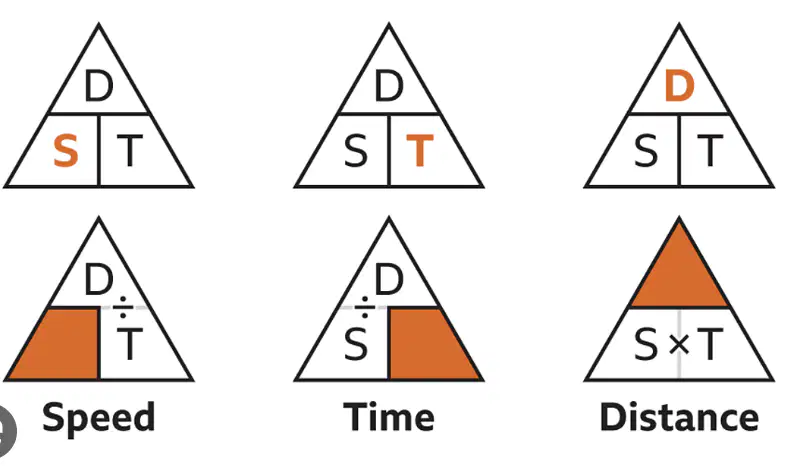
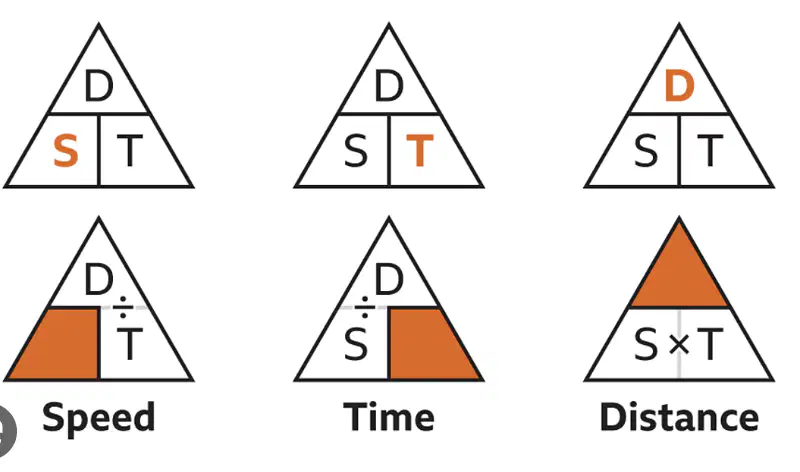

Using the information in the graph, what is the average speed Josh’s car traveled to get home?
8 km/hour
160 km/hour
16 km/hour
40 km/hour

Calculate the average speed between 0 and 10 hours.
2 km/h
3 km/h
1 km/h
5 km/h

What is the average speed of the Worm's Journey?
2.25 meters/minute
2 meters/minute
1 meter/minute

Calculate the average speed of the object between 1 and 3 seconds.
20 m/s
1 m/s
30 m/s
12 m/s
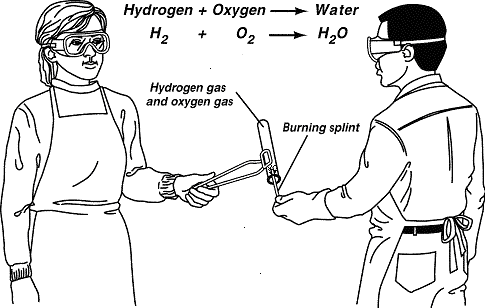
(rust) made up of?
3 oxygen
H2SO4
Mg2As3COHNi2
C2H6 + 5O2 → 2CO2 + 3H2O2
Given this chemical equation, what are the REACTANTS?
C2H6 and 5O2
2CO2 and 3H2O2

Is this equation balanced?
Yes
No

Is this equation balanced?
Yes
No

How many molecules of KNO3 are shown?
1
2
3
4
Action: A swimmer pushes the water backwards
Reaction: The swimmer moves forward
Reaction: The water pushes the swimmer forward
Reaction: The swimmer is tired
Reaction: The water moves backward
Action: Mrs. Scarborough pushes on the wall.
Reaction: The wall pushes Mrs. Scarborough back.
Reaction: The wall moves.
Reaction: A friction force with the ground keeps Mrs. Scarborough in place.
Reaction: The wall absorbs her force.
Action: A baseball player throws a ball.
Reaction: The ball flies through the air.
Reaction: The ball pushes back on the player's hand.
Reaction: The ball falls to the ground.
Reaction: The ball pushes on the air.

What is the action force when a basketball is bounced against the floor?
The ball exerts a force on the floor.
The floor exerts a force on the ball.
The ball moves down.
The ball moves up.
What are the correct action and reaction forces for walking?
Action: The person pushes against the floor. Reaction: The floor pushes the person.
Action: The person moves forwards. Reaction: The person pushes against the floor.
Action: A person applies friction backwards.
Reaction: The friction pushes the person forwards.
Action: A person pushes against the floor. Reaction: The person moves forwards.
C3H5(NO3)3
C = 3, H = 5, N = 3, O = 9
C = 3, H = 5, N = 1, O = 9
C = 9, H = 15, N = 3, O = 9
C = 9, H = 15, N = 1, O = 3
Metals can be drawn into wires
Luster
Flexible
Ductile
Malleable
All metals are shiny when polished or freshly cut
Luster
Flexible
Ductile
Malleable
Metals can be hammered into sheets
Luster
Flexible
Ductile
Malleable
All metals conduct electricity
Malleable
Sonorous
Electrical Conductor
Thermal Conductor
Metals allow energy to flow through them, causing heating
Malleable
Sonorous
Electrical Conductor
Thermal Conductor
A property of certain substances which pull closer or repel other objects.
Alloy
Magnetism
Electrical Conductor
Thermal Conductor


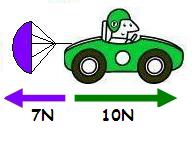
What is the net force?
3 N
3 N, right
17 N, right
3 N, left

You push a shopping cart with a force of 40 N. The friction caused by the ground is exerting a force of 6 N. What is the net force?
34 N to the left
46 to the left
34 N to the right
46 N to the right

How much faster was the average speed for student 4 than the average speed for runner 7? Round to tens place.
6-7 m/s
4.3 m/s
4.6 m/s
.3 m/s
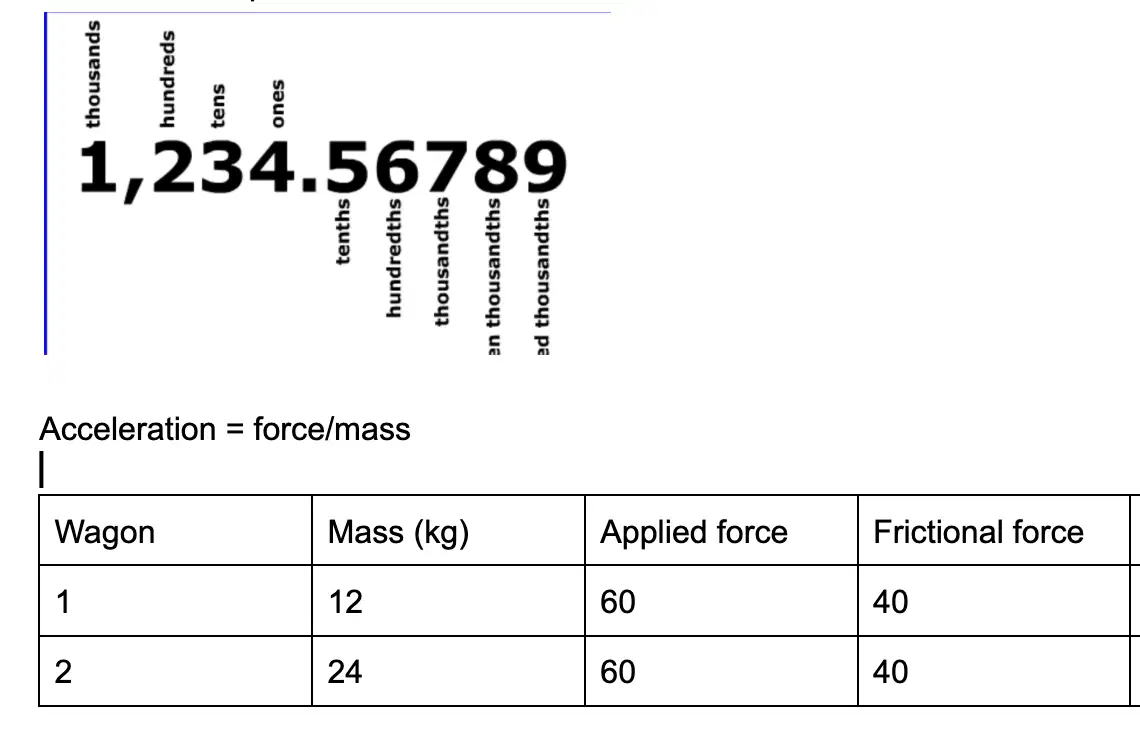
What's the difference in the wagons accelerations? Round to the hundredths place for all answers.
.83 m/s2
.84 m/s2
1.67 m/s2
The law of inertia (Newton's first law) applies _____.
to moving objects only
only to objects that are not moving
to both moving and nonmoving objects
Inertia refers to _____
the tendency of moving objects to remain in motion
the force which keeps moving objects in motion with a constant velocity
the force that keeps stationary objects at rest
the tendency of stationary objects to remain at rest
Inertia depends on ______
Velocity
Speed
Distance
Mass

List the objects in order from least to greatest inertia.
CDBA
ABCD
BCDA
CBAD
An astronaut kicks a soccer ball in outer space at a location far from significant influences of gravity and air resistance. The soccer ball will _________.
continue in motion with the same speed and direction
eventually stop as its inertia slowly becomes used up
eventually stop since all objects ultimately "lose their steam"
either a, b, or c -- depending on whether the astronaut continues to kick it
Mac and Tosh are arguing in the cafeteria. Mac says that if he flings the jello with a greater speed it will have a greater inertia. Tosh argues that inertia does NOT depend upon speed, but rather upon mass. Who is correct?
Mac
Tosh
Neither
Both
An object at rest stays at rest and an object in motion stays in motion with the same speed and in the same direction unless acted upon by a(n) ____________________.
unbalanced force
inertia
mass
balanced force

Michael Jordan guides a golf ball around the outside rim of the green at the Hole-In-One Putt-Putt Golf Course. When the ball leaves the rim, which path (A, B, or C) will the golf ball follow?
A
B
C

