
 Worksheets
CST Weak Areas Practice Exam - 50 Questions
Total questions: 57
Worksheet time: 30mins
A patient presents with pain in the RLQ. Which organ is most likely affected?
Stomach
Appendix
Spleen
Gallbladder
Pain in the RUQ is most often associated with which organ?
Appendix
Gallbladder
Sigmoid colon
Pancreas
LUQ pain may indicate issues with which organ?
Liver
Appendix
Spleen
Bladder
LLQ pain is most often linked with which organ?
Descending colon
Liver
Spleen
Gallbladder
Epigastric pain is commonly associated with which organ?
Pancreas
Appendix
Bladder
Kidney
Suprapubic pain is most likely from issues with which organ?
Bladder
Spleen
Gallbladder
Stomach
Pain radiating from the flank to groin is typically from which organ?
Kidney
Appendix
Liver
Spleen
Pain in the umbilical region may indicate early inflammation of which organ?
Appendix
Gallbladder
Liver
Spleen
Pain in the RUQ that worsens after fatty meals is characteristic of?
Gallbladder disease
Appendicitis
Spleen rupture
Kidney stones
Referred pain in the left shoulder after abdominal trauma is associated with injury to which organ?
Spleen
Appendix
Liver
Bladder
Which drug is used to induce rapid muscle relaxation for intubation?
Propofol
Succinylcholine
Lidocaine
Fentanyl
Which inhalation agent is commonly used for maintenance of anesthesia?
Nitrous oxide
Halothane
Sevoflurane
Ketamine
Which IV anesthetic is most commonly used for induction due to rapid onset?
Etomidate
Propofol
Ketamine
Thiopental
Which opioid is frequently used for intraoperative analgesia?
Fentanyl
Ibuprofen
Midazolam
Lidocaine
Which drug reverses opioid-induced respiratory depression?
Flumazenil
Naloxone
Neostigmine
Atropine
Which drug reverses non-depolarizing muscle relaxants?
Flumazenil
Naloxone
Neostigmine
Ketamine
Malignant hyperthermia is treated with which drug?
Atropine
Dantrolene
Naloxone
Lidocaine
Which benzodiazepine is used for sedation and amnesia?
Midazolam
Propofol
Ketamine
Fentanyl
Which local anesthetic is commonly used in spinal anesthesia?
Lidocaine
Bupivacaine
Ropivacaine
Cocaine
Which drug decreases secretions and prevents bradycardia during anesthesia?
Atropine
Epinephrine
Ketamine
Fentanyl
Standard autoclave sterilization parameters are:
250°F for 30 min
270°F for 15 min
212°F for 60 min
300°F for 10 min
Flash sterilization (immediate use steam) parameters are:
270°F for 4 min
212°F for 30 min
300°F for 5 min
250°F for 60 min
Which sterilization method is used for heat-sensitive instruments?
Ethylene oxide
Steam autoclave
Dry heat
Boiling
Biological indicators for steam sterilization use which organism?
Bacillus stearothermophilus
Clostridium tetani
E. coli
Staph aureus
Which indicator verifies exposure to sterilization process?
Chemical tape
Integrator strip
Biological spore test
All of the above
Which method uses hydrogen peroxide plasma?
Sterrad
Steam
Ethylene oxide
Dry heat
Minimum temperature for dry heat sterilization is:
320°F
270°F
250°F
212°F
Which sterilization method requires aeration before items are safe to use?
Ethylene oxide
Steam
Sterrad
Dry heat
Which method is best for powders and oils?
Dry heat
Steam
Sterrad
Ethylene oxide
Which type of sterilizer uses gravity displacement or pre-vacuum cycles?
Steam autoclave
Sterrad
Ethylene oxide
Dry heat
Order: 1 g Ancef. Available: 500 mg/2 mL. How many mL needed?
2 mL
4 mL
6 mL
8 mL
Order: 50 mg Demerol. Available: 100 mg/2 mL. How many mL needed?
0.5 mL
1 mL
1.5 mL
2 mL
Order: 2 g drug. Available: 250 mg/mL. How many mL needed?
4 mL
6 mL
8 mL
10 mL
Order: 75 mg drug. Available: 25 mg/mL. How many mL needed?
1 mL
2 mL
4 mL
3 mL
Order: 600 mg Clindamycin. Available: 150 mg/mL. How many mL?
2 mL
3 mL
4 mL
5 mL
Order: 0.5 g. Available: 250 mg/mL. How many mL?
1 mL
2 mL
3 mL
4 mL
Order: 125 mg. Available: 50 mg/mL. How many mL?
1 mL
2 mL
2.5 mL
3 mL
Order: 80 mg. Available: 20 mg/mL. How many mL?
2 mL
3 mL
4 mL
5 mL
Order: 900 mg. Available: 300 mg/mL. How many mL?
2 mL
3 mL
4 mL
5 mL
Order: 1500 mg. Available: 500 mg/2 mL. How many mL?
4 mL
5 mL
6 mL
7 mL
Which instrument is used to hold bone fragments in alignment during ORIF?
Bone clamp
Rongeur
Curette
Osteotome
Which powered instrument is used to drill holes for screws?
Hudson brace
Mallet
Kerrison
Curette
Which instrument is used to scrape bone tissue?
Rongeur
Curette
Osteotome
Elevator
Which orthopedic instrument removes small pieces of bone?
Curette
Rongeur
Saw
Elevator
Which implant is used for femoral fractures?
Screw
Plate
Intramedullary nail
Staple
Which instrument is used with a mallet to cut bone?
Curette
Osteotome
Rongeur
Clamp
Which retractor is commonly used in orthopedic surgery?
Bennett
Deaver
Richardson
Army-Navy
During TKA, which instrument is used to smooth bone surfaces?
Rongeur
Curette
Rasp
Osteotome
Which orthopedic instrument has a U-shaped tip for bone removal?
Gigli saw
Kerrison rongeur
Curette
Chisel
Which saw is used for amputations?
Gigli saw
Oscillating saw
Hudson brace
Osteotome
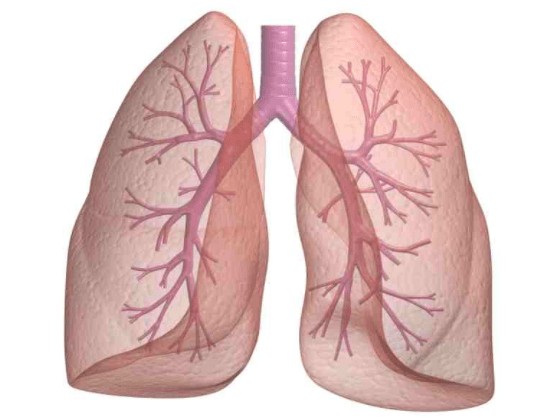

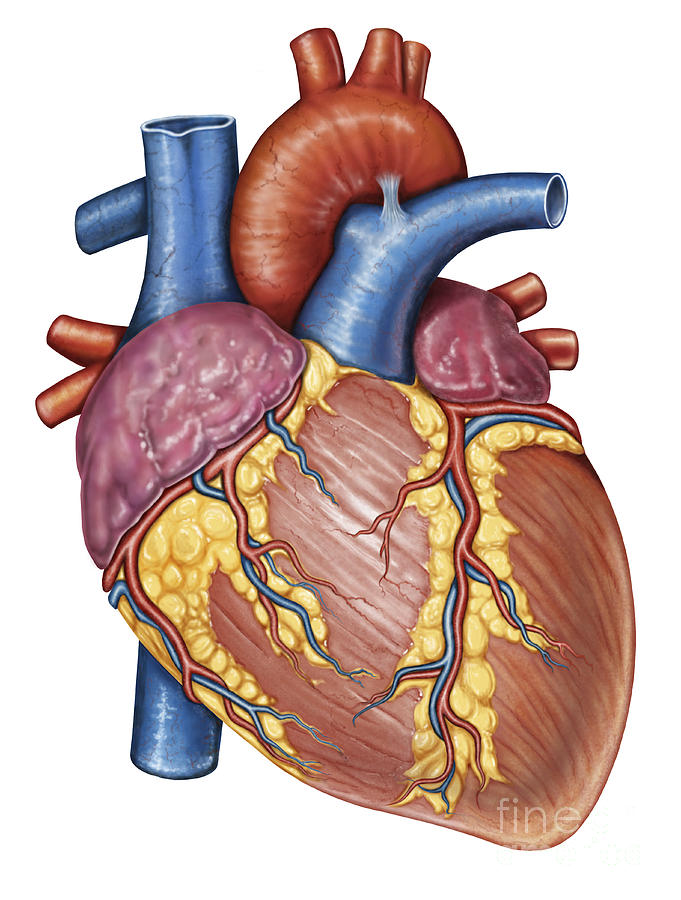
What organ is this?
heart
stomach
liver
lungs


Which to motions occur at the ankle which result in a LATERAL ankle sprain?
plantar flexion and eversion
plantar flexion and inversion
dorsiflexion and inversion
dorsiflexion and eversion



