
NEW
Font size
 Worksheets
ToolingU - Introduction to Mechanical Systems 101
Total questions: 30
Worksheet time: 15mins
When would you use an inclined plane instead of a wedge in a mechanical system?
When you need to move an object up to a higher elevation with less effort.
When you need to split or cut an object apart.
When you need to change the direction of a force.
When you need to rotate objects at different speeds.
How can gears be used to change the speed or direction of motion in a mechanical system?
By meshing different sized gears together.
By using a wedge between the gears.
By placing a screw on the gear shaft.
By attaching a cam to the gear.
Which of the following best explains why it is important to understand the function of simple machines when studying mechanical systems?
Because simple machines are the building blocks of complex mechanical systems.
Because simple machines are only used in ancient technology.
Because simple machines are not used in modern systems.
Because simple machines are more complicated than complex systems.
Which of the following is NOT one of the six simple machines that form the basis of modern mechanical systems?
Lever
Movable pulley
Gearbox
Inclined plane
What is the relationship between the distance and speed a machine travels and the amount of applied force?
The distance and speed are independent of the applied force.
The distance and speed decrease as applied force increases.
The distance and speed depend on the amount of force applied and delivered to the machine.
The distance and speed only depend on the size of the machine.
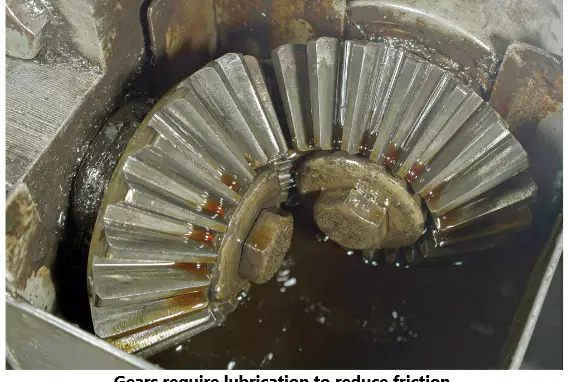
Why do engineers often try to reduce friction in machines such as gear drives?
To increase the amount of applied force required
To hinder the operation of the machine
To reduce friction and improve efficiency
To make machines less efficient
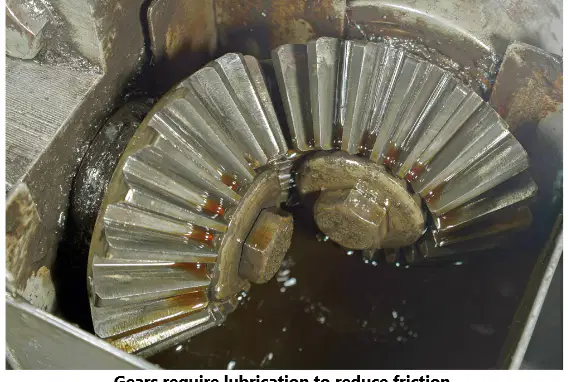
How does lubrication help in the operation of gears?
It increases friction between the gears
It reduces friction, allowing smoother operation
It makes the gears heavier
It stops the gears from moving
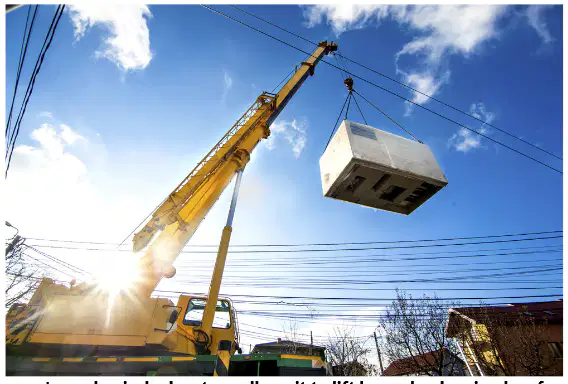
What is the mechanical advantage of a machine if it requires 10.0 lbs (4.5 kg) of applied force to lift a 10.0 lb (4.5 kg) weight?
0.5
1
2
10
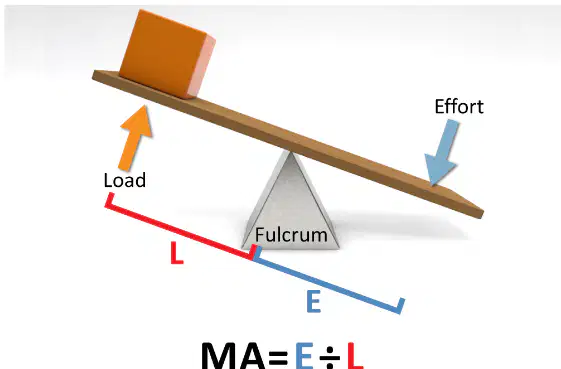
Which of the following best describes the position of the fulcrum in a first-class lever?
The fulcrum is between the load and the effort.
The fulcrum is at the end of the lever.
The fulcrum is next to the load.
The fulcrum is next to the effort.
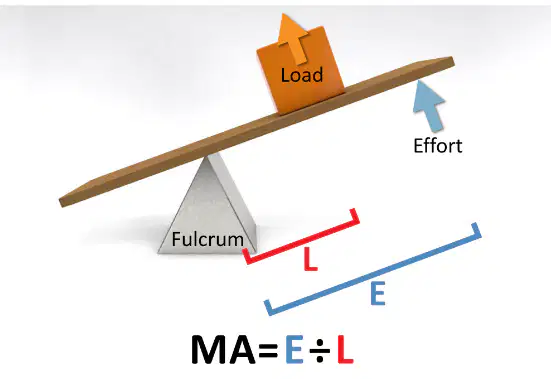
Which of the following is an example of a second-class lever?
Wheelbarrow
Crowbar
Balance scale
Scissors
How does a second-class lever differ from a first-class lever in terms of the direction the load moves?
The load in a second-class lever moves in the same direction as the applied force.
The load in a second-class lever moves in the opposite direction to the applied force.
The load in a second-class lever does not move.
The load in a second-class lever moves perpendicular to the applied force.
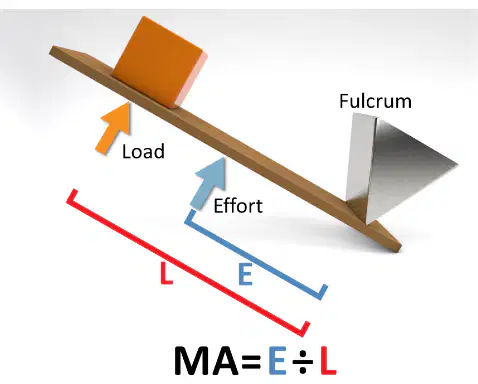
Why are third-class levers particularly useful for moving loads?
They increase mechanical advantage.
They move loads over short distances at increased speeds.
They reduce the necessary applied force.
They are always longer than other levers.
How is a first-class lever identified based on the position of its fulcrum?
The fulcrum is at one end of the lever.
The fulcrum is located between the load and the effort.
The fulcrum is always under the load.
The fulcrum is not present in first-class levers.
Describe the role of the axle in the wheel-and-axle combination when used as a simple machine.
The axle acts as the load in all cases.
The axle acts as a fulcrum, allowing both components to rotate around a common axis.
The axle prevents the wheel from rotating.
The axle only provides decorative support.
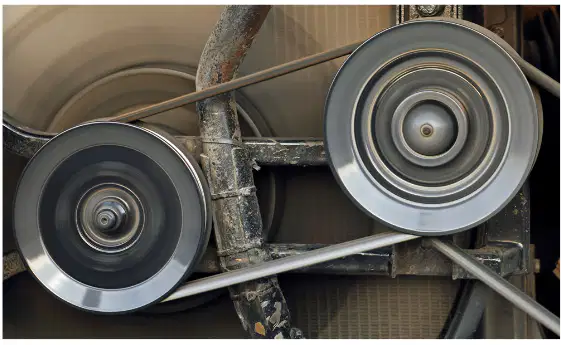
Why is the belt in a fixed pulley system typically made of rubber, flexible steel, or another slip-resistant material?
To increase friction and prevent slipping
To reduce the weight of the system
To make the system more colorful
To allow the belt to conduct electricity
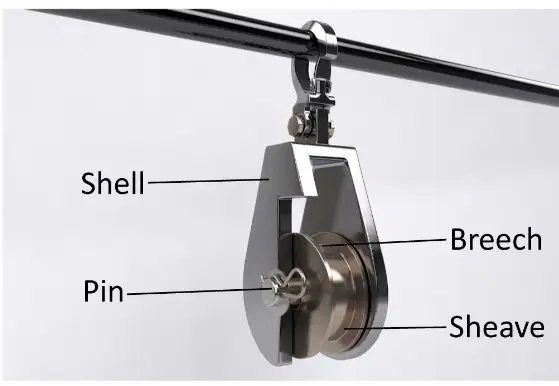
How does the pin in a movable pulley contribute to its function?
It acts as the wheel's fulcrum and allows the wheel to rotate freely.
It attaches the pulley to a fixed object.
It provides access to the sheave.
It passes the rope through the pulley.
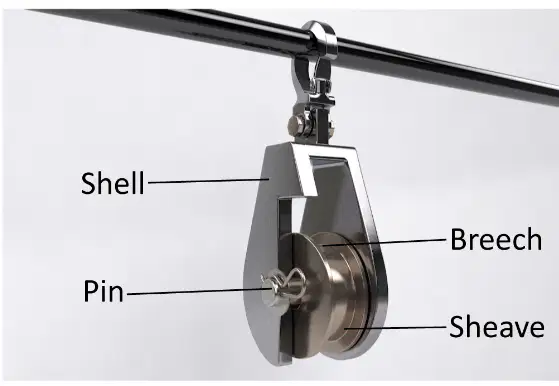
What is the purpose of the breech in a movable pulley?
It provides access to the sheave.
It acts as the wheel's fulcrum.
It attaches the pulley to a movable load.
It rotates the wheel.
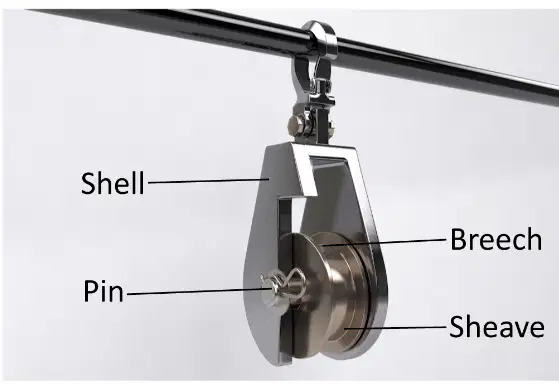
How is the wheel in a movable pulley kept stationary while it rotates?
The pin attaches the wheel to the shell, allowing it to rotate freely while remaining stationary.
The breech locks the wheel in place.
The shell prevents the wheel from moving.
The rope holds the wheel still.
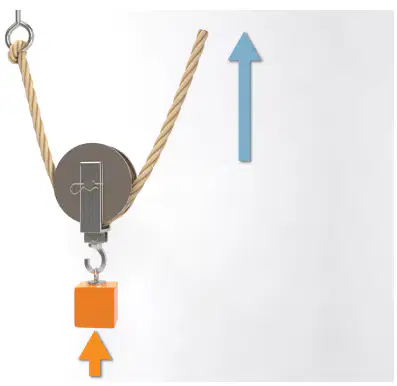
In a runner pulley arrangement, what is the relationship between the applied force and the weight of the load?
The applied force must be equal to the weight of the load.
The applied force can be half the weight of the load.
The applied force must be double the weight of the load.
The applied force is unrelated to the weight of the load.
Which type of lever does a fixed block pulley function as, and what does this mean for the force required to lift a load?
First-class lever; the applied force must be equal to or greater than the weight of the load.
Second-class lever; the applied force can be less than the weight of the load.
Third-class lever; the applied force must be greater than the weight of the load.
First-class lever; the applied force can be less than the weight of the load.
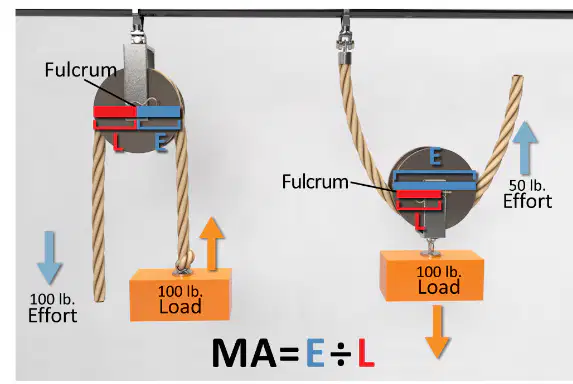
Why is it twice as easy to raise a load using a runner pulley arrangement compared to a fixed block arrangement?
Because the distance between the fulcrum and the effort is doubled in the runner arrangement.
Because the load is lighter in the runner arrangement.
Because the rope is stronger in the runner arrangement.
Because the pulley is larger in the runner arrangement.
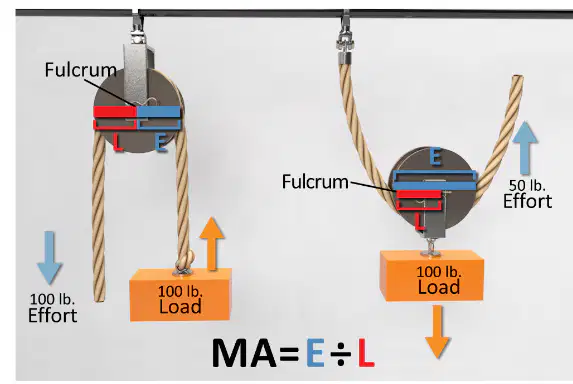
In a fixed block pulley, what is the distance between the fulcrum and the effort relative to the pulley's diameter?
One-half of the pulley's diameter
The entire diameter of the pulley
Twice the pulley's diameter
One-quarter of the pulley's diameter
What is a characteristic of fixed pulleys?
They function as a type of wheel and axle
They always have a mechanical advantage of 2
They can only be used as driver pulleys
They function as a second-class lever
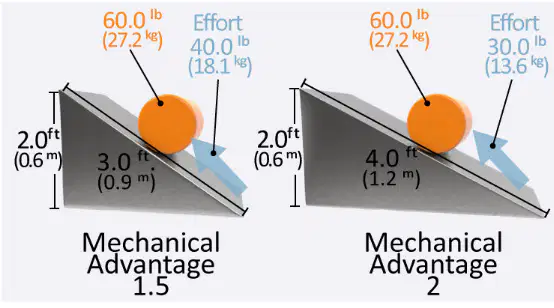
An employee needs to load a 300.0 lb box into a truck. Why might they use a ramp instead of lifting the box directly?
The ramp increases the weight of the box.
The ramp allows the employee to use less force.
The ramp makes the box move faster.
The ramp decreases the distance the box travels.
Why might a carpenter use a wooden shim in a loose joint of a wooden structure?
To cut the wood into smaller pieces
To fill the space and tighten the joint using friction
To paint the wood
To make the wood heavier
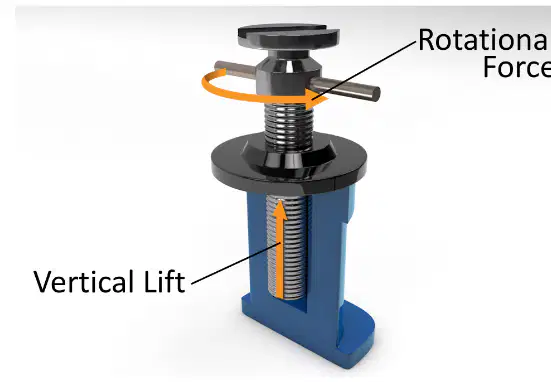
Why are screw jacks able to provide considerable vertical lift in a small amount of horizontal space?
Because the inclined plane winds around the screw’s axis, decreasing the space it occupies
Because the screw jack uses hydraulic pressure
Because the screw jack is made of lightweight materials
Because the screw jack has a built-in motor
How does a screw spread two opposing forces apart?
By moving forward in a direction perpendicular to the force it exerts.
By moving backward in a direction parallel to the force it exerts.
By rotating without moving forward.
By compressing the forces together.
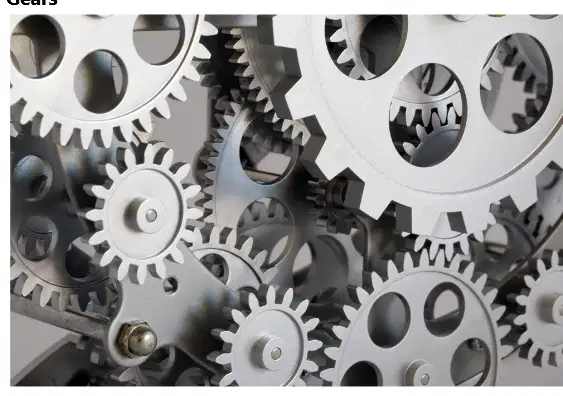
How does a gear shaft contribute to the transmission of motion in a mechanical system?
It only supports the driven gear without rotating it.
It supports and rotates the drive gear, which then meshes with a driven gear to transmit motion.
It prevents the gears from meshing together.
It only connects the gears to the power source without transmitting motion.
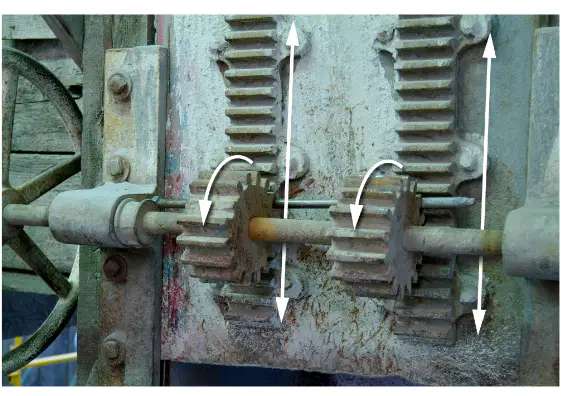
What is the primary function of a rack and pinion system in machine components?
To convert linear motion into rotary motion.
To change the color of machine components.
To convert the round gear’s rotary motion into linear motion.
To increase the speed of the gear rotation.
What is a disadvantage of using spur gears at high speeds?
They are difficult to manufacture
They are less efficient at transferring motion
They are noisy because one or two teeth are constantly undergoing stress
They cannot be used in gear trains

