
 Worksheets
Unit 105 Risk Assessment, Hazard, and Risk Definitions
Total questions: 25
Worksheet time: 13mins
What is risk assessment? Fill in the blank: Risk assessment is a careful examination of what could harm people in your workplace, so that you can assess the precautions to prevent ________.
accidents
meetings
profits
holidays
What is a hazard? A hazard is anything that has the potential to cause harm. Which of the following is an example of a hazard?
Electricity
Drinking water
Reading a book
Taking a walk
What is risk? Fill in the blank: Risk is the chance, great or small, that someone will be ________ by the hazard.
harmed
helped
ignored
rewarded
Which of the following is a type of hazard in Construction and Building Services Engineering?
Manual handling
Painting
Gardening
Cooking
Which of the following is a type of hazard in Construction and Building Services Engineering?
Machinery
Swimming
Reading
Shopping
Which of the following is a type of hazard in Construction and Building Services Engineering?
Work at heights
Writing
Dancing
Fishing
Fill in the blank: One type of hazard in construction and building services engineering is _________
Dust
Chocolate
Paper Clips
Sunflowers
Fill in the blank: One type of hazard in construction and building services engineering is _________
Noise
Sunlight
Paint color
Furniture
One type of hazard in construction and building services engineering is _________
Falling objects
Soft pillows
Fresh air
Clean water
Fill in the blank: One type of hazard in construction and building services engineering is _________.
Manual handling
Painting walls
Installing curtains
Changing light bulbs
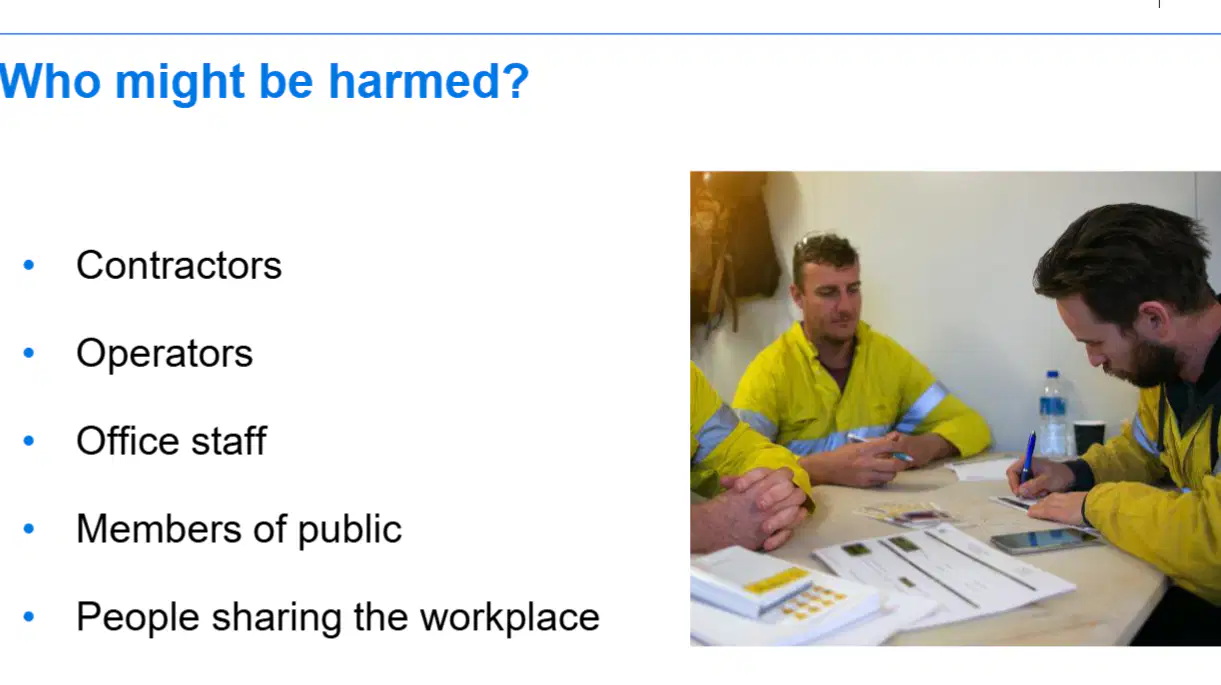
According to the slide titled 'Who might be harmed?', which of the following groups could be harmed in a construction and building services engineering workplace?
Contractors
Operators
Office staff
Members of public
People sharing the workplace
Pay special attention to: ________ with disabilities.
Staff
Visitors
Equipment
Schedules
Pay special attention to: ________ workers.
Lone
Group
Senior
Temporary
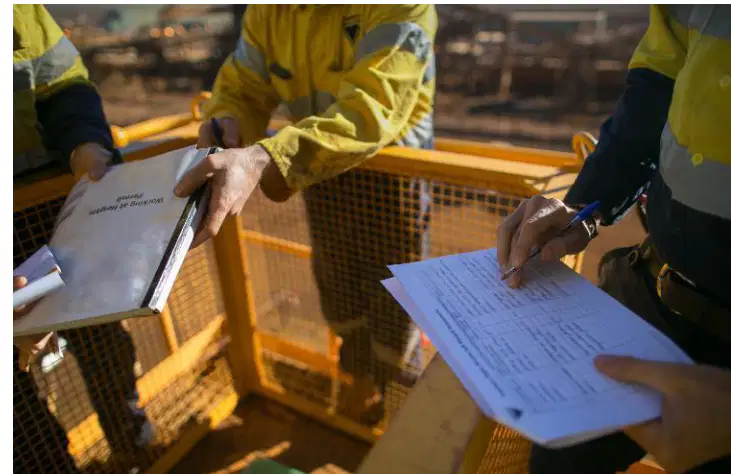
What is one way to address a risk in construction and building services engineering?
Remove the risk completely
Ignore the risk and proceed as usual
Increase the risk intentionally
Delay addressing the risk indefinitely
Is it necessary for the employer to provide adequate information, instruction, or training to control risk?
True
False
Should the employer provide adequate systems or procedures to control risk?
True
False
Should precautions meet the standards set by legal requirements?
True
False
Should precautions comply with a recognised industry standard?
True
False
Should precautions represent good practice?
True
False
Should precautions reduce risk as far as reasonably practicable?
True
False
Fill in the blank: The first step to assess risk in the workplace is to ________.
Look for the hazards.
Write a report.
Assign tasks to employees.
Purchase safety equipment.
Fill in the blank: The second step to assess risk in the workplace is to ________.
Consider who might be harmed and how.
Eliminate all hazards immediately.
Ignore minor risks.
Complete a financial audit.
Fill in the blank: The third step to assess risk in the workplace is to ________.
Evaluate risks and decide if existing precautions are adequate or not.
Identify hazards in the workplace.
Record the findings and implement them.
Review the assessment and update if necessary.
Fill in the blank: The fourth step to assess risk in the workplace is to ________.
Record your findings.
Ignore the hazards.
Remove all employees.
Increase the risk level.
Fill in the blank: The fifth step to assess risk in the workplace is to ________.
Review your assessment and revise as necessary.
Ignore the risks identified.
Assign blame to employees.
Eliminate all paperwork.

