
 Worksheets
AU - Skin & Musculoskeletal
Total questions: 35
Worksheet time: 20mins
The skin is the largest organ.
True
False
The yellow discoloration of the skin that can be due to liver/gallbladder disease is Jaundice.
True
False
Reddish color of the skin that can be caused by burns or congestion of blood in the vessels:
Saliva Glands
Albino
Erythema
Jaundice
Bluish discoloration of the skin
Jaundice
Erythema
Cyanosis
Albinism
The skin helps in the production of vitamin D by using ultraviolet rays from the sun.
True
False
Petechiae can be described as ________.
Skin that appears blue
Skin that appears flushed
Skin that has small purple or red spots
Skin that appears yellow
When performing a skin check, which of these findings would cause concern?
A solid brown mole
A mole with an irregular border
A mole measuring 4 mm
A mole with an even border
What should you NOT do if you find a new area of skin breakdown on your patient?
Document the finding
Rub the area
Remove sources of moisture
Consult the facility's wound care nurse
Use this method to recognize important changes in moles or other lesions.
ABCDE
OLD CARTS
PQRST
Maslow
Which of these is an abnormal finding that would prompt further investigation?
Acne
Scars
Wrinkles
Velvety skin
What does poor skin turgor indicate?
Allergy
Infection
Hyperthyroidism
Dehydration
What might excessive warmth of the skin indicate?
Dehydration
Infection or inflammation
Cold exposure
Hypothyroidism
sideways curvature of the spine
Scoliosis
Kyphosis
Lordosis
Osteoporosis
Rickets
Abnormal rounding of the spine that occurs in the upper and middle part of the back
Scoliosis
Kyphosis
Lordosis
Osteoporosis
Rickets
Excessive inward curvature of the spine
Scoliosis
Kyphosis
Lordosis
Osteoporosis
Rickets
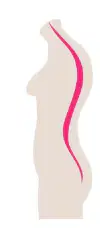
What is the image depicting
Scoliosis
Kyphosis
Lordosis
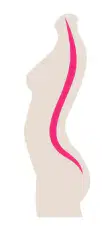
What is the image depicting
Scoliosis
Kyphosis
Lordosis
What happens to muscles during atrophy?
They lose strength and size
They convert to fat
They increase in size
They become more flexible
What is a common cause of muscle atrophy?
High protein diet
Increased caloric intake
Excessive exercise
Lack of activity

This is most likely to be..
vitiligo
melanocytic nevus
xanthelasma
purpura
melasma
a scratch or abrasion; a strong condemnation or critcism
largesse
excoriation
tenable
intransigent
algesia
asleep
sense of pain
white
red
What is muscle atrophy?
The conversion of muscle to fat
The growth of muscle fibers
The loss of muscle
The increase in muscle strength
The yellow discoloration of the skin that can be due to liver/gallbladder disease is Jaundice.
True
False
When you look at the skin, the layer of skin you can see is the:
Corium
Dermis
Epidermis
Subcutaneous tissue
Raised or thickened scar after an injury
Keloid
Biopsy
Pustule
Cyst
Redness or flushing of the skin
Erythema
Jaundice
Necrosis
Cyanosis
Mr. Smith has not used his paralyzed arm for months. A contracture has begun. A contracture is a
abnormal shortening of a muscle
abnormal lengthening of a muscle
a need for amputation
excessive mobility
Band of fibrous tissue holding structures together abnormally is known as
dyskinesia
contracture
tenolysis
adhesion
Which of the following is part of the first aid PRICE approach to care of soft tissue injuries? Check ALL that apply!
position the injured limb over a heating pad
ice for 15-20 minutes at a time
compression to minimize swelling
elevation of the injured limb
Spinal deformity that causes the hunchback appearance:
scoliosis
kyphosis
lordosis
spina bifida
The nurse is assessing for the presence of cyanosis in a dark skinned client. The nurse understands that which body area would provide the best assessment?
Lips
Sacrum
Earlobes
Back of the hands
When assessing a lesion diagnosed as malignant melanoma, the nurse most likely expects to note which of the following?
An irregular shaped lesion
A small papule with a dry, rough scale
A firm, nodular lesion topped with crust
A pearly papule with a central and waxy border
When diagnosing melanoma, which of the following does C stand for in ABCD?
color change
cyanosis
cold to the touch
carotene present

