
 Worksheets
GRAIN
Total questions: 35
Worksheet time: 18mins
Which of the following is considered a whole grain?
white rice
brown rice
cake flour
cornstarch
What part of the grain contains fiber, vitamins, and minerals?
germ
bran
endosperm
husk
Which nutrient is most abundant in grains and provides energy?
protein
carbohydrates
fats
water
Which of the following grains is naturally gluten-free?
barley
wheat
rice
rye
What health benefit can whole grains provide?
increase in cholesterol levels
support for healthy digestion
weakened immune system
loss of vitamins
The germ part of the grain is rich in what nutrient?
fiber
protein
healthy fats
starch
Which grain is a good source of omega-3 fatty acids?
corn
flaxseed
rice
oats
Eating whole grains may help reduce the risk of which disease?
diabetes
malaria
tuberculosis
asthma
Which type of rice is considered the most nutritious?
white rice
jasmine rice
brown rice
glutinous rice
What is the main difference between refined grains and whole grains?
Refined grains are cheaper
Whole grains keep all edible parts
Refined grains contain more protein
Whole grains are less nutritious
Which grain is high in beta-glucan that helps lower cholesterol?
oats
barley
wheat
corn
Fiber from whole grains mainly helps prevent which health problem?
constipation
tooth decay
cough
dizziness
What is the main energy-providing nutrient of grains for caregiving tasks?
carbohydrates
minerals
water
vitamins
Which grain is often recommended for patients with high blood pressure due to its potassium content?
quinoa
wheat
corn
rye
Caregivers should encourage patients to eat whole grains because they are…
High in empty calories
Good for long-lasting energy
Lacking in nutrients
Hard to digest
Which of the following is an example of a refined grain product?
oatmeal
whole wheat bread
white bread
brown rice
Which grain is a complete protein, containing all essential amino acids?
corn
quinoa
wheat
barley
Why should caregivers promote grains in a patient’s diet?
They are rich in empty sugars
They support weight gain only
They help improve heart health
They have no nutritional value
Maria tells her patient to eat more brown rice because it contains fiber that aids digestion.
true
false
A caregiver serves white bread to a diabetic patient, saying it is healthier than whole wheat bread.
true
false
Carlo advises an elderly patient with constipation to eat oatmeal since it contains soluble fiber.
true
false
A caregiver explains that refined grains are better than whole grains because they keep all nutrients.
true
false
Liza prepares quinoa for her hypertensive patient because it contains potassium and complete protein.
true
false
A nurse tells a patient that eating more whole grains can help lower the risk of heart disease.
true
false
A caregiver chooses instant noodles over brown rice, believing noodles are more nutritious.
true
false
Eating whole grain bread daily can support long-lasting energy for active patients.
true
false
A caregiver tells the patient that corn, rice, and oats are examples of grains that provide carbohydrates.
true
false
Whole grains should be avoided in the diet because they contain no useful nutrients.
true
false
A caregiver advises a patient with high cholesterol to eat oats because they contain beta-glucan that helps reduce cholesterol.
true
false
A student caregiver tells the class that eating only refined grains is healthier than mixing whole and refined grains.
true
false
During meal planning, the caregiver tells the family that whole grains can help control blood sugar levels.
true
false
Whole grains are rich in vitamins, minerals, and fiber, which makes them important in caregiving diets.
true
false

where is this grain come from?Where did
mexico
egypt
india
europe
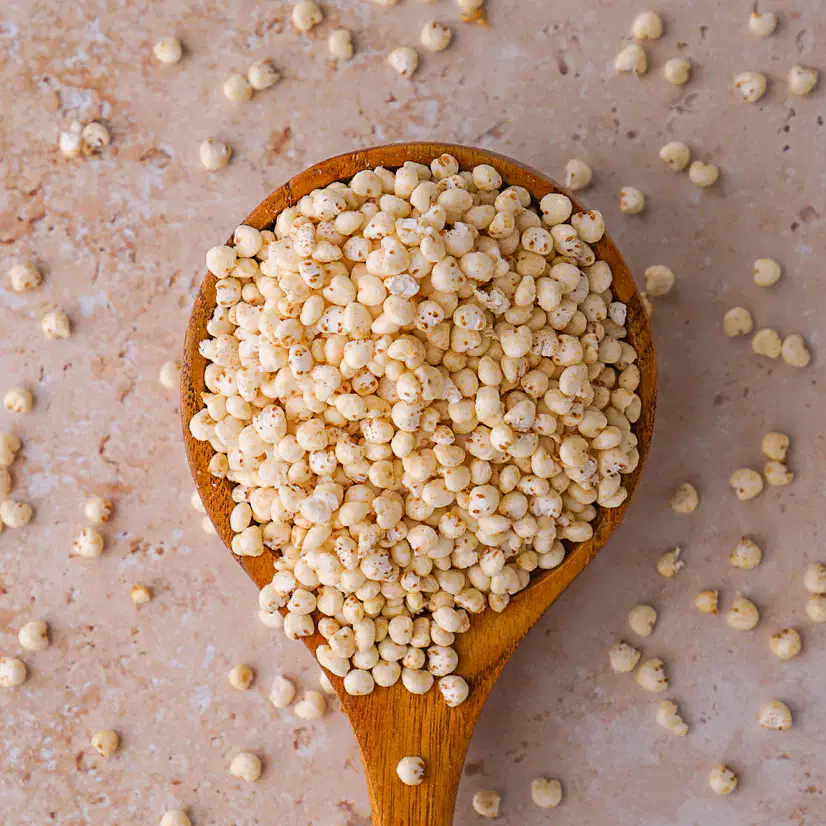
what do you call to this grain?
wheat
millet
oats
basmati
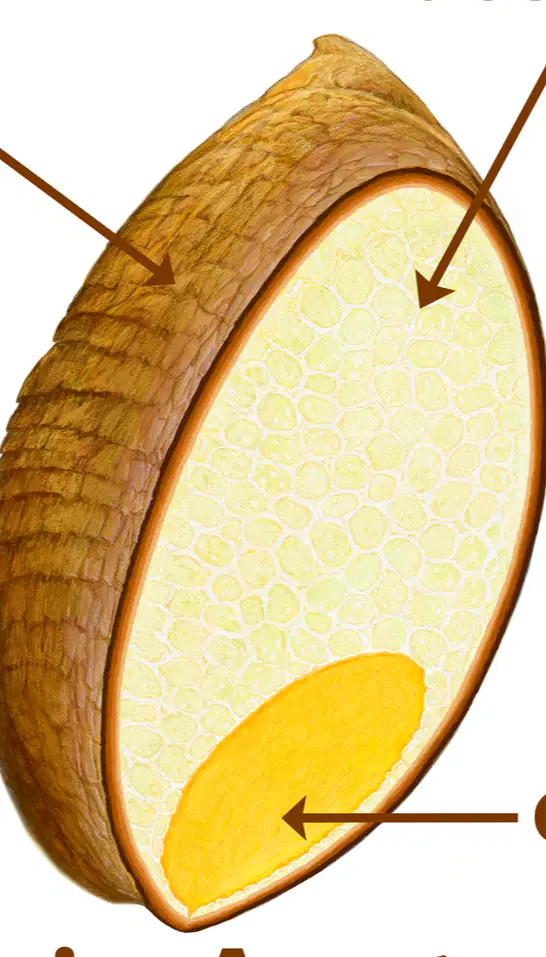
what do you call to the innermost part of a grain?
endosperm
husk
germ
bran

