
 Worksheets
Macronutrients Quiz
Total questions: 20
Worksheet time: 10mins
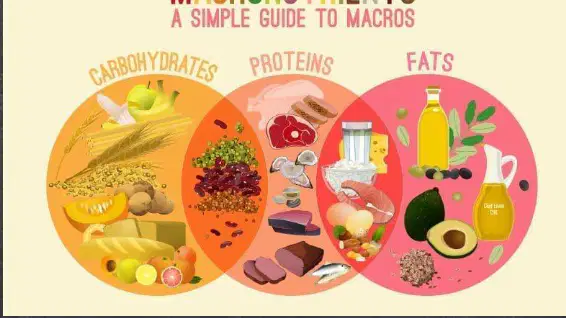
What are macronutrients?
The three main nutrients your body needs in small amounts
The three main nutrients your body needs in large amounts
Vitamins and minerals
Water and fiber
What is the primary role of macronutrients in the body?
To provide energy and support essential body functions
To regulate body temperature
To strengthen bones
To improve eyesight
What is the primary function of carbohydrates in the body?
Build muscle mass
Provide quick energy for the brain, muscles, and organs
Strengthen bones
Regulate body temperature
Approximately what percentage of your daily carbohydrate intake is used by the brain?
10%
20%
30%
50%
Which of the following is an example of a food source rich in carbohydrates?
Chicken
Rice
Fish
Eggs
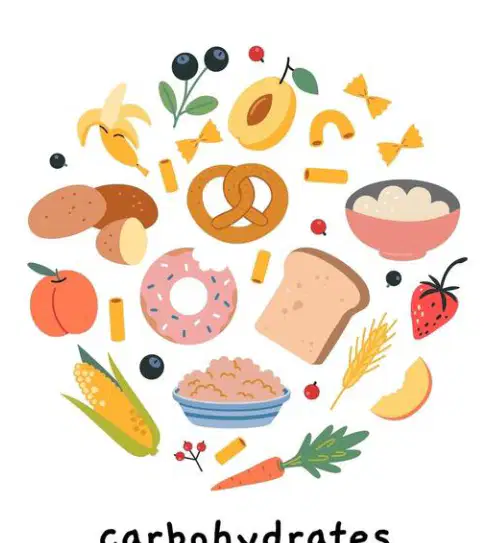
What is the difference between simple and complex carbohydrates?
Simple carbs provide sustained energy, while complex carbs give fast energy.
Simple carbs are found in proteins, while complex carbs are found in fats.
Simple carbs give fast energy, while complex carbs provide sustained energy.
Simple carbs are only found in fruits, while complex carbs are only found in vegetables.
What is one of the primary functions of proteins in the human body?
Provide energy for immediate use
Build and repair muscles, organs, skin, hair, and nails
Store genetic information
Regulate body temperature
Which of the following is NOT a food source of protein?
Meat
Fish
Dairy
Candy
What is one of the primary functions of fats in the body?
Provide long-lasting energy and help absorb vitamins A, D, E, K
Produce red blood cells
Increase water retention in the body
Eliminate toxins from the bloodstream
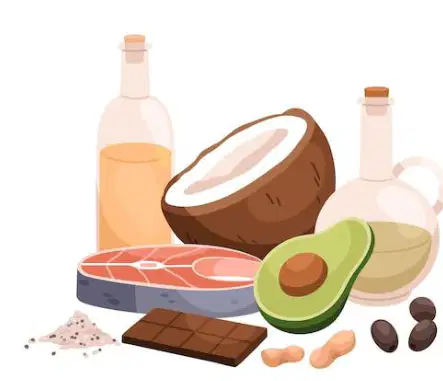
Which of the following is a food source rich in healthy fats?
Nuts and seeds
White bread
Sugary drinks
Processed chips
What percentage of your total daily calories is recommended to come from fats?
10-15%
20-35%
40-50%
5-10%
What is a calorie?
A unit of weight measurement
A unit of energy that measures how much energy food provides
A type of nutrient
A measure of food taste
How many calories per gram do carbohydrates provide?
2 calories per gram
4 calories per gram
6 calories per gram
9 calories per gram
What is energy balance?
The relationship between calories consumed and calories burned
The total amount of calories consumed in a day
The energy your body uses during exercise
The number of calories burned while sleeping
What does 'Calories Out' refer to?
The energy your body uses throughout the day
The calories stored in your body
The food and drinks you consume
The calories burned during exercise only
What happens when calories in equals calories out?
You gain weight
You lose weight
Your weight stays stable
Your energy levels drop
What does TDEE stand for?
Total Daily Energy Expenditure
Total Daily Exercise Effort
Total Dietary Energy Estimate
Total Daily Energy Evaluation
What does a balanced diet include?
Only carbohydrates
Appropriate amounts of all three macronutrients
Only proteins and fats
Only vitamins and minerals
What is the recommended proportion of food groups in the plate method for balanced nutrition?
½ protein, ¼ vegetables/fruits, ¼ whole grains
½ vegetables/fruits, ¼ protein, ¼ whole grains
½ whole grains, ¼ protein, ¼ vegetables/fruits
½ protein, ½ whole grains
Which type of foods should you focus on for better nutrition?
Highly processed foods
Whole, minimally processed foods
Sugary snacks
Fast food items

