
 Worksheets
Basic Chemistry
Total questions: 48
Worksheet time: 28mins
Daniel and Harper are playing a science game! Can you help them finish this sentence? Matter is anything that _______ space and has mass.
destroys
ignores
occupies
creates
James, Arjun, and Priya are curious in science class! Can you help them fill in the blank: Energy is the ability to do _______.
rest
sleep
eat
work

William, Noah, and Lily are at the top of a roller coaster, just about to zoom down! The energy they have at the very top is called ________ energy.
stored
moving
lost
thermal
Luna and Evelyn are in a science quiz! They need your help: ATP releases energy by removing a ________ group. Can you help them choose the right answer?
hydroxyl
phosphate
methyl
carboxyl
Mia and Oliver are racing their bikes down a hill. Which type of energy are they showing off as they zoom past Michael?
Energy of position
Energy of motion
Energy of sound
Energy of light
Michael, Ethan, and Aiden are on a science adventure! They discover different types of energy. Which one is an example of chemical energy?
ATP
Sunlight
Sound waves
Gravity
Aria and Benjamin are building a robot that can move its arms and legs. Which type of energy is associated with the movement of its parts?
Mechanical
Radiant
Chemical
Electrical
Abigail and Henry are exploring how we see the world around us. They discover that light, which is necessary for vision, is an example of which type of energy?
Radiant energy
Chemical energy
Mechanical energy
Nuclear energy
During gym class, Harper and Charlotte notice their muscles getting warm as they exercise. The heat created by their muscles during contraction is an example of which type of energy?
Thermal energy
Kinetic energy
Chemical energy
Electrical energy
Sophia, Avery, and Mia are curious about how our bodies turn food into tiny elements that can pass through the cell membrane. What is this amazing process called?
Digestion
Respiration
Photosynthesis
Excretion
Isla, Aria, and Maya are curious about how their bodies send quick messages. Which system uses the movement of ions across membranes to conduct an impulse, helping them react in a flash?
Nervous System
Digestive System
Respiratory System
Circulatory System
Olivia and Aiden are curious about what makes up most of our bodies! 96% of the human body is made from just four elements. Which of the following is NOT one of those elements?
Carbon (C)
Oxygen (O)
Hydrogen (H)
Nitrogen (N)
Calcium (Ca)
Mia, Arjun, and Luna are on a science adventure! They discover a mysterious element. What is the atomic number equal to?
The sum of protons and neutrons
The number of protons that the atoms contain
The atomic weight
The element symbol
Maya and Abigail are having a science quiz! Maya asks, "Hey Abigail, do you know what the atomic mass number is?" Can you help Abigail choose the correct answer?
The number of protons
The sum of the protons and neutrons
The atomic weight
The element symbol
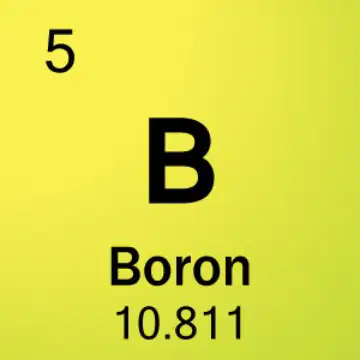
Aria and Ava are having a friendly science quiz. Scarlett asks them: "Can you tell me what the atomic number of Boron is?" Help them out!
5
10.811
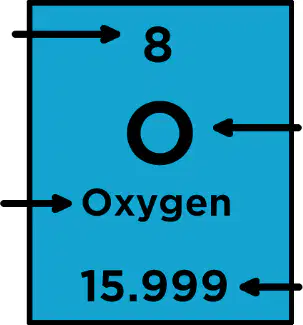
David, Jackson, and Daniel are exploring the periodic table, and they come across the element Oxygen. Can you help them figure out what the atomic weight of Oxygen is?
15.999
8
Aria and Arjun are having a science debate! Aria says anions are negative, while Arjun thinks they’re positive. Which is correct?
Negative
Positive
Isla and Michael are playing a science quiz! Isla asks, "Are cations positive or negative?" What should Michael answer?
Positive
Negative
Priya and Michael are having a science debate! They want to know: Do ions donate or accept electrons?
Either donate or accept electrons
Only donate electrons
Only accept electrons
Neither donate nor accept electrons
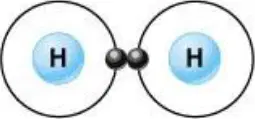
Avery, Aiden, and Samuel are on a science adventure! They discover two hydrogen atoms teaming up to form a molecule of hydrogen gas (H2). According to the diagram, what type of covalent bond do these hydrogen atoms form to become a super duo?
Single covalent bond
Double covalent bond
Triple covalent bond
Ionic bond
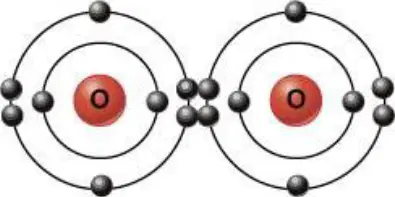
Mia and Mason are on a science adventure! They’re looking at the diagram above and trying to figure out what type of covalent bond forms between two oxygen atoms to create a molecule of oxygen gas (O2). Can you help them solve this bonding mystery?
Single covalent bond
Double covalent bond
Triple covalent bond
Ionic bond
Isla and Benjamin are having a science debate! Isla says hydrogen bonds are super strong, but Benjamin disagrees. Who is right? Hydrogen bonds are considered ______ chemical bonds.
weak
strong
ionic
covalent
Luna, Emma, and Ethan are in science class, and their teacher asks: Which of the following is an example of a synthesis reaction?
ATP loses a phosphate
Amino acids bond to form proteins
Glucose is broken down
Water evaporates
Grace and Zoe are in science class, and their teacher asks: A decomposition reaction is also known as a(n) ________ reaction. Can you help them choose the right answer?
catabolic
anabolic
synthesis
combination
Charlotte, Benjamin, and Zoe are in science class, and their teacher asks: Which of the following is an example of a decomposition reaction?
A) Amino acids bond to form proteins
B) ATP loses a phosphate, releasing energy
C) Water freezes
D) Oxygen combines with hydrogen
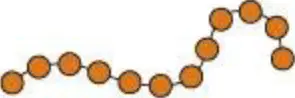
Ethan, Abigail, and Hannah are in science class, and they spot the protein molecule pictured above. Can you help them figure out: What molecules are joined together to build this protein?
Glucose molecules
Amino acids
Glycogen
Fatty acids

Mason, Daniel, and Anika are learning about decomposition reactions in science class. When glycogen breaks down in your body, which type of molecules are released to give you energy?
Protein molecules
Amino acids
Glucose molecules
Fatty acids
Arjun and Avery are having a science debate! Which of the following is a characteristic of inorganic compounds?
Contain carbon
Lack carbon
Are complex compounds
Are always organic
Nora, Liam, and Michael are on a science adventure! They want to know: What is the most abundant inorganic compound in the human body?
Water
Sodium chloride
Calcium carbonate
Oxygen
Rohan, Grace, and Mason are curious: What percentage of your body weight is made up of water? Take a guess!
60-80%
10-20%
30-40%
90-100%
Luna and Mason are having a water balloon fight on a hot day! They notice that the water inside the balloons doesn't heat up quickly, even though it's sunny. Which property of water is responsible for this cool effect?
High heat capacity
Low density
Strong acidity
High electrical conductivity
Imagine Samuel accidentally bumps his head while playing soccer. Does water in his body help protect his brain by providing a cushioning effect?
True
False
Ava and Michael are doing a science experiment to test the pH of different liquids. They want to know: what is the pH of neutral water?
7
5
9
3
Rohan and David are having a science quiz! They stumble upon this question: Enzymes are considered to be
Lipids
Carbohydrates
Proteins
Nucleic Acids
Elijah and Abigail are curious about how reactions happen in our bodies. Can you help them out? What is the purpose of an enzyme?
gives permission for the reaction
raises activation energy
speeds up reactions
controls how many reactions occur
Abigail and Liam are curious about how enzymes work their magic in living cells. Enzymes are known to speed up chemical reactions, but how do they actually do it? Which of the following explains the secret behind enzymes' superpower?
reducing the number of products
reducing the activation energy
increasing the temperature of the cell
increasing the concentration of reactants
Michael and Daniel are in the science lab, and they discover a mysterious substance that an enzyme is about to act upon. What is this substance called?
Coenzyme
Substrate
Vitamin
Polypeptide
Nora and Aria are learning about enzymes in their science class. They discover that enzymes provide a special site where reactants, called substrates, can come together for an enzyme-catalyzed reaction. What is this special site called?
enzyme substrate complex.
reaction site.
active site.
lock and key.
Abigail and Mason are learning about enzymes in science class. What happens to the shape of an enzyme when it is denatured?
It forms a new enzyme
It loses its specific shape
It becomes more active
It remains unchanged
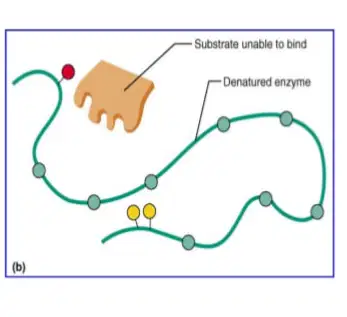
Mason and Isla are looking at the image of a denatured enzyme in science class. They wonder: What happens to enzyme activity when the enzyme gets denatured?
Creates new active sites
Decreases or stops activity
No effect
Increases activity
Aiden, Daniel, and Evelyn are conducting a science experiment in class. They want to find out which things can denature enzymes and stop them from working properly. Can you help them choose the correct options?
Heat
pH change
Cold
Addition of ionic substances
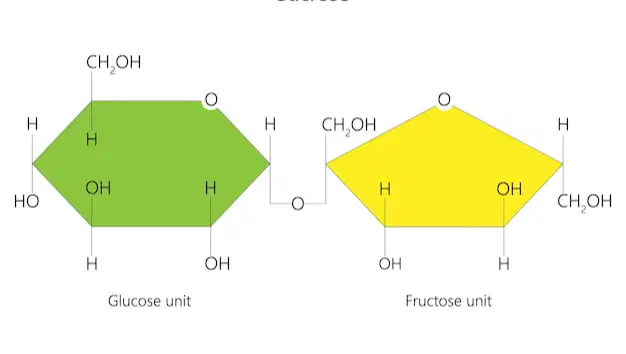
Ava and Ethan are exploring the world of sugars in their science class. They come across this colorful image showing two different units joined together. Can you help them figure out what this image depicts?
polysaccharide
monosaccharide
disaccharide
polypeptide
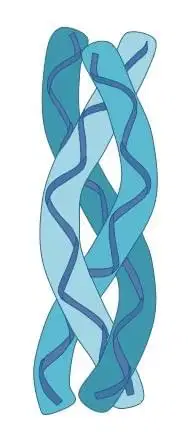
Jackson, Anika, and Daniel are looking at this cool twisted structure in their biology class. Can you help them out by naming this type of protein?
DNA
RNA
quaternary
structural or fibrous
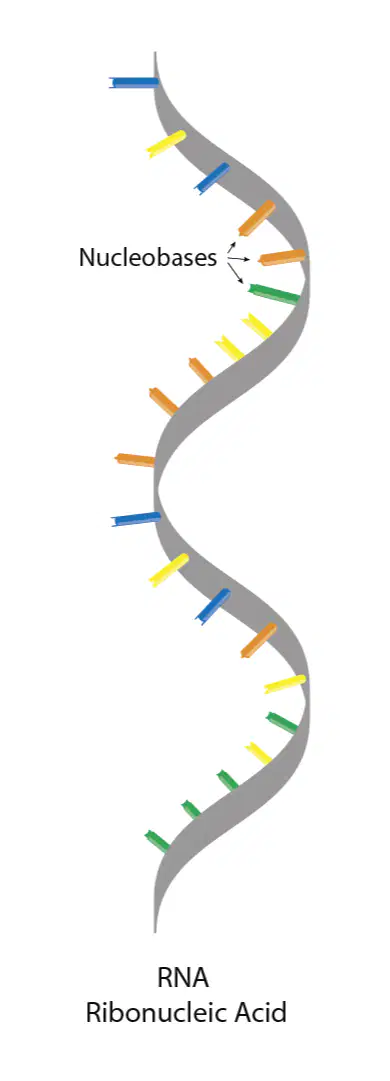
Mia and Mason are exploring the world of RNA in science class. They discover that one base in DNA is swapped out for uracil in RNA. Can you help them figure out which base gets replaced by uracil?
guanine
thymine
adenosine
adenine
Samuel and Grace are having a science quiz! Can you help them answer this: DNA & RNA are ___________ processes.
copacetic
contemporaneously
contemporary
complementary

Benjamin and Aria are working together in the science lab. They discover the DNA strand shown below. Can you help them figure out which of the following DNA bases would perfectly pair with this strand?

Which option is the correct complementary strand?
ATCCGTAC
TACCGATG
CGAATGCG
CGAATGCA
Emma and Liam are having a snack debate! Emma says most saturated fats come from plants and are liquid at room temperature, while Liam disagrees. Who is correct? Most saturated fats come from _______, and are ________ at room temperature.
plants; liquid
animal fats; liquid
animal fats; solid
plants; solid
Zoe and Nora are playing a biology quiz game! Can you help them identify which of the following are common lipids found in the body?
carboxyls
neutral fats (triglycerides)
polysaccarides
phospholipids

