
 Worksheets
A1 Health and Safety in Construction
Total questions: 58
Worksheet time: 29mins
Which item is used to protect your head on a construction site?
Safety goggles
Hard hat
Gloves
Safety boots
The ______ protects your eyes from debris on a construction site.
Safety goggles
Hard hat
Work boots
Gloves
Which item should be worn to protect your hands while working with rough materials?
Gloves
Hard hat
Safety boots
Ear protection

The purpose of wearing a high-visibility vest on a construction site is:
to ensure workers are easily seen for safety reasons
to keep workers warm in cold weather
to protect workers from falling objects
to identify workers' job roles
Which item helps protect your hearing in noisy environments?
Safety boots
Ear protection
Gloves
Respirator mask

The ______ is worn to protect your feet from heavy objects and sharp materials.
Safety boots
Sandals
Sneakers
Slippers

Wearing a respirator mask on a construction site is important because:
it protects workers from inhaling harmful dust and chemicals.
it makes workers look more professional.
it helps workers communicate better.
it keeps workers warm in cold weather.
The importance of health and safety in construction is to:
Prevent accidents and injuries on site.
Increase project costs unnecessarily.
Delay project completion intentionally.
Ignore worker well-being.
Health and safety is important in the workplace because it:
Prevents accidents and injuries
Increases paperwork only
Reduces employee salaries
Encourages unsafe practices
State some statistics on injuries or deaths in UK construction.
In 2022/23, there were 45 fatal injuries to construction workers in the UK.
In 2022/23, there were 5 fatal injuries to construction workers in the UK.
In 2022/23, there were 200 fatal injuries to construction workers in the UK.
In 2022/23, there were 1000 fatal injuries to construction workers in the UK.
The moral responsibility of employers regarding health and safety is to:
Ensure a safe working environment for employees.
Ignore health and safety regulations.
Place profit above employee well-being.
Delegate all safety concerns to employees.
State the legal responsibilities of employers in relation to health and safety.
Employers must ensure a safe working environment and comply with health and safety laws.
Employers are only responsible for employee salaries.
Employers must provide free meals to all employees.
Employers are not required to follow any health and safety regulations.
Impacts of Ignoring Health and Safety: Describe Financial Impact
Ignoring health and safety can lead to increased costs due to accidents and legal penalties.
Ignoring health and safety improves company profits by reducing expenses.
Ignoring health and safety has no effect on financial outcomes.
Ignoring health and safety guarantees higher employee productivity.
The long-term effects of ignoring health and safety in the workplace include:
Increased risk of chronic illnesses and workplace accidents
Improved employee morale and productivity
Reduced need for safety training and equipment
Enhanced company reputation and trust
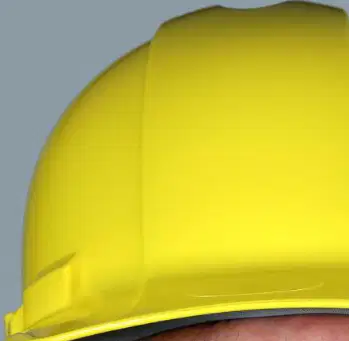
Why is it important to wear hard hats at work?
To look professional
To avoid head injuries
To follow fashion trends
To identify workers

What is one way to prevent accidents and injuries at the workplace?
Ignoring safety rules
Wearing hard hats
Working faster
Skipping safety training
Ensuring ______ measures are followed helps prevent accidents and injuries.
safety
decorative
financial
culinary
Rules are in place for worker protection.
True
False
What is the ultimate goal of workplace safety measures?
To increase company profits
To ensure everyone goes home safe and sound
To reduce working hours
To avoid wearing uniforms
How many fatal injuries were reported in the UK construction sector in 2019?
20
40
60
100
Over 60,000 non-fatal injuries were reported in the UK construction sector in 2019.
True
False
What is the importance of safety protocols in the construction sector?
To increase productivity
To reduce fatalities
To lower costs
To improve design
The need for adherence to ______ measures is highlighted in the statistics on non-fatal injuries in construction.
safety
financial
marketing
decorative
Which organization reports statistics on injuries and fatalities in UK construction?
Health and Safety Executive (HSE)
National Health Service (NHS)
Construction Industry Training Board (CITB)
Department for Transport
The Health and Safety Executive (HSE) focuses on improving safety in construction.
True
False
One aspect of moral responsibility of workers is ________ personal safety.
ensuring
ignoring
neglecting
avoiding
Workers have a moral responsibility to protect ________ from harm.
colleagues
machinery
documents
profits
Which of the following is an importance of following safety rules?
Increasing profits
Preventing accidents and injuries
Reducing work hours
Promoting competition
Creating a ________ work environment is part of following safety rules.
safe
dangerous
messy
uncomfortable

Looking out for each other helps build a supportive workplace.
True
False

Encouraging mutual care and ________ is part of looking out for each other.
vigilance
competition
neglect
ignorance
Which of the following is NOT mentioned as a moral responsibility in the workplace?
Building a supportive workplace
Ensuring personal safety
Competing with colleagues
Protecting colleagues from harm
According to the Health and Safety at Work Act 1974, who has responsibilities for workplace safety?
Employers and employees
Only employers
Only employees
Visitors only
What is the main purpose of the Health and Safety at Work Act 1974?
To set out responsibilities for employers and employees
To ensure workplace safety
To provide health insurance
To regulate working hours
Legal requirements for workplace safety include maintaining a safe working environment.
True
False
Who do the legal requirements for workplace safety apply to?
Only employers
Only workers
All employers and workers
Only managers
What are the consequences of not following workplace safety laws?
Severe penalties
Extra vacation days
Promotion opportunities
Free lunch vouchers
Flexible work hours
What is an example of a fine for a safety breach mentioned in the 'Financial Impact' slide?
£10,000
£100,000
£1,000,000
£50,000
According to the 'Financial Impact' slide, money spent on fines could be used for what instead?
Better equipment or wages
Office decorations
Marketing campaigns
Employee travel expenses
Lost workdays due to injuries can impact productivity, as mentioned in the 'Financial Impact' slide.
True
False
List two consequences of lost workdays due to injuries as described in the 'Financial Impact' slide.
Workers taking time off; Impact on productivity
Increase in vacation days; More team outings
Improved employee morale; Reduced costs
Faster project completion; Higher profits

What is one long-term effect of injuries on a person's career?
Injuries can end careers, especially in physically demanding jobs
Injuries always lead to promotions
Injuries have no impact on careers
Injuries only affect hobbies

A construction worker with a ______ injury may never return to the field.
back
hand
eye
foot

Which of the following is a long-term effect of injury on income and quality of life?
Loss of income due to inability to work
Increased income
No change in income
Guaranteed job security

Decreased quality of life from chronic ______ or disability is a long-term effect of injury.
pain
hunger
wealth
exercise
Based on the case study of the UK construction accident, what was the main cause of the worker's severe injury?
Lack of proper safety harnesses
Poor weather conditions
Faulty equipment
Inadequate training
Strict adherence to ________ is essential for the prevention of accidents and injuries at construction sites.
safety protocols
work schedules
budget plans
design aesthetics
What safety measure is highlighted as important in preventing construction site accidents according to the case study?
Wearing personal protective equipment
Increasing work hours
Ignoring safety protocols
Reducing the number of workers on site
Personal Impact of Health and Safety: Consider the emotional and physical consequences of injuries. Reflect on the importance of safety protocols.
Safety protocols help prevent emotional and physical harm.
Ignoring safety protocols increases workplace happiness.
Injuries have no impact on emotional well-being.
Physical injuries are always unavoidable.
Group Discussion: What is the significance of health and safety measures?
They help prevent accidents and promote well-being.
They are only important in hospitals.
They are not necessary in schools.
They only apply to outdoor activities.
Preventing Injuries: Safety protocols play a crucial role in preventing accidents. What is essential for ensuring safety in the workplace?
Vigilance and adherence to safety protocols
Ignoring safety signs
Rushing through tasks
Neglecting safety equipment
Empathy and responsibility involve thinking about the impact on others and developing a sense of responsibility towards what?
Safety
Wealth
Popularity
Competition
State statistics on injuries or deaths in UK construction.
In 2022/23, there were 45 fatal injuries to workers in UK construction.
In 2022/23, there were 200 fatal injuries to workers in UK construction.
In 2022/23, there were 5 fatal injuries to workers in UK construction.
In 2022/23, there were 100 fatal injuries to workers in UK construction.
Moral responsibility in the context of health and safety in UK construction refers to:
Ensuring the well-being of workers and preventing harm through ethical practices.
Maximizing profits regardless of safety concerns.
Ignoring safety regulations if deadlines are tight.
Leaving safety decisions solely to individual workers.
State legal responsibility regarding health and safety in UK construction.
Employers and employees must ensure health and safety at work.
Only employees are responsible for health and safety.
Only employers are responsible for health and safety.
Health and safety is not a legal requirement in UK construction.
The impacts of ignoring health and safety in UK construction include:
Increased risk of accidents and injuries
Improved worker productivity
Lower insurance premiums
Enhanced company reputation
The financial impact of ignoring health and safety in UK construction includes:
Increased costs due to accidents and legal penalties
Reduced insurance premiums
Higher worker productivity without safety measures
Lower project costs due to fewer regulations
The long-term effects of ignoring health and safety in UK construction include:
Increased accidents and long-term health issues
Improved worker morale and productivity
Reduced construction costs and faster project completion
Enhanced reputation of construction companies

