
 Worksheets
Introduction to Filipino Culture
Total questions: 80
Worksheet time: 40mins
Which cultures have influenced Filipino cultural heritage?
Malay, Chinese, Spanish, and American
Indian, British, French, and German
Japanese, Korean, Thai, and Vietnamese
Russian, Italian, Greek, and Egyptian
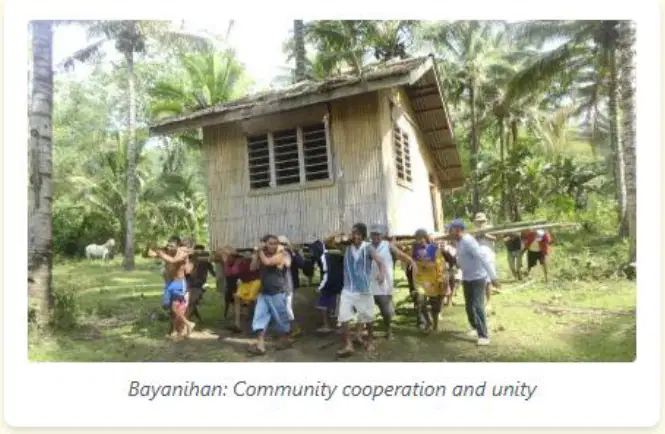
What is the term used to describe community cooperation and unity in Filipino culture?
Bayanihan
Fiesta
Mano
Balikbayan
Filipino culture is characterized by strong communal bonds, deep family connections, and enduring social ties.
True
False
Which value is NOT emphasized in Filipino cultural heritage?
Harmony
Respect
Individualism
Reciprocal relationships
Understanding Filipino values enables more ________ management of Filipino teams and organizations.
effective
difficult
random
inefficient
Filipino values significantly impact leadership styles, decision-making processes, and workplace dynamics.
True
False
What foundation is created by Filipino values in professional relationships?
Competition
Trust and loyalty
Independence
Secrecy
What does 'Kapamilya' literally mean in Filipino identity?
A) Part of the family
B) Friend
C) Leader
D) Neighbor
Kapamilya emphasizes the centrality of ______ in Filipino identity.
family
religion
wealth
education
Which of the following is included in extended family networks according to Filipino values?
Only blood relatives
Non-blood relatives (compadres and comadres)
Only immediate family
Only friends
Filipino family orientation prioritizes ______ over individual interests in decision-making and resource allocation.
familial welfare
personal gain
material wealth
social status
Organizations that foster a ______ atmosphere typically gain higher employee loyalty and commitment.
Competitive
Family-like
Formal
Individualistic
Employees often develop strong loyalty to managers who show personal interest in their wellbeing.
True
False
Decision-making in Filipino organizations may be influenced by ______ obligations and considerations outside standard business metrics.
familial
technological
environmental
legal
Favoritism or nepotism can occur in organizations if not properly balanced with ______ standards.
Professional
Familial
Cultural
Social
Which of the following is a strength of Filipino family orientation in organizations?
Potential nepotism
Strong team cohesion
Difficulty separating roles
Personal over professional
What is Pakikipagkapwa?
A Filipino dish
A core Filipino value emphasizing the importance of treating others as fellow human beings with dignity and respect
A type of dance
A holiday
Pakikipagkapwa is rooted in the concept of "Kapwa" or shared identity—the belief that the self is not separate from others.
True
False
Pakikipagkapwa promotes social harmony through empathy, sensitivity to others' feelings, and avoiding direct confrontation.
True
False
Name one organizational implication of Pakikipagkapwa mentioned in the text.
Fosters strong team cohesion and collaboration through a sense of shared purpose and community; creates supportive work environments; may lead to consensus-driven decision making.
Encourages strict individualism and competition among team members.
Promotes hierarchical barriers and discourages open communication.
Leads to frequent conflicts and lack of cooperation within teams.
Which level of Pakikipagkapwa is described as 'Getting along with others'?
Pakikisama
Pakikiisa
Pakikipagpalagayang-loob
Pakikipagkaisa
Fill in the blank: Pakikipagpalagayang-loob means _________.
Mutual trust
Self-reliance
Competition
Indifference

What does the image on the right exemplify?
Filipino community cooperation exemplifying Pakikipagkapwa
A traditional Filipino dance performance
A Filipino festival parade
A classroom setting in the Philippines
What does 'Utang na Loob' primarily refer to in Filipino culture?
Financial debt
A profound sense of indebtedness and obligation to repay someone who has done a favor or shown kindness
Friendship
Business transaction
Which of the following best describes the impact of 'Utang na Loob'?
It is a simple thank you
It creates a lifelong moral obligation that can span generations
It is only relevant in business
It is a legal requirement
Fill in the blank: 'Utang na Loob' is deeply embedded in Filipino society as a ______ that builds lasting relationships.
social currency
legal contract
economic policy
religious ritual
In the workplace, 'Utang na Loob' can create strong loyalty bonds between employees and leaders who provide opportunities or support.
True
False
Which of the following is a workplace implication of 'Utang na Loob'?
It can affect decision-making processes when personal obligations compete with organizational objectives
It always leads to conflict
It is not relevant to promotions
It discourages teamwork
Fill in the blank: 'Utang na Loob' may lead to extended networks of ______ that influence hiring, promotions, and work assignments.
reciprocity
competition
isolation
conflict

What are the three stages in the Utang na Loob Cycle as shown in the diagram?
Gift Received → Happiness → Debt Paid
Favor Given → Gratitude Felt → Obligation Formed
Money Lent → Gratitude → Obligation
Help Given → Friendship → Payment

According to the Utang na Loob Cycle, a debt of gratitude cannot be paid with money.
True
False
What is the definition of Hiya as described in the worksheet?
Self-esteem and dignity
A profound sense of shame or embarrassment arising from failing to meet social expectations or norms
A type of workplace communication
A method of conflict resolution
What does Amor Propio refer to according to the worksheet?
A) A type of criticism
B) Self-esteem, dignity, and personal honor; a core element of Filipino identity
C) Public embarrassment
D) Workplace confrontation
These interrelated values create a ________ where fear of shame and desire to maintain dignity guide behavior.
powerful social regulatory system
random economic structure
technological innovation hub
isolated cultural phenomenon
According to the worksheet, employees may avoid direct criticism or confrontation to prevent causing others to lose face.
True
False
Fear of public embarrassment may lead to ________ in asking questions or admitting lack of understanding.
hesitation
enthusiasm
confidence
eagerness
Which of the following is NOT an impact on conflict resolution mentioned in the worksheet?
Avoid Direct Confrontation
Euphemistic Language
Focus on Harmony
Direct Criticism
What does 'Focus on Harmony' mean in the context of conflict resolution?
A) Prioritizing relationships over issues
B) Using direct criticism
C) Admitting lack of understanding
D) Avoiding communication
What does Pakikipagkunware (SIR - Smooth Interpersonal Relations) refer to?
The practice of maintaining harmonious relationships by avoiding confrontation and prioritizing group cohesion
The virtue of humility, demonstrating respectful deference and modesty in interactions with others
Direct feedback in workplace communication
Individual expression over group harmony
Fill in the blank: Pakikipagkumbaba is the virtue of ________, demonstrating respectful deference and modesty in interactions with others.
humility
bravery
generosity
honesty
Which value is often prioritized over individual expression in Filipino society?
Group harmony
Direct feedback
Individual achievement
Conflict resolution
Employees practice ________ communication to maintain harmony, using euphemisms and non-verbal cues to convey difficult messages.
indirect
direct
assertive
aggressive
Leaders demonstrate pakikisama by:
Being approachable and showing care beyond professional concerns
Giving direct feedback
Prioritizing individual expression
Avoiding group harmony
Which of the following is a positive aspect of these values in organizations?
Cohesive teams
Increased conflict
Lack of respect
Reduced harmony

The image showing team harmony and collaboration in Filipino workplace culture illustrates which Filipino workplace value?
Pakikisama (getting along with others)
Hiya (sense of shame)
Utang na loob (debt of gratitude)
Bayanihan (community spirit)
Which management consideration is important for balancing harmony and growth in organizations?
Encourage feedback
Create safe spaces
Balance harmony & growth
All of the above
Which of the following best describes 'Friendliness & Hospitality' in Filipino temperament characteristics?
Exceptionally warm, welcoming, and gregarious even to strangers
Difficulty saying 'no' directly
More emotionally expressive than other Asian cultures
High importance placed on maintaining dignity
What does 'Optimism & Resilience' mean in the context of Filipino temperament characteristics?
Maintain positive outlook and humor despite challenges
Preference for euphemisms and non-confrontational language
Exceptionally warm, welcoming, and gregarious
High importance placed on maintaining dignity
Fill in the blank: 'Emotional Expressiveness' in Filipino temperament means being more emotionally expressive than other Asian cultures yet with ______ restraint.
Eastern
Western
Minimal
Complete
Which communication style is characterized by a preference for euphemisms and non-confrontational language?
Indirect Communication
Conflict Avoidance
Face-Saving
Emotional Expressiveness
What is 'Conflict Avoidance' in Filipino communication and conflict style?
Difficulty saying 'no' directly; may say 'yes' or 'maybe' when meaning 'no'
Exceptionally warm, welcoming, and gregarious
Maintain positive outlook and humor despite challenges
High importance placed on maintaining dignity
Fill in the blank: 'Face-Saving' places high importance on maintaining ______ and avoiding embarrassment.
dignity
wealth
popularity
strength

Which of the following is NOT listed as a Key Adaptive Trait in Filipino temperament?
Resilience
Adaptability
Empathy
Assertiveness
What is the consensus-oriented approach in decision-making called in Filipino organizational behavior?
Pakikisama
Bayanihan
Utang na Loob
Hiya
Which Filipino value refers to decisions influenced by relationship preservation and face-saving?
Hiya
Bayanihan
Pakikisama
Utang na Loob
In Filipino organizational behavior, what is the term for deep concern shown by leaders beyond professional matters?
Malasakit
Pakikisama
Bayanihan
Utang na Loob
What is the Filipino term for community-oriented leadership that balances authority?
Bayanihan
Pakikisama
Utang na Loob
Mano Po
Which value influences loyalty to supportive leaders in Filipino organizations?
Utang na loob
Bayanihan
Pakikisama
Hiya
Which of the following is NOT a characteristic of Filipino teamwork dynamics?
Strong collective identity
Team success prioritized over individual recognition
Individual achievement over group harmony
Conflict avoidance strategies
Motivation in Filipino employee engagement is primarily driven by:
Financial incentives
Family welfare and personal relationships
Competition
Individual recognition
In Filipino organizations, recognition and praise, especially public, are highly valued motivators.
True
False
Filipino leadership styles prefer impersonal relationships over personalized relationships.
True
False
What does 'Bayanihan spirit' foster in the workplace?
Individual achievement
Natural teamwork and collective problem-solving approaches
Competition among team members
Strict hierarchy
Which Filipino value encourages deeper team relationships beyond transactional interactions?
Pakikisama
Pakikipagkapwa
Bayanihan spirit
Utang na loob
Pakikisama promotes smooth interpersonal dynamics, reducing team _______.
conflict
cooperation
motivation
success
Adaptability during challenges is demonstrated by the Filipino 'bahala na' attitude.
True
False
High morale in Filipino organizations is maintained through emphasis on positivity and relationship-focused work environment.
True
False
Utang na loob creates deep organizational loyalty and commitment beyond transactional _______.
employment
friendship
ownership
leadership

Which key organizational strength is described as 'Resourcefulness in limited resources'?
Strong Support Networks
Creative Problem-Solving
Emotional Intelligence
Client Relationship Skills

Emotional Intelligence in Filipino organizations refers to high social awareness and _______.
empathy
competition
indifference
ignorance

Client Relationship Skills in Filipino organizations are characterized by natural hospitality and _______ orientation.
service
profit
competition
technology
Which Filipino values significantly shape workplace dynamics by emphasizing group harmony and interpersonal relationships?
Individualism
Kapwa and Pakikisama
Competition
Independence
What do Kapwa (shared identity) and Pakikisama (smooth interpersonal relations) strengthen in organizations?
A) Team cohesion and loyalty
B) Conflict
C) Hierarchy
D) Individualism
Hiya and Amor Propio influence communication styles, conflict resolution, and feedback mechanisms.
True
False
Filipino temperament balances collectivist values with a strong sense of personal dignity and family orientation.
True
False
Which leadership style is recommended for organizations in the Philippines?
Autocratic leadership
Trust-based leadership
Laissez-faire leadership
Transactional leadership
Indirect feedback mechanisms in Filipino organizations help preserve ______ while ensuring clear communication.
dignity
conflict
distance
ambiguity
Group incentives are recommended to leverage which Filipino spirit?
Bayanihan
Individualism
Competition
Hierarchy
Conflict resolution protocols in Filipino organizations should respect cultural values while addressing issues directly.
True
False
What are the four steps in the Framework for Cultural Integration in Organizations?
A) Understand Values, Build Relationships, Adapt Systems, Measure Success
B) Plan, Organize, Lead, Control
C) Recruit, Train, Evaluate, Promote
D) Communicate, Collaborate, Innovate, Succeed

