
 Worksheets
Fitness Chapter 7 Test
Total questions: 17
Worksheet time: 9mins
Decide whether each of the following statements is true or false. Write True or False in the blank beside each statement. 5. All joints allow some degree of movement.
True
False
Decide whether each of the following statements is true or false. Write True or False in the blank beside each statement. 6. Muscles allow movement by contraction only.
True
False
Decide whether each of the following statements is true or false. Write True or False in the blank beside each statement. 7. Arthritis, osteoporosis, and osteosarcoma can affect a person's muscles.
True
False
Huffing—intentionally inhaling chemical substances to cause a feeling of euphoria—is dangerous and can lead to lung or brain damage and even death.
True
False
Decide whether each of the following statements is true or false. Write True or False in the blank beside each statement. 9. Someone who sits most of the day is said to have a sedentary lifestyle.
True
False
The involuntary muscles that line organs of the respiratory and digestive systems, helping with breathing, digestion, and waste removal, are called ________ muscles.
smooth
skeletal
cardiac
striated
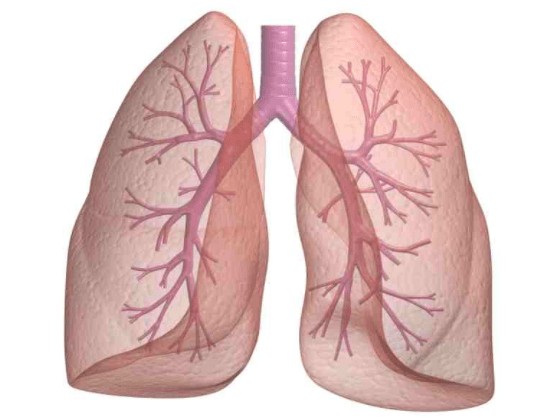
The large, flat muscle that is found below the lungs and plays a large part in respiration is called the ________.
diaphragm
trachea
bronchus
alveolus
Describe the path blood follows as it moves from the heart to the cells and back to the heart.
Blood leaves the heart in arteries, reaches the body's cells in capillaries, and then returns to the heart in veins.
Blood leaves the heart in veins, reaches the body's cells in arteries, and then returns to the heart in capillaries.
Blood leaves the heart in capillaries, reaches the body's cells in veins, and then returns to the heart in arteries.
Blood leaves the heart in arteries, reaches the body's cells in veins, and then returns to the heart in capillaries.
Name three physical activities that should be done as much as possible (every day).
Walking, taking the stairs, playing with children, walking the dog, working around the house (any three).
Watching TV, playing video games, sitting at a desk all day.
Eating snacks, sleeping, reading books only.
Driving everywhere, using elevators, avoiding outdoor activities.
Which of the following is a disease of the bones?
fibromyalgia
Lyme disease
multiple sclerosis
osteoporosis
About what percentage of adolescents don’t get the proper amount of physical activity per day?
17
26
47
81
Which of the following are types of joints found in the body?
A freely movable
B immovable
C incrementally movable
D variably movable
Regular physical activity can reduce your chances of getting which of the following conditions?
heart disease
Lyme disease
malaria
stroke
The importance of exercise in overall health is:
It helps maintain physical and mental well-being.
It has no effect on health.
It only benefits athletes.
It is harmful to the body.


Skeletal Muscles use (blank) to connect muscles to bones.
Smooth Muscles
Tendons
Cardiac Muscles
Skeletal bones

