
Font size
 Worksheets
Unit Student Learning Outcomes
Total questions: 96
Worksheet time: 48mins
Identify primary and accessory structures and functions of the lymphatic system.
Primary structures include lymph nodes and spleen; accessory structures include tonsils and thymus. Functions include fluid balance, immune response, and absorption of fats.
Primary structures include heart and lungs; accessory structures include kidneys and liver. Functions include oxygen transport and waste removal.
Primary structures include bones and muscles; accessory structures include skin and hair. Functions include movement and protection.
Primary structures include pancreas and gallbladder; accessory structures include stomach and intestines. Functions include digestion and hormone regulation.
Cell mediated and antibody mediated immunity pathways differ in their mechanisms and roles. Which of the following best describes this difference?
Cell mediated immunity involves T cells targeting infected cells, while antibody mediated immunity involves B cells producing antibodies against pathogens.
Cell mediated immunity involves B cells producing antibodies, while antibody mediated immunity involves T cells attacking infected cells.
Both pathways only involve the production of antibodies.
Both pathways only involve the activation of macrophages.
Summarize the active and passive arms of innate and adaptive immunity (CLSO 1, 2, 3, 4).
Active immunity involves the body's own immune response, while passive immunity involves receiving antibodies from another source; both can be innate or adaptive.
Active immunity is only present in adaptive immunity, while passive immunity is only present in innate immunity.
Passive immunity requires vaccination, while active immunity does not.
Innate immunity is always passive, and adaptive immunity is always active.
What does the immune system protect us from?
Bacteria, viruses, and cancer cells
Only bacteria
Only viruses
Only cancer cells
The lymphatic system helps with both ______ and fluid balance.
defense
digestion
respiration
movement
What is lymph?
A) A type of cell
B) Fluid that drains from tissues and returns to the blood
C) A type of organ
D) A protein
Which of the following is a function of lymph nodes?
Carry fluid
Filter the lymph to remove harmful substances
Create immune cells
Store fat
Lymphatic vessels carry fluid (lymph) and help ______ harmful substances.
remove
produce
ignore
spread
Which lymphoid organs help create or filter immune cells?
Heart and lungs
Thymus and spleen
Kidneys and liver
Pancreas and stomach
What is the fluid called when blood plasma leaks out of capillaries into tissue spaces?
Lymph
Interstitial fluid (IF)
Plasma
Serum
Most interstitial fluid (IF) goes back into capillaries, but some stays behind. What happens to the leftover IF?
It becomes plasma
It enters lymphatic capillaries and is called lymph
It evaporates
It becomes serum
Fill in the blank: Lymph helps _______ swelling and supports fluid balance.
prevent
increase
cause
ignore
Arrange the following in the correct sequence of fluid transformation: Blood → _______ → Lymph
Interstitial fluid
Plasma
Serum
Urine
Lymph supports fluid balance in the body.
True
False
Which college is credited in the image for the information on the formation of lymph?
Harvard College
Galen College of Nursing
Oxford College
Yale College
Lymphatic capillaries are thin and porous. What does this allow to enter?
Large molecules (like proteins)
Red blood cells
Oxygen molecules
Platelets
Lymph flows in one direction only.
True
False
What keeps lymph moving forward and prevents backflow?
Valves
Arteries
Capillaries
Muscles
Lymph drains into which two main ducts?
Right lymphatic duct and Thoracic duct
Superior vena cava and Subclavian vein
Jugular vein and Brachiocephalic vein
Left lymphatic duct and Inferior vena cava
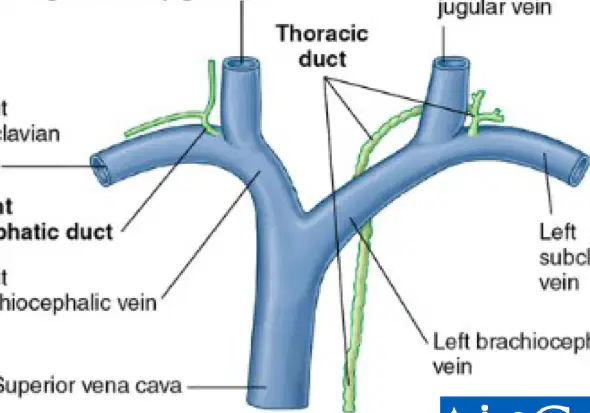
Which duct drains lymph from the right upper body?
Thoracic duct
Right lymphatic duct
Left subclavian vein
Superior vena cava
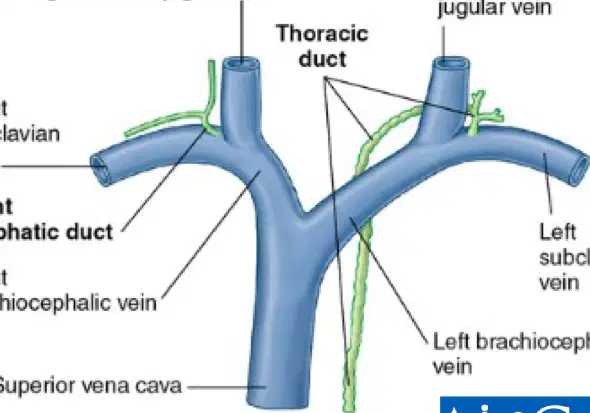
The thoracic duct drains lymph from which side of the body?
Right side
Left side and most of the body
Only the head
Only the arms
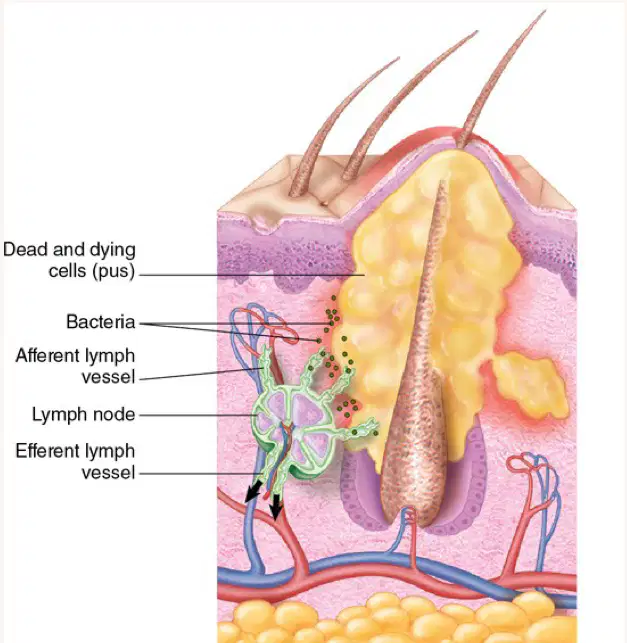
Lymphatic nodes are located in clusters along ________ vessels.
lymphatic
arterial
venous
capillary
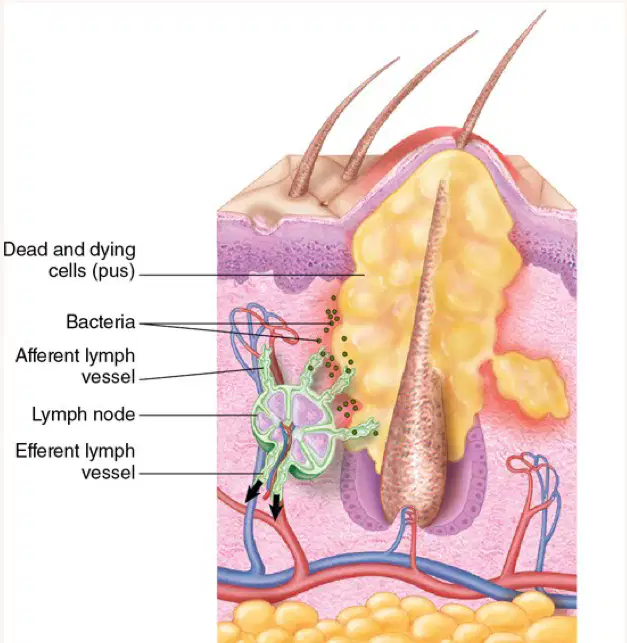
What type of structure are lymphatic nodes?
Solid organs
Hollow capsules
Dense tissues
Fluid sacs
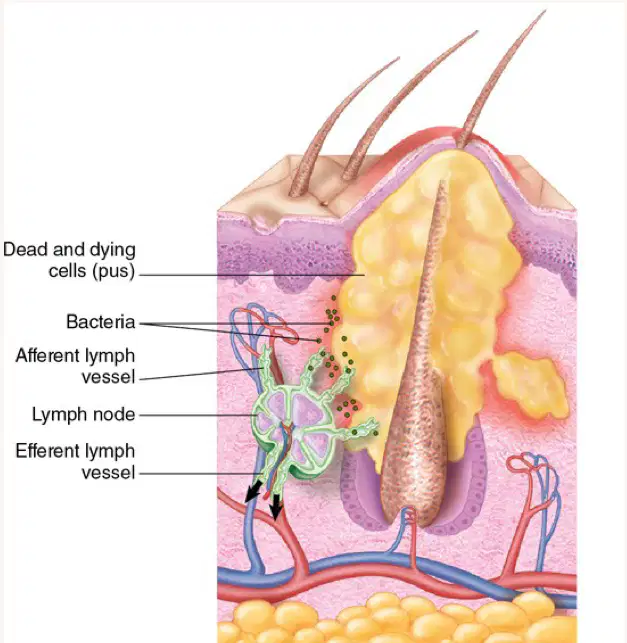
What is the function of lymphatic nodes regarding bacteria and abnormal cells?
They produce bacteria
They filter bacteria and abnormal cells and prevent the spread of infection
They store bacteria
They destroy healthy cells
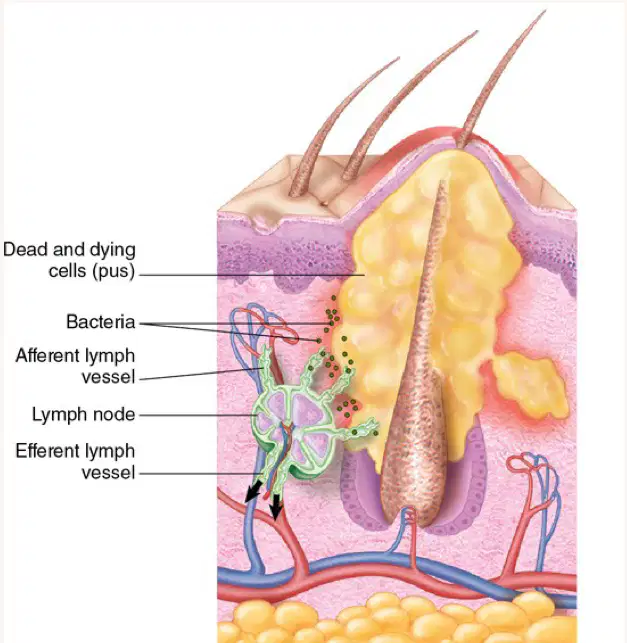
Lymphatic nodes may become enlarged when an infection is present.
True
False
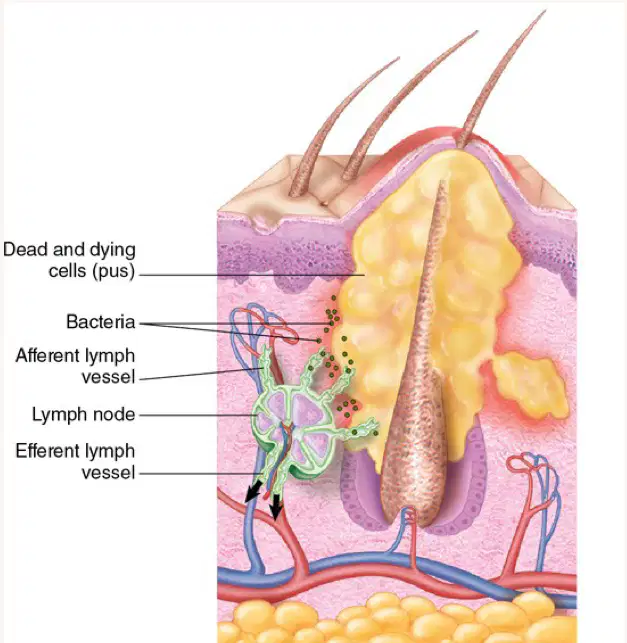
Lymphatic nodes may serve as a pathway for cancer to spread.
True
False
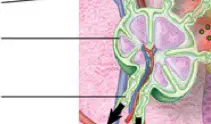
Identify the structure labeled 'Lymph node' in the diagram.
The green, bean-shaped structure in the diagram is the lymph node.
The long, tubular structure in the diagram is the lymph node.
The circular, red structure in the diagram is the lymph node.
The yellow, star-shaped structure in the diagram is the lymph node.
What is the function of afferent lymphatic vessels in lymph nodes?
Carry lymph out of the node
Carry lymph into the node
Trap debris
Destroy pathogens
Lymph flows slowly through ______ in the cortex and medulla.
sinuses
arterioles
capillaries
ducts
What is the function of efferent lymphatic vessels?
Carry filtered lymph out of the node
Carry lymph into the node
Trap debris
Filter breast lymph
Fewer efferent than afferent vessels slows flow for better ______.
filtration
absorption
diffusion
secretion
Which process involves reticular fibers trapping debris in lymph node filtration?
Mechanical
Biological
Chemical
Physical
Which process involves immune cells destroying pathogens (phagocytosis) in lymph node filtration?
Mechanical
Biological
Chemical
Physical
Swollen nodes are a sign of ______ activity (e.g., infection).
immune
digestive
respiratory
muscular
Axillary nodes filter breast lymph and are critical in cancer spread (metastasis).
True
False
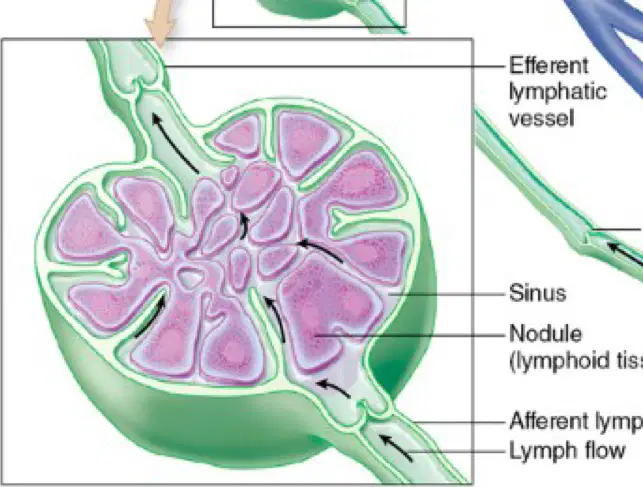
Label the following parts on the lymph node diagram: efferent lymphatic vessel, afferent lymphatic vessel, sinus, nodule (lymphoid tissue), valve, lymph flow.
Efferent lymphatic vessel, afferent lymphatic vessel, sinus, nodule (lymphoid tissue), valve, lymph flow (as labeled in the diagram).
Efferent lymphatic vessel, afferent lymphatic vessel, cortex, medulla, artery, vein.
Sinus, nodule (lymphoid tissue), afferent lymphatic vessel, efferent lymphatic vessel, capsule, trabeculae.
Valve, lymph flow, cortex, medulla, afferent lymphatic vessel, efferent lymphatic vessel.
What is the function of the tonsils?
Stop germs from getting through the throat.
Help in digestion of food.
Produce insulin in the body.
Filter blood in the kidneys.
What is the function of the spleen?
Filters blood, destroys old red blood cells.
Produces insulin for glucose regulation.
Stores bile for fat digestion.
Absorbs nutrients from food.
What is the function of the thymus?
Helps develop T-cells, which fight infection.
Produces insulin for blood sugar regulation.
Stores bile produced by the liver.
Filters waste from the blood.
What is the function of lymph nodes?
Found in groups; filter harmful substances and swell when fighting infections.
Produce insulin to regulate blood sugar levels.
Store red blood cells for emergencies.
Transport oxygen directly to tissues.
What is the primary function of tonsils as described in the slide?
Help with digestion
Act as immune guards with white blood cells
Produce saliva
Aid in speech
Tonsils help to detect and fight infections early.
True
False
Why is tonsil removal (tonsillectomy) performed?
Done when tonsils are chronically infected or if breathing is affected.
To improve eyesight.
To treat broken bones.
To reduce hair loss.
Filtering bacteria and viruses near the mouth is especially important in which group?
Adults
Children
Elderly
Teenagers
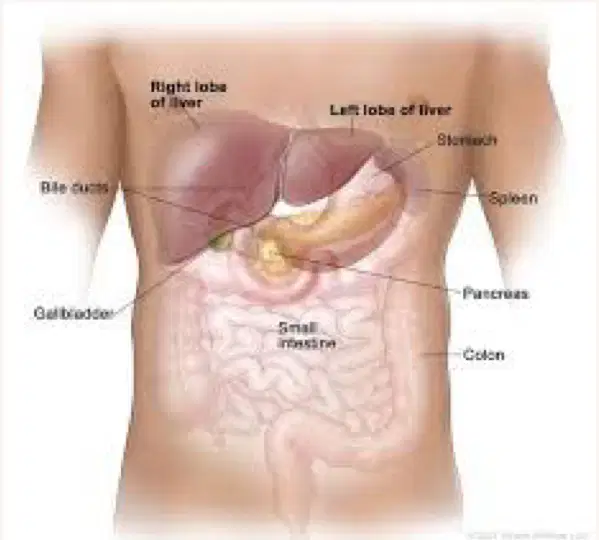
Which organ is the largest lymphoid organ located in the LUQ (upper left abdomen)?
Liver
Spleen
Pancreas
Gallbladder
The spleen filters blood by removing bacteria, debris, and worn-out red blood cells.
True
False
What type of cells does the spleen store for tissue repair and blood emergencies?
Monocytes
Erythrocytes
Neutrophils
Lymphocytes
How much blood can the spleen hold up to?
100 mL
250 mL
500 mL
1000 mL
If the spleen is damaged, it may be removed in a procedure called ________.
splenectomy
appendectomy
nephrectomy
gastrectomy
You can live without a spleen because other organs take over its functions.
True
False
Where is the thymus gland located?
Mediastinum
Abdomen
Brain
Pelvis
What key role does the thymus gland play in the body?
A) Digestion
B) Early immune system development
C) Respiration
D) Excretion
The thymus gland is largest at puberty and then shrinks with age.
True
False
The thymus gland is the site of ______ maturation.
T-Lymphocyte
B-Lymphocyte
Erythrocyte
Platelet
What happens to the thymus gland after puberty?
It grows larger
It shrinks
It stays the same size
It disappears completely
What does the thymus gland produce to support T cells?
Insulin
Thymosins
Adrenaline
Melatonin
Refer to the diagram labeled 'Anatomy of the Thymus Gland'. Which organ is located directly below the thymus gland?
Heart
Liver
Lung
Stomach
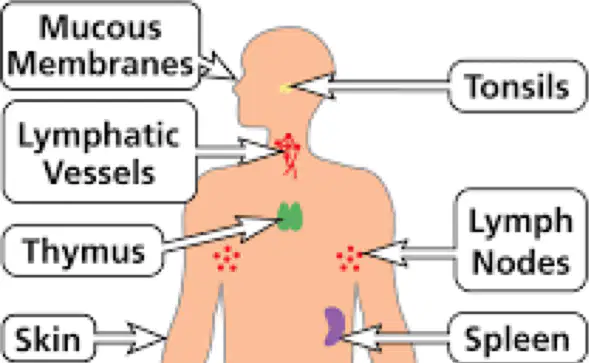
Tonsils & Mucous Membranes: ________ line of defense, trapping pathogens.
First
Second
Third
Fourth
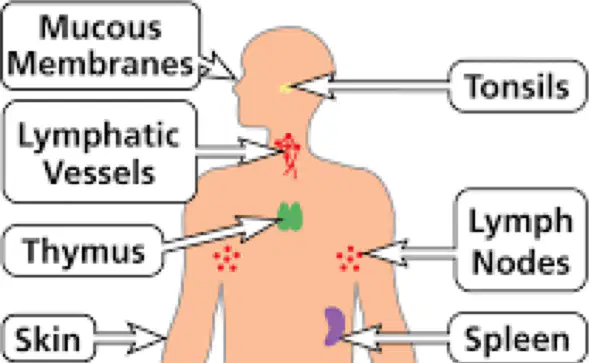
Lymph Nodes & Vessels: ________ and filter harmful invaders.
Transport
Store
Digest
Produce
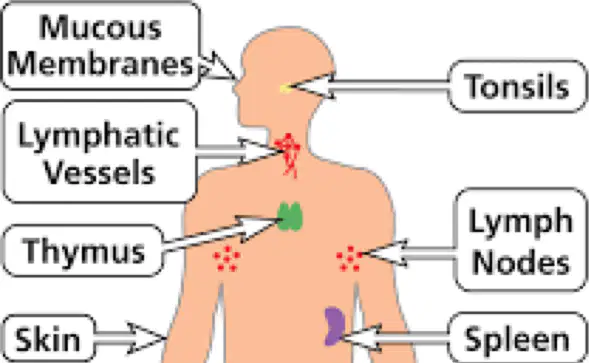
Thymus: Helps develop immune cells (________ cells).
T
B
NK
M
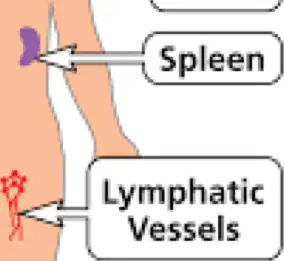
Spleen: Filters blood and removes ________ materials.
unwanted
nutritious
essential
valuable
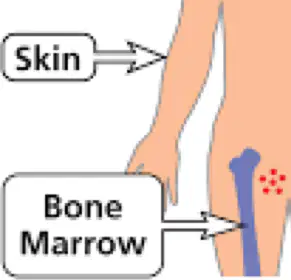
Bone Marrow: Produces immune cells like ________ blood cells.
white
red
blue
yellow
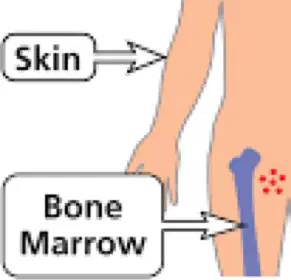
Skin: Acts as a ________ barrier to prevent pathogens from entering.
physical
chemical
thermal
electrical
Fill in the blank: The ________ system consists of all the cells and tissues that protect against foreign organisms or any cells different from our own normal cells.
immune
digestive
respiratory
nervous

What does the immune system do to germs?
Fights off germs
Feeds germs
Ignores germs
Creates germs
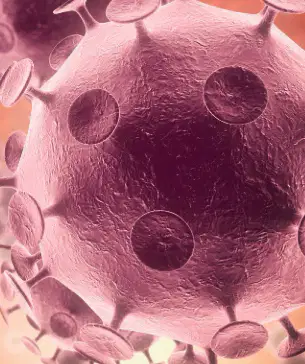
What does the immune system identify as invaders?
Bacteria and viruses
Water and oxygen
Nutrients and vitamins
Red blood cells
What does the immune system create to help fight infections?
Antibodies
Enzymes
Hormones
Platelets
What does the immune system remember to help protect the body in the future?
Past infections
Current medications
Daily diet
Physical exercise
What type of cells does the immune system destroy?
Infected cells
Healthy cells
Muscle cells
Nerve cells
What does the immune system clean up in the body?
Dead cells
Sugar molecules
Oxygen
Water
What serious disease does the immune system help fight?
Cancer
Common cold
Headache
Sprain
What does 'innate' immunity mean?
Immunity acquired after exposure
Immunity you are born with
Immunity from vaccines
Immunity from medication
Innate immunity is also called ________ immunity.
nonspecific
adaptive
acquired
passive
Which of the following is NOT an example of an innate defense?
A) Skin and mucous membranes
B) Tears and mucus
C) Phagocytosis
D) Antibody production
Skin and mucous membranes act as physical barriers, stopping bacteria, viruses, and harmful chemicals from entering the body.
True
False
What is the function of tears in innate immunity?
They produce antibodies
They wash away irritants from eyes
They trap dust in the lungs
They digest bacteria
White blood cells such as neutrophils and macrophages perform ________, which means they 'swallow and digest' invading bacteria and damaged cells.
phagocytosis
osmosis
diffusion
exocytosis
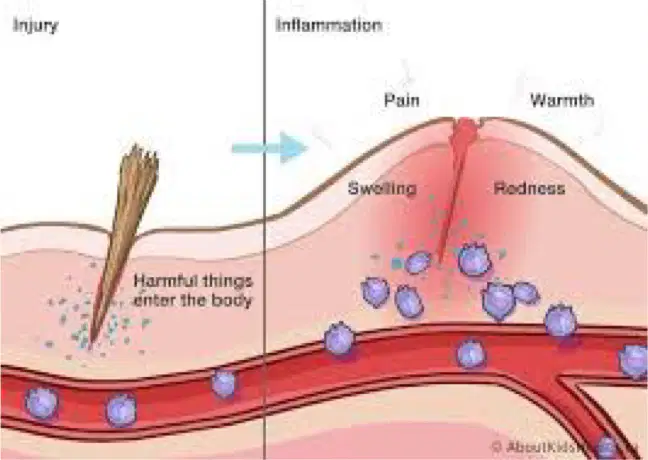
What triggers the inflammatory response as part of innate immunity?
A) Tissue damage or infection
B) Allergies
C) Dehydration
D) High blood pressure
Which chemical signals are released during the inflammatory response?
Hormones
Cytokines
Enzymes
Neurotransmitters
The process of attracting white blood cells (WBCs) to the area of injury is called _______.
chemotaxis
phagocytosis
osmosis
apoptosis
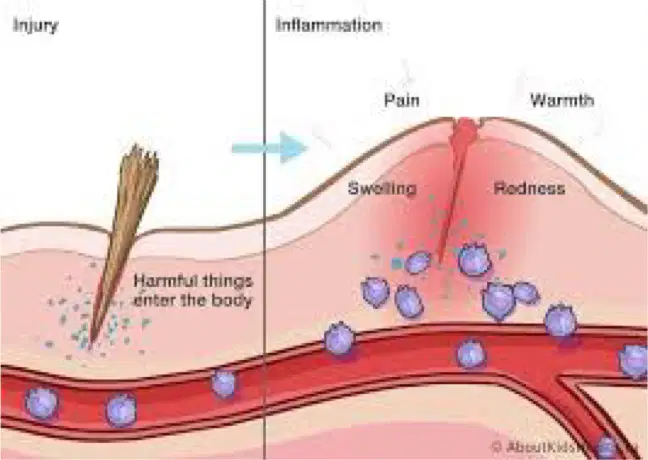
Which of the following are classic signs of inflammation?
A) Heat, redness, swelling, pain
B) Itching, dryness, rash, fever
C) Numbness, tingling, bruising, bleeding
D) Cough, sneezing, headache, fatigue
Fever may occur during systemic inflammation.
True
False
Plasma enzymes like _______ support the inflammatory response.
complement
amylase
lipase
pepsin
The inflammatory response helps WBCs and healing proteins reach _______.
Healthy tissue
Damaged tissue
Bone marrow
Blood vessels
Which of the following is the final line of defense in the immune system?
Innate Immunity
Adaptive Immunity
Passive Immunity
Artificial Immunity
Adaptive immunity targets a particular pathogen.
True
False
Fill in the blank: Adaptive immunity has ________ memory, which means a stronger, faster response next time.
immune
passive
innate
temporary
Which type of immunity is slower than innate immunity but long-lasting?
Adaptive Immunity
Passive Immunity
Artificial Immunity
Innate Immunity
Which type of adaptive immunity provides immediate but temporary protection?
Natural Active Immunity
Natural Passive Immunity
Artificial Active Immunity
Artificial Passive Immunity
Fill in the blank: Artificial passive immunity provides quick but ________ protection.
short-term
long-lasting
permanent
delayed
Receiving a vaccine is an example of which type of adaptive immunity?
Natural Active Immunity
Natural Passive Immunity
Artificial Active Immunity
Artificial Passive Immunity
Lymphocytes are the most numerous immune cells in the body.
True
False
Which of the following is NOT a main type of lymphocyte?
NK cell
B cell
T cell
Red blood cell
Fill in the blank: NK cells are part of the ______ immunity.
innate
adaptive
passive
acquired
Fill in the blank: B cells and T cells are part of the ______ immunity.
adaptive
innate
passive
natural
Which type of immunity do NK cells belong to?
Adaptive Immunity
Innate Immunity
Passive Immunity
Acquired Immunity

