
 Worksheets
SSWH14
Total questions: 53
Worksheet time: 27mins
Taking risks for freedom or rights is often necessary. Which of the following is an example of such a risk?
Protesting against unfair laws
Ignoring your rights
Avoiding any conflict
Accepting all rules without question

The social, political, and economic causes that led to each revolution can be described as:
A combination of class struggles, government policies, and economic hardship.
Only economic hardship without political influence.
Solely due to foreign invasions.
Caused exclusively by technological advancements.

Which of the following best summarizes the short and long term outcomes and effects of each revolution for each country?
Each revolution led to both immediate changes and long-lasting impacts on the respective countries.
Revolutions had only short-term effects with no lasting impact.
All revolutions resulted in identical outcomes for every country involved.
Revolutions had no significant effects on any country.
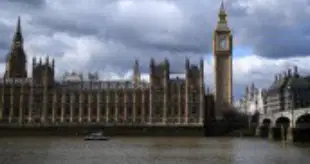
Fill in the blank: A ________ is when a King or Queen shares power with a governing body like parliament.
Constitutional Monarchy
Absolute Monarchy
Dictatorship
Republic
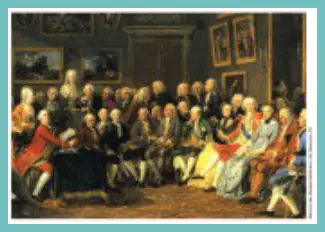
Fill in the blank: ________ is a period in the 1700s when thinkers promoted ideas about government, rights, and society based on reason.
Enlightenment
Renaissance
Industrial Revolution
Middle Ages
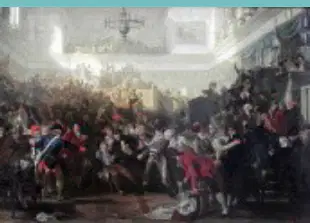
Fill in the blank: ________ is the government's major change, often via conflict/protest.
Revolution
Election
Amendment
Legislation
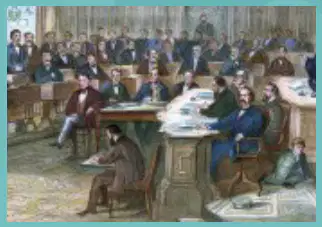
Fill in the blank: ________ is the crime of betraying one's country, especially by attempting to overthrow the government.
Treason
Forgery
Burglary
Embezzlement
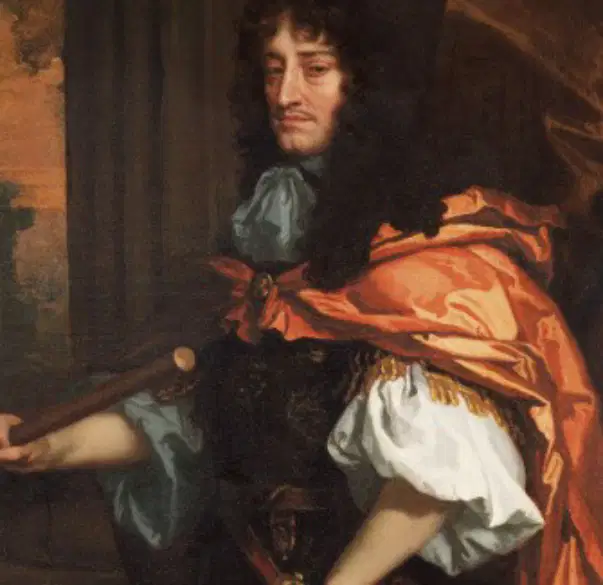
Which group ruled most countries with absolute power during this era?
Merchants
Monarchs
Peasants
Priests
New ideas about _______ and government began to spread during this era.
individual rights
architecture
agriculture
astronomy
Disagreements over which of the following led to growing tensions in Europe during the 1600s-1700s?
Religion, money, and power
Food and water
Art and music
Science and technology
This era saw the rise of revolutions that would change Europe forever.
True
False
Both James I and Charles I believed in the divine right to rule.
True
False
Who wanted to remove Catholic rituals from the Church of England?
Parliament
Puritans
James I
Charles I
The kings disagreed with Puritans and resisted change.
True
False
Parliament wanted more say over ________.
taxes
wars
colonies
religion
What document did Charles I sign in 1628 that limited his power?
Magna Carta
Petition of Right
Bill of Rights
Act of Supremacy
Charles I raised money without Parliament's approval, angering many.
True
False
In which year did the Civil War begin, marked by conflict between Charles I and Parliament erupting into war?
1642
1649
1650s
1688
Who was executed in 1649 after being tried and beheaded for treason?
Charles II
Oliver Cromwell
Charles I
William and Mary
Fill in the blank: In the 1650s, ________ ruled as a military dictator during the Commonwealth period.
Oliver Cromwell
Charles I
William III
James II
What event is described by the return of the monarchy with Charles II in 1660?
Glorious Revolution
Restoration
Civil War
Commonwealth
Who became rulers in 1688, creating a constitutional monarchy during the Glorious Revolution?
A) Charles I and Charles II
B) Oliver Cromwell and Charles II
C) William and Mary
D) Charles I and Oliver Cromwell
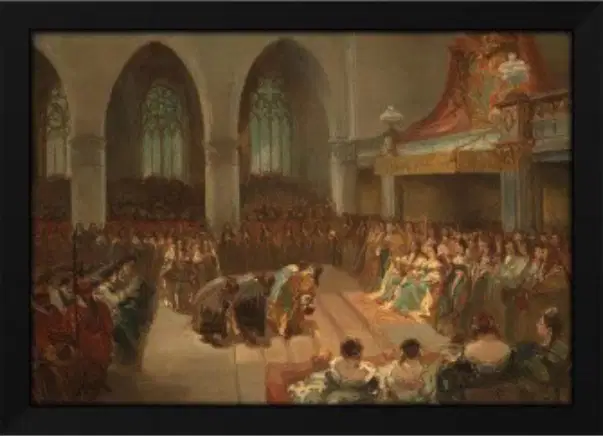
What type of monarchy did England become as a result of the Glorious Revolution?
Constitutional monarchy
Absolute monarchy
Elective monarchy
Theocratic monarchy
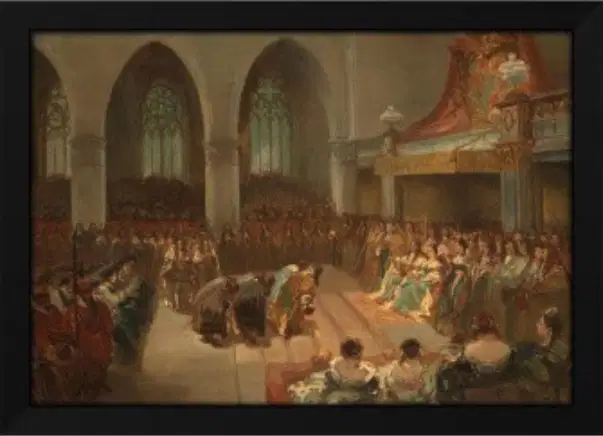
Who had to govern together after the Glorious Revolution?
Parliament and monarch
King and Pope
Nobles and peasants
Prime Minister and President
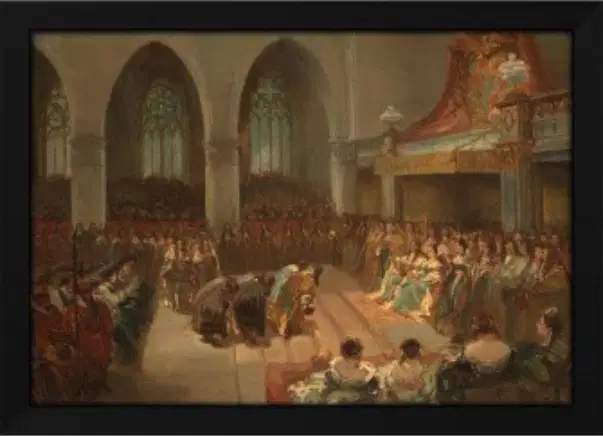
What did the English Bill of Rights protect?
Laws and free speech
The right to bear arms for all citizens
Absolute power of the monarchy
Religious uniformity
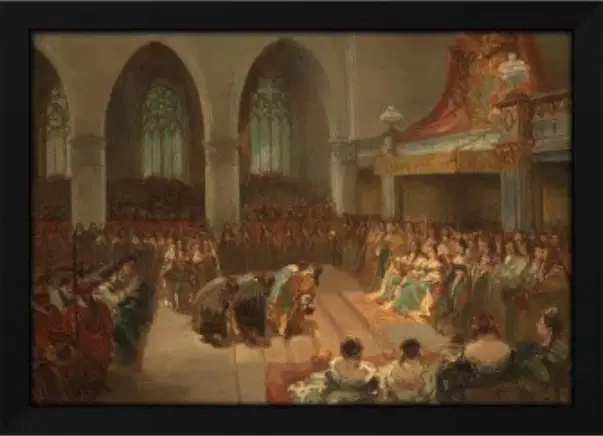
The changes from the Glorious Revolution inspired future revolutions around the world.
True
False
The events of the English Civil War and the Glorious Revolution were important for the idea of limited government because they:
established the principle that the monarch's power should be limited by laws and Parliament
led to the expansion of absolute monarchy in England
abolished the English Parliament permanently
resulted in the end of constitutional monarchy in England
Why did the execution of the king show that even a monarch was not above the law?
Because the king was executed, it showed that even a monarch was not above the law.
Because the king was loved by everyone, it showed that monarchs are always right.
Because the king made new laws, it showed that monarchs can do anything.
Because the king was never punished, it showed that monarchs are above the law.
What was the effect of Parliament gaining more power after the king's execution?
Because Parliament gained more power and made the monarch share authority.
The king became an absolute ruler with no checks.
The monarchy was abolished permanently and replaced by a dictatorship.
The Parliament lost all its influence over the government.
What important document was created as a result of these events, and what did it outline?
It led to the English Bill of Rights, which specifically outlined what the government couldn't do.
It resulted in the Magna Carta, which established the monarchy's absolute power.
It produced the Mayflower Compact, which set up a direct democracy.
It created the Federalist Papers, which argued for a strong central government.
According to the passage 'From Colonies to Conflict,' what did colonists enjoy before 1763?
A) Economic growth and self-government
B) Heavy taxation
C) War with Britain
D) No representation
According to the passage 'From Colonies to Conflict,' what did Britain do after the French and Indian War?
Gave independence to the colonies
Taxed the colonies to pay off war debt
Reduced taxes
Allowed more self-government
According to the passage 'From Colonies to Conflict,' what phrase did colonists use to protest British taxes?
'No taxation without representation.'
'Give me liberty or give me death.'
'United we stand.'
'Power to the people.'
According to the passage 'From Colonies to Conflict,' tensions grew as Britain imposed new laws and _________?
taxes
schools
festivals
holidays
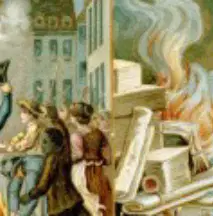
Which event involved Britain taxing printed materials, sparking outrage among the colonists?
Boston Tea Party
Declaration of Independence
Stamp Act
Intolerable Acts
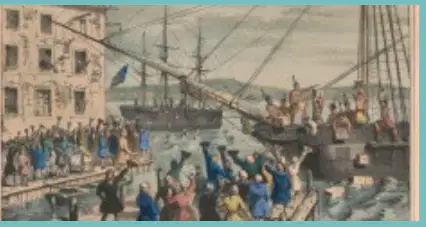
What did the colonists do during the Boston Tea Party to protest taxes?
Signed a declaration
Dumped tea into the harbor
Burned printed materials
Fought a battle
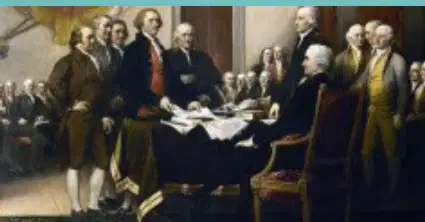
Which document declared the colonists' freedom and was inspired by Enlightenment ideas?
Stamp Act
Boston Tea Party
Declaration of Independence
Bill of Rights
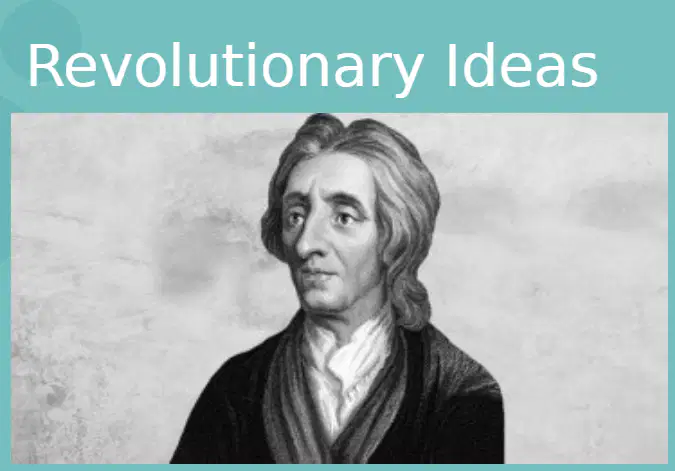
According to the image, which Enlightenment thinker argued for natural rights and government by consent?
Thomas Hobbes
John Locke
Jean-Jacques Rousseau
Voltaire
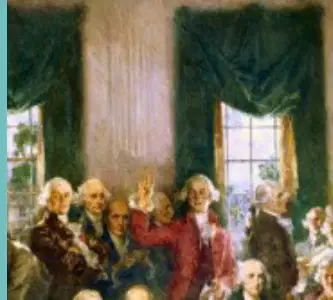
According to the image, the ideas of Enlightenment thinkers shaped which important American documents?
The Declaration of Independence and the U.S. Constitution.
The Magna Carta and the English Bill of Rights.
The Federalist Papers and the Mayflower Compact.
The Emancipation Proclamation and the Gettysburg Address.
Enlightenment thinkers like John Locke argued for government by consent.
True
False
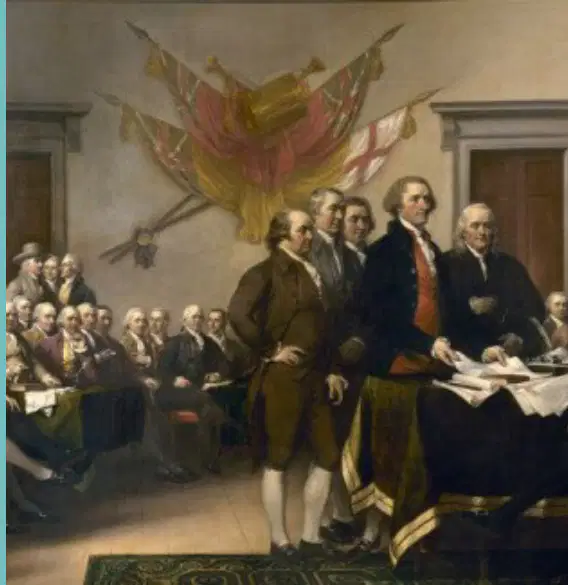
Fill in the blank: The United States gained independence in _____
1781
1776
1800
1750
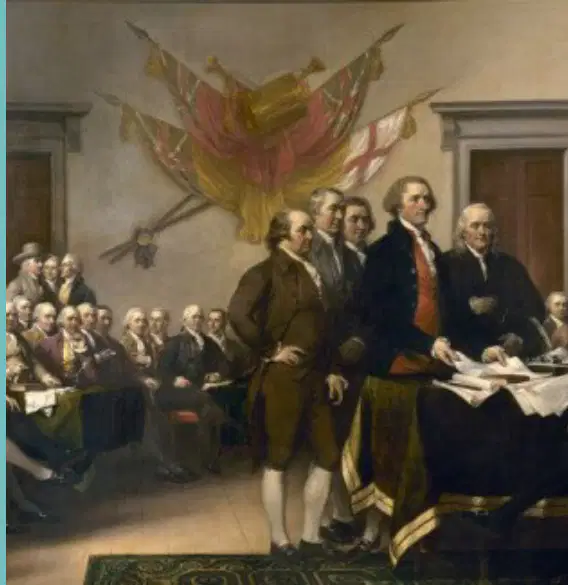
Fill in the blank: The government was first weak (Articles of Confederation), but strengthened in _____ with the Constitution.
1788
1776
1800
1791
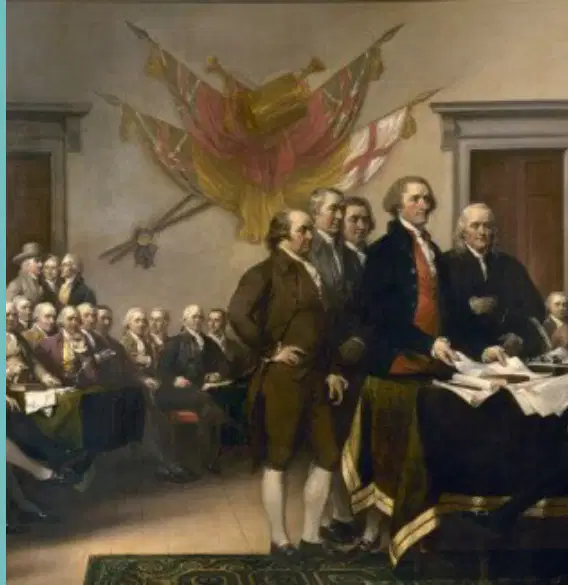
Which of the following ideas was the U.S. government based on after the American Revolution?
Monarchy and absolute power
Enlightenment ideas of democracy, separation of powers, and individual rights
Dictatorship
Feudalism
True or False and why? The American Revolution was primarily sparked by religious disagreements between the colonists and Great Britain.
TRUE
FALSE
The American Revolution was primarily sparked by religious disagreements between the colonists and Great Britain.
True
False
According to the information about The Three Estates, which group made up the First Estate in France before 1789?
Nobility
Clergy
Commoners
Peasants
According to the information about The Three Estates, what percentage of the population did the Second Estate (Nobility) make up?
Less than 1%
Just over 1%
10%
50%
According to the information about The Three Estates, who belonged to the Third Estate?
Only the clergy
Only the nobility
Everyone else (middle class, poor, peasants)
Only the king
According to the information about The Three Estates, which estate carried most of the tax burden and had little power?
The Third Estate
The First Estate
The Second Estate
The Clergy
Match the Estate with its description based on the diagram 'Estates General in France before 1789':
First Estate
Clergy
Second Estate
Nobility
Third Estate
Commoners
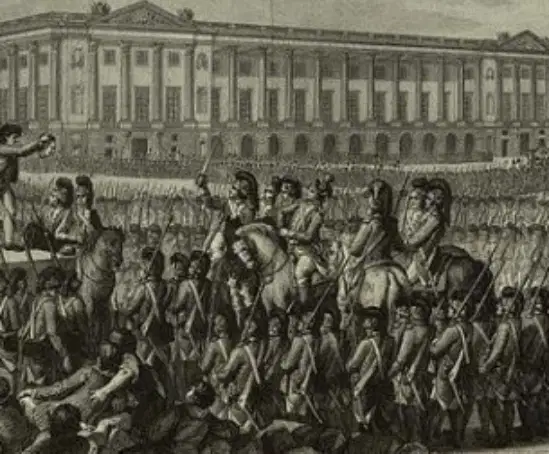
Who led France during the Reign of Terror and tried to create a 'republic of virtue'?
Napoleon Bonaparte
Robespierre and the Jacobins
Louis XVI
The Girondins
How many people did the Committee of Public Safety execute during the Reign of Terror?
10,000
20,000
40,000
100,000
The violence during the Reign of Terror shocked Europe and led to the fall of _________
Robespierre
Napoleon
Louis XVI
Danton

