
 Worksheets
U7 Waves TEST
Total questions: 56
Worksheet time: 28mins

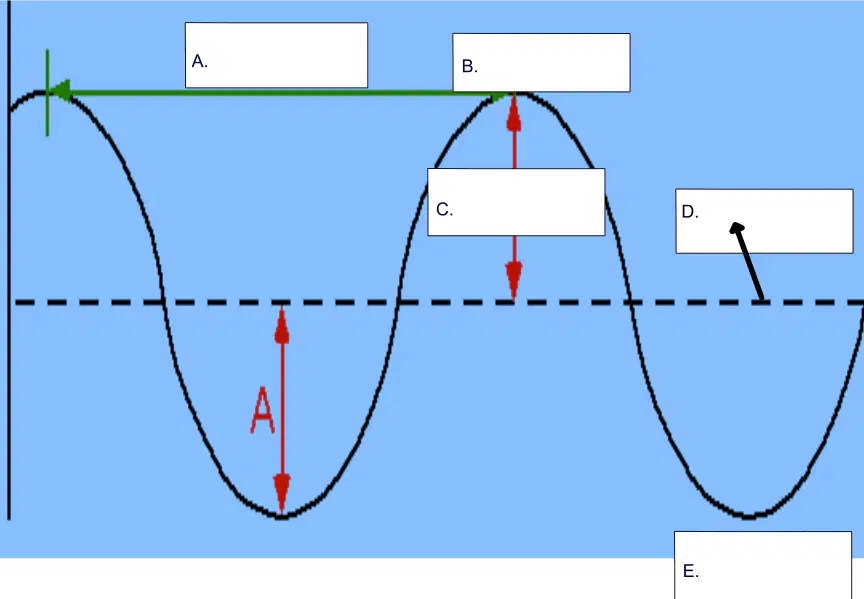


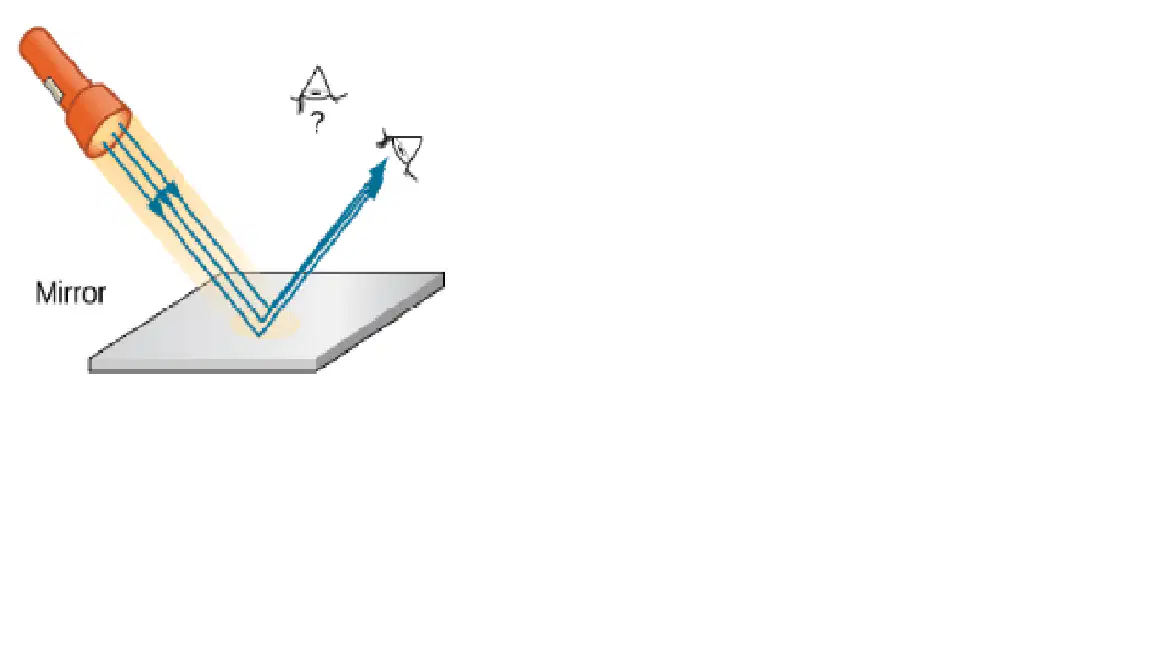


Which of the following best describes the trough of a wave?
The highest point of a wave
The lowest point of a wave
The distance between two crests
The midpoint of a wave
What happens to the wavelength if the frequency of a wave increases while the speed remains constant?
The wavelength decreases
The wavelength increases
The wavelength stays the same
The wavelength doubles
Which type of wave requires a medium to travel through?
Radio wave
Light wave
Mechanical wave
Electromagnetic wave
Which of the following best describes the crest of a wave?
The lowest point of a wave
The midpoint of a wave
The distance between two troughs
The highest point of a wave
What happens to the energy of a wave if its amplitude is decreased?
The energy doubles
The energy stays the same
The energy decreases
The energy increases
Which of the following is NOT a type of wave behavior?
Expansion
Diffraction
Refraction
Reflection
Which of the following best describes the wavelength of a wave?
The highest point of a wave
The distance between two consecutive crests or troughs
The lowest point of a wave
The midpoint of a wave
What happens to the frequency of a wave if its wavelength increases, assuming the speed remains constant?
The frequency doubles
The frequency stays the same
The frequency decreases
The frequency increases
Which of the following is NOT a type of wave behavior?
Compression
Diffraction
Absorption
Reflection
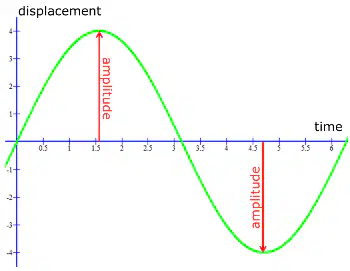
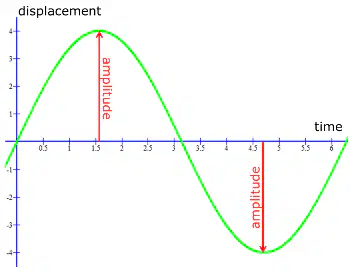
Which of the following best describes the amplitude of a wave?
The distance from the crest to the trough
The distance from the rest position to the crest
The length of one complete wave cycle
The number of waves passing a point per second
What is the unit of frequency?
Newton
Hertz
Second
Meter
Which of the following is an example of a longitudinal wave?
Water wave
Light wave
Radio wave
Sound wave
Which of the following best describes a trough in a wave?
The highest point of a wave
The lowest point of a wave
The distance between two crests
The midpoint of a wave
What is the main difference between transverse and longitudinal waves?
There is no difference between them
Transverse waves move perpendicular to the direction of energy transfer, while longitudinal waves move parallel
Transverse waves require a medium, while longitudinal waves do not
Transverse waves move parallel to the direction of energy transfer, while longitudinal waves move perpendicular
Which of the following is an example of a mechanical wave?
Gamma ray
Sound wave
Light wave
Radio wave
Which of the following is an example of a transverse wave?
Sound wave
Light wave
Seismic P-wave
Compression wave
What property of a wave determines its loudness?
Frequency
Amplitude
Wavelength
Speed
Which of the following best describes the trough of a wave?
The distance between two crests
The midpoint of a wave
The lowest point of a wave
The highest point of a wave
What is the term for the number of wave cycles that pass a point per second?
Wavelength
Speed
Frequency
Amplitude
Which of the following is true about electromagnetic waves?
They cannot transfer energy
They are always longitudinal
They require a medium to travel
They can travel through a vacuum

