
 Worksheets
Y8 Science
Total questions: 174
Worksheet time: 2hrs 33mins
Asexual reproduction needs
sperm cells and egg cells
two parents
only one parent
no parents
Strawberry plants can reproduce using
runners
sprinters
joggers
walkers
In fertilisation:
a fertilised egg cell grows into an embryo
a male and a female gamete fuse
male gametes are produced
a plants grows in some animal droppings

On the diagram, the part labelled A is the
stigma
style
ovary
anther
In a flower, the anther
receives pollen grains
makes pollen grains
makes nectar
contains the egg cells
If self-pollination occurs
the offspring will not have variety
offspring can never be produced
a plant will die
the bees will die
The seeds inside an apple are dispersed by
the wind
insects
animals that eat them
being carried on the fur of animals
Why is seed dispersal important?
so that plants can reproduce asexually
so that plants can reproduce sexually
so that offspring do not compete with their parents
so that animals have something to eat
Which of these resources is always needed for germination?
water
light
carbon dioxide
nitrogen
The raw materials for photosynthesis are
water and oxygen
oxygen and glucose
carbon dioxide and water
glucose and water
What is released during respiration?
energy
food
air
glucose
Respiration is aerobic if it requires
carbon dioxide
energy
oxygen
lungs
Which of these is a correct word equation for respiration?
glucose + oxygen → carbon dioxide + water
carbon + dioxygen → glucose + oxygen
glucose → energy
oxygen + carbon → carbon dioxide
The main difference between combustion and aerobic respiration is that
only combustion releases energy by heating
only respiration produces carbon dioxide
only respiration produces water
combustion is much faster

On the diagram, the part labelled with the letter X is the
blood vessel
oesophagus
trachea
bronchus
During gas exchange in the lungs, there is an overall diffusion of
carbon dioxide into the lung and oxygen into the blood
oxygen into the lung and carbon dioxide into the blood
oxygen and carbon dioxide into the blood
oxygen and carbon dioxide into the lung
During inhalation, rib and diaphragm muscles
contract to increase the pressure inside the lungs
relax to reduce the pressure inside the lungs
contract to reduce the pressure inside the lungs
relax to increase the pressure inside the lungs
Dust is prevented from getting into the lungs by a layer of mucus, which is swept away by
alveoli
cilia
filaments
flagella
When carbon dioxide is added to limewater:
the limewater turns from cloudy to clear
the limewater turns from clear to cloudy
the limewater turns green
nothing happens
Which organ do fish use for gas exchange?
lungs
skin
gills
mouth
Which substance does anaerobic respiration in humans produce?
water
lactic acid
carbon dioxide
carbon monoxide
A fuel is:
a substance formed from living organisms that lived a long time ago
a substance that explodes
a substance that contains hydrocarbons
a substance that transfers energy usefully, usually by heating
When hydrogen reacts with oxygen, the product is
water
oxide
carbon dioxide
hydrogen
The products of combustion of a hydrocarbon are
hydrogen + oxygen
carbon dioxide + water
carbon dioxide + hydrogen
carbon + water
When zinc burns in oxygen it forms:
water
zinc hydroxide
zinc carbonate
zinc oxide
When 4.8 g of magnesium reacts with 3.2 g of oxygen, how much magnesium oxide is formed
1.6 g
4.9 g
7.0 g
8.0 g
What happens in an exothermic reaction?
Energy is released that increases the temperature of the surroundings
Energy is taken in from the surroundings, reducing the temperature
The reacting substances always explode
You need to heat a substance or substances to get a reaction to occur
Name two pollutants that may be formed when fossil fuels are burnt in a vehicle engine
carbon dioxide and sulfur
sulfur dioxide and water
nitrogen oxides and sulfur
nitrogen oxides and sulfur dioxide
What does global warming mean?
The warming effect of the Sun on the Earth
The natural warming effect caused by greenhouse gases in the atmosphere
The additional warming effect caused by increasing amounts of carbon dioxide in the air
The way the climate is changing as a result of more carbon dioxide in the air
Which description explains how carbon dioxide helps to cause the greenhouse effect?
It blocks energy from the Sun from reaching the Earth’s surface
It absorbs energy emitted from the Earth’s surface and re-emits it out into space
It absorbs energy emitted from the Earth’s surface so that it doesn’t get any warmer
It absorbs energy emitted from the Earth’s surface and re-emits it back to the surface

Which of these diagrams shows the particles in a compound?
A
B
C
D
Which of the following always happens during a chemical reaction?
Compounds react and split up into free atoms.
Elements join together to make new elements
Atoms are broken down into smaller particles
The atoms in the reactants are rearranged to make the products

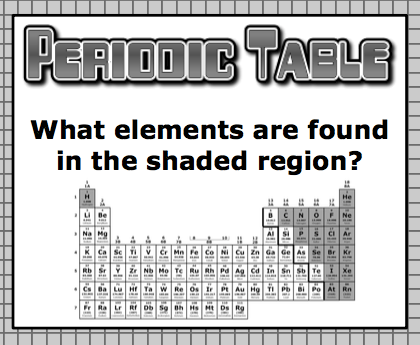
1 Which two elements in the periodic table below would have the most similar chemical properties?1&
1 & 4
2 & 3
1 & 6
5 & 6
Which of the following describes a group 1 element?
a very reactive metal
a very unreactive metal
a very reactive non-metal
a very unreactive non-metal
Which list contains three typical properties of non-metals?
good conductor of heat, brittle,
low melting point
good conductor of electricity, strong, high melting point
poor conductor of heat, strong,
high melting point
poor conductor of electricity, weak,
low melting point
Why do solids expand when they are heated?
The particles get bigger
The particles vibrate more and take up more space
The particles vibrate more and get closer together
The particles stick together
Density is:
the weight of a fixed mass of something
the volume of a fixed weight of something
the weight of a fixed volume of something
the mass of a fixed volume of something
When liquid water changes into steam it is
evaporating
condensing
melting
dissolving
The pressure in liquids and gases is caused by
the particles pressing down
the particles pushing up
the particles moving sideways
the particles moving in all directions and colliding with things

Which of these forces is the upthrust?
A
B
C
D
Why does a hot air balloon float in air?
Air is less dense than water
The density of hot air is less than the density of cold air
Air is denser on cold days
The overall density of the balloon and its basket is less than the density of the air
The air resistance of a car can be reduced by
making the car bigger
giving it a streamlined shape
making the car heavier
putting a roof box on it
Air resistance on a moving object is caused by
air being attracted to the object
air particles hitting or moving around the object
the wind
air pressure
What are the units for measuring energy?
newtons
degrees Celsius
joules
degrees Fahrenheit
The amount of thermal energy in an object depends on three things. Which of these things does it not depend on?
Its mass
its colour
its temperature
the material it is made from
Solids are better heat conductors than liquids or gases because:
the particles are closer together in gases
the particles are closer together in liquids
the particles are closer together in solids
the particles in a solid cannot move
The surface of which material would reflect infrared radiation the best?
white and dull
black and shiny
white and shiny
grey and dull
The efficiency of an appliance is calculated by:
comparing the useful and wasted energies
measuring how much energy is transferred
comparing the useful energy transferred to the total energy supplied
comparing the wasted energy transferred to the total energy supplied
A bag of sugar has a mass of 1 kg. What is its weight on Earth?
1 N
10N
10kg
0.1N
Gravity:
gets less if two objects get closer together
gets stronger if two objects get further apart
gets less if two objects get further apart
does not depend on distance

A living thing that is made up of only one cell is called...?
Multicellular
Unicellular
Thursday
Fred

Which of the following is an example of a unicellular organism?
Amoeba
Bacteria
Archaea
All of the above plus protozoans

Having different cell types specialized to perform different functions is a characteristic of which type of living organism?
Unicellular
Multicellular

Which of the following is a similarity shared by unicellular and multicellular organisms?
Both have long life spans.
Both are small in size and thus are vulnerable to predators.
Both have complex cell organization.
Both are living organisms.

Which of the following is not a characteristic of multicellular organisms?
Their ability to regenerate is low.
They have longer life spans, due to high operational efficiency.
Cell specialisation is absent.
They have complex cell organisation.

I am the outer most layer of a plant cell. What am I?
cell wall
cell membrane
nucleus
cytoplasm

The function of the cell membrane is to...
protect, support and give the cell shape.
control the movement of materials into and out of the cell.
hold the genetic material and to control the cell.
carry out photosynthesis, using the green pigment, chlorophyll.

Which organelle is a large sap-filled structure in plant cells that stores water, wastes and nutrients?
cell wall
vacuole
nucleus
chloroplast

What is the watery jelly-like substance inside of cells called?
vacuole
chloroplast
cytoplasm
nucleus

Both plant and animal cells have cell membranes, but only plant cells have...
cytoplasm
chloroplasts
cell walls
both chloroplasts and cell walls

A structure made up of a collection of tissues and that carries out a specialized function is called an...
organ system
organ
cell
organism

A group of specialized cells that perform a common function are called...
cells
organs
organ systems
tissues

What is the name of the thin walled tube, reinforced with rings of cartilage, that carries air in and out of your lungs?
trachea
alveoli
diaphragm
bronchi

The cluster of air sacs in which oxygen and carbon dioxide are exchanged are called...?
red blood cells
white blood cells
alveoli
bronchi

What is the name of the two tubes that carry air from the trachea into each lung?
bronchi
trachea
alveoli
diaphragm

What is the Respiratory system responsible for?
breaking down nutrients into parts small enough for your body to absorb and use for energy, growth and cell repair.
movement.
taking in oxygen and getting rid of carbon dioxide.
to produce egg and sperm cells.

The diaphragm is...?
a cluster of air sacs in which oxygen and carbon dioxide are exchanged.
the thin walled pipe, reinforced with rings of cartilage that carries air in and out of your lungs.
a sheet of muscle that contracts, pulling air into the lungs and relaxes, pushing air out of the lungs.
one of the two large tubes that carries air from the trachea into each lung.

The organ that absorbs water and compacts and eliminates waste material is called the...?
small intestines
large intestines
stomach
liver

The lining of the small intestines of 3 different animals is shown in the picture. Would X, Y or Z, be the most effective at absorbing nutrients?
X
Y
Z

What is the name of the small, slender projections that line the small intestine?
cells
flagella
cilia
villi

Why is the small intestine lining labelled Z, the most effective at absorbing nutrients?
it has the shortest villi.
it has no villi.
it as the most villi, which increase the surface area.
it has lots of platelets.

When amylase, an enzyme in saliva interacts with starchy foods, it breaks them down into...
complex sugars that taste sour.
simple sugars that taste sweet.
proteins
bile

Which type of blood vessel carries oxygen?
plasma
red blood cells
platelets
white blood cells

The left ventricle has thicker walls than the right ventricle because...
it has to pump blood to the lungs.
it has to pump blood further; around the whole body.
it works out more regularly at the gym
it is compensating for the left atrium.

True or False. The ventricles are at the top of the heart.
False
True

Select all that apply.
Arteries...
have thin, non-elastic, less muscular walls
carry oxygenated blood (except the pulmonary artery)
have thick walls to withstand high blood pressure
are just beneath the surface

Select all that apply.
Veins...
have thin, non-elastic, less muscular walls.
have valves to stop blood from 'running backwards'.
are usually found just beneath the surface.
carry deoxygenated blood, (except the pulmonary vein).

Select all that apply.
Capillaries...
have thick, elastic, muscular walls.
carry both oxygenated and deoxygenated blood.
have thin walls that allow fast and easy transfer of gases between the blood and body cells.
connect arteries and veins.

The part of the heart labelled "I" is called the...
(It carries blood away from your heart to the rest of your body).
right atrium
left atrium
right ventricle
aorta

The main function of the testes is to...?
produce eggs (ova) and estrogen
produce zygotes.
produce sperm and testosterone
produce sperm and estrogen
What is the unit of force?
Newtons
Kilograms
Joules
Watts
Which two are contact forces?
Friction
Air resistance
Gravity
Magnetic force
Which two are non-contact forces?
Friction
Air resistance
Gravity
Magnetic force
What is the name for a squashing force?
Compression
Tension
Moment
Reaction
What is the name for a stretching force?
Compression
Tension
Moment
Reaction
What is the name for the turning effect of a force?
Compression
Tension
Moment
Reaction
"If the force on an object doubles, the extension doubles." Whose law is this?
Hooke's law
Newton's law
Ohm's law
Boyle's law
What is the elastic limit of an object?
The point at which it will no longer return to its original shape
The point at which it breaks
The point at which it starts stretching
The largest amount it can be stretched by
What is the unit of a moment?
Newton-metres
Newtons
Kilogram-metres
Seconds
How do you calculate a moment?
Force x distance from pivot
Force ÷ distance from pivot
Distance from pivot ÷ force
Mass x gravitational field strength
Which of these are fluids?
Solids
Liquids
Gases
What is the unit of pressure?
N/m2
kg/m3
N/m
m/N2
How do you calculate pressure?
Force ÷ area
Force x area
Area ÷ force
Force ÷ length
What happens to atmospheric pressure as you increase altitude (height)?
Decreases
Stays the same
Increases
Which of these are incompressible?
Solids
Liquids
Gases
Which of these make use of hydraulics?
Car brakes
Mechanical digger arm
Bike chain
Wind turbine
What does "normal" mean in the context of forces?
At right angles to
Parallel to
Ordinary
Not changing
Which of these are designed or adapted to reduce the stress applied to a surface?
Elephant's foot
Snowboard
Knife blade
Tip of a nail
How does oxygen enters the body and carbon dioxide leave?
Breathing
Respiration
Photosynthesis
Digestion
Which muscle contracts and relaxes to make breathing happen?
A. Diaphragm
B. Intercostal muscles
C. Abdominal muscles
D. Quadriceps
What is the correct order of body parts that air passes through during breathing in?
A. Trachea → Bronchi → Alveoli
B. Alveoli → Bronchi → Trachea
C. Trachea → Alveoli → Bronchi
D. Bronchi → Trachea → Alveoli Answer
Which gases are exchanged in the alveoli in the lungs?
A. Oxygen and nitrogen
B. Oxygen and carbon dioxide
C. Carbon dioxide and nitrogen
D. Carbon dioxide and water vapor

Identify part D
Trachea
Bronchus
Bronchiole
Alveoli

There are ____ bones in an adult human skeleton.

Which bone protects your brain?
Tibia
Skull
Ribs
Femur

Which bone protects your lungs?
Ribs
Spinal Column
ilium
Fibular
Which of these functions is not a function of the skeletal system?
To help the body breathe
To help support the body and give it structure
To help protect the bodyʻs soft organs
To produce blood cells
To enable the body to move
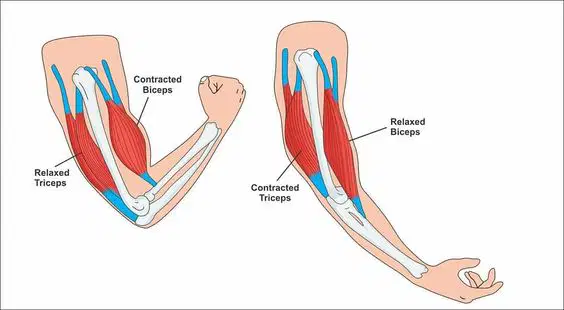
How does an antagonistic pair work?
Muscles move.
Paired muscles move.
Muscles relax and contract to move bones.
As one muscle relaxes the other contracts to allow movement at a joint.
What are the two reactants (things the body needs) to do aerobic respiration?
oxygen
glucose
carbon dioxide
water
energy
What are the two chemical products (things that are made) during aerobic respiration?
oxygen
glucose
carbon dioxide
water
energy
What is the purpose of respiration?
release energy
create energy
convert light to chemical energy
store energy
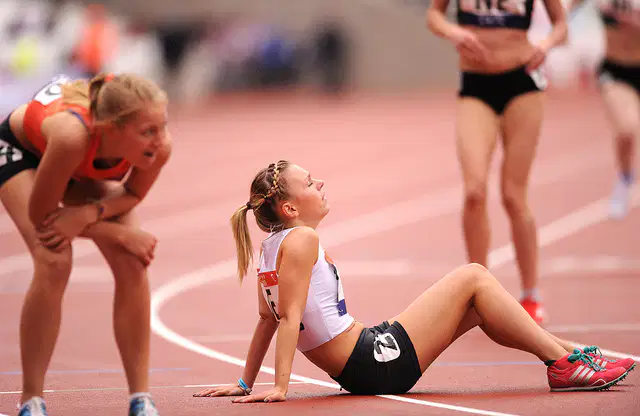
Which type of respiration DOES NOT require oxygen?
anaerobic
aerobic
Which is the correct word equation for anaerobic respiration in humans?
glucose --> lactic acid + energy
glucose + oxygen --> lactic acid + energy
glucose --> lactic acid + carbon dioxide + energy
glucose --> ethanol + carbon dioxide + energy

What is filtration?
A method used to separate a solid from a liquid that dissolves in the liquid
A separating technique used to separate a mixture of a solid and liquid where the solid does not dissolve in the liquid
I am left behind in the filter paper ]. What Am I?
Filtrate
Solution
Residue
The part of the mixture that passes through the filter paper is called the
residue
filtrate
suspension
Th components of filtration are separated based on
boiling point
solubility
particle size
Sand, gravel and rocks can be used to filter dirty water.
True
False
Which of these techniques separates an insoluble solid from its mixture with water?
Distillation
Filtration
Threshing
Winnowing
Which of these techniques separates an insoluble solid from its mixture with water?
Distillation
Filtration
Threshing
Winnowing
Which of these is needed for filtration?
Wire gauze
Burner
Funnel
Round-bottom flask
What is a solvent?
A liquid that will dissolve a solid solute
Another word for solution
A thing that make drinks change colour
Usually the solid about to be dissolved
If I dissolve carbon dioxide in water, what is the solvent?
Carbon Dioxide
There is no solvent
Oxygen
Water
A type of mixture that forms when one substance dissolves in another is known as a
heterogeneous mixture
solution
solute
solvent
Which of the following usually makes a substance dissolve faster in a solvent?
adding more solvent to the solution
increasing the particle size of the solute
lowering the temperature
decreasing the number of particles
Which of the following describes: 'Dissolved particles are distributed evenly and you can no longer see them.'?
conductivity
solution
mixture
metal
If a material does NOT dissolve in a liquid, it is said to be___________________
soluble
insoluble
partly soluble
partly insoluble

What is a small particle that is known as the basic building block of matter?
molecule
compound
element
atom

Oxygen, Nitrogen, Hydrogen, and Calcium are all examples of ______________________.
molecules
compounds
atoms
elements
Which one of the following is a compound?
NaCl
O2
Hydrogen
He

Which of these is only a molecule and not a compound?
a
b
c
d
Which of the following is different from the rest of the group? (choose the answer that best applies)
Nitrous Oxide (N₂O)
Ozone (O₃)
Carbon Dioxide (CO₂)
Dihydrogen Monoxide (H₂O)
Ozone (O₃)
Nitrous Oxide (N₂O)
Carbon Dioxide (CO₂)
Dihydrogen Monoxide (H₂O)
Name the ionic compound, LiCl
lithium chlorine
lithium chloride
lithium chlorate
lithium monochloride
Name the following compound:
CO2
monocarbon dioxide
carbon oxide
carbon dioxide
oxygen carbonide
Al2O3

The law of conservation of mass says substances can neither be _______ nor ___________.
Built; torn down
Blended together; separated
Created; destroyed
Condensed; extracted
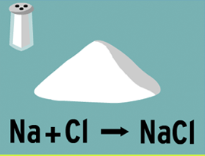
When sodium and chlorine combine to form sodium chloride, sodium chloride is the:
Originator
Reactant
Product
Produce
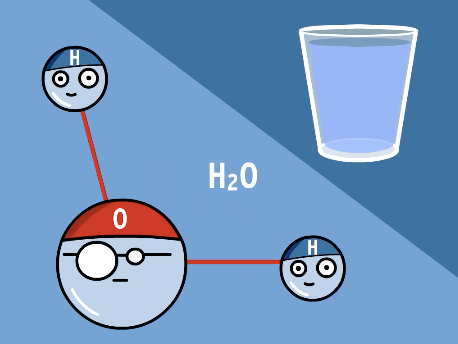
4 grams of hydrogen and 32 grams of oxygen will combine to form:
36 grams of water
28 grams of hydroxide
32 grams of oxygen
36 grams of deuterium
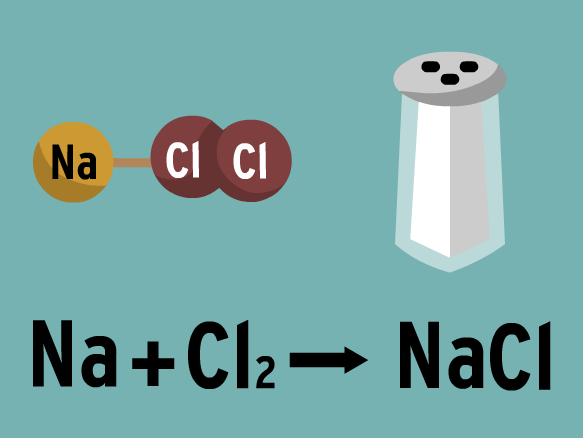
In a chemical reaction, 4 grams of sodium must combine with how many grams of chlorine to produce 10 grams of table salt?
4 grams
6 grams
8 grams
10 grams
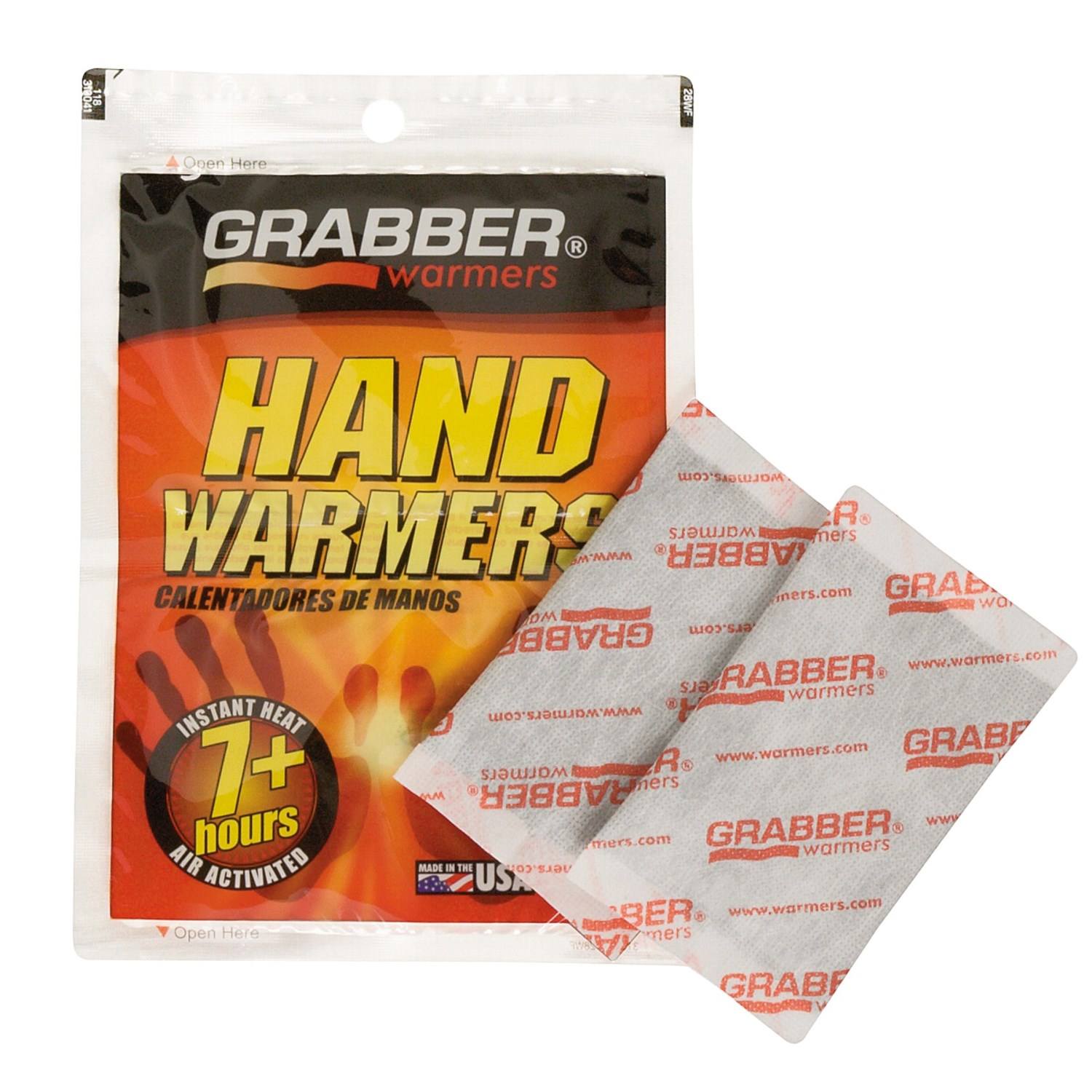

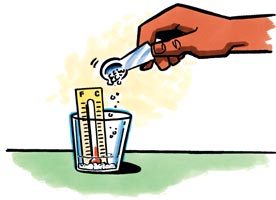
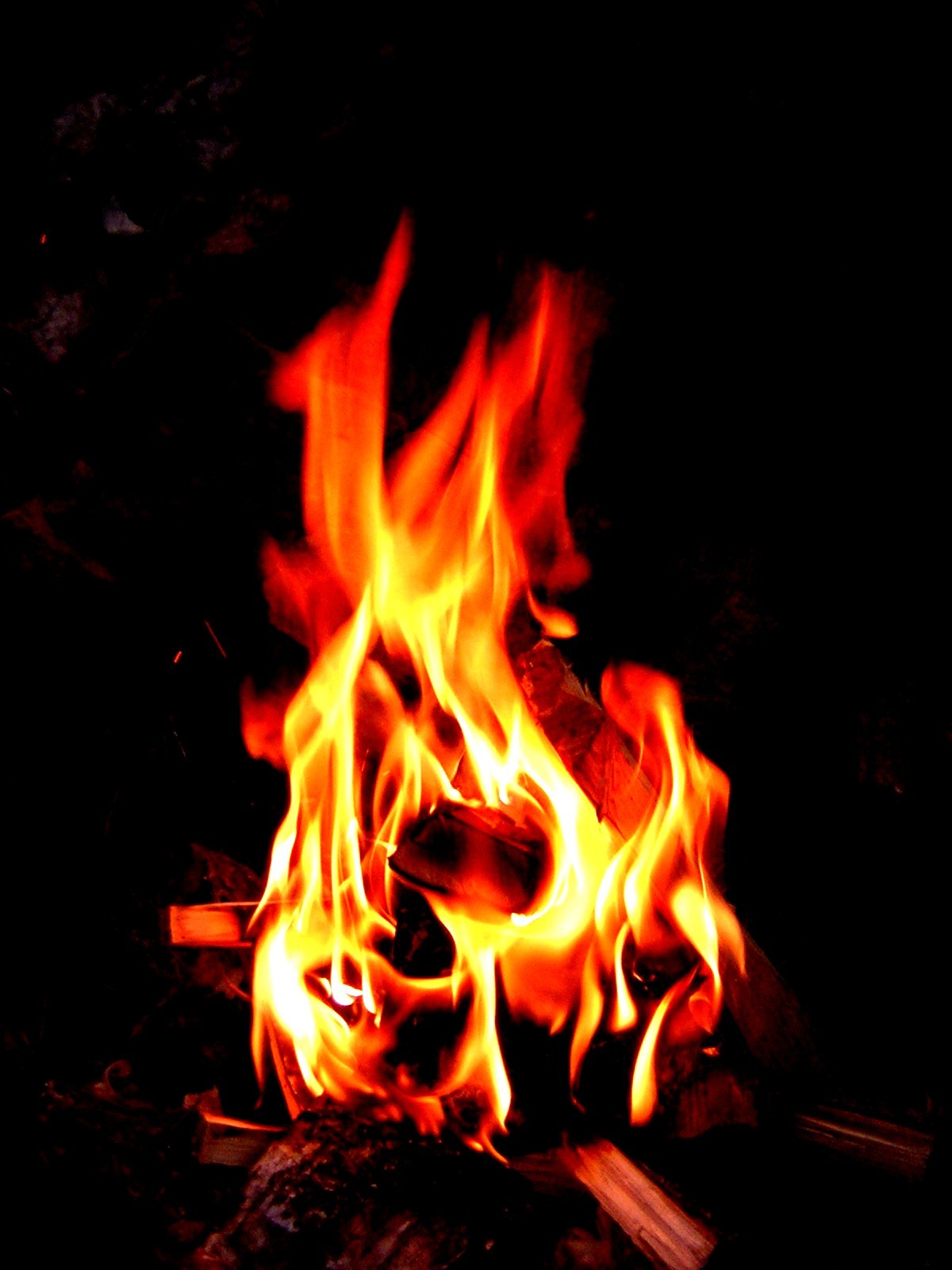
_____ reactions usually feel hot!
endothermic
exothermic
____ reactions usually feel cold.
endothermic
exothermic

What does this warning symbol mean?
Toxic
Corrosive
Flammable
Irritant

What does this warning symbol mean?
Toxic
Corrosive
Flammable
Irritant

What does this warning symbol mean?
Toxic
Corrosive
Flammable
Irritant

An alkali can neutralize an acid
False
True
Metal + Acid -> ___ + ___
Salt + Hydrogen
Metal Hydroxide + Hydrogen
Metal Oxide + Hydrogen
Metal Carbonate + Hydrogen
Sodium + Hydrochloric acid ->
Sodium chlorine
Sodium chlorine + hydrogen
Sodium chloride + hydrogen
Sodium chloride
Lithium + nitric acid ->
Lithium nitride + hydrogen
Lithium nitric + hydrogen
Lithium nitrogen + hydrogen
Lithium nitrate + hydrogen
How can you test for hydrogen gas?
sniff it
squeaky pop test
add universal indicator
add lemon water
Zinc + sulphuric acid ->
hydrogen + Zinc sulphate
Zinc sulphide + hydrogen
Zinc Sulphur + hydrogen
Zinc sulphate + helium
What is always a product when a metal reacts with an acid?
(a)

