
 Worksheets
final revision g 7 third q
Total questions: 173
Worksheet time: 3hrs 50mins
An example of a structural adaptation is...
a turtle hiding inside its shell
complex eyes
a rabbit burrowing underground
migration of birds
Which animal has an exoskeleton?
jellyfish
worms
slugs
insects
Which animals have a hydrostatic skeleton?
Cow
bacteria
earth worm
Spider
Animals are classified in ________________ and _______________.
Domain Eukarya : Kingdom Animalia
Domain Animalia : Kingdom Eukarya
Domain Prokarya : Kingdom Animalia
Domain Eukarya : Kingdom Plantae


What am I?
Mammal
Bird
Amphibian
Reptile


Organisms in this smallest taxonomic group share many characteristics.
domain
kingdom
species
class

The science of describing, classifying, and naming living things is called:
Geology
Biology
Taxonomy
Chemistry
The scientific name for an organism is made from the:
class and family name
genus and species name
domain and kingdom name
kingdom and phylum name


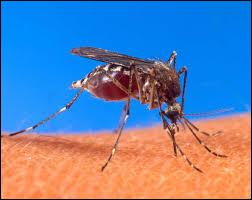
insect Kingdom

Birds have different beaks to help them survive in their habitat, which is a type of ___________ adaptation.
behavioral
structural
learned
instinct
instinct behavior
structural adaptation
What type of adaptation affects how an organism acts?
Behavioral
Physiological
Structural
The enviroment in which an animal lives is called its
adaptation
habitat
hibernation
migration
What are the 4 things that living things need to survive?
air, food, protection, love
food, water, space, air
love, protection, air, space
protection, water, meat, plants

Sponges
chordata
cnidarians
echinoderms
porifera

A squid is a member of what family that have soft bodies.
Arthropoda
cnidarians
Molluscs
Chordata


I have four pairs of legs,


To what phylum do I belong?
Annelid
Mollusk
Echinoderm
Cnidarian

I have spiny skin and have a water vascular system with tube feet. I am a sea cucumber.
Cnidarian
Echinoderm
Mollusk
Annelid


i have one pair of legs in each segment
millipedes
centipedes

planaria
cnidarian
Annelida
Platyhelminthes
Nematoda

Roundworn
Crustacean
Nematode
Echinoderm
Arachnid

Anemone
bivalve
gastropod
echinoderm
cnidarians

Scorpion
Arthropoda
insect
millipede
centipede

Earthworms
Annelida
Nematoda
Platyhelminthes
tapeworm

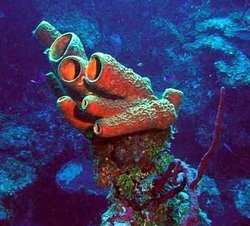
Look at the following picture and correctly identify the phyla to which it belongs
Porifera
Cnidaria
Platyhelminthes
Nematoda

Nematoda means
Porifera
segmented worms
flat worms
round worms

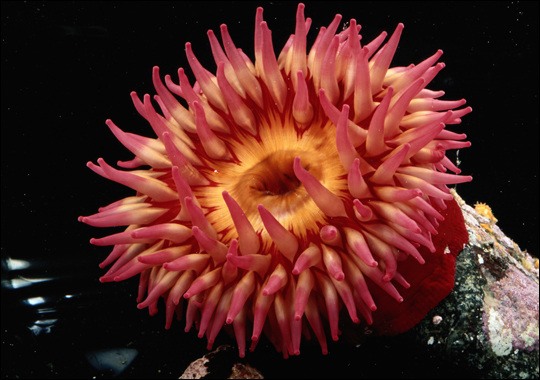
Look at the following picture and correctly identify the Phyla to which it belongs
Annelida
Arthropoda
Echinodermata
Mollusca

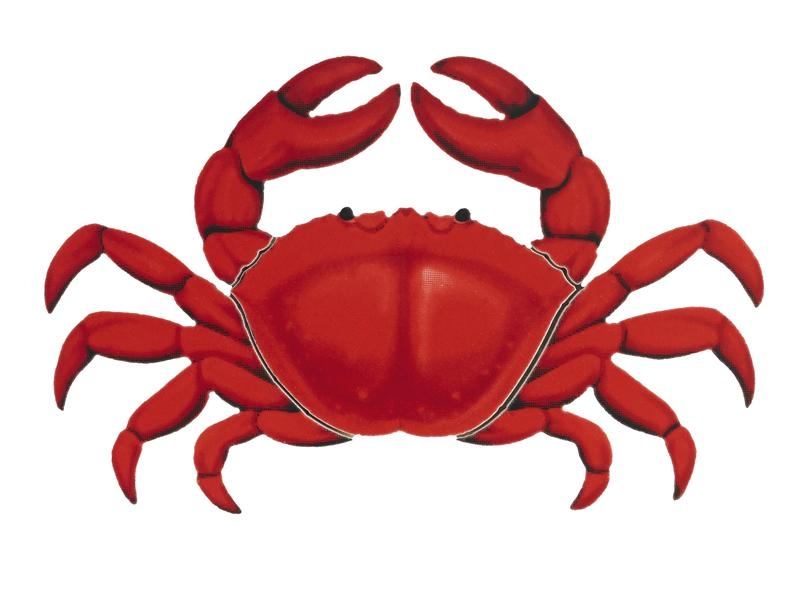
Look at the following picture and correctly identify the Phyla to which it belongs
Annelida
Annelida
Platyhelminthes
Mollusca

how many pairs of jointed legs does insect have
50 pairs
3 pairs
4 pairs
30 pairs
The stinging barb located in the tentacles of cnidarians are called
Cnidaria
Nematocyst
Mesoglea
Epidermis

What is the flexible skeletal support rod?
Dorsal Hollow Nerve Chord
Notochord
Pharyngeal slits
Endoskeleton
Which structures do all chordates have at some point during their life time?
Notochord, Hollow Nerve chord, Pharyngeal pouches , Tail
Notochord, Gill slits, Tail
Hollow nerve chord, notochord, legs, wings
Pharyngeal slits, Head, Thorax, Tail
What is the kingdom vertebrates are classified under?
Chordata
Animalia
Vertebrata
Fogetaboutit
What phylum are vertebrates classified under?
Chordata
Animalia
Stuffleupagus
Protista
Which of the following is a characteristic of a member of the animal kingdom?
Multicellular
get energy from other organisms (heterotrophs)
contain collagen
all of the above
About 97 percent of all animal species are _____.
invertebrates
vertebrates
Both flatworms and roundworms have _____.
radial symmetry
bilateral symmetry
asymmetry
Which of the following groups of chordates are invertebrates?
mammals
fish
lancelet
amphibians
Of the following, which is NOT an amphibian?
fish
salamander
frog
toad
What is a nerve cord?
The connection between the brain and the nerves where messages travel
A spinal cord
both of these
none of these
reptile
Human beings are classified as which of these?
animal
Chordate
mammal
All of these.
Animals that have spines or bumps on their exoskeletons, radial symmetry and water vascular systems are ...
Sea Cucumbers
Sea Lilies
Sea Stars
All of the Above
The _____ operates the tube feet of sea stars and other echinoderms.
Circulatory System
Nervous System
Digestive System
Water Vascular system
Tunicates feed in which way?
Herbivory
Deposit feeding
Filter feeding
Hunting
Which of the following represents invertebrate chordates?
tunicates
lampreys
snakes
sharks
Endotherms...
Heat their own bodies internally.
Depend on their surroundings to control their temperature.
Have a very high natural body heat.
Have a very low natural body heat.
Exotherms...
Heat their own bodies internally.
Depend on their surroundings to control their temperature.
Have a very low natural body heat.
Have a very high natural body heat.
Which of the following is not a kind of reptile?
Crocodiles & Alligators
Salamanders
Turtles & Tortoises
Snakes, Lizards, & Tuataras

What is the common name of this organism?
pinky
tunicate
lancelet
sandy
invertebrate chordates include...
tunicates and lancelets
lampreys and lancelets
tunicates and tuataras
lampreys and lungfish


they don't have urinary bladder


Sharks, skates, and rays are ____________ fish.
cartilaginous
jawless
bony
warm blooded

A Turtle is a...
Fish
Amphibian
Reptile
Both Reptiles & Amphibians
An example of a bony fish is the:
lamprey
ray
tuna
octopus

A Tree Frog is a...
Fish
Amphibian
Reptile
Both Fish & Amphibians
I breathe with lungs, lay eggs, am ectothermic (cold-blooded), and often have scaly skin which holds in the water. What am I?
fish
mammals
birds
reptile
As adults, amphibians breathe through _____________.
Gills
Lungs and gills
Lungs
Feet

Phylum Arthropoda Class ???
Insecta
Crustacea
Arachnida
Which is NOT a group of reptiles
tuartaras
turtles and tortoises
caecilians
snakes and lizards
This type of vertebrate has a skeleton made of cartilage and stores lots of oil in its liver to help it keep afloat:
jawless
cartilaginous
bony
tunicates
Skates, rays, and SHARKS belong to this group of fishes:
bony
cartilaginous
jawless
lancelets
Which of the following is a characteristic of Amphibians?
do not have jaws
the young and adult forms are different
can fly
Can breathe under water

A marsupial........
Young develops in a placenta
Lays eggs
Young develops in a pouch

A placental..........
Lays eggs
Young develops in a pouch
Young develops in a saclike organ or placenta.


Lampreys differ from other fish in the following ways:
They lack a backbone.
They lack an endoskeleton.
They lack jaws.
They lack a tail.


What group do Caecilians belong to?
snakes
mammals
amphibians
reptiles
A close long term relationship between two or more organisms is called...
symbiotic relationship
limiting factor
carrying capacity
survival rate
A relationship between organisms where they both benefit...
parasitism
mutualism
commensalism
carrying capacity
a relationship between organisms where one benefits and the other is unaffected...
parasitism
mutualism
commensalism
limiting factor
A relationship between organisms where one benefits and the other is harmed...
parasitism
mutualism
commensalism
survival rate
The role an organism plays in its environment is called what?
carrying capactiy
limiting factor
niche
survival rate


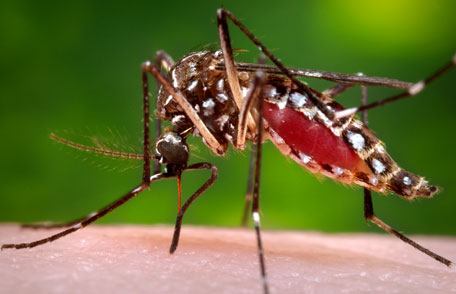


What behavior allows newborns to recognize and follow the first moving object they see?
imprinting
conditioning
trial and error
reflex

Why is a spider spinning a web an innate behavior?
It learns how to spin the web from its mother.
It learns how to spin a web through insight learning.
It is born knowing how to spin a web.
It learns how to spin a web through observational learning.

Behaviors that are passed on from parents to offspring without teaching or training are called what?
inherited or innate behaviors
learned behaviors
instincts
imprinted behaviors

Animals compete for...
Food
Mates
Territory
All of these



