
 Worksheets
2nd period bell questions
Total questions: 175
Worksheet time: 3hrs 44mins
How do humans often impact the groundwater of an area?
pollutants from different activities can percolate through the soil and into the groundwater
human activities don't impact water that is underground
humans are able to replace any groundwater they pollute
human activities prevent groundwater from evaporating
Groundwater can carry pollution from one water source to another
Hide Answers
True
False
Which of these scenarios would have a positive impact on the water in an area?
increasing chemicals added to nearby waterways
burying toxic waste underground
releasing more carbon dioxide into the air by burning fossil fuels
adding filters to a smoke stack to reduce acid rain
Which of these is a nonrenewable resource?
geothermal energy
wind energy
oil
solar energy
Which of these is an advantage of renewable resources?
they are inexpensive
they will be available for a long time
they reduce the demand for energy
they make energy less dangerous
Choose the renewable natural resources:
coal, air, tree, fish
air, tree, sheep, grass
tree, air, coal, sheep, fish
petroleum, tree, sheep, fish, coal
Which of these combinations would provide energy from only alternative sources?
hydroelectric and natural gas
solar energy and oil
solar and geothermal
solar energy and oil
Which of these is NOT an alternative energy source?
coal burning plant
solar panels
wind turbines
hydroelectric energy
Which of these is an alternative energy source?
solar panels
natural gas wells
coal mining
oil drilling
What is a benefit of driving cars that use fuel sources other than gas?
less road construction
an increase in car choices
lower levels of air pollution
more public transportation (buses, trains, etc)
If an organism is added to an ecosystem and their population grows very quickly, what is a likely outcome for this ecosystem?
both biodiversity and sustainability will increase
biodiversity will increase; sustainability will decrease
biodiversity will decrease; sustainability will increase
both biodiversity and sustainability will decrease
What is a negative impact of building roads?
decrease in soil erosion
increased plant life
decrease in animal populations
decreased precipitation amounts
Which of the following is a way to control bugs that doesn't harm the ecosystem?
increasing the native organisms that feed on the bugs
draining any swamps in the area
spraying chemical pesticides in the air
spreading oil on the ground of the areas that have bugs
the variety of life in an ecosystem is known as the
percolation
biodiversity
sustainability
population
Which of these is an example of an alternative energy source?
natural gas pipelines
coal mines
oil refineries
wind turbines placed along the coast
What is one way farmers can try to prevent soil erosion?
plowing the fields regularly
using more pesticides
planting cover crops
putting up a fence to keep the dirt inside
When the population of an area increases
energy consumption increases
energy consumption decreases
energy consumption stays the same
everyone stops using energy
higher biodiversity
doesn't impact the health of the ecosystem
means a healthier ecosystem
means an ecosystem is less healthy
biodiversity isn't important to ecosystems
Is coal a renewable or non-renewable resource?
renewable
non-renewable
Is the sun a renewable or non-renewable resource?
renewable
non-renewable
Is oil a renewable or non-renewable resource?
renewable
non-renewable
Is petroleum a renewable or non-renewable resource?
renewable
non-renewable
Is geothermal energy a renewable or non-renewable resource?
renewable
non-renewable
Is wind energy a renewable or non-renewable resource?
renewable
non-renewable
Is hydroelectric energy a renewable or non-renewable resource?
renewable
non-renewable
Is natural gas a renewable or non-renewable resource?
renewable
non-renewable
Are animals a renewable or non-renewable resource?
renewable
non-renewable
Is biomass a renewable or non-renewable resource?
renewable
non-renewable
Are plastic bottles a renewable or non-renewable resource?
renewable
non-renewable
If trees are cut down faster than they can be replanted, are they a renewable or non-renewable resource?
renewable
non-renewable
being able to use resources and not depleting them for future generations means the resource is
non-renewable
sustainable
clean
fossil fuels
Coal, oil, and natural gas come from ancient remains of plants and animals and are called
biomass
sustainability
fossil fuels
geothermal energy
materials found in nature that are used by living things
sustainability
natural resources
energy efficiency
renewable resources
energy that comes from renewable resources is called
fossil fuels
alternative energy
natural resources
petroleum
A natural resource that can be replaced at the same rate at which the resource is consumed
renewable resource
nonrenewable resource
natural resource
fossil fuels
organic material that is used as a renewable energy resource by being burned or converted to fuel is known as
biomass
hydroelectric energy
solar energy
wind energy
Energy from steam or hot water produced using the heat from deep underground in the Earth is called
biomass
geothermal energy
hydroelectric energy
fossil fuels
A natural resource that is not replaced in a reasonable time frame; usually not in our lifetime
renewable resource
non-renewable resource
natural resource
sustainable resource
What type of countries typically have a larger urban population than rural population?
developing countries
developed countries
There is no difference in population between developed and developing countries.
How do urban communities compare to rural communities?
Rural communities produce more pollution than urban communities.
Urban communities tend to have a higher population than rural communities.
More people in the US live in rural communities.
Urban communities have less environmental impact than urban communities.
Which of the following is not a negative consequence of upward growth?
pollution
creation of a "heat island"
increased use of surrounding land
waste management issues
Home of animals, plants, and organisms
(a)
Exercising, going to work are examples
(a)
Which of the following does NOT increase the amount of nitrogen in the ecosystem?
fertilizers used in agriculture
grazing livestock
burning fossil fuels
decomposing plants and animals
What is deforestation?
Clearing Earth's forests on a massive scale
Eating too much vegetables
Going to a forest and pulling grasses
Clearing the five trees in my backyard
T/F: Deforestation has an effect on the water cycle.
True
False
T/F: Deforestation causes an increase in atmospheric carbon dioxide
true
false
Why do we need to find an alternative to fossil fuels?
They decrease the effects of global warming.
They decrease the greenhouse effect.
They increase biodiversity.
They increase particulate matter in the air.
Deforestation can lead to____________?
loss of animal habitats
soil erosion
increases in Earth's average surface temperature
all options.
Which is one way for individual citizens to have a positive impact on air quality? Check all that apply.
Taking public transportation
reducing energy used in the home
recycling plastics
using renewable energy sources
Photochemical smog is the result of nitrogen and carbon, often from car exhaust, reacting in sunlight. Which describes something that would likely decrease the amount of smog over time?
a decrease in gasoline prices
an increase in the number of cars on the road
a decrease in the price of cars
an increase in cars that use gasoline efficiently
Miss Lemay joins a group that cleans litter out of streams. What sort of impact is this group having on the environment?
Negative, get it together!
Positive, you go Miss Lemay!
Cleaning up polluted water is very difficult. What is a better way to reduce water pollution?
there is no stopping it.
Prevent pollution from entering the environment.
Methods that reduce the impact of deforestation include (check all that apply):
do not clear cut trees
plant native trees
plant native shrubs
Although some pollution is caused by natural disasters, most is caused by the actions of (a) .
Methods that reduce the impact of agriculture on the river ecosystem include (check all that apply):
Install a silt fence along the river to trap sediment in the runoff from cleared land, so the sediment does not pollute or fill up the river.
Install a retention pond to catch runoff before it enters the river, so any pollutants or sediments do not enter into the river
Use a wastewater management system or store animal waste to prevent it from entering into the river and polluting it.
Monitor the amount of water used during irrigation to prevent excess water from flowing across land and into rivers causing erosion and carrying pollutants, such as pesticides and heavy metals.
What leads to an increase in average global temperatures?
increase int he use of fossil fuels
decrease in carbon dioxide emissions
decrease in the rate of deforestation
increase in wetland acreage
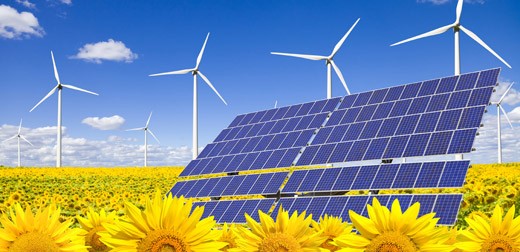
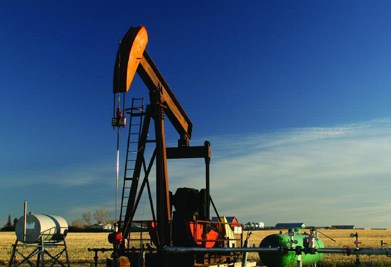
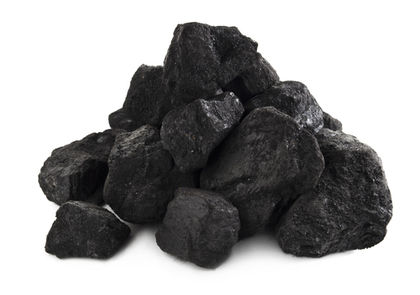
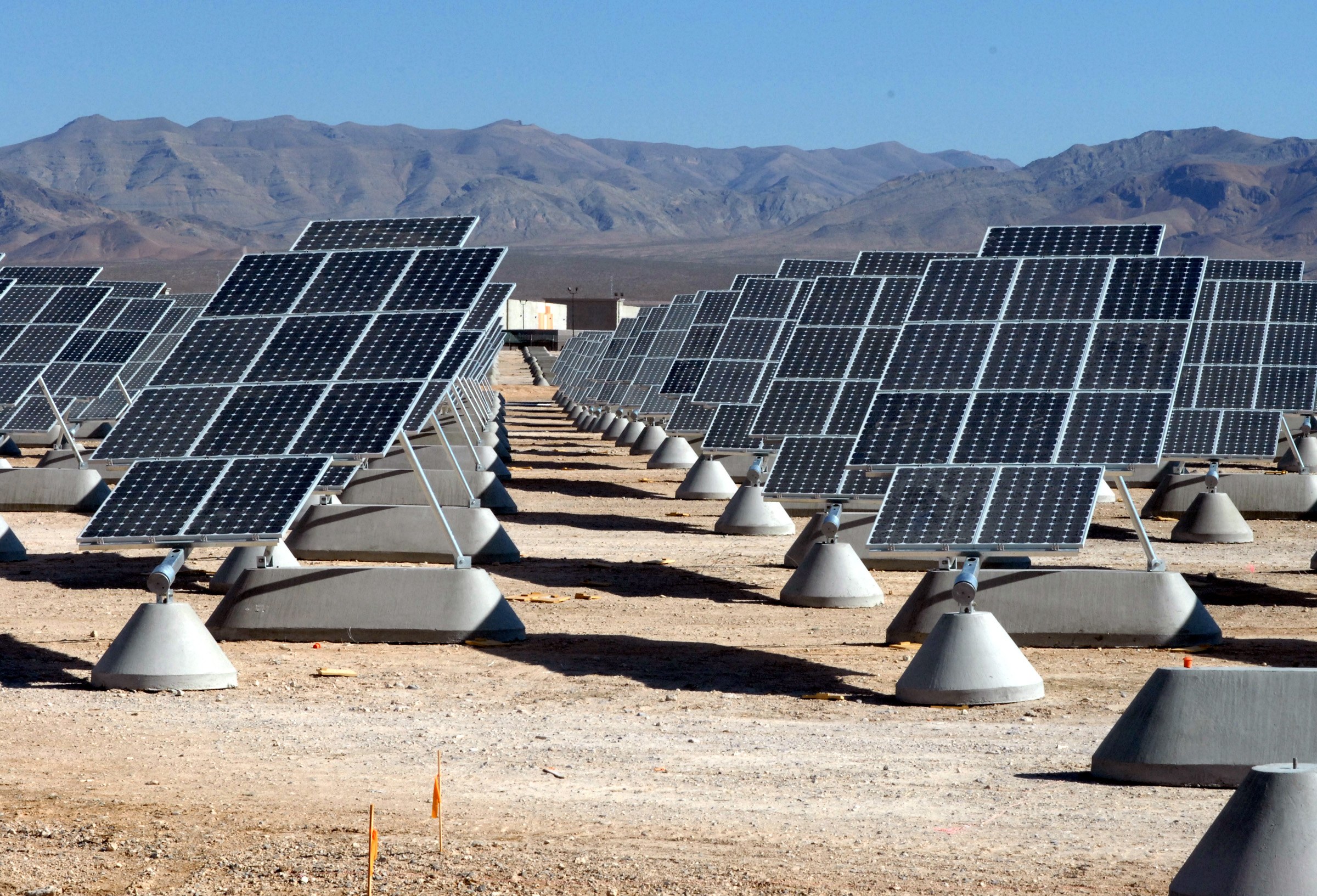
Andrea would like to start an environmental conservation club at her school. She is making a poster to describe what the club will do. Which activity could she list that would be part of conservation?
Learn how to save water
Learn how to nurse a sick pet
Learn how to build a campfire
Learn how to balance a budget

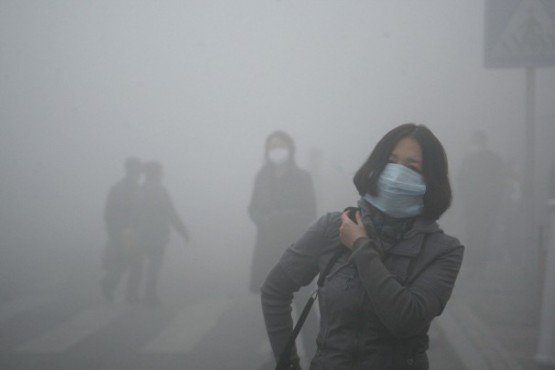
Which type of pollution is shown in the image below?
Air pollution
Water pollution
Acid precipitation
Global warming

Which type of human impact is shown in the picture below?
Desertification
Deforestation
Urban sprawl
Land pollution
Which of the following is an example of a non-renewable resource?
Solar Energy
Wind Energy
Hydro Energy
Fossil Fuel Energy
What is the Greenhouse Effect?
A federal law that requires all houses to have a greenhouse in their yard
Explains how the atmosphere protects the Earth
The way certain gases, like water vapor and carbon dioxide absorb and reradiate energy from the sun
Explains how plants grow better inside than outside
Which of the following is one way that we can preserve water resources?
Leave the water running while you are washing dishes or brushing your teeth
Only do laundry on certain days even if you don’t have full loads
Take shorter showers
Set your irrigation systems on timers so they only water at certain times, rain or shine
Which of the following is one way to preserve land resources?
Reduce urban sprawl
Clear cutting trees to increase land for farming
Only build one park per city
Only build recycling factories in the biggest cities
Several factors can lead to soil erosion. Which of these human activities is most likely to contribute to soil erosion?
Clearing land for farming
Planting trees and vegetation
Preserving land as a wildlife habitat
Reducing the amount of livestock in an area
Humans need fresh, clean water to survive. Which of these claims is true about fresh water?
An unlimited amount of fresh water is available on Earth
In some places on Earth, fresh water is being used up faster than it can be replaced.
The global population is currently decreasing, and people are using less fresh water.
Fresh water was once considered a renewable resource, but today it is considered an inexhaustible resource.
There are many sources of air pollution in the United States and around the world. Some are natural sources, and others come from humans. Which of these examples is a human source of air pollution?
Dust Storms
Volcanic Ash
Industrial emissions
Forest fires caused by lightning
Reforestation is the planting of trees that have been cut down by loggers and builders. One benefit of reforestation is restoring lost trees, which future generations can use for their wood. Which claim could be made about how reforestation could benefit a community?
It limits the space available for building homes and business
It decreases the chances of a forest fire spreading near people’s homes because of new tree growth
It decreases the land available for growing crops and raising livestock
It rebuilds forests, which provide shelter to animals, plants and other resources
Air pollution is caused by many different activities. Air pollution can affect human health and the health of other living things. Which of these choices gives the best description of air pollution?
The circulation of pollutants in enclosed spaces
The long-term health issues related to the quality of the air
The contamination of the atmosphere by pollutants from human and natural sources
The pollution that results from global warming
The ozone hole is actually an area of depleted ozone in Earth’s atmosphere. Which of the following human activities has the greatest contribution to the development of the ozone hole?
The use of oil in automobile engines
The use of airplanes in the atmosphere
The increase in factory emissions
The use of chlorofluorocarbons in refrigeration
A long-term change in the temperature range and related environmental variables for regions of Earth
Consumption
Climate Change
Pollution
Environment
Removal of a forest or stand of trees, which are then used for nonforest purposes
Reuse
Deforestation
Pollution
Overpopulation
An alien (non-native to the ecosystem) species, usually brought to an area by humans, that competes for resources and causes problems for the native species within an ecosystem
Environment
Ecosystem
Invasive Species
Population
More organisms in an area than an ecosystem can support
Population
Overpopulation
Overexploitation
Climate Change
A harmful substance that contaminates a
natural environment
Deforestation
Environmental Impact
Overexploitation
Pollution
To properly dispose of used resources so they can be reprocessed into new products
Energy Usage
Recycle
Reduce
Reuse
To make smart purchasing decisions that result in less waste and packaging
Reduce
Reuse
Recycle
Overexploitation
To find ways to use containers and products multiple times
Recycle
Reduce
Reuse
Energy Usage
A type of farming and fishing that produces food in a way that does not harm the environment
Anthropogenic Changes
Overexploitation
Agriculture
Sustainable Farming and Fishing


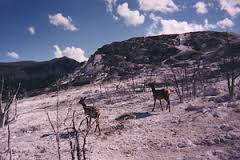


Which is a disadvantage of wind farms?
a wind farm produces more noise pollution than a single wind turbine produces
a wind farm produces less electricity than a single wind turbine produces
Which of the following is an advantage of building wind farms instead of a single wind turbine?
a wind farm can be built close to towns that need electricity
a wind farm can easily be built in locations away from birds
a wind farm produces enough sound to keep birds away
a wind farm produces a greater amount of electricity than a single wind turbine produces
Why is nuclear energy considered nonrenewable?
some people do not support the use of nuclear energy as a resources
fuels such as uranium ore, are not replaced in nature as quickly as they are used
nuclear power plants produce waste that must be stored for long periods of time
Which is a disadvantage of biomass?
uses land that could have been used for growing food
less pollution than nonrenewable energy resources
easily stored
Which is a disadvantage of solar energy?
simple technology with little maintenance
panels must be at the optimal angle facing the sun to work effectively
sunlight is free
Which is a disadvantage of solar energy?
simple technology with little maintenance
cloud coverage reduces sunlight absorption
sunlight is free
Wind power is renewable.
true
false
The use of pesticides by farmers can result in
ecological succession
material recycling
environmental pollution
selective breeding
Which of the following evidence does not support this proposal. Proposal: Fertilizers should be replaced with compost.
compost has many nutrients
fertilizers help plants grow faster and taller
fertilizer can add missing nutrients to the soil
Compost takes time to be made.
Which explanation supports the proposal? Proposal: We should start replacing goods made out of plastic with biodegradable materials.
This will reduce the amount of trash put in landfills each year.
This will increase the amount of trash placed in landfills each year.
This will decrease the amount of non biodegradable products that are harmful to earth.
Which statement DOES NOT support the proposal? Proposal: Small pieces of land should be slowly harvested (cut down) over time.
clear cut forest cannot be regrown because the climate of the area changes due to loss of trees
clear cutting forests produces a large amount of timber and a large amount of money
animals lose their home and have nowhere to go if a forest is clear cut
Area in the atmosphere that blocks out harmful ultraviolet (UV) rays from the sun.
smog
greenhouse gases
ozone layer
CFCs
Ozone depletion causes global warming
True
False
Ozone depletion and global warming are both related to human activities
True
False
The greenhouse effect is the natural trapping of heat near Earth's surface that allows the planet to sustain life
True
False
What is one effect of deforestation?
increased nutrients
increased erosion
accelerated recycling of organic matter
accelerated soil deposition
Automobiles contribute to air pollution by
increasing oxygen
decreasing oxygen
decreasing carbon dioxide
increasing carbon dioxide
Why is carbon dioxide considered a greenhouse gas?
It's found in high concentrations in greenhouses with plants
It's produced as a result of human activity
It traps radiated energy in the atmosphere, which causes temperatures to rise
It's necessary for plants to survive
As global temperatures rise, global sea levels are expected to rise in part because...
more precipitation is falling
glaciers are melting at a faster rate
acid rain causes water to expand
oceans are polluted with plastic waste
How can we help solve environmental problems? Check all that apply.
develop more efficient vehicles
develop renewable energy sources
develop ways to clean land, air and water pollution
develop ways to release more greenhouse gases into atmosphere
increased recycling
What do carbon dioxide and methane have in common?
They are gases created when wood is burned
The are gases that regularly escape from landfills
They are gases that contribute to global warming
They both contribute to ozone depletion
One change brought by global warming is that more water vapor in the air acts as a greenhouse gas, while loss of reflective ice cover allows for even more solar heating
True
False
What is an effect of ozone depletion?
Increased UV radiation from sun reaching Earth's surface
Global warming
Increased sunlight reaching Earth's surface
What does biodiversity mean?
the number of different species in an area
the number of animals in an area
the population of an area
the area inhabited by living things
The greenhouse effect is best described as
An unnatural phenomenon that prevents water from evaporating into the atmosphere
An unnatural phenomenon that causes heat energy to be radiated back into the atmosphere
A natural phenomenon that provides asteroids from coming into contact with the earth
A natural phenomenon on all planets in our galaxy
Combustion of fossil fuels releases which of the following greenhouse gases into the atmosphere?
nitrous oxide
dihydrogen monoxide
carbonic acid
carbon dioxide
Which of the following is NOT a benefit of biodiversity conservation?
combating climate change
protecting individual species
preserving habitats & ecosystems
making sure local people benefit from conservation efforts
The measure of human impact on the biosphere is best described as
polar vortex
ecological footprint
ozone disapparation
natural disaster formation
Which of the following is NOT a benefit of biodiversity?
ecological resilience
risk of extinction
contributions to medicine
contributions to agriculture
Using resources in ways that preserve ecosystem services is known as
monoculturism
biodiversity
sustainable development
common sense
A nonrenewable resource, like coal, is a resource that...
can be produced or replaced by a healthy ecosystem
cannot be produced or replaced in a reasonable time
was innovated by men
has low resilience to human impact on the environment
An example of a renewable resource is
drinkable water
natural gas
coal
petroleum
An example of a renewable resource is
drinkable water
natural gas
coal
petroleum
If a species in no longer found living on Earth it is
pollutants
extinct
species
endangered


Why would humans cut down forests?
to build roads
to build buildings
to build factorys
all of the above
Positively, what is the effect of people cutting down forests?
wildlife loses their home
people get shelter by building homes
there is more carbon dioxide in the atmosphere
the soil gets eroded
Negatively, what is the effect of people cutting down forests?
people build roads to connect to each other
people build houses to get shelter
wildlife loses their homes
people build buildings for offices


The variety of life in an ecosystem.
Pioneer Species
Biodiversity
Abiotic Factors
Producers

The population limit in an ecosystem due to limited resources or predators.
Biodiversity
Biotic factors
Abiotic factors
Carrying capacity

Populations that normally live in an ecosystem: endemic, indigenous.
Native Species
Biotic Potential
Carrying Capacity
Pioneer Spcies

Populations that are introduced to an area and “take over.”
Abiotic Population
Biotic Potential
Native Species
Invasive species

Disturbances to the ecosystem caused by natural events or human activities or accidents with a permanent impact.
Environmental Capacity
Abiotic Potential
Biodiveristy
Environmental Changes

Possible negative impacts on an ecosystem from natural events or human activities or accidents.
Biodiveristy
Environmental Impact
Carrying Capacity
Ecological Potential

Any single living individual, and can refer to a single human, animal, plant, protista, bacteria, or fungi.
Organ System
Biome
Population
Organism

Organisms who are members of the same species in an ecosystem.
Population
Community
Organism
Biodiversity

The graph shows that the human population has...
increased
decreased

When people cut down trees to make lumber for building houses, it is called...
Habitat Fragmentation
Overfishing
Logging

In 2016, the Great Smoky Mountains lost a large amount of habitat because of this...
Acid Rain
Wildfire
Pollution
Flooding

One way that the military harms the environment is...
construction
overfishing
radiation

The biome in this picture is....
tundra
taiga
desert
grassland

The variety of species on Earth is called...
natural resources
consumers
biodiversity
resilient

Resources that are found in the environment, like coal and lumber, are known as...
natural resources
infrastructure
commensalism
exotic woods

When a large habitat is broken into smaller habitats, it is called...
deforestation
loss of habitat
habitat fragmentation
construction

