
 Worksheets
Chapter 11 Vaping and Tobacco
Total questions: 21
Worksheet time: 21mins
Based on the list of leading causes of death, which condition is most directly linked to long-term damage from smoking and is categorized as a chronic lung disease?
Cardiovascular disease
Chronic lower respiratory diseases
Diabetes
Kidney disease
Which statement best defines a tobacco product based on the vocabulary bank?
A plant with leaves that contain nicotine
Any product made or derived from tobacco and intended for human consumption
A chemical in tobacco that is toxic and addictive
A device used to deliver flavored vapor
What is nicotine as defined in the material?
A harmless flavoring added to tobacco products
A toxic, addictive substance found in tobacco leaves
A fertilizer used to grow tobacco plants
A medicine used to help people quit smoking
Which phrase correctly completes the definition: Tobacco is a _______.
device that heats liquids
plant with leaves that contain nicotine
chemical used in farming
type of medicine

Which statement best describes how vaping devices work based on the definition provided?
They burn tobacco to create smoke for inhalation.
They heat tobacco or synthetic nicotine without burning and may use an e-liquid made of nicotine or another drug and chemicals.
They filter air to remove nicotine before inhalation.
They only use natural nicotine and never contain chemicals.
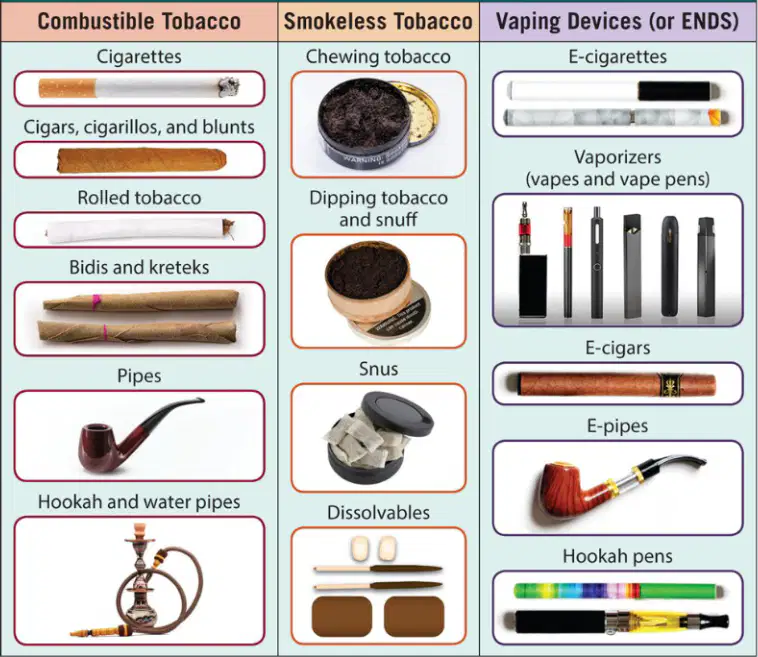
Which item is categorized as combustible tobacco in the diagram?
Chewing tobacco
Snus
Cigarettes
Dissolvables
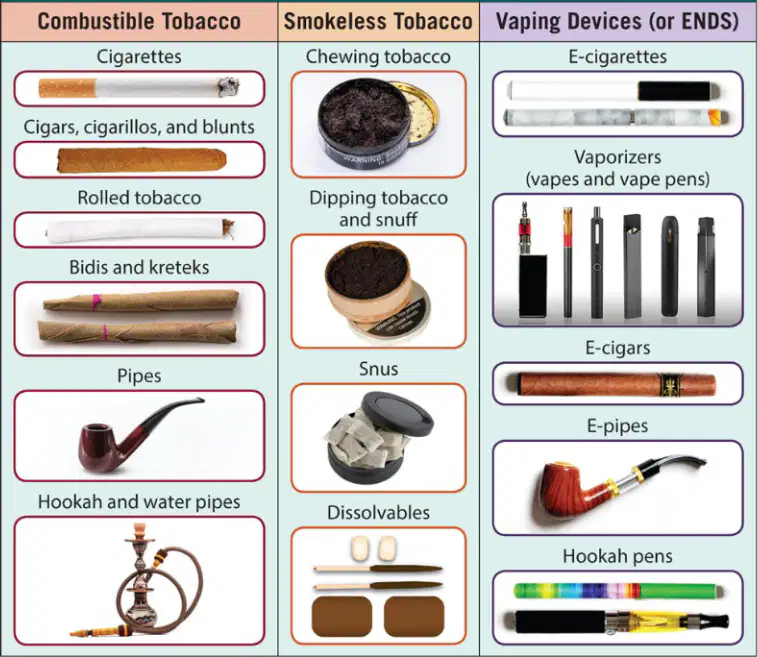
A student says, "An e-pipe belongs to the same category as e-cigarettes and vaporizers." Based on the diagram, which category is this?
Combustible tobacco
Smokeless tobacco
Vaping devices (or ENDS)
None of these
Which option correctly lists the typical progression of nicotine addiction?
Regular Use → Experimentation → Tolerance → Dependence → Addiction
Experimentation → Regular Use → Tolerance → Dependence → Addiction
Tolerance → Dependence → Regular Use → Experimentation → Addiction
Dependence → Tolerance → Regular Use → Experimentation → Addiction
Which event happens immediately after nicotine enters the bloodstream?
Heart works harder to pump blood through the body
Blood vessels narrow, and adrenaline is released
Blood flow is restricted by fatty deposits in vessel walls
Increased risk of heart attack or stroke
A student claims that nicotine can indirectly raise the risk of stroke by causing changes that force the heart to work harder and limit blood flow. Which sequence best supports this claim?
Nicotine enters bloodstream → Blood flow restricted by fatty deposits → Blood vessels narrow
Blood vessels narrow and adrenaline is released → Heart rate, breathing rate, and blood pressure increase → Heart works harder → Blood flow restricted by fatty deposits → Increased risk of heart attack or stroke
Heart works harder → Blood vessels narrow → Increased risk of heart attack or stroke
Heart rate increases → Nicotine enters bloodstream → Increased risk of heart attack or stroke
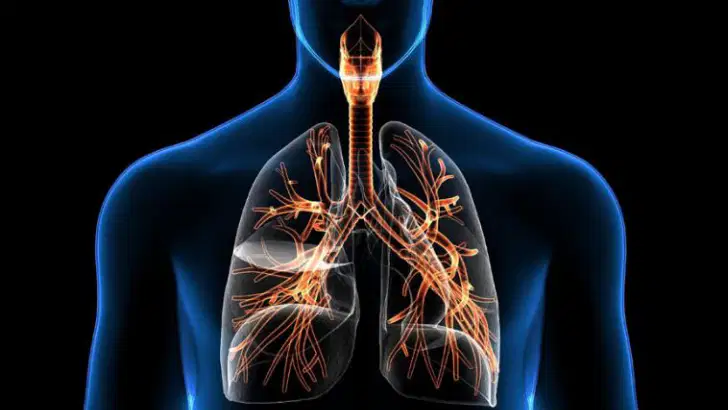
Which health condition is specifically mentioned as a long-term risk increased by nicotine’s effects on the lungs?
Chronic obstructive pulmonary disease (COPD)
Type 1 diabetes
Appendicitis
Broken bones

Nicotine’s action in the nervous system most directly triggers which neurotransmitter, leading to pleasurable feelings and potential dependence?
Serotonin
Dopamine
Acetylcholine
GABA
Which condition is specifically listed as an increased risk of nicotine use within the digestive system?
Appendicitis
Crohn’s disease
Lactose intolerance
Gallstones
Which statement best explains how nicotine affects body defenses and reproduction?
It strengthens immunity and increases fertility.
It reduces resistance to disease and lowers fertility.
It has no effect on the immune system but improves pregnancy outcomes.
It only affects the digestive system, not reproduction.
How much earlier do long-term users of cigarettes die on average compared to people who do not use cigarettes?
1–3 years earlier
5–7 years earlier
10–12 years earlier
13–15 years earlier
Which statement best describes the health effect of carbon monoxide found in cigarette smoke?
It increases lung capacity by adding oxygen to the blood.
It reduces the amount of oxygen in the blood.
It strengthens the immune system to fight infections.
It neutralizes acids in the stomach.
Cigarette smoke contains carcinogens. What is the primary health risk associated with carcinogens?
They cause dehydration.
They increase a person’s risk for cancer.
They improve heart function.
They prevent addiction.
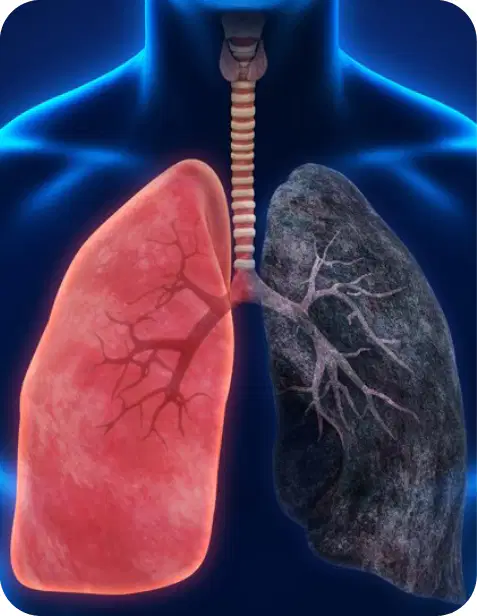
Which condition is grouped under chronic obstructive pulmonary disease (COPD) related to cigarette use?
Pneumonia
Chronic bronchitis
Lung cancer
Tuberculosis
Which of the following is a direct effect of tar from cigarette smoke on the respiratory system?
It damages cilia and leads to mucus buildup.
It strengthens lung tissue against infection.
It increases oxygen absorption in the lungs.
It neutralizes harmful chemicals in the airways.
What is the main reason secondhand smoke is considered dangerous to non-smokers?
It contains the same toxic chemicals as directly inhaled smoke.
It only affects people with allergies.
It improves air quality in enclosed spaces.
It is filtered and less harmful than firsthand smoke.
Which of the following best describes the addictive property of nicotine?
It only affects the digestive system.
It causes physical and psychological dependence.
It is non-addictive and safe for regular use.
It is used as a treatment for lung diseases.

