
 Worksheets
Accountability online content and eye disorders
Total questions: 93
Worksheet time: 51mins
Personal responsibility for one's actions and a commitment to improve practice
(a)
Which of the following includes accountability in nursing:
Professional components
Administrative components
Ethical components
Legal components
Which of the following organizations establish standards of care/practice?
Joint Commission
American Nurse Association
Centers for Disease Control and Prevention
National League of Nursing
Which of the following establish guidelines for nurses?
Standards of Care.
What are the four core values in the UCBA curriculum?
Caring, patient centeredness, safety, quality.
Which of the following are components of accountability in the nursing profession?
Successful completion of a program providing the body of knowledge necessary for performance of the role
A focus toward service, be it community or in an organizational capacity
Allegiance to a code of ethics
Autonomy of the role
Membership in a professional organization
A nurse administers the wrong dose of medication to a patient but recognizes the
error immediately. What is the nurse’s most appropriate initial action?
A. Document the error in the patient’s chart without informing anyone
B. Notify the physician and follow the facility’s error reporting policy
C. Monitor the patient for side effects and say nothing if the patient is stable
D. Report the error to a colleague at the end of the shift
A
B
C
D
As a nursing student, you are responsible and accountable for...
What you learn
Student Nurse Association Code of Ethics
UCBA Nursing Curriculum's Core Values
Nurse Practice Act
The patients you take care of
Which of the following are factors affecting nursing practice and accountability?
Cultural beliefs
Science and technology
Legislation
Consumer demand
Economics
processing the knowledge & skills
necessary to perform one’s job appropriately and
safely in nursing
Nursing competence
What are the four domains of nursing practice?
Health and Wellness Promotion
Illness Prevention
Health Restoration
Clinical Practice
Care for the Dying
A process that enables individuals and
communities to increase their control over the
determinants of well-being, thereby improving their
overall well-being which leads to improving overall
health
Health and Wellness Promotion
Illness Prevention
Maintain optimal health by preventing disease
• Hand hygiene
• Aseptic Technique
• Precautions
Illness Prevention
Health and Wellness Promotion
Health restoration
Caring for the Dying
Getting back to previous health status
Health Restoration
Illness Prevention
Health and Wellness Promotion
Caring for the Dying
Live comfortably as possible until death
• Hospice care
• Palliative care
Health and Wellness Promotion
Illness Prevention
Health Restoration
Caring for the Dying
Which of the following explains the Benner Skill Acquisition Model?
Which of the following is described from the Benner Skill Acquisition Model?
New grad; starting to recognize more significant information
Which of the following of Benner Skill Acquisition Model is described?
2-3 years of experience, recognize parts but not the whole
Which of the following skills that will develop with more experience is described?
Effective communication; Make real connections to patients
and their families/ friends and your colleagues
Cognitive skills
Technical skills
Interpersonal skills
A newly licensed nurse is assigned to care for a patient with a chest tube. The
nurse has observed the procedure during orientation but has never independently
provided care for a patient with a chest tube. Which action demonstrates
professional competence?
A. Perform the chest tube care independently to build confidence
B. Ask a senior nurse to supervise while providing the chest tube care
C. Refuse to care for the patient until more training is completed
D. Delegate chest tube care to an unlicensed assistive personnel (UAP)
A
B
C
D
actions taken by government bodies and other societal actors to attain specific health-related goals
-include laws, regulations, government agency guidelines, position statements, resolutions, judicial decrees, and budget priorities
________ _________ may also develop health policy.
• Not established in law or regulation
• Still have influence over policy change
Private Agencies
Which of the following executive branch agencies affects health policies?
Centers for Disease Control (CDC)
Which state executive agencies affect health policies?
State health departments
State boards of nursing
Which Federal Agencies affect health policies?
Occupational Safety and Health Administration (OSHA)
US Dept of Health and Human Services (DHHS)
Responsible for tracking state health data and statistics; maintaining birth, death, marriage,
and divorce records; and enforcing statewide health laws, such as smoking bans
Ohio Department of Health
Responsible for establishing training and certification standards for EMS personnel,
accrediting training programs, overseeing the state’s trauma system, and/or licensing
medical transportation services.
Offices of EMS
At the county or municipal level, local departments of health administer health policies and offer many vital services to their communities
Local Health Agencies
City or Local Health Departments
Local Social Service Organizations
Ohio Dept of Health
Provide clinical, environmental, health promotion, and population-based services such as free clinics, sexual health,
HIV/AIDs testing, and tuberculosis and dental clinic
• Provide information about locations of main healthcare facilities and the number of health professionals in the
community
Local Health Agencies
Local Social Service Organizations
City or Local Health Departments
Offices of Emergency Services
Local Social Service Organizations
• Child Health Insurance Program (CHIP)
• Women, Infants, and Children (WIC) supplemental nutrition program
Local Social Service Organizations
City/Local Health Departments
Local Health Agencies
State Health Agencies
process of gaining recognition through a peer review process that evaluates the organization quality
• The Joint Commission for healthcare provider organizations “Magnet”
• Nursing Education accreditation
• American Association of Colleges of Nursing (AACN)
• Accreditation Commission for Education in Nursing (ACEN)
Health Departments
Accreditation
Health Agencies
Health Policies
Usually offered by employer or through a group plan
• Health maintenance organizations (HMOs)
• Preferred-provider organizations (PPOs)
• Point-of-service (POS) Plan
• Consumer-driven healthcare plan (CDHP)
Private Plans
Federal Plans
Medicare Parts
Personal Payment
Medicare, Medicaid, Affordable Care Act are all examples of which type of Healthcare Reimbursement type?
Private Plans
Federal Plans
Available to people age 65 or older, younger people with disabilities, those with end-stage renal disease
Available to lower income, elderly, & people with eligible disabilities
Medicare
Medicaid
Affordable Care Act
Healthcare reform law enacted in March 2010 that ensures all U.S. citizens and nationals, or those lawfully present in the U.S. have access to affordable health care coverage regardless of health history
Which part of medicare is described:
Covers hospitalization and inpatient visits, like nursing home visits.
Which medicare part is described below:
Helps to cover medically necessary services and outpatient visits/doctor appointments
Which medicare part is described below:
Includes all services covered under Parts A and B, usually includes Plan D prescription drug coverage, and may cover other services such as hearing and vision testing.
Which medicare part is described below:
Provides prescription coverage
• Client pays insurer directly – no insurance
• Higher overall healthcare expenses
• Individuals sicker than those who pay lower percentage of healthcare costs
Medicare part D
Medicare part A
Personal Payment
Federal Plans
• Define standards of practice
(legal issues)
• Identify professional behaviors
• Support nursing research
• Participate in policy development
CDC
Professional Organizations for Nursing Practice Purpose
Personal Payment
National Leage of Nurses (NLN)
A nurse is teaching a group of older adults about Medicare coverage. Which statement by a participant indicates a correct understanding of Medicare?
A. “Medicare Part A helps cover hospital stays and some home health services.”
B. “Medicare Part B pays for all prescription medications.”
C. “Medicare Part C is only available to people under 65 years of age.”
D. “Medicare Part D covers vision and dental care.”
A
B
C
D
Near sightedness
*can only see near, cannot see far
Myopia
Hyperopia
Presbyopia
Cataracts
Farsightedness
*can see far
*can't see near
Myopia
Hyperopia
Presbyopia
Cataracts
If a person’s visual acuity is tested with a Snellen chart and reported to be 20/60,
the nurse knows the number 60 indicates which of the following?
A. the distance at which a person stood from the chart
B. The distance at which a person with normal vision can read the chart
C. a persons vision is 60% less then that of a person with normal vision
D. The person has three times poorer vision in the right eye than in the left eye
A
B
C
D
Age-related condition where the lens of the eye loses its flexibility, making it harder to focus on close objects
*common part of aging, not a disease!
The following symptoms describe what?
Difficulty reading small print
Holding reading material farther away to see it clearly
Eye strain or headaches with close work (reading, sewing, etc.)
Needing reading glasses or bifocals
opacification (clouding) of the lens of the eye that can significantly interfere with light transmission to the retina and the ability to perceive images clearly
Not smoking and refraining from heavy alcohol use can help prevent cataracts.
False
True
The following symptoms describe what?
Trouble reading
Blurred Vision
Necessity of cleaning glasses
Lens cloudiness may be visible
Color discrimination impaired especially in blue to purple range. Glare complaints- halos around lights at night
The nurse expects a patient with a cataract to complain about which symptom? Select all that apply.
A. Eye pain when doing close work
B. Double vision
C. Halos around lights at night
D. Blurred Vision
E. Eye pain
A
B
C
D
E
Which of the following is the main cataract intervention?
What is the basic explanation of cataract surgery?
You can receive cataract surgery as soon as you start experiencing symptoms to prevent further progression of the cataracts.
Surgery is not an option.
True
False
Your patient just got cataract surgery. Which instructions should you give them?
Avoid driving/bending over on the first day
Wear protective eye wear while sleeping/avoid sleeping on affected side
Stop the use of eyedrops once your pain level is below a 4
Avoid lifting heavy or any strenuous activity for a few weeks
Report signs of infection
Why should your patient avoid bending over/lifting heavy objects after cataract surgery?
A patient is scheduled for cataract surgery. Which of the following statements indicates that the patient understands post-operative care?
A. “I can resume all my normal activities immediately after surgery.”
B. “I should avoid bending over or lifting heavy objects for a few weeks after surgery.”
C. “I do not need to use the eye drops the doctor prescribed if my eye feels fine.”
D. “It is normal to have severe pain and vision loss after surgery.”
A
B
C
D
Cataracts are known as the silent thief of vision.
True
False
Characterized by optic neuropathy with gradual loss of peripheral vision and (usually) increased
intraocular pressure (force within the eye causing tissue damage)
Which type of Glaucoma: the most common type, develops slowly/Degenerative changes in Schlemm’s canal obstructs drainage of aqueous Humor - increased intraocular pressure
Which type of glaucoma: acute- occurs suddenly as a result of complete blockage
Primary open-angle closure glaucoma
The following symptoms describe what?
No Symptoms
Tunnel Vision
Decreased Accommodation –impaired dark adaptation
Halos around lights
Open Angle Glaucoma
Closed Angle Glaucoma
The following symptoms describe what?
Abrupt onset of Pain
Headache
Fixed pupil
Reddened conjunctiva & cloudy cornea
Nausea/Vomiting
Change in visual acuity, could have halos around lights
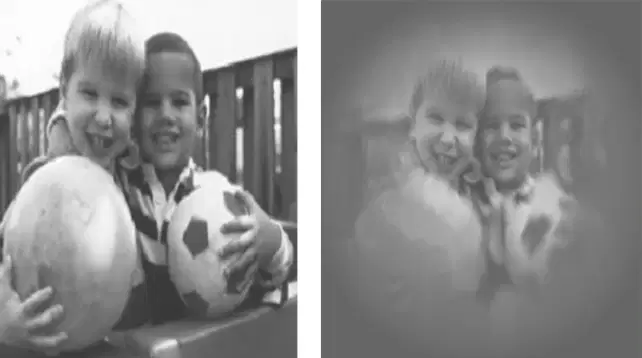
The following image shows an example of what?
Cataracts
Glaucoma
Macular Degeneration
The three P's of open angle glaucoma include...
Preventable
Painless
Permanent
Pressure
All of the following would be used for a diagnostic test for vision disorders except
Tonometry
Ecogram
Gonioscopy
Visual field testing
Which of the following are treatment options for primary open angle glaucoma?
Medications and surgery.
Which of the following are treatment options for angle closure glaucoma?
Medications for emergency treatment, then surgery.
All pharmacologic therapy for glaucoma does the following (both/either or):
Increase outflow of aqueous humor
decrease production of aqueous humor
increase production of aqueous humor
decrease outflow of aqueous humor
Which type of eye medication causes the pupil to constrict?
Which type of eye medication caused the pupil to dilate?
outpatient surgery that is done with a laser/Changes the trabecular meshwork configuration and leads to increased aqueous outflow
creates a drainage hole (permanent fistula) between the anterior and posterior chambers into the space
under the conjunctiva where it can be absorbed into systemic circulation
Your patient is taking eye drops for their glaucoma. They are complaining of discomfort from the eyedrops. What do you tell them?
You may experience some discomfort, but it should improve.
A nurse is reinforcing teaching with a client who has been newly diagnosed with
open-angle glaucoma. Which statement by the client indicates a need for further teaching?
A. “I should take my prescribed eye drops every day to help lower the pressure in my eyes.”
B. “This condition can cause gradual loss of my peripheral vision.”
C. “If I don’t take my medication, I could go blind.”
D. “I can stop using my eye drops once my vision improves.”
A
B
C
D
A gradual process of degeneration in the macular area of the retina.
Leading cause of blindness in older adults
macular degeneration (AMD)
thinning of macular tissue related to the aging process, vision loss is gradual
Exudative/Wet Macular Degeneration
Nonexudative/Dry Macular Degeneration
abnormal blood vessels form and hemorrhage on the retina, vision loss is severe
Exudative/Wet Macular Degeneration
Nonexudative/Dry Degeneration
Dark or empty area in the center of vision
Bend in telephone poles or road
Words on a page look blurred
Difficulty performing tasks that require close central
Vision such as cooking
Decreased color vision
Acuity tests
All symptoms of what?
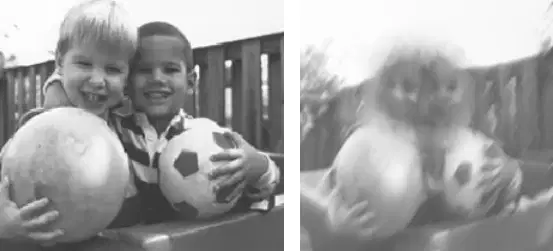
The image above is an example of what vision disorder
Glaucoma
Cataracts
Macular Degeneration

The Amsler grid was developed as a diagnostic tool for ____________
Treatment for Wet AMD include:
Laser Surgery
Intravitreal injections
Photodynamic therapy
Vitamin and mineral supplements
Which of the following are treatments for Dry AMD?
Not many treatments are available
Vitamin/mineral supplements
Intravitreal injections
Laser Surgery
A nurse is reviewing a client’s eye assessment findings. The client reports difficulty
recognizing faces and reading, but states that side vision is still clear. The nurse
suspects age-related macular degeneration (AMD). Which statement best explains this condition?
A. “AMD causes loss of peripheral vision due to increased intraocular pressure.”
B. “AMD affects the macula, leading to loss of central vision.”
C. “AMD is caused by damage to the optic nerve and affects night vision first.”
D. “AMD results from clouding of the lens and causes blurred vision.”
A
B
C
D
Clinical Manifestations : Pain, redness, photophobia, tearing common
Treatment: Abrasions often heal with no treatment
If foreign body on conjunctiva remove with irrigation or with moist sterile cotton applicator
Eye patch may be used in children
Possible Antibiotics
Blunt Trauma
Penetrating and Perforating Injuries (glass or metal)
Burns to the eyes
Corneal Abrasion/Foreign Body (dirt, bug, dust)
Types of Burns: Heat, radiation, explosion, chemical
Clinical Manifestations: Pain, edematous, red conjunctiva, swollen eyelids, hazy or cloudy conjunctiva, possible presence of ulcerations
Treatment: For chemical burns irrigate eyes with normal saline
Dilate pupils to reduce pain and prevent adhesions
Topical anesthetics, Eye Patch, Antibiotics, Corticosteroids
Penetrating & Perforating Injuries
(glass or metal)
Corneal Abrasion Or Foreign Body (dirt,
bug, dust)
Blunt Trauma
Burns to the Eyes
Clinical Manifestations : Pain, bleeding, extrusion of eye contents, partial or complete vision loss
Treatment: If penetrating object is embedded in or sticking out of eye, do not remove it, immobilize the object and protect the eye until the ophthalmologist arrives, patch the other eye to minimize movement
Manage Pain
Irrigate
Antibiotics after removal and potential eye patch
Surgery may be necessary
Penetrating & Perforating Injuries
(glass or metal)
Blunt Trauma
Detached Retina
Burns to the Eyes
Clinical Manifestations : Pain and redness, ecchymosis, subjunctival hemorrhage, hyphema, possible diplopia & enopthalmos
Treatment: Place client in semi-Fowler position, Protect the injured eye with an eye shield; patch the unaffected eye with an eye shield to minimize movement
Administer carbonic anhydrase inhibitor s prescribed
Blunt Trauma
Penetrating & Perforating Injuries
(glass or metal)
Burns to the Eyes
Corneal Abrasion Or Foreign Body (dirt,
bug, dust)
Your patient has experienced blunt trauma to the eye and is ordered to have periorbital ecchymosis completed. What does this process entail?
pply ice to the eye area for 5-15 minutes every hour
for the first 1-2 days after injury even if only 1 eye is affected both eyes may
discolor. Then move to warm compresses the 2nd day after injury.
Apply a heat compress over the eye to promote healing.
Clinical Manifestations : Medical emergency, Floaters, flashes of light, blurred vision, progressive
deterioration of vision, sensation of a curtain or veil being drawn across
the field of vision, if the macula is involved loss of central vision
Risk Factors: Age, Eye injuries, Eye Surgery, myopia, other eye conditions, smoking, heavy lifting
Treatment: Prompt treatment is needed to preserve vision- medical emergency
Proper positioning is important – retinal detachment should be inferior
Cryotherapy, laser photocoagulation, laser therapy or scleral buckle may be
needed to close the retinal break
Reassure client that most retinal detachments successfully treated
Penetrating and Perforating Injuries (glass or metal)
Blunt Trauma
Detached Retina
The nurse in the emergency department cares for the client with a sliver of glass in the eye. Which nursing intervention should the nurse perform?
A. Flush the eye with normal saline for 15 minutes
B. Attempt to remove the glass if it can be seen
C. Apply cool compress to the eye
D. Place a protective shield over the eye
A
B
C
D
An adolescent is brought to the emergency room after being hit on the head while playing ball. After examination, a diagnosis of detached retina of the left eye is made. Which sign or symptom does the nurse expect to observe?
A. The client states he sees a curtain coming across his visual field
B. The client complains of severe pain in the affected eye
C. The client had decreased peripheral vision
D. The nurse observes orbital edema
A
B
C
D

