
Font size
 Worksheets
Driving Attitude
Total questions: 54
Worksheet time: 28mins
How can you help other drivers on the road?
Signalling correctly and moving to the correct possition at junctions
Sound your horn gently to ask them to move out of your way
Wave and smile when they let you into the traffic flow
Put your hazard lights on to show others you are in a hurry
If someone stalls at a junction and you miss the green light because of it. What shoud be your action?
Be patient, calm and tolerant.
Sound your horn to indicate your dissatisfaction.
Wave your finger at the other driver
Indicate and move round the stalled car.
If you drive a slow moving vehicle on the road and a que forms behind you. What should be your consideration towards other drivers beind you?
Drive at the maximum speed of your vehicle
Put your hazard lights on
Pull over at the next opportunity safely and let the traffic behind you pass.
Pull over immediately and let the traffic pass
If a large vehicle it trying to overtake you but it takes a long time. What should you do?
Brake and let pull in ahead of you
Slow down and let it pass
Keep at a steady speed do not slow down
Accelerate and let it pull in behind you
If you are travelling at the maximum speed limit and a driver comes up behind you flashing headlights. What should you do?
Drive steadily and allow them to overtake
Speed up and get away from the vehicle
Apply the brakes and let them pass
Put your hazard lights on and pull over immediatley
When sould you use your horn?
Only if there is danger and you need to let others know you're there
You can sound your horn anytime between 8am and 11pm
You can only use your horn when you feel angry
When another driver pulls in ahead of your vehicle.
When you stop at traffic lights why is it better to apply your handbrake rather than using your foot brake?
Hand brake lights will not dazzle the driver behind
Hand brake lights use less energy from the battery
Foot brake lights shine brighter and cause light pollution
You can rest your foot off the pedal.
What is the only correct reason for flashing your headlights?
To let traffic ahead move into your lane.
To inidcate you are in a hurry
To let other road users know you are there.
To let other road users that you give them priority.
What considerations should you have when passing animals on the road?
You may choose more than one answer!
Speed up around them
Keep your speed down.
Give them plenty of room
Maintain a 0.5metre gap when passing
What would be your best action if you came across wild animals on the road?
Move slowly in a low gear and be prepared to stop.
Stop and switch off your engine until the road is clear.
Find another route
Select reverse and move quickly in the opposite direction
What is tailgating?
Keeping your boot open whilst driving
Keeping too close to the rear of another vehicle
Moving close to the rear of a parked vehicle
Driving in reverse
Why is tailgating dangerous?
It could cause an incident if the car in front brakes suddenly
You could be affected by the fumes from the car in front
It will set off your parking sensor
Items could fall out of your boot onto the road
What are two dangers of driving too close to another vehicle?
You will see less of the raod ahead
The engine sound will increase making it difficult to hear other traffic
The fumes from the car in front can affect your driving
Can cause an accident if the car in front brakes suddenly.
You are driving on a dry day. How do you know that the space between you and the car in front is enough?
The gap should be 2 metres
The gap should be at least 2 seconds
The gap should be less than 2 seconds
The gap should be 20 metres
You are driving on a wet day. How do you know that the space between you and the car in front is enough?
The gap should be 4 metres
The gap should be at least 4 seconds
The gap should be less than 4 seconds
The gap should be 40 metres
How would you assess a gap between you and the car in front whilst travellig at any speed?
Use your car parking sensors
Imagine a car legnth between you and the car in froint
Use a fixed point such as a signpost to help you measure a gap
Make sure your gap is the same as the car behind
A large vehicle is signalling to turn left. What action should you expect the driver of the large vehicle to take as part of the manoeuvre?
Move to the right before turnign left
Indicate to turn left
Switch on the hazard lights
Accelerate away from you before turning left.
Who should you always give priority to on the road?
Oncoming traffic on a one way street
Another driver sounding it's horn
All emergency vehicles
Drivers in a hurry
How would you recognise an emergency vehicle?
It has emergency written on the vehicle
It will have a flashing amber light
It will have a flashing blue or green light
It will have a siren
You are driving towards a bus stop. The bus driver indicates to pull out.
What action should you take?
Stop suddenly and let the bus out in front of you.
Acelerate past the bus stop to create a gap behind you
Give priority to the bus as long as you can do it safely
Do nothing just continue as you have the right of way
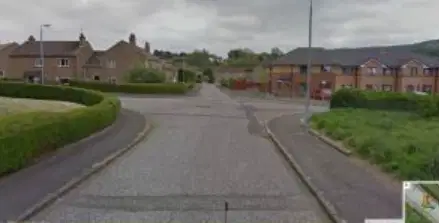
Who has prioroty on an unmarked junction?
Vehicles from the left
Vehicles from the right
Oncoming vehicles
No-one has priority

What do you need to be aware of at a zebra crossing?
Be ready to slow down and stop, be patient if someone crosses slowly, do not encourage to cross by waving or flashing headlights
Stop when the red light shows
Only cross over when the light is green
Wait for the flashing amber light to stop before crossing
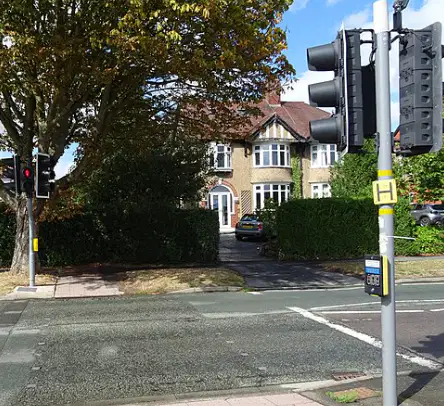
What should you be aware of at a pelican crossing when the amber light is flashing
Give way to pedestrians on the crossing and do not move off until the crossing is clear.
Be prepared to stop, continue over the crossing as you only need to stop when a red light shows.
Switch off the engine and select neutral
Wave or flash your lights to tell the pedestrian to cross
What is the difference between Pelican and Puffin crossings?
Puffin crossings have sensors that can detect a pedestrian
Puffin crossings can detect vehicles
Puffin crossings are fully automated and does not need pedestrian input
Puffin crossings have a flashing amber light only
What is the difference between a Puffin and Toucan crossing?
Toucan crossings have the added use for cyclists and pedestrians
Toucan crossings are for cyclists only
Toucan crossings allow for two way pedestrian traffic
Toucan crossings have an emergency stop button
Why should you never wave someone to cross the road?
Another vehicle may be coming
They may not be looking
They may not be ready to cross
They can not see you through the windscreen
Why is it dangerous to travel too close to another vehicle?
Your engine will overheat
The Sat Nav will not work properly
The mirrors will need adjusting
The view of the road ahead will be restricted
You are travelling along a single-track-road. There is a passing place on the right.
What should you do if you see a vehicle coming towards you?
Continue along the road
Stop in the passing place
Move over onto the verge
Wait opposite the passing place.
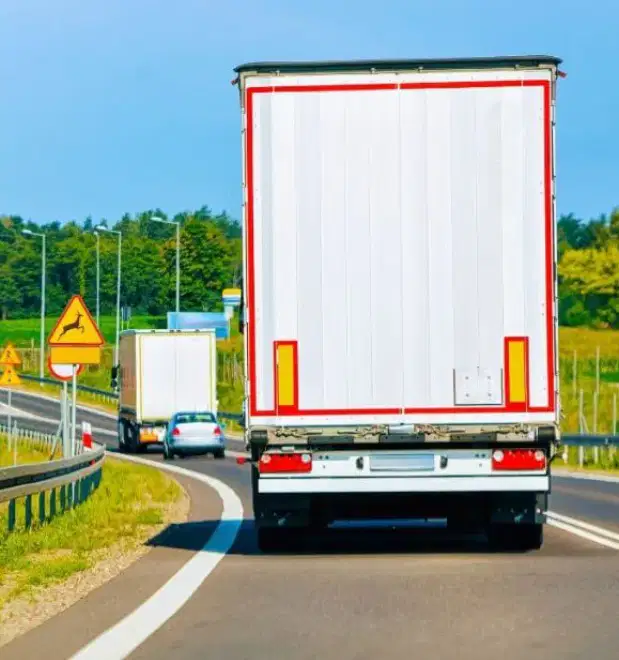
What will happen if you follow this vehicle too closely?
Your brakes will overheat
Your fuel consumption will increase
Your engine will overheat
Your view ahead will be reduced
What will happen if you follow this vehicle too closely?
The driver of the heavy goods vehicle (HGV) will not see you in the mirrors
The mirrors will need to be fitted with a magnifier
You will enter the turbulent zone and make the steering lighter
The HGV anti collission detector will send a signal to your GPS.
Which vehicle will use a blue flashing beacon?
Motorway mainteance
Doctor
Bomb disposal
Breakdown recovery
Which vehicle will use a Green flashing beacon?
Motorway mainteance
Doctor
Bomb disposal
Breakdown recovery
Which coloured flashing beacon does the Police, Ambulance, Fire, Mountain Rescue, Coastguard, Bomb disposal, Blood Transfusion emergency services use?
Blue
Green
Yellow
Red
What should you do if you are being followed bya n emergency vehicle showing flashing blue lights?
Accelerate away and get to the next lay-by
Maintain your speed and direction
Apply the emergency brake and pull over to let it pass
Pull over as soon as you can and it's safe to do so.
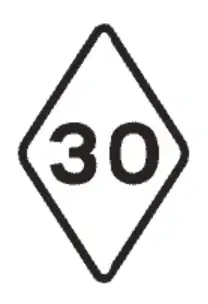
Who should obey a diamond sign?
All drivers
Tram drivers
HGV drivers
Taxi drivers
On a road where trams operate, which vehicles will be most at risk from the tram rails?
Cars
Bicycles
Lorries
Buses
You are in a one-way street with two lanes.
Where do you possition your vehicle if you wish to turn right?
In the left-hand lane
In the middle of the two lanes
In the righ-hand lane
In the lane with the least amount of traffic
Why is it important to use the correct lane?
So that other drivers know where you intend to go
So that other drivers can follow you to the exit
The least amount of fuel is used
You have a better view of the road.
Which type of crossing is used by pedestrians and cyclists?
Pelican
Puffin
Toucan
Zebra
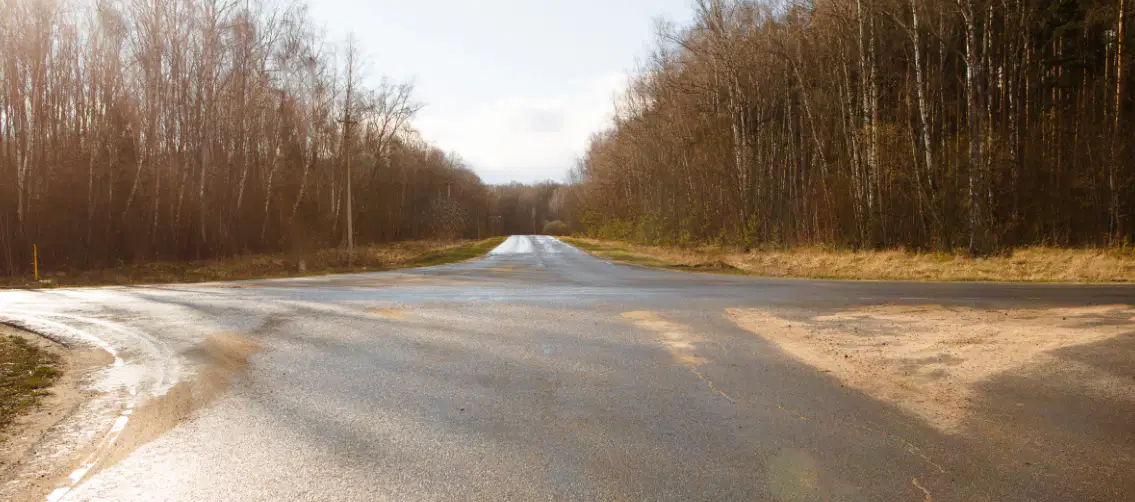
You are approaching this unmarked junction.
What should you do?
Accelerate and go straight ahead
Slow down and keep left
Slow down and keep right
Slow down and look ahead, to the left and right to make sure the junction is safe to cross
In conditions when it's dry. When should you use the two-second rule?
When restarting the engine after a stall
When timing and overtaking another vehicle
When checking your gap to the vehicle in front
When traffic lights turn to green
Which colour follows green on a puffin crossing?
Steady Red
Flashing Amber
Steady Amber
Flashing Green
You are in a line of traffic.
What action should you take if the driver behind you is following very closesly?
Ignore the driver behind and continue to travel within the speed limit.
Signal left and wave the driver behind to pass you.
Slow down gradually increasing the gap between you and the driver in front.
Move over to the left hand side of the road.
You are driving on a clear night. Which lights should you use if the national speed limit applies and there is a steady stream of traffic coming towards you?
Full beam headlights
Sidelights
Dipped headlights
Fog lights
You are driving behind a heavy goods vehicle (HGV) that indicates left but moves over to the right. What should you do?
Drive ahead and keep to the left of the HGV
Overtake the HGV on the right
Hold your speed and sound your horn
Slow down and allow the vehicle to turn
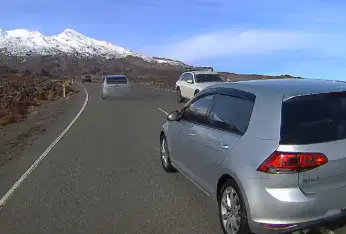
You are driving down this road and the vehicle passing you cuts in just in front of you.
What should you do?
Sound your horn
Slow down and leave a two second gap
Flash your headlights
Accelerate and go past the car to regain your place.
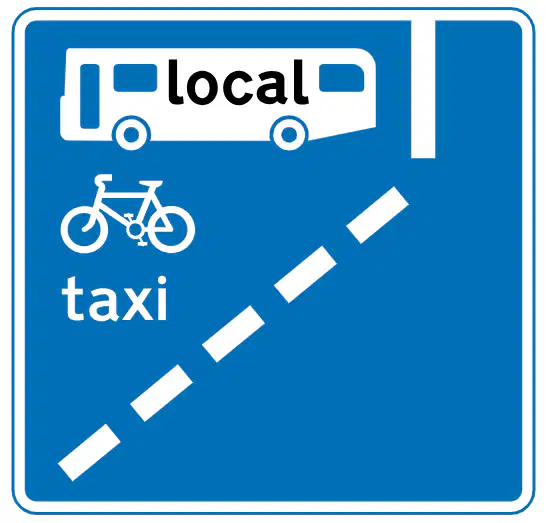
What does this sign indicate?
Lane is not in operation
Lane is only operational during peak times
Lane is in operation 24hrs/day
Lane is in operation during daylight hours
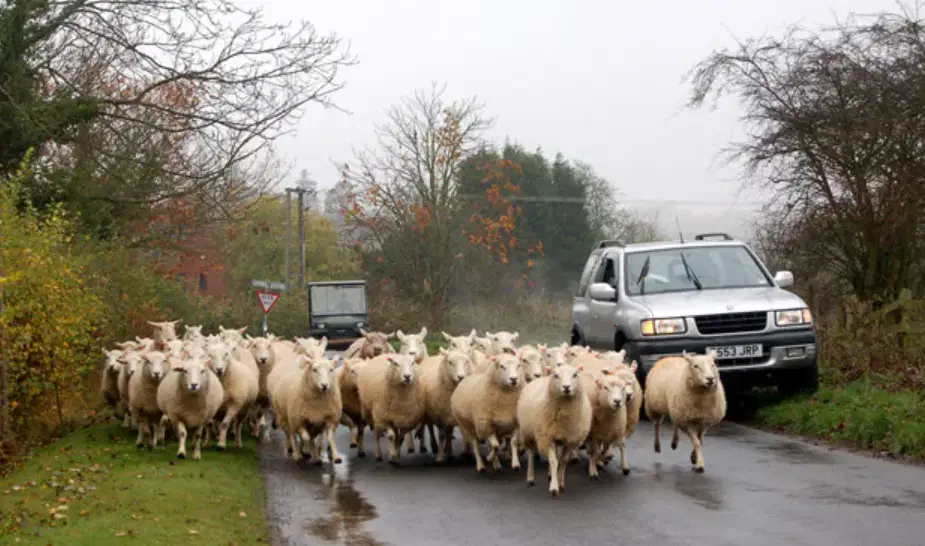
You are driving down the road when a person hearding sheep asks you to stop. What should you do?
Ignore them as they have no authority
Stop and switch off your engine
Continue but drive very slowly
Sound your horn to get the sheep out of the way
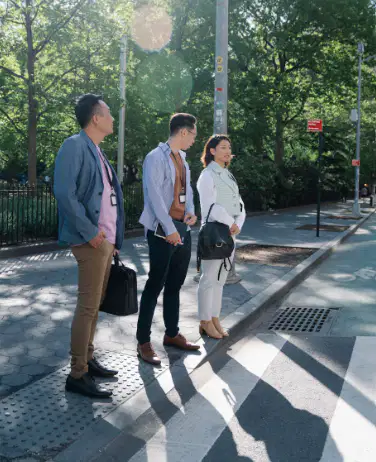
You are approaching this zebra crossing. What should you do?
Give way if they are elderly or disabled
Slow down and prepare to stop
Flash your headlights telling them to cross
Wave at them to cross the road
What should you do if another vehicle pulls out in front of you at a junction?
Swerve past it and sound your horn
Flash your headlights and drive up close behind
Slow down and be ready to stop
Accelerate past the car
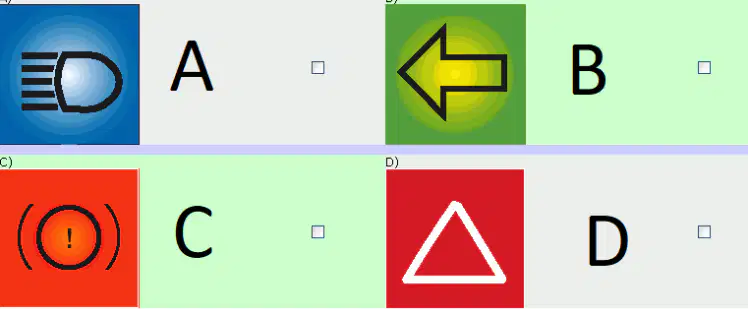
Which symbol represents Main Beam lights?
A
B
C
D
You are driving on a well lit road in the night.
What should you do if you are following the car in front?
Flash your headlights
Use dipped headlights
Switch off your headlights
Use sidelights
If you are driving a car on the road and the fuel cap is missing, what can this cause?
It can cause a better flow of air and fuel into the engine
It can cause a slippery road surface
It can improve ventilation
It causes nothing
What style of driving can cause accidents?
Considerate
Defencive
Competitive
Responsible

