
 Worksheets
HEALTH QUIZ Ch 15 "Cardiovascular/Respiratory/Digestive Systems"
Total questions: 50
Worksheet time: 2hrs 40mins
CARRY BLOOD AWAY FROM THE HEART:
VEINS
ARTERIES
CAPILLARIES
CARRY BLOOD TO THE HEART
VEINS
ARTERIES
CAPILLARIES
THE 2 SUPERIOR CHAMBERS OF THE HEART ARE THE:
ARTERIES
VENTRICLES
ATRIA
THE 2 INFERIOR CHAMBERS OF HEART:
ATRIA
AORTA
VENTRICLES
VEIN
Oxygen is released to the tissues through what type of blood vessel?
Artery
Capillary
Arteriole
Vein
The heart is responsible for transportation, protection, and regulation.

The area(s) that mark the atria of the heart
Sean has been diagnosed with hypertension. Which of the following blood pressure readings is indicative of this disease?
128/72
90/62
140/90
118/84
The heart is made of ______ muscle
skeletal
cardiac
smooth
The relaxing of the heart is known as
Diastole
Systole
Heart Rate
Cardiac Arrest
The contraction of the heart is known as?
Stroke volume
Diastole
Cardiac cycle
Systole
Blood cell that protect the body against infection
Platelets
Plasma
Hemoglobin
White Blood Cells
Blood
The fluid in which other parts of the blood are suspended
Platelets
Blood
Plasma
Hemoglobin
White Blood Cells
Types of cells in the blood that causes blood clots to form
Platelets
Blood
Plasma
Hemoglobin
White blood cells
A small flap of tissue that covers the trachea when swallowing is called the
bronchi
larynx
pharynx
epiglottis

What is labeled at E?
bronchi
trachea
pharynx
none of the above

Which part of the Respiratory System collects air from the environment & heats/moistens the air before entering the body?
lungs
nose
heart
mouth
The circulatory system works with the ___________ system to provide our body with oxygen and get rid of CO2 (carbon dioxide).
respiratory
digestive
muscular
skeletal

What type of cells carry oxygen in the blood?
red blood cells
white blood cells
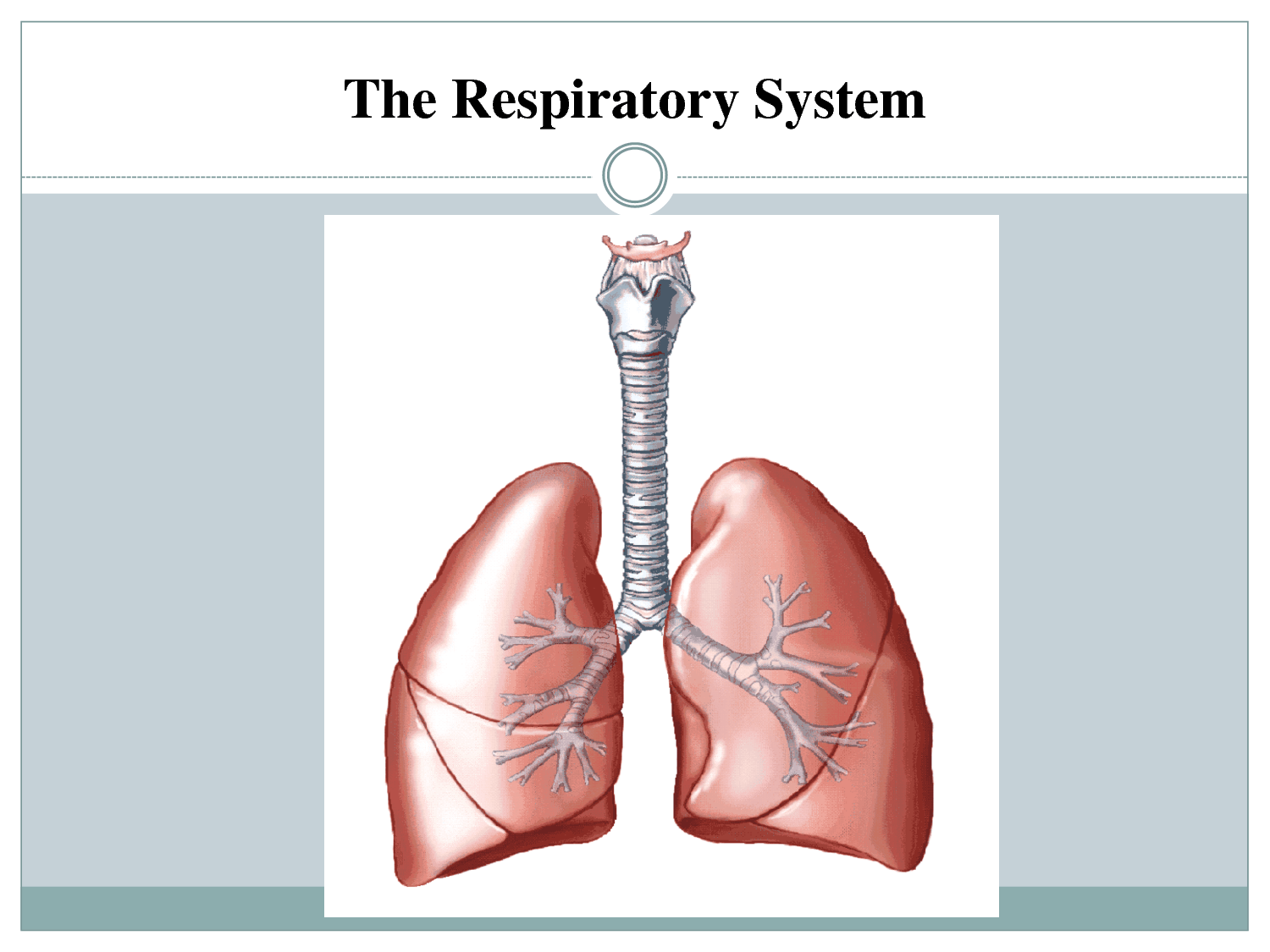
What is the main function of the respiratory system?
to provide oxygen and remove carbon dioxide from the body
o break down food and absorb nutrients
to remove oxygen from the body and deliver carbon dioxide
Can be triggered by airborne substance, foods, or common bacteria and viruses
Bronchitis
Pneumonia
Cystic Fibrosis
Asthma
Emphysema
Inflammation of mucous membrane lining the bronchial tubes
Bronchitis
Pneumonia
Cystic Fibrosis
Asthma
Emphysema
Chemical digestion
The movement of molecules from the small intestine into the bloodstream.
The process of absorbing and using nutrients in the body.
Uses digestive juices and enzymes to break down food at the molecular level.
The removal of waste from the body as feces.
Absorption
The movement of molecules from the small intestine into the bloodstream.
The process of absorbing and using nutrients in the body.
Uses digestive juices and enzymes to break down food at the molecular level.
The removal of waste from the body as feces.
Ingestion
Taking food into the mouth.
The physical breakdown of food into smaller pieces through chewing or churning in the stomach.
The chemicals which are found in food that the body needs for growth and repair of tissues.
smooth muscular movements which push the food along the digestive tract
Mechanical digestion
Taking food into the mouth.
The physical breakdown of food into smaller pieces through chewing or churning in the stomach.
The chemicals which are found in food that the body needs for growth and repair of tissues.
Smooth muscular movements which push the food along the digestive tract.
Peristalsis
Taking food into the mouth.
The physical breakdown of food into smaller pieces through chewing or churning in the stomach.
The chemicals which are found in food that the body needs for growth and repair of tissues.
Smooth muscular movements which push the food along the digestive tract.
Which organ is the primary site for nutrient absorption?
Stomach
Small intestine
Large intestine
Liver
What is the function of bile in the digestive system?
It breaks down carbohydrates
It emulsifies fats
It activates digestive enzymes
It absorbs vitamins
What carries food from the pharynx to the stomach?
larynx
trachea
esophagus
bronchioles
Where does the process of digestion begin?
mouth
esophagus
stomach
small intestine

What is organ R?
(a)

What is this organ?

What is this organ?
What are the functions of the digestive system? Select ALL that apply:
The acid in our stomach is powerful enough to break down metals like aluminum, how does our stomach protect itself from the acid within it?
Our stomachs are coated with a layer of mucus that protects its from the acid.
Our stomachs are made of a special tissue that is resistant to acid.
Our stomachs regenerate faster than the acids ability to break down tissue.
Because it the stomach is basic.

