
Font size
 Worksheets
Sociocultural Evolution and Types of Societies Quiz
Total questions: 46
Worksheet time: 23mins
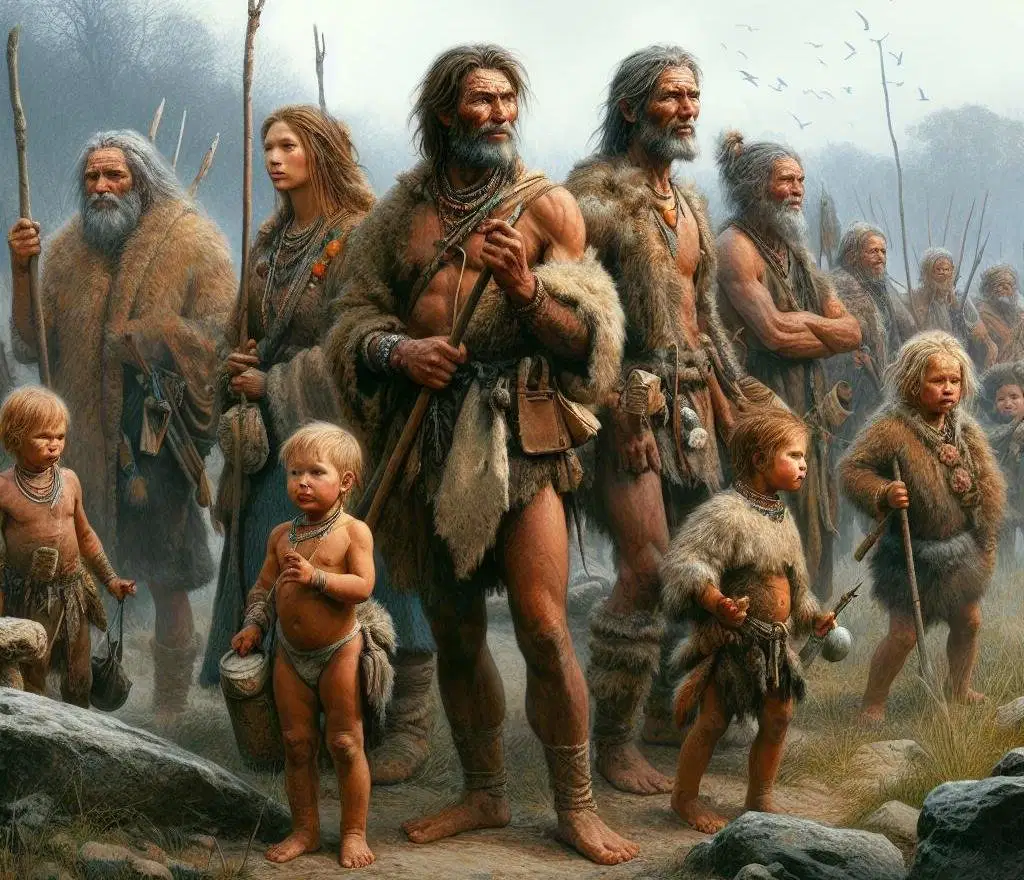
Which of the following best describes a hunter-gatherer society?
Small, nomadic groups that survive by daily hunting and gathering
Large-scale farming with permanent settlements
Herding animals and following grazing lands
Small-scale farming with hand tools near food sources

What is a key characteristic of pastoral societies?
Domesticated animals for food and trade, nomadic lifestyle
Large-scale farming with plows and animals
Simple tools for hunting and gathering
Permanent settlements near food sources
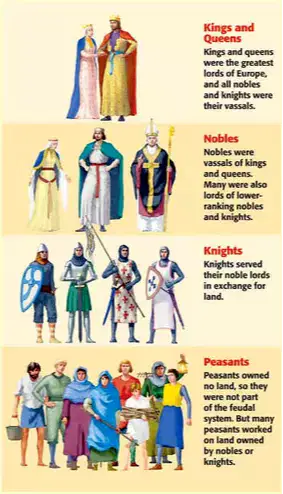
Which society type is most likely to experience sharp class divisions such as peasants versus nobility?
Agrarian
Hunter-Gatherer
Pastoral
Horticultural

How does the emergence of food surplus in horticultural societies affect equality and power?
Inequality emerges, and power accrues to families with more land or food
Everyone remains equal, and leadership is temporary
Gender equality increases, and disputes decrease
Class divisions disappear, and all resources are shared

Which technological advancement was central to the Industrial era?
Computers and the internet
Steam power, coal, and oil
Solar and wind energy
Nuclear power

According to the material, what is a consistent pattern that emerges as technology advances in societies?
Labor becomes less specialized and social inequality decreases
Populations shrink and food surpluses decrease
Labor becomes more specialized and social inequality rises
Societies become more isolated and less innovative

Which country is identified as an example of a post-industrial society?
Nigeria
Canada
India
Columbia

What is a catalyst for social change?
A decrease in population size
A charismatic leader who inspires and mobilizes people
The decline of technology
The elimination of social elites

How can social elites influence social change?
By resisting all new ideas and technologies
By adopting new ideas or technologies, accelerating acceptance by the wider population
By isolating themselves from the rest of society
By focusing only on traditional values

Why does income inequality tend to widen in post-industrial societies?
Because manufacturing jobs increase
Because control of technology and finance drives power struggles
Because everyone has equal access to resources
Because agriculture becomes the main economic activity
Which of the following is an example of a political change as described in the material?
Introduction of new communication networks
Changes in government structures and public policy
Shifts in population size
Increase in food surpluses
Which of the following is considered an impediment to social change due to strong adherence to established customs and beliefs?
Traditional values
Cultural isolation
Expense of change
Anomie
Which group is most likely to have a vested interest in maintaining the status quo, according to the learning material?
Those in power
Youth
Alienated individuals
Elderly
Describe the concept of "anomie" as introduced by Emile Durkheim and its potential impact on individuals. (DoK Level 3)
A state of normlessness caused by a breakdown of social bonds, leading to individuals feeling disconnected from society's goals and norms, potentially resulting in deviance.
A strong adherence to traditional values.
A financial barrier to change.
A form of cultural isolation.
What is "subjective validity" in the context of conformity?
The belief that your ideas are "right" because others around you share them.
The pressure to conform from family and friends.
The tendency to resist new ideas.
The process of adapting to change.
How can high conformity affect social change?
It can slow or prevent social change by resisting new ideas.
It always accelerates social change.
It has no impact on social change.
It encourages alienation.
How can deviant behavior play a role in social change?
By always being punished and removed from society
By reinforcing or challenging existing norms, leading to possible changes
By never affecting society in any way
By only supporting the status quo
Which of the following is an example of constructive deviance?
Criminal behavior that harms others
A protest that leads to justice
Ignoring all laws
Spreading false information
What is the primary function of media according to the learning material?
Only to entertain people
To simply reflect reality as it is
To construct and influence reality for the audience
To ignore cultural values
How does media ownership affect the information presented to the public?
It has no effect on information
It limits diverse perspectives and influences what is reported and how
It always ensures unbiased reporting
It only affects entertainment content
What is the scientific study of population characteristics called?
Sociology
Anthropology
Demography
Psychology
Which statistic do demographers use to measure the number of live births per 1,000 people in a population?
Death Rate (DR)
Immigration Rate (IR)
Birth Rate (BR)
Emigration Rate (ER)
If a country has a higher number of emigrants than immigrants, what will be the value of its Net Migration Rate (NMR)?
Positive
Negative
Zero
Cannot be determined
Which type of population pyramid is characterized by a wide base and a narrow top, indicating many young people?
Stationary (Stable Growth)
Constrictive (Declining Growth)
Expansive (Rapid Growth)
Inverted (Negative Growth)
What does a population pyramid with a wide base and narrow top suggest about a country's population?
The country has a large elderly population.
The country has many young people and rapid population growth.
The country has a stable population with equal age distribution.
The country has more emigrants than immigrants.
Which of the following best describes the process of invention in technological change?
Improving an existing product
Creating something entirely new
Discovering a new use for an old product
Adopting technology from another country
How does technology act as an engine of social change?
By maintaining traditional ways of life
By altering how we work, communicate, and interact with the world
By reducing the need for education
By increasing population growth rates
What is "diffusion" in the context of technological change?
The process of making human skills obsolete
The spread of an invention or innovation from its place of origin to other places and cultures
The replacement of old technologies with new ones
The improvement of existing technologies
According to the perspective of Technological Determinism, what is the primary driver of social change?
Social factors and values
Human skills and adaptation
Technology
Economic policies
Which of the following is a common feature of agrarian societies?
Reliance on large-scale agriculture and permanent settlements
Nomadic lifestyle with hunting and gathering
Dependence on domesticated animals for mobility
Focus on information technology and services
What role do social movements play in driving social change?
They only focus on economic issues
They often challenge norms and advocate for reforms
They maintain existing social structures
They prevent the spread of new technologies
Which of the following best illustrates the concept of cultural lag?
Immediate acceptance of all innovations
Society quickly adapting laws to match new technologies
Stable traditions unaffected by innovation
Technological advancements outpacing changes in social norms and regulations

What age groups does the bottom of a population pyramid represent?
The elderly
The working adults
The children
Males

What does the whole right side of the population pyramid represent?
Males
Females
Unemployed
Young people

What age group does the top of the population pyramid represent?
The working people
The rich people
The elderly
The young people

What growth rate does this population pyramid represent?
Rapid Growth
Slow Growth
Negative Growth
Zero Growth

Is this country Developed or Developing?
Developed
Developing

Predict the future population growth of this country.
Negative Growth (the population will shrink)
Slow/No Growth (the population will stay about the same)
Growth (the population will definitely grow)
Fast Growth (the population will explode)

One characteristic of a Pastoral Society is ...
They only hunt for their food
They train (domesticate) animals for food (sheep, goats, cattle)
They always have extra (surplus) food

Hunter gatherer societies ...
Grow crops just for their own people
Grow crops and usually have a surplus (extra) crops
Hunt wild animals and are constantly on the move

2. Which of the following occupations is a person of power most likely to have in an post industrial society?
software engineer
coal miner
wild game hunter
sharecropper

Which of the following are effects of farming?
migration out of Africa
surplus of food
population intensification
job specialization
How does technology affect the economy?
By increasing productivity, creating new industries, and improving efficiency.
By decreasing productivity and creating unemployment
By causing inflation and reducing efficiency
By leading to the collapse of industries and reducing productivity
Which of the following best defines social change?
A temporary trend in society
Any alteration of social structures or cultural practices (e.g. changes in symbols, norms, institutions)
Changes in a person’s DNA
Day-to-day habits that do not affect society
The Industrial Revolution is an example of technology-driven social change that created a new social class (the urban working class).
True
False
Population growth and other demographic changes are sources of social change.
True
False

