
 Worksheets
Cardiovascular Disorders Quiz
Total questions: 92
Worksheet time: 46mins
Which of the following conditions is most likely associated with the narrowing and hardening of arteries due to plaque buildup?
Hypertension
Atherosclerosis
Cardiac arrhythmia
Vascular dementia
If a patient is diagnosed with hypertension, which of the following is the primary concern regarding their cardiovascular health?
Low blood pressure
High blood pressure
Irregular heartbeat
Valve malfunction
Given the disorders listed (Hypertension, Atherosclerosis, Cardiac & Vascular Disorders), which would most likely require a strategic approach involving both lifestyle changes and medication for effective management?
Hypertension
Atherosclerosis
Cardiac & Vascular Disorders
All of the above
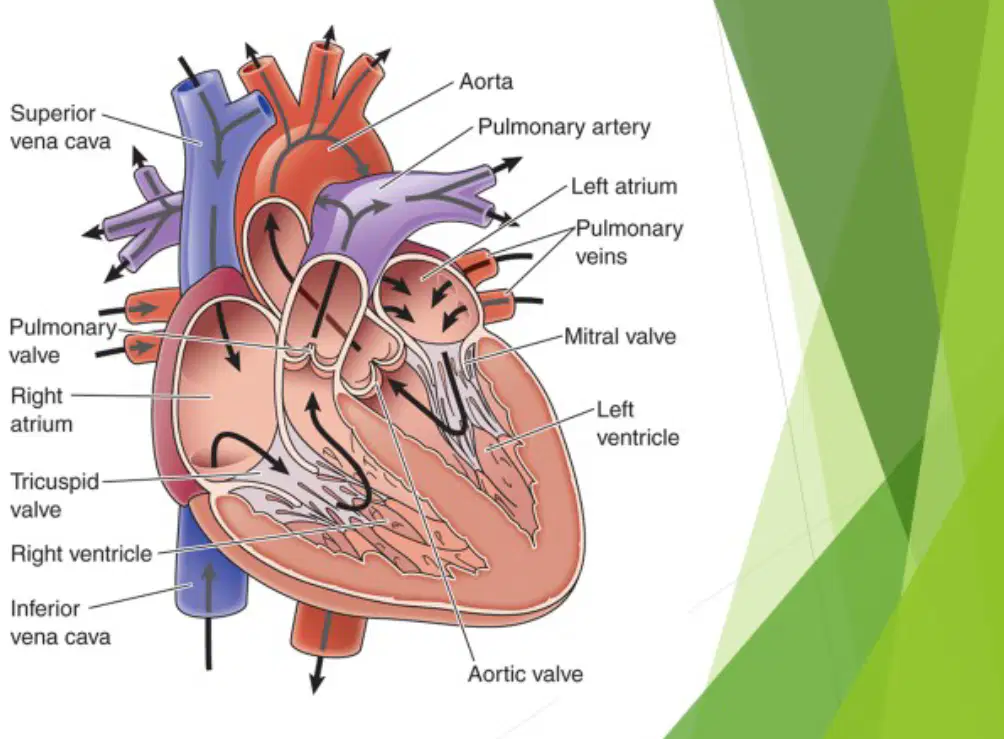
Which valve separates the right atrium from the right ventricle in the human heart?
Tricuspid valve
Mitral valve
Pulmonary valve
Aortic valve
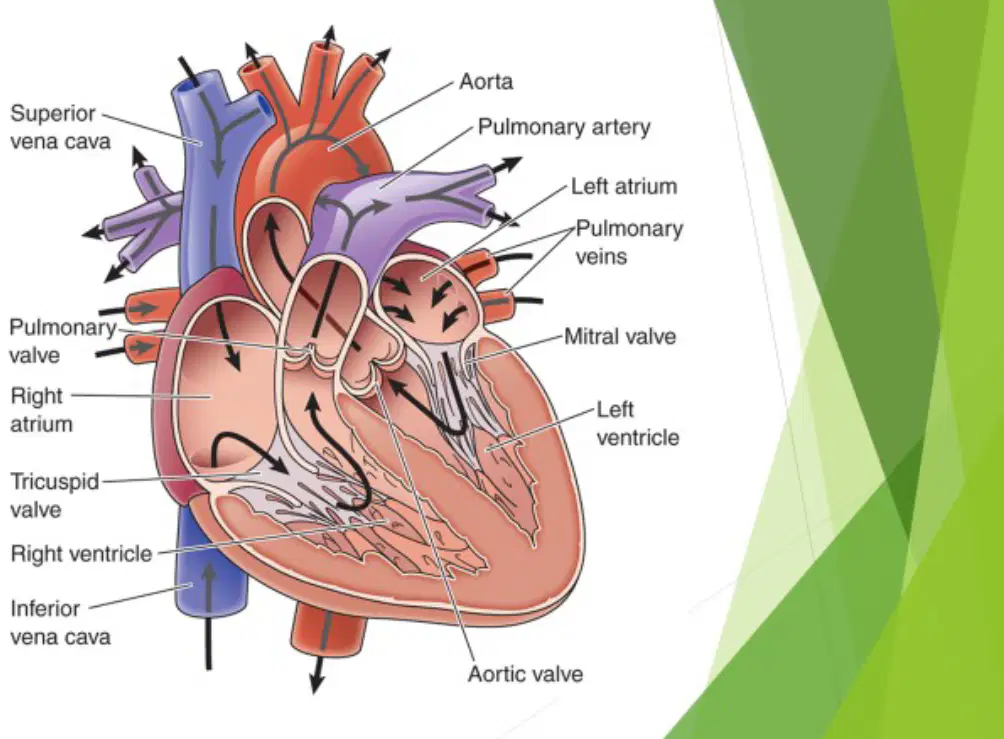
If blood is flowing from the left atrium to the left ventricle, which valve does it pass through?
Mitral valve
Tricuspid valve
Pulmonary valve
Aortic valve
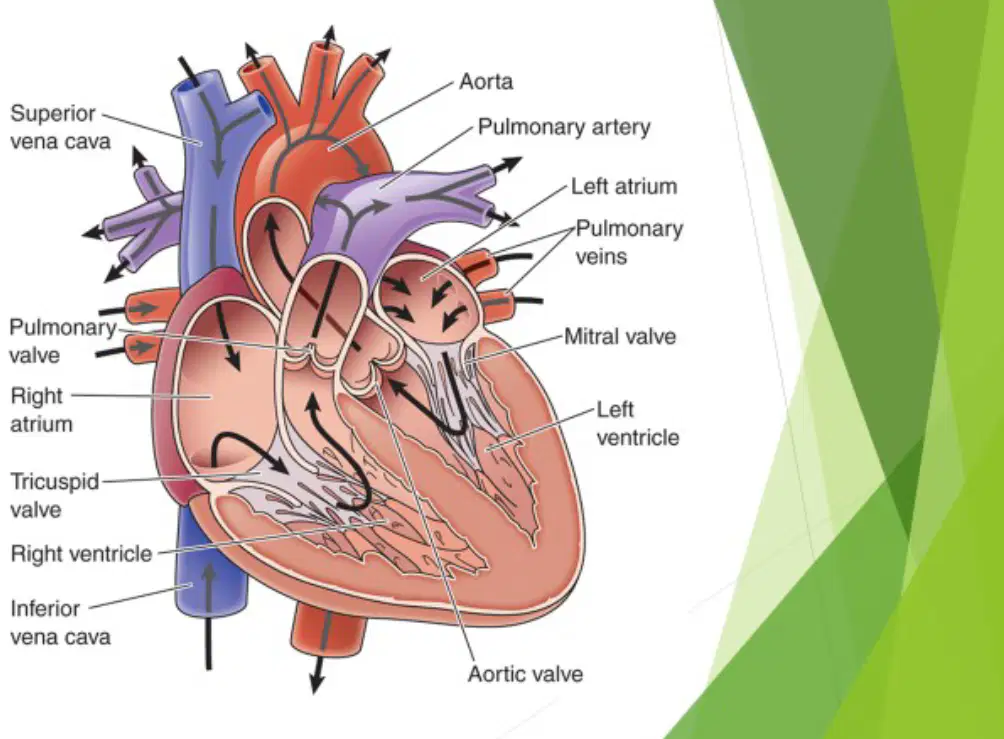
Using the diagram, explain the pathway of blood from the body to the lungs, naming the relevant chambers and vessels.
Blood enters the right atrium via the superior and inferior vena cava, moves to the right ventricle through the tricuspid valve, and is pumped to the lungs via the pulmonary artery.
Blood enters the left atrium via the pulmonary veins, moves to the left ventricle through the mitral valve, and is pumped to the body via the aorta.
Blood enters the right ventricle via the pulmonary veins, moves to the right atrium through the mitral valve, and is pumped to the lungs via the aorta.
Blood enters the left ventricle via the superior vena cava, moves to the left atrium through the tricuspid valve, and is pumped to the body via the pulmonary artery.
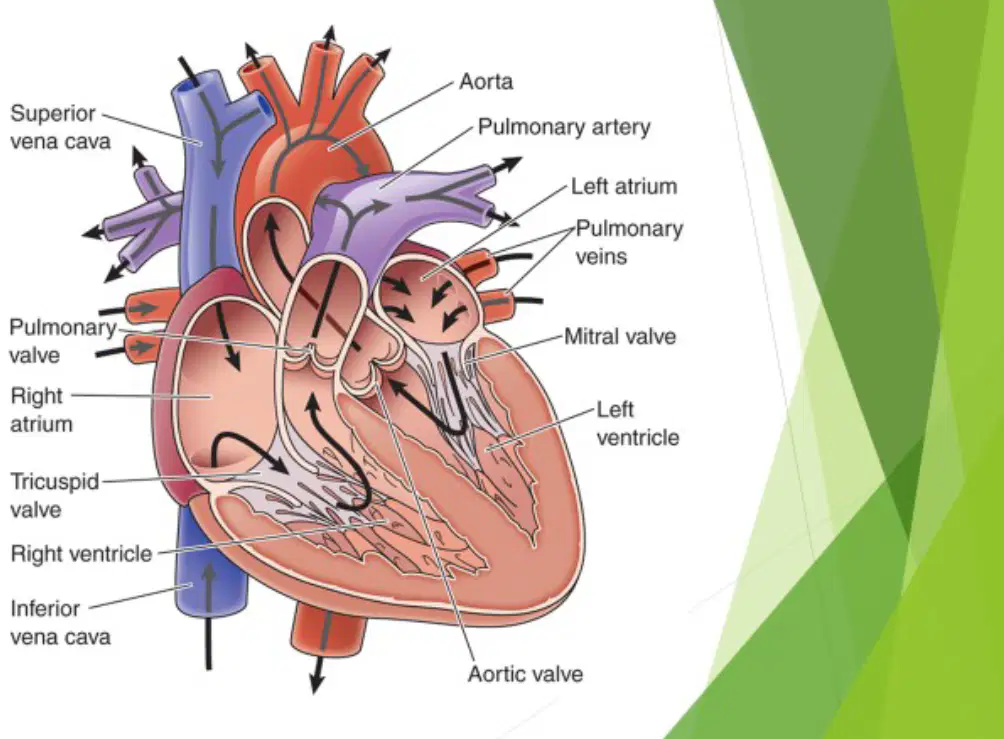
Strategically analyze why the left ventricle has a thicker wall compared to the right ventricle, based on its function in the circulatory system.
The left ventricle pumps blood to the entire body, requiring more force.
The left ventricle only pumps blood to the lungs, requiring less force.
The right ventricle pumps blood to the entire body, requiring more force.
Both ventricles pump blood with equal force, so their walls are the same thickness.
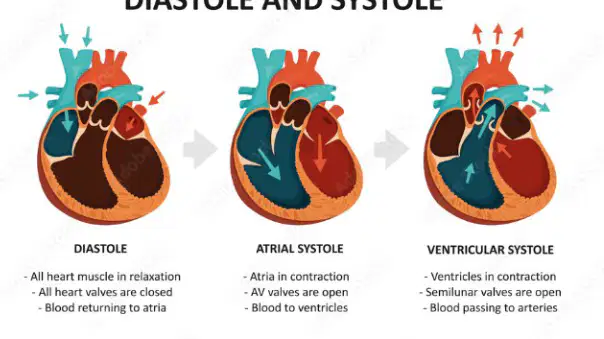
Which phase of the cardiac cycle is associated with the period of cardiac contraction?
Systolic
Diastolic
Pulse Pressure
Resting Phase
What does the diastolic phase of the cardiac cycle represent?
Period of cardiac contraction
Period of cardiac relaxation
Time when blood pressure is highest
Time when heart valves are closed
How is pulse pressure (PP) calculated from blood pressure readings?
SBP + DBP
SBP - DBP
SBP × DBP
SBP ÷ DBP
A patient has a blood pressure reading of 120/80 mmHg. What is their pulse pressure?
200 mmHg
40 mmHg
80 mmHg
100 mmHg
If a person’s pulse pressure is greater than 60 mmHg, what might this indicate about their cardiovascular health?
Good heart function
Predictor of cardiovascular disease, myocardial infarction, or leaky valves
Low risk of vessel damage
Normal vessel stiffness
Why is a pulse pressure less than 40 mmHg considered concerning?
It indicates high blood pressure
It suggests poor heart function
It means the heart is contracting too forcefully
It shows the vessels are very stiff
Explain why a greater pulse pressure is thought to indicate stiffer or more damaged blood vessels.
Because the heart is pumping less blood
Because the difference between systolic and diastolic pressure is smaller
Because increased pulse pressure reflects increased force needed to move blood through stiff or damaged vessels
Because the diastolic pressure is always higher
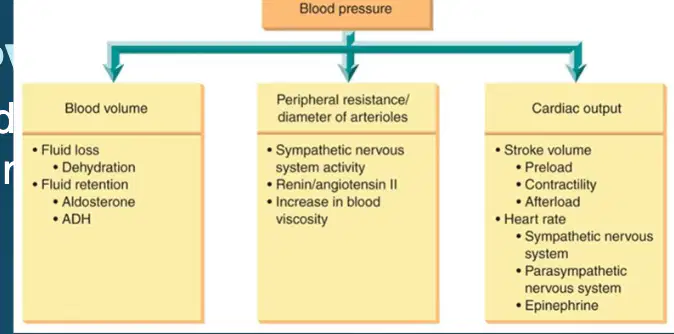
Which of the following factors is directly involved in maintaining homeostasis through blood pressure regulation?
Blood volume
Blood glucose
Oxygen saturation
Platelet count
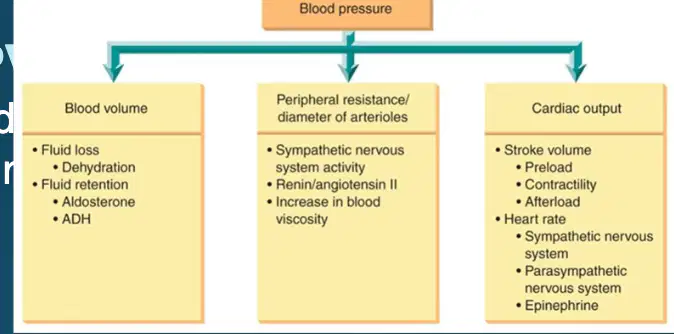
Peripheral resistance is primarily determined by which of the following?
Resistance of arteries to blood flow
Amount of blood ejected from the left ventricle
Number of red blood cells
Rate of oxygen exchange in the lungs
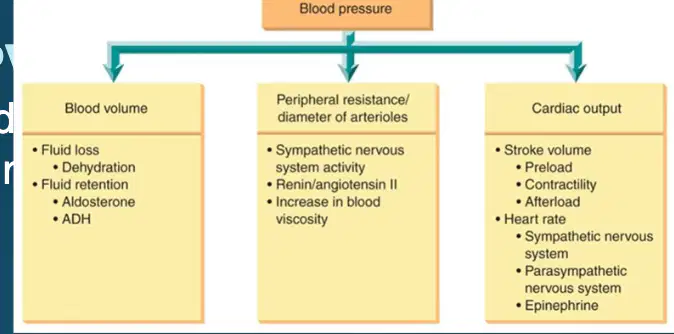
Which system is responsible for vasoconstriction and vasodilation in the regulation of blood pressure?
Sympathetic nervous system (SNS)
Digestive system
Endocrine system
Muscular system
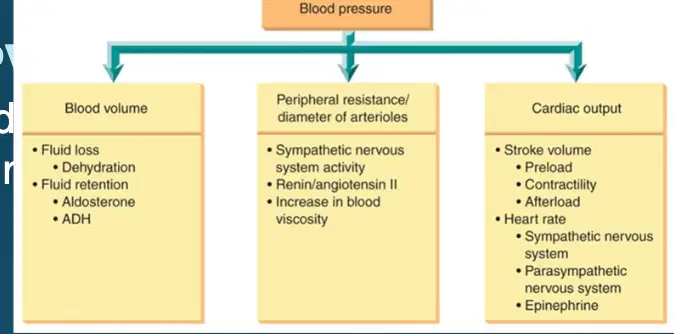
Cardiac output is calculated using which formula?
CO = SV x HR
CO = HR / SV
CO = SV + HR
CO = SV - HR
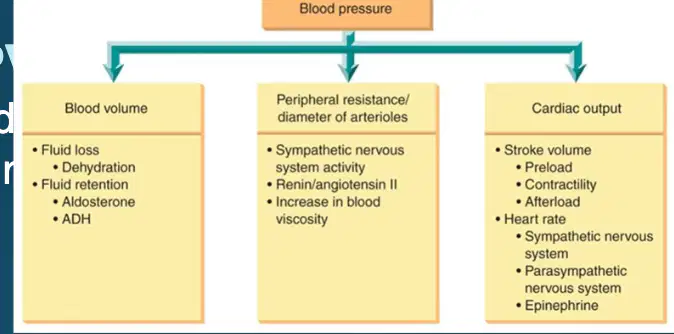
If a patient’s stroke volume decreases but heart rate remains constant, what will happen to their cardiac output?
Cardiac output will decrease
Cardiac output will increase
Cardiac output will remain unchanged
Cardiac output will double
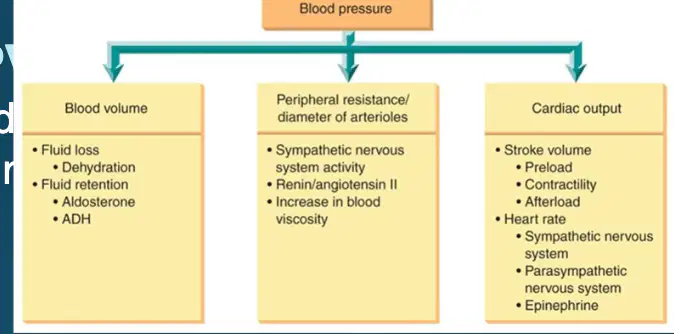
Explain how the autonomic nervous system (ANS) regulates heart rate and its impact on cardiac output.
The ANS increases or decreases heart rate, which in turn affects the amount of blood pumped per minute (cardiac output).
The ANS only affects blood volume, not heart rate.
The ANS regulates oxygen saturation, which impacts cardiac output.
The ANS controls platelet count, influencing cardiac output.
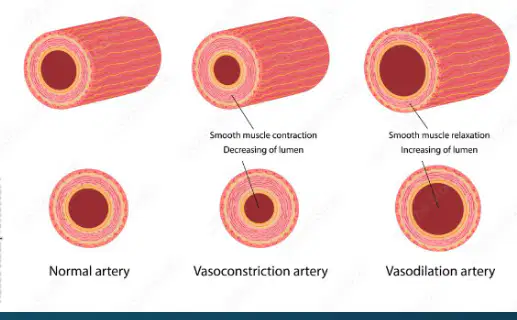
Which part of the nervous system is responsible for vasoconstriction in blood pressure regulation?
Sympathetic Nervous System (SNS)
Parasympathetic Nervous System (PSNS)
Central Nervous System (CNS)
Peripheral Nervous System (PNS)
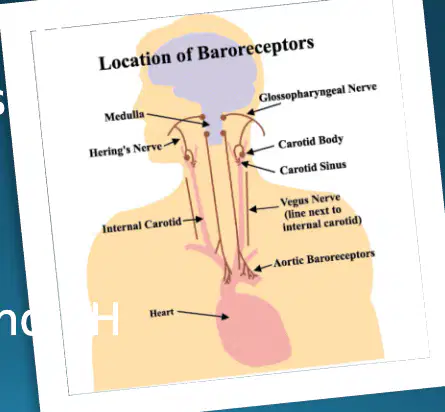
What is the primary function of baroreceptors in blood pressure regulation?
Sense decrease in blood pressure and stimulate corrective responses
Regulate breathing by monitoring oxygen levels
Cause vasoconstriction in arteries
Control heart rate directly
How does aging affect baroreceptors and what condition may result?
Aging causes issues with baroreceptors, potentially leading to orthostatic hypotension
Aging improves baroreceptor sensitivity, preventing hypertension
Aging has no effect on baroreceptors or blood pressure regulation
Aging causes baroreceptors to stimulate excessive vasoconstriction
Which receptors are primarily responsible for regulating breathing by monitoring O2, CO2, and H+ levels?
Chemoreceptors
Baroreceptors
Photoreceptors
Mechanoreceptors
Explain how the vasomotor center in the lower pons and medulla contributes to blood pressure regulation through the autonomic nervous system.
It controls vasoconstriction via SNS and relaxation via PSNS to regulate blood pressure.
It directly increases heart rate to regulate blood pressure.
It only monitors oxygen levels in the blood.
It stimulates hormone release for blood pressure regulation.
Which hormone is released by the posterior pituitary and acts on the nephron to increase water reabsorption, thereby increasing blood volume and blood pressure?
Aldosterone
Epinephrine
ADH
Renin
What is the primary effect of epinephrine and norepinephrine (NE) on blood pressure regulation?
Decrease heart rate and arterial dilation
Increase heart rate and arterial vasoconstriction
Increase water reabsorption in the kidneys
Stimulate potassium excretion
Which system is activated when the kidneys sense low blood pressure, leading to the release of renin and ultimately raising blood pressure and blood volume?
Sympathetic Nervous System
R-A-A System
Parasympathetic Nervous System
ADH System
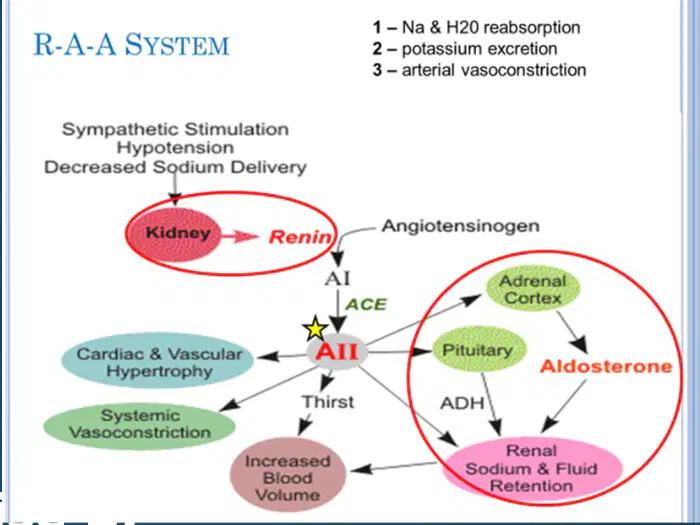
Explain how the R-A-A system contributes to the regulation of blood pressure and blood volume. Use evidence from the process to support your answer.
It decreases sodium and water reabsorption, lowering blood pressure.
It increases potassium excretion, which directly raises blood pressure.
It increases sodium and water reabsorption, raising blood pressure and blood volume.
It stimulates baroreceptors to decrease heart rate.
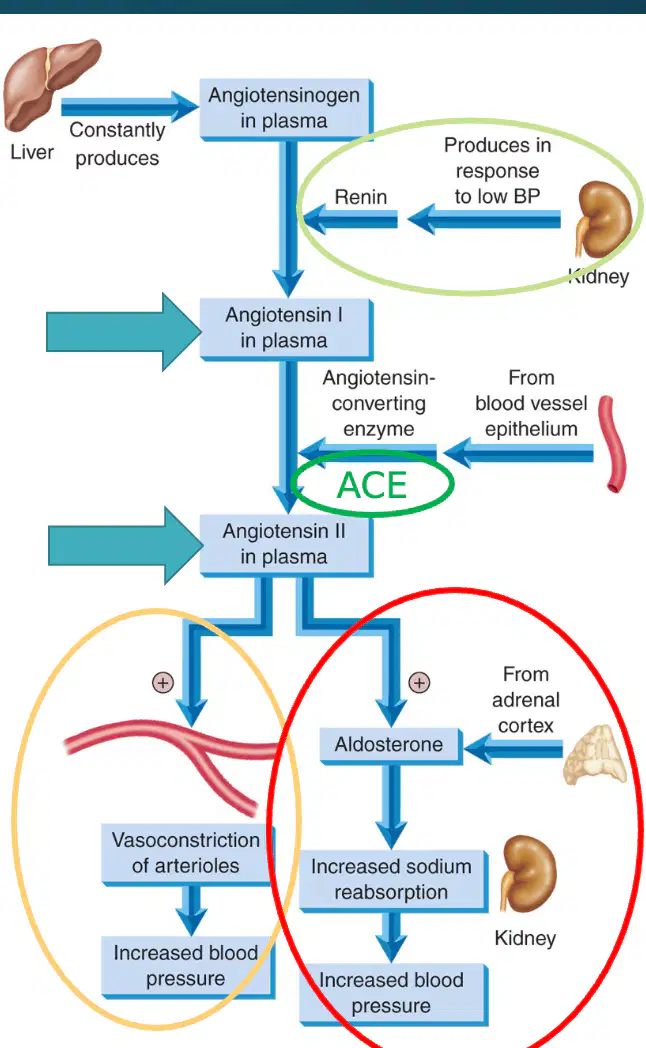
Which enzyme is responsible for converting angiotensin I to angiotensin II in the R-A-A system?
Renin
Aldosterone
Angiotensin-converting enzyme (ACE)
Adrenaline
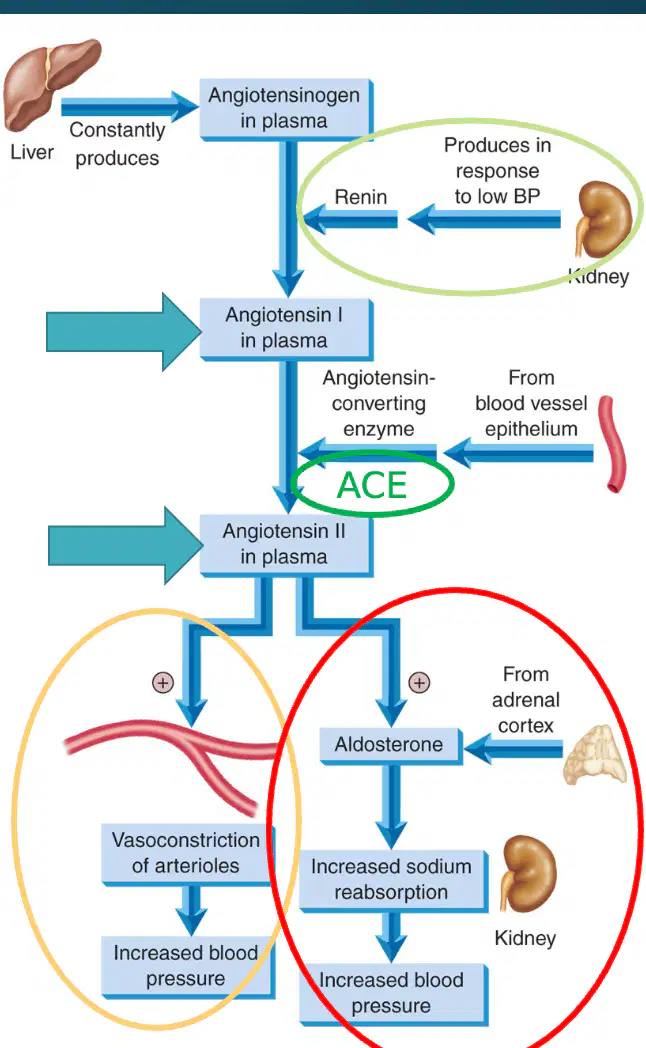
What is the primary effect of aldosterone in the Renin-Angiotensin-Aldosterone system?
Decreases blood pressure
Increases sodium reabsorption
Causes vasodilation
Stimulates thirst
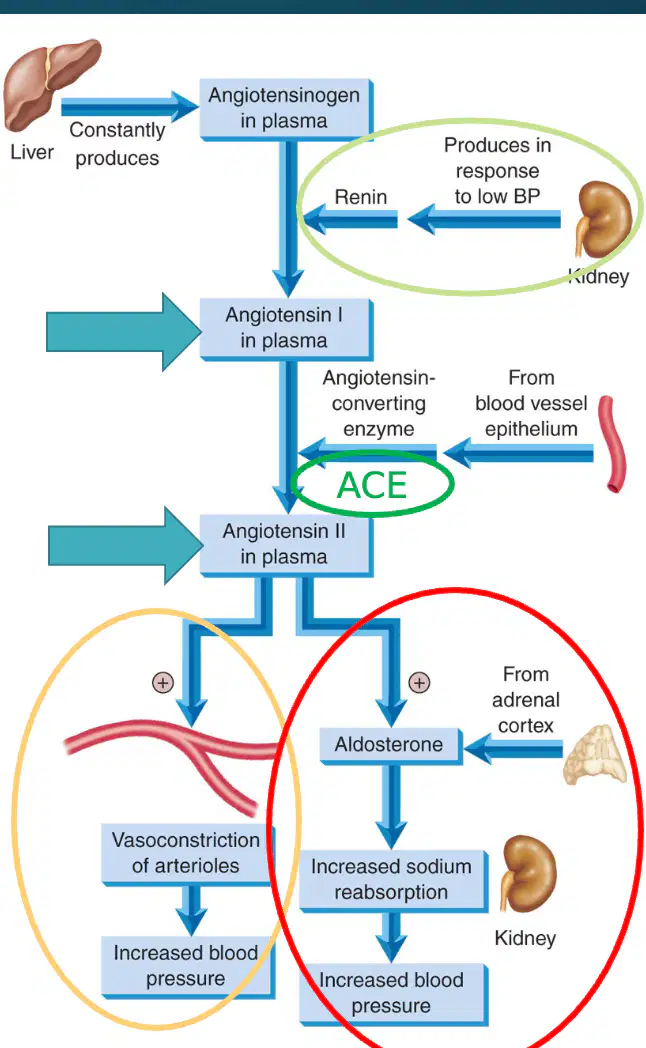
Explain how decreased sodium delivery to the kidney can ultimately lead to increased blood pressure through the R-A-A system.
Decreased sodium delivery stimulates renin release, which activates the R-A-A system, leading to vasoconstriction and increased sodium reabsorption, both of which increase blood pressure.
Decreased sodium delivery inhibits renin release, causing blood pressure to drop.
Decreased sodium delivery directly increases aldosterone production without involving renin.
Decreased sodium delivery causes the liver to stop producing angiotensinogen, lowering blood pressure.
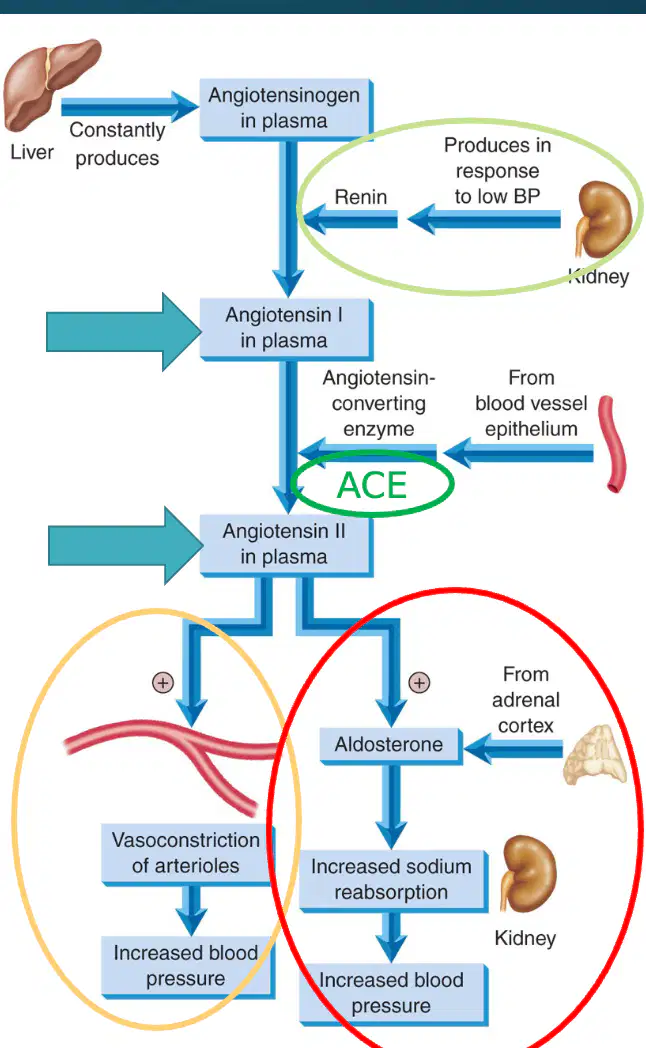
Strategically, why might blocking ACE be an effective treatment for hypertension?
It prevents the conversion of angiotensin I to angiotensin II, reducing vasoconstriction and aldosterone-mediated sodium retention, thereby lowering blood pressure.
It increases renin production, which lowers blood pressure.
It stimulates aldosterone release, which decreases blood pressure.
It causes the liver to produce more angiotensinogen, lowering blood pressure.
Which of the following best explains why more pressure is needed to keep a blood vessel open as its radius decreases in size?
The vessel wall becomes thinner and more elastic.
The vessel wall hypertrophies and becomes thicker, increasing wall tension.
Blood flow decreases, reducing the need for pressure.
The vessel radius increases, lowering wall tension.
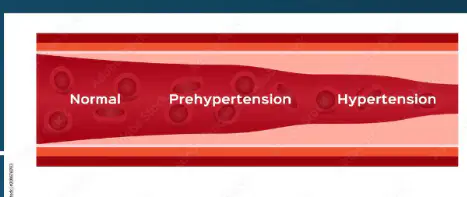
A patient has two diastolic blood pressure readings of 92 mmHg and two systolic readings of 145 mmHg on separate clinical visits. Based on the diagnostic criteria for hypertension, what is the most likely diagnosis?
The patient does not have hypertension.
The patient has prehypertension.
The patient has hypertension.
The patient has hypotension.
Compare and contrast the etiologies of essential, secondary, and malignant hypertension. Which statement is correct?
Essential hypertension is always caused by another medical condition.
Secondary hypertension has no known cause.
Malignant hypertension is associated with extremely high blood pressure and other diagnoses.
Essential hypertension is associated with extremely high blood pressure.
Why is hypertension often referred to as the "Silent Killer"?
It always presents with obvious symptoms.
It can cause sudden death without warning.
It often has no noticeable symptoms until serious complications occur.
It only affects elderly patients.

Which of the following is a non-modifiable risk factor for hypertension (HTN)?
Age
Weight
Dietary habits
Smoking
A patient wants to reduce their risk of hypertension by changing their diet. According to the DASH diet, what is the recommended daily sodium intake?
2,500 mg sodium/day
1,500 mg sodium/day
3,000 mg sodium/day
500 mg sodium/day

Explain how smoking contributes to the development of hypertension.
Smoking increases the formation of plaque in blood vessels and chemicals in cigarette smoke cause the blood to thicken and form clots inside vessels
Smoking increases metabolism, leading to weight loss
Smoking reduces sodium absorption in the body
Smoking increases the intake of fruits and vegetables
A 45-year-old individual with a family history of hypertension, who is overweight and smokes, wants to lower their risk. Which risk factors can they modify to reduce their risk of hypertension?
Weight, dietary habits, activity, and smoking
Age and family history
Only age
Only family history
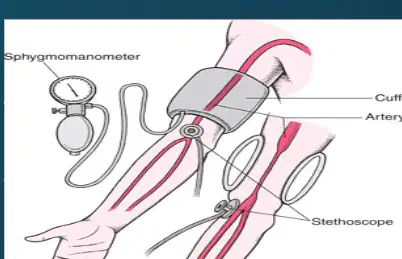
Which of the following is a correct procedure for monitoring blood pressure in a patient suspected of having hypertension?
The patient should be seated for 5 minutes with no caffeine, exercise, or smoking at least 30 minutes prior.
The patient should stand for 10 minutes before measurement.
The patient should drink coffee immediately before the test.
The patient should use any size cuff available.
According to the guidelines, how many blood pressure measurements are required to confirm hypertension?
2 measurements on 2 different days
1 measurement on a single day
3 measurements in one hour
4 measurements in one week
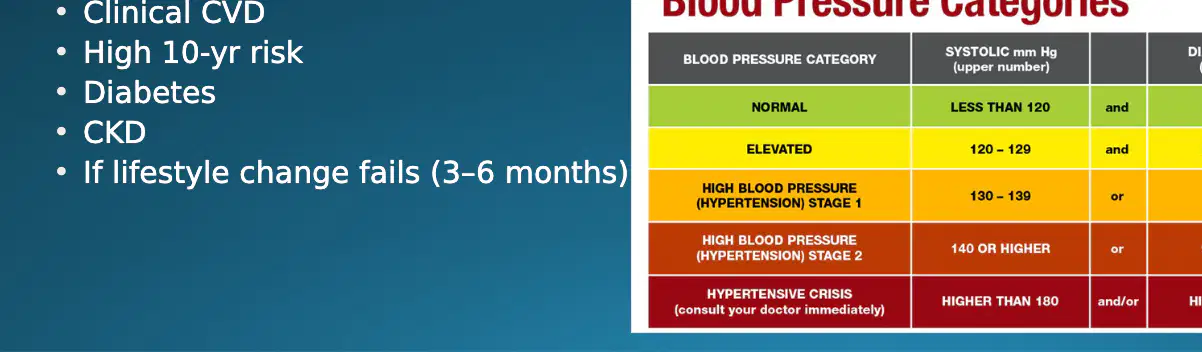
A 45-year-old patient has a blood pressure reading of 135/85 mm Hg. According to the American Heart Association's categories, how should this blood pressure be classified?
High Blood Pressure (Hypertension) Stage 1
Normal
Elevated
Hypertensive Crisis
When setting treatment goals for hypertension, which of the following factors should be considered according to the guidelines?
Clinical cardiovascular disease, high 10-year risk, diabetes, chronic kidney disease, and response to lifestyle changes
Only the patient's age
Only the patient's gender
Only the patient's cholesterol level
A patient has a systolic blood pressure of 145 mm Hg and a diastolic blood pressure of 95 mm Hg. What is the most appropriate classification for this patient?
High Blood Pressure (Hypertension) Stage 2
Normal
Elevated
Hypertensive Crisis
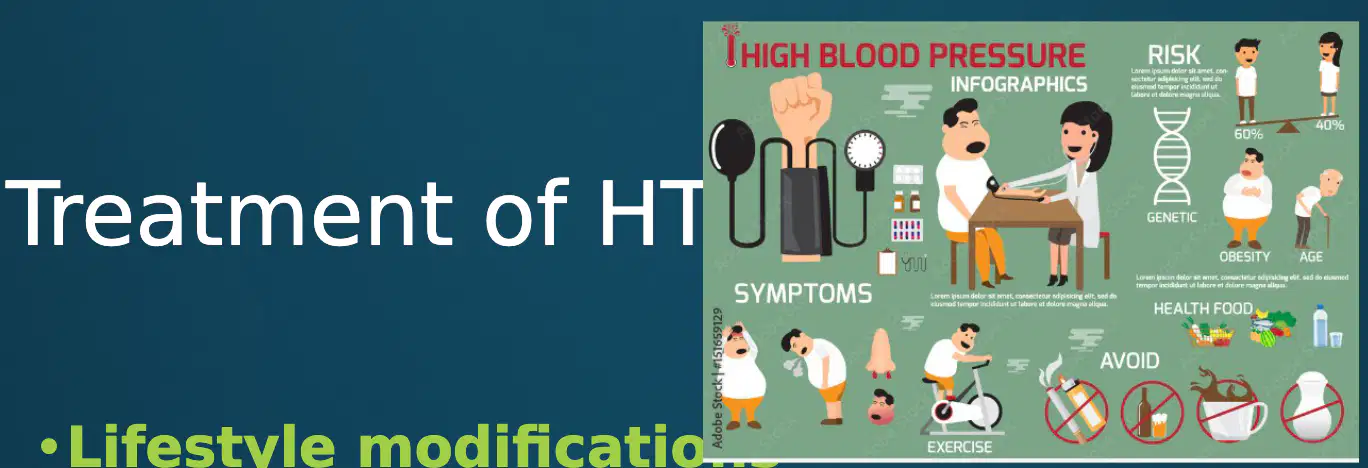
Which of the following is NOT a recommended lifestyle modification for the treatment of hypertension (HTN)?
Exercise
Diet
Smoking cessation
Increased sugar intake
How does stress reduction contribute to the management of hypertension?
By increasing cortisol and epinephrine levels
By decreasing cortisol and epinephrine levels, helping the body get out of fight/flight mode
By promoting smoking
By increasing sodium intake
A patient with hypertension is advised to take medications such as diuretics, ARBs, and ACE inhibitors. What is the primary purpose of these medications?
To increase blood pressure
To reduce blood pressure
To increase stress levels
To promote weight gain
A patient is trying to manage hypertension through lifestyle changes. Which combination of actions would be most effective based on the recommendations?
Exercising regularly, eating a healthy diet, reducing stress, and quitting smoking
Eating junk food, avoiding exercise, increasing stress, and continuing to smoke
Exercising only, without changing diet or stress levels
Taking medications without any lifestyle changes
According to the New Guideline 2025, what is the overall treatment target blood pressure for most adults?
<130/80 mm Hg
<140/90 mm Hg
<120/70 mm Hg
<150/100 mm Hg
Which tool is recommended to guide treatment decisions for patients with BP 130–139/80–89 according to the 2025 guidelines?
PREVENT risk tool
DASH diet tool
ACC/AHA calculator
ESC/ESH risk score
What is the recommended treatment approach for most patients with Stage 2 hypertension according to the new guidelines?
Two-drug single-pill combination
Monotherapy with one drug
Lifestyle changes only
Surgery
Which of the following lifestyle modifications is NOT mentioned as foundational in the 2025 guidelines?
Sodium intake reduction
Increased physical activity
Alcohol limits
Smoking cessation
How do the European (ESC/ESH) and US (AHA/ACC) guidelines differ in their diagnostic thresholds for hypertension?
European guidelines use a higher threshold (≥140/90) than US guidelines
US guidelines use a higher threshold (≥140/90) than European guidelines
Both use the same threshold (≥130/80)
European guidelines do not specify a threshold
Given a patient with BP 135/85 mm Hg, which tool would the 2025 guidelines recommend using to guide treatment decisions, and why?
PREVENT risk tool, because it is designed for BP 130–139/80–89
DASH diet, because it is suitable for all BP levels
ESC/ESH risk score, because it is used in the US
No tool is recommended for this BP range
A patient with Stage 2 hypertension is struggling with medication adherence. Based on the 2025 guidelines, what strategy could improve their adherence and speed control?
Prescribe a two-drug single-pill combination
Increase sodium intake
Recommend only lifestyle changes
Use a three-drug regimen in separate pills
If a country adopts the ESC/ESH guidelines, what diagnostic threshold for hypertension would they likely use, and how does this compare to the AHA/ACC 2025 guideline?
≥140/90 mm Hg, which is higher than the AHA/ACC 2025 guideline
≥130/80 mm Hg, which is lower than the AHA/ACC 2025 guideline
≥120/70 mm Hg, which is the same as the AHA/ACC 2025 guideline
No specific threshold is used
Which of the following best describes orthostatic hypotension?
An abnormal increase in blood pressure when lying down
An abnormal drop in blood pressure when moving from lying to sitting or standing
A normal fluctuation in blood pressure during exercise
A sudden increase in heart rate when standing up
What is the minimum change in systolic and diastolic blood pressure that defines orthostatic hypotension?
SBP ≥ 10 mmHg or DBP ≥ 5 mmHg
SBP ≥ 20 mmHg or drop in DBP ≥ 10 mmHg
SBP ≥ 30 mmHg or DBP ≥ 15 mmHg
SBP ≥ 15 mmHg or DBP ≥ 8 mmHg
Which of the following symptoms is NOT commonly associated with orthostatic hypotension?
Dizziness
Frequent falls
Blurred vision
Increased appetite
Why are baroreceptors involved in orthostatic hypotension?
They increase heart rate immediately upon standing
They are slower to adjust and signal the need for vasoconstriction
They decrease blood pressure when lying down
They regulate body temperature during position changes
A patient is suspected of having orthostatic hypotension. Which sequence of steps should be followed to confirm the diagnosis?
Have the patient stand immediately and measure blood pressure
Have the patient lie down for 5 minutes, measure blood pressure and pulse, have the patient stand, then repeat measurements after 1 and 3 minutes
Measure blood pressure only while sitting
Ask the patient about their symptoms without measuring blood pressure
A patient experiences dizziness and blurred vision upon standing. Their blood pressure drops by 22 mmHg systolic and 12 mmHg diastolic. Based on the criteria for orthostatic hypotension, what should be concluded?
The patient does not have orthostatic hypotension
The patient meets the criteria for orthostatic hypotension
The patient has hypertension
The patient has normal blood pressure regulation
Which of the following medications is most likely to contribute to orthostatic hypotension?
Antihypertensives such as α-blockers and ACE inhibitors
Antibiotics such as penicillin
Non-steroidal anti-inflammatory drugs (NSAIDs)
Antacids
A patient on prolonged bed rest experiences a sudden drop in blood pressure upon standing. Using your understanding of orthostatic hypotension, explain the physiological reason for this occurrence.
Venous return to the heart briefly decreases, lowering cardiac output and blood pressure
Increased heart rate causes blood pressure to drop
Excessive fluid intake dilutes blood volume
Muscle contraction increases blood pressure
Which of the following is an appropriate strategy to prevent orthostatic hypotension when changing positions?
Rise slowly from lying to sitting to standing
Stand up quickly from a lying position
Avoid moving legs before standing
Look down while standing up
A 75-year-old patient is experiencing dizziness upon standing. Based on the causes of orthostatic hypotension, which factor is most likely contributing to their symptoms?
Age-related changes in blood pressure regulation
Excessive exercise
High protein diet
Frequent sun exposure
If a patient is not contraindicated for increased fluid and salt intake, how might this help in the management of orthostatic hypotension?
It increases blood volume, helping to maintain blood pressure when standing
It decreases blood volume, lowering blood pressure
It causes dehydration, worsening symptoms
It has no effect on blood pressure

Which of the following best describes atherosclerosis?
A chronic inflammatory disease of the arterial wall caused by accumulation of lipids, inflammatory cells, and fibrous tissue
A genetic disorder affecting red blood cells
A viral infection of the heart muscle
A temporary narrowing of the arteries due to muscle contraction

What is dyslipidemia?
An abnormal amount of lipids in the blood
A deficiency of red blood cells
A bacterial infection of the arteries
A blockage of the lymphatic system
Why is dyslipidemia considered a major modifiable risk factor for cardiovascular disease?
Because controlling lipid levels can reduce the risk of atherosclerosis and cardiovascular disease
Because it is caused by genetic mutations only
Because it cannot be treated or managed
Because it only affects the lungs

Explain how dyslipidemia can lead to ischemic complications such as myocardial infarction and stroke.
Dyslipidemia increases lipid levels in the blood, which promotes atherosclerosis, leading to narrowed arteries and reduced blood flow, resulting in ischemic complications like myocardial infarction and stroke.
Dyslipidemia causes high blood pressure, which directly leads to heart attacks.
Dyslipidemia increases the number of white blood cells, causing infections.
Dyslipidemia only affects the digestive system and does not impact the heart or brain.
Which of the following statements best describes the role of cholesterol in the human body?
Cholesterol is only harmful and should be completely avoided.
Cholesterol is an essential component of cell membranes and helps manufacture bile acids, steroid hormones, and Vitamin D.
Cholesterol is only found in plant-based foods.
Cholesterol does not play any role in hormone production.
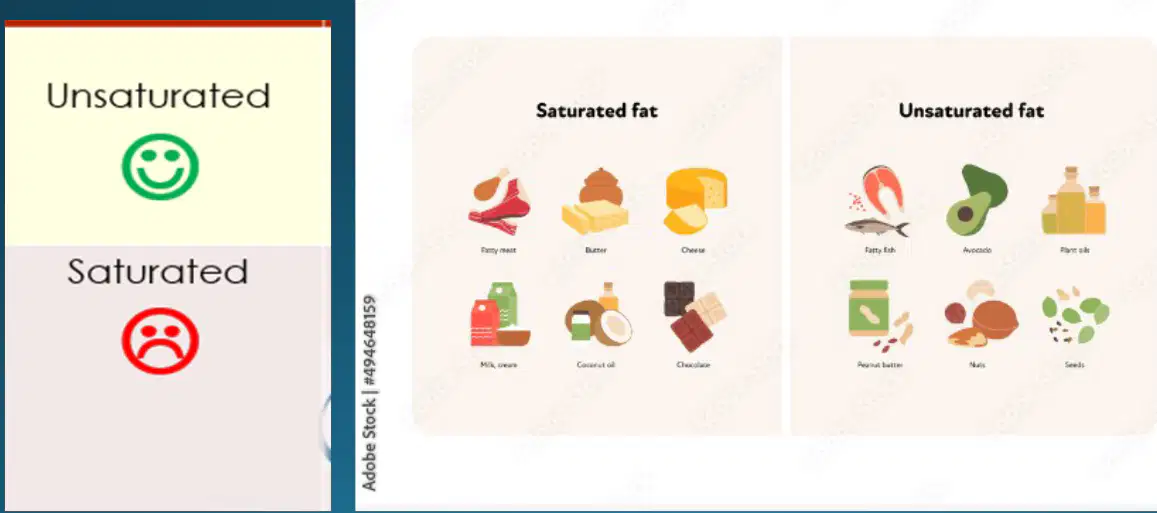
How are saturated and unsaturated fats typically distinguished in terms of their dietary sources?
Saturated fats are mainly found in plant oils, while unsaturated fats are found in animal products.
Saturated fats are found in foods like butter, cheese, and fatty meats, while unsaturated fats are found in foods like avocado, fish, nuts, and seeds.
Both saturated and unsaturated fats are only found in processed foods.
Unsaturated fats are only found in dairy products.
Explain why cholesterol is considered both beneficial and potentially harmful in the human body, using evidence from its functions and sources.
Cholesterol is only beneficial because it is an essential component of cell membranes.
Cholesterol is only harmful because it is a fatty substance ingested from diet.
Cholesterol is beneficial as it helps manufacture bile acids, steroid hormones, and Vitamin D, but can be harmful if consumed in excess from diet, leading to health issues.
Cholesterol has no effect on health.
Given the information about fats, how might a diet high in saturated fats impact the risk of developing atherosclerosis and dyslipidemia?
It would decrease the risk by providing more essential nutrients.
It would have no impact on the risk of developing these conditions.
It would increase the risk by contributing to higher cholesterol levels in the bloodstream.
It would cure atherosclerosis and dyslipidemia.
Which of the following is an example of an unsaturated fat from a vegetable source?
Corn oil
Lard
Butter
Margarine
Based on the table, which animal product is classified as an unsaturated fat?
Fish
Butter
Lard
Fat on meat
If you are trying to reduce your intake of saturated fats, which of the following should you avoid based on the information provided?
Crisco
Olive oil
Fish
Peanut oil
Analyze the table and determine which type of fat is more commonly found in animal products.
Saturated fat
Unsaturated fat
Trans fat
Polyunsaturated fat

Which of the following statements best explains the primary function of HDL (high density lipoproteins) in the body?
HDL carries cholesterol back to the liver for removal from the body.
HDL transports triglycerides to tissues for storage.
HDL deposits cholesterol in the walls of blood vessels.
HDL is synthesized in the liver and broken down into LDL.
Why is it important to keep LDL (low density lipoprotein) levels low in the blood?
High LDL can build up in blood vessel walls, leading to plaque and vessel narrowing.
Low LDL increases the risk of fat storage in tissues.
High LDL helps flush cholesterol from the body.
Low LDL causes the liver to produce more triglycerides.
Compare the main function of VLDL (very low density lipoprotein) with that of LDL. How do their roles in fat and cholesterol transport differ?
VLDL mainly carries triglycerides to tissues, while LDL mainly carries cholesterol to tissues.
VLDL and LDL both carry only cholesterol to tissues.
VLDL mainly carries cholesterol to tissues, while LDL mainly carries triglycerides.
VLDL and LDL both remove cholesterol from the body.
A patient has an HDL level of 35 mg/dL and an LDL level of 120 mg/dL. Based on the recommended goals, what should be the primary concern for this patient?
The HDL is below the recommended goal, and the LDL is above the recommended goal.
Both HDL and LDL are within recommended goals.
The HDL is above the recommended goal, but LDL is below the recommended goal.
Only the LDL is above the recommended goal; HDL is not important.
Explain why triglycerides are considered important in the context of lipoproteins and fat storage.
Triglycerides are large lipid molecules stored as fat tissue and are mainly transported by VLDL.
Triglycerides are proteins that help remove cholesterol from the body.
Triglycerides are only found in HDL and are not stored in the body.
Triglycerides are carbohydrates that provide energy for the liver.
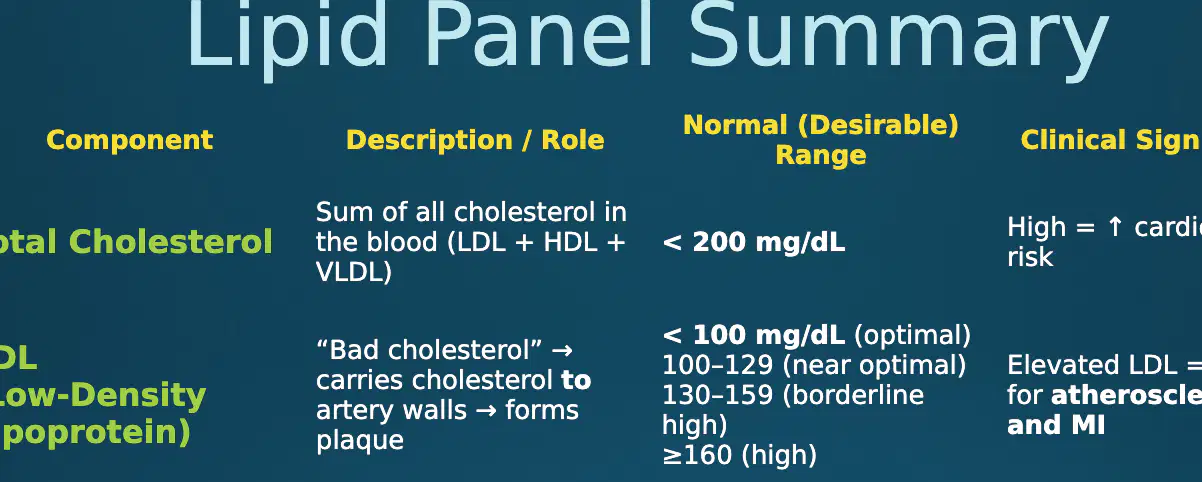
Which component of the lipid panel is known as "bad cholesterol" and is associated with an increased risk for atherosclerosis and myocardial infarction (MI) when elevated?
HDL (High-Density Lipoprotein)
LDL (Low-Density Lipoprotein)
VLDL (Very-Low-Density Lipoprotein)
Triglycerides
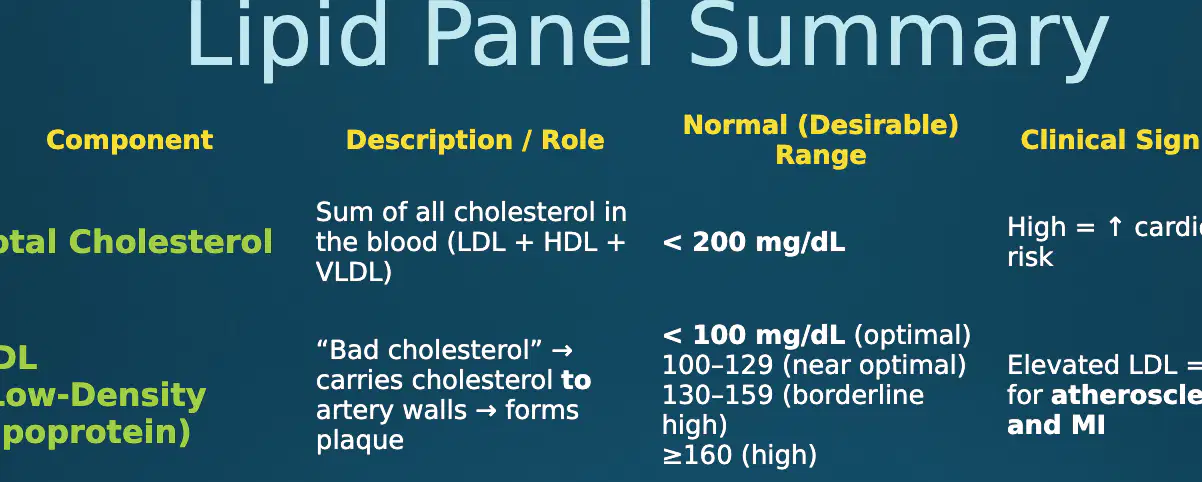
If a patient has a total cholesterol level above 200 mg/dL, what is the clinical significance?
Increased risk for pancreatitis
Increased risk for cardiovascular disease
Increased risk for diabetes
Increased risk for liver failure
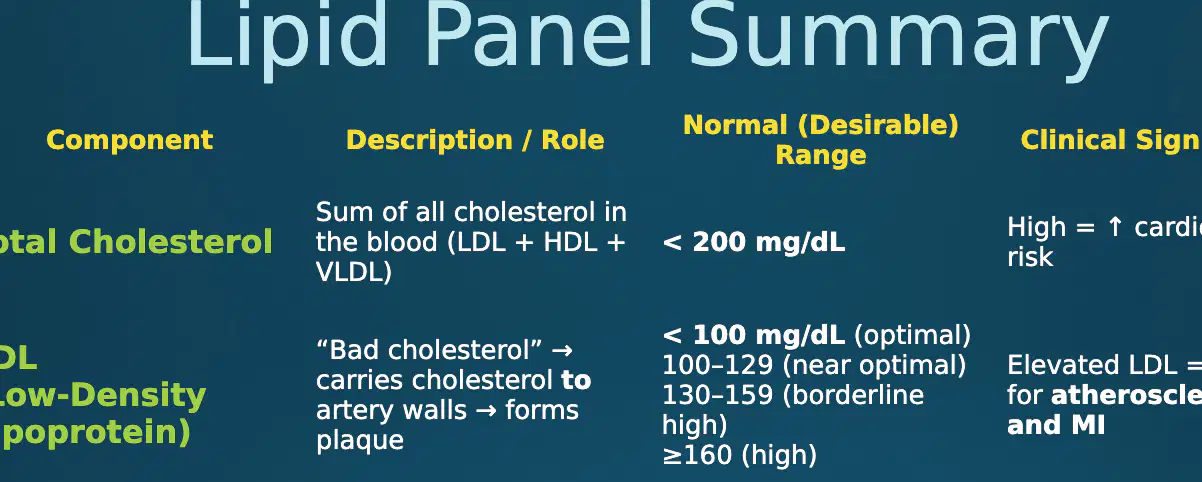
Which lipid panel component is described as "good cholesterol" and helps carry cholesterol away from arteries to the liver for excretion?
LDL (Low-Density Lipoprotein)
Triglycerides
HDL (High-Density Lipoprotein)
VLDL (Very-Low-Density Lipoprotein)
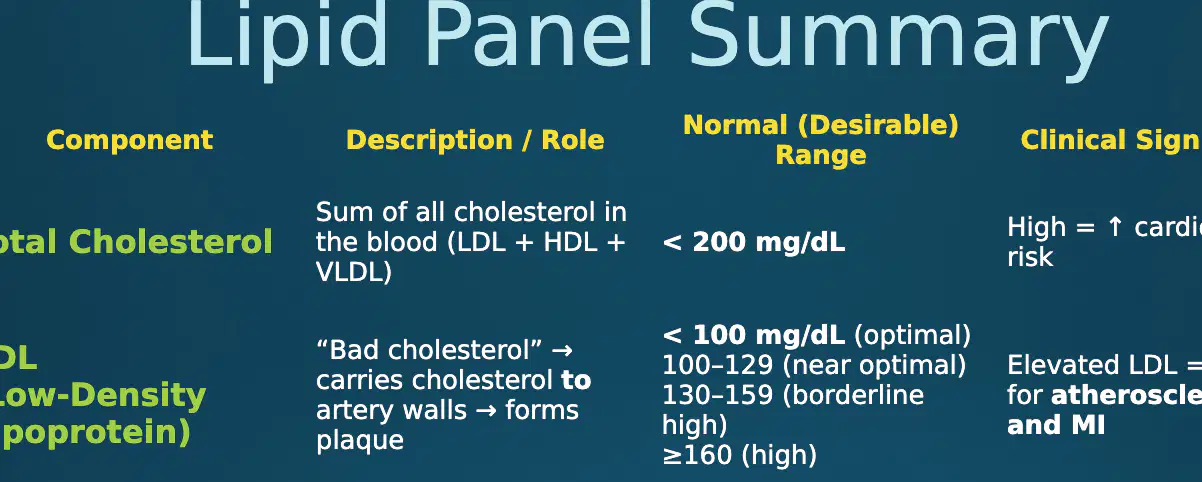
A male patient has an HDL level of 35 mg/dL. Based on the lipid panel summary, what risk is increased for this patient?
Risk for pancreatitis
Risk for coronary artery disease
Risk for diabetes
Risk for liver cirrhosis
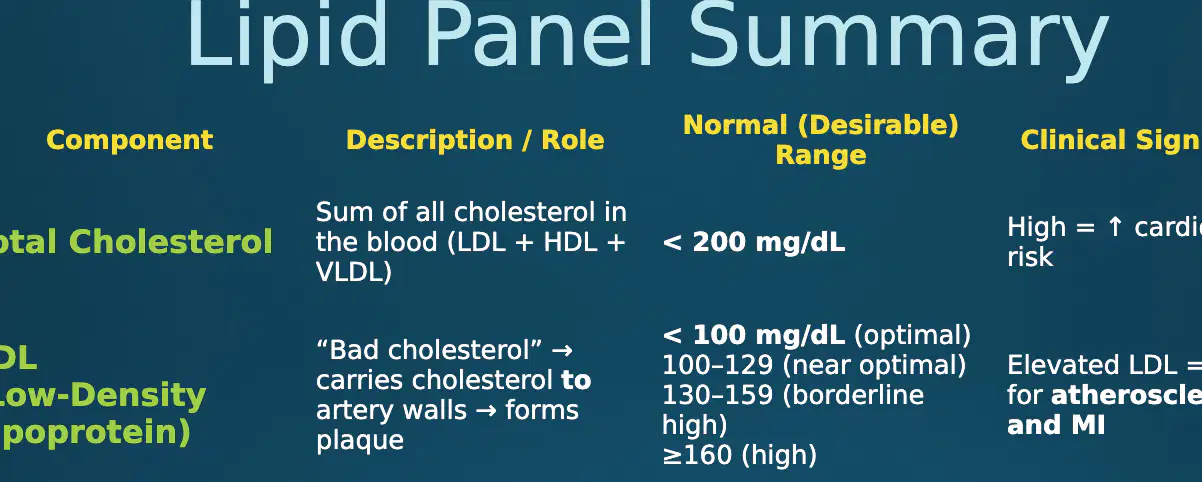
Strategically analyze: If a patient’s lipid panel shows triglycerides at 220 mg/dL and VLDL at 40 mg/dL, what clinical risks should be considered based on these findings?
Increased risk for pancreatitis and atherosclerosis
Increased risk for diabetes and hypertension
Increased risk for liver failure and stroke
Increased risk for anemia and infection
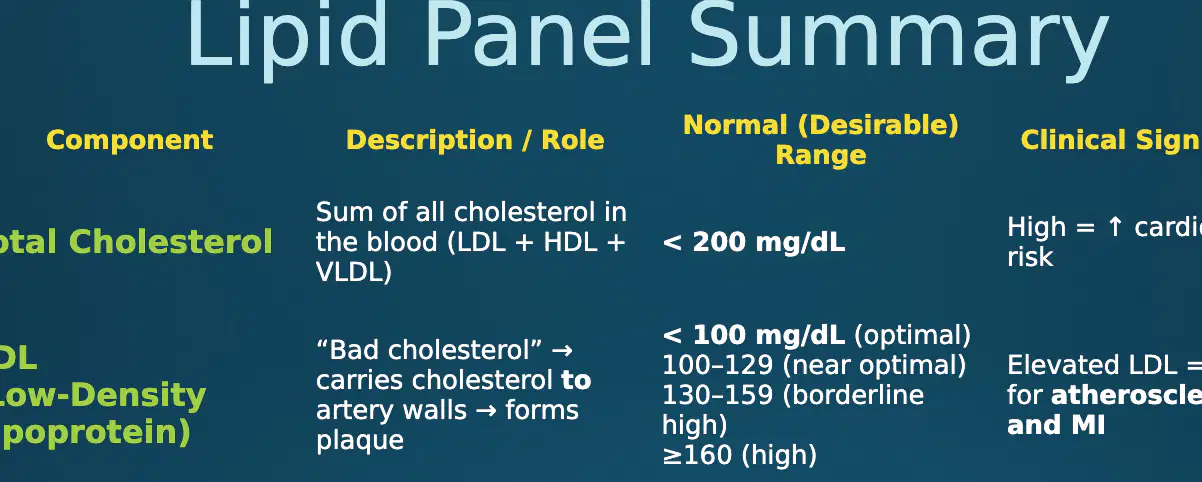
A patient’s LDL is measured at 145 mg/dL. Using strategic thinking, what category does this fall under and what is the associated clinical significance?
Optimal; low risk for atherosclerosis and MI
Borderline high; increased risk for atherosclerosis and MI
High; decreased risk for cardiovascular disease
Near optimal; increased risk for pancreatitis

