
 Worksheets
Test 1
Total questions: 44
Worksheet time: 22mins
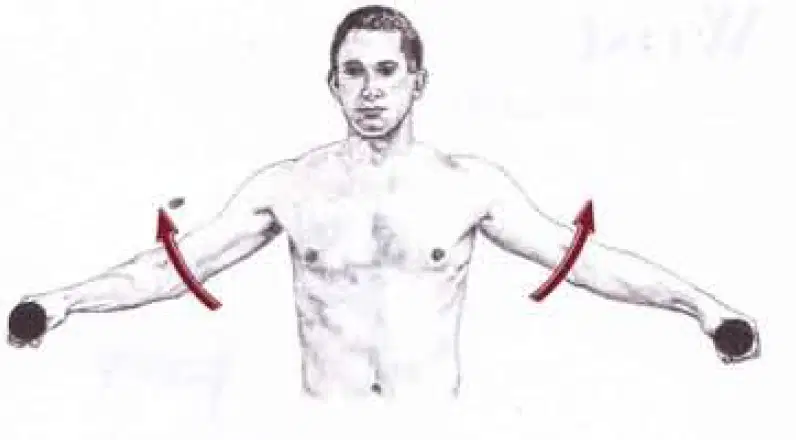
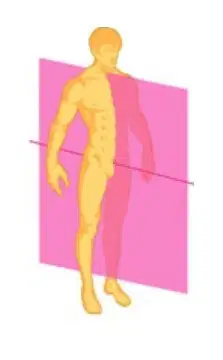
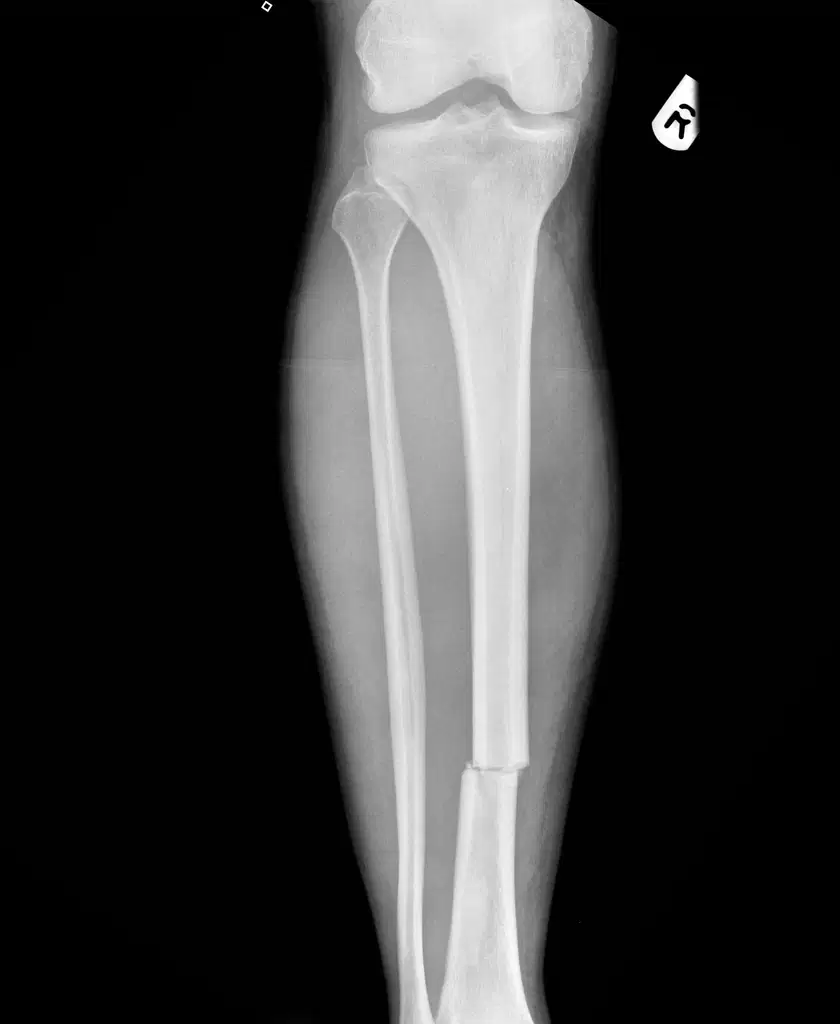
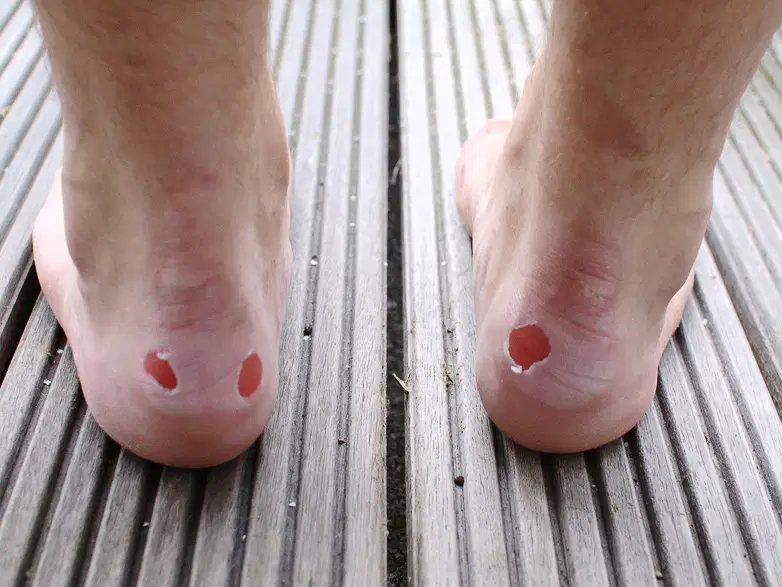
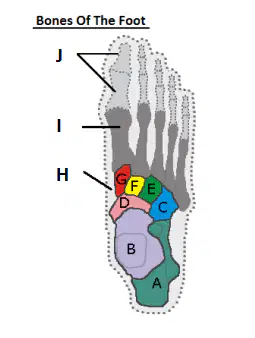
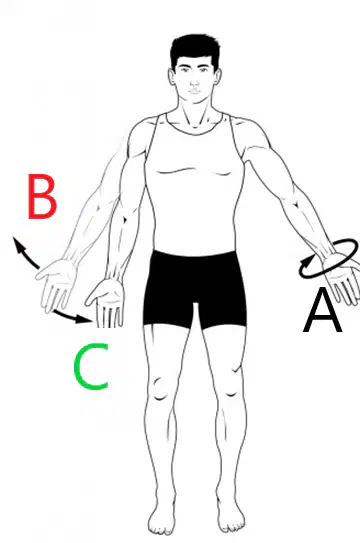
Why is it important to use the Anatomical Position and Directional Terms when studying or describing the human body?
(Explain your answer using clear reasoning — provide example, how it helps with accuracy, communication, or consistency in anatomy.) (4pts)
The skeletal system is made up of bones and cartilage and performs five (5) main functions for the human body.
List four (4) of these functions. (4pts)
Joints can be classified based on both their structure and function. The structural classification of joints includes three main types: Fibrous, Cartilaginous, and Synovial joints.
Explain two (2) distinct structural properties or characteristics for each type of joint.
(In total, you should describe six properties — two per joint type.) (6pts)
Explain the difference between a Chronic Injury and an Acute Injury.
For each type:
Define what it is.
Describe its key characteristics.
Provide one (1) example.
(Each section is worth 3 points: definition = 1, description = 1, example = 1) (6pts)
Whats the difference between Recreational and Organized sporting activityWhat is the difference between a Recreational sporting activity and an Organized sporting activity?
In your answer, explain each term and describe one key difference between them.
(Tip: Think about structure, rules, competition level, and purpose — for example, playing for fun vs. playing on a team or in a league.) (4pts)
When responding to an emergency situation and performing a Primary Survey, we follow the ABCSS steps.
List and briefly explain what each letter (A–B–C–S–S) stands for. (5pts)
Shock is a life-threatening condition that can occur after a severe injury and affects the body’s ability to deliver oxygen to vital organs.
List four (4) common signs or symptoms of shock.
(Hint: Think about changes in appearamce, normative values... vital signs) (4pts)
The acronym P.R.I.C.E. is used to guide the immediate treatment of soft tissue injuries.
a) What does each letter in P.R.I.C.E. stand for?
b) Explain the importance or purpose of each phase in the injury management process.
(5pts)
In sports medicine, approaches to athlete care can be Reactive or Proactive.
Explain the difference between these two approaches:
Reactive (Injury Management):
Proactive (Conditioning/Prevention):
Include an example for each to support your explanation.
(4pts)
The acronym H.O.P.S. is used when assessing injuries in sports medicine.
a) What does each letter in H.O.P.S. stand for?
b) Explain the importance or purpose of each phase in the injury assessment process.
(4pts)
Bonus Question:
There are seven major reasons why people may choose not to help in an emergency situation.
Explain three (3) reasons, providing a detailed explanation for each one.
(Be specific about why someone might hesitate or fail to act.)
(3pts)

