
 Worksheets
Cardiac Conditions Quiz
Total questions: 13
Worksheet time: 13mins
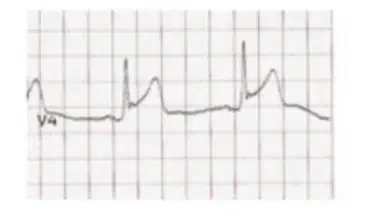
A 12-year-old child presents with sharp, central chest pain that worsens when lying flat and improves when sitting forward. There is no history of trauma or exertional trigger. On examination, the child appears mildly distressed but haemodynamically stable. Heart sounds are normal, with no murmur, and lungs are clear. This is the ECG, what is the diagnosis?
Tetralogy of Fallot (TOF)
Anomalous left coronary artery
Pericarditis
Ventricular tachycardia
Pleurisy
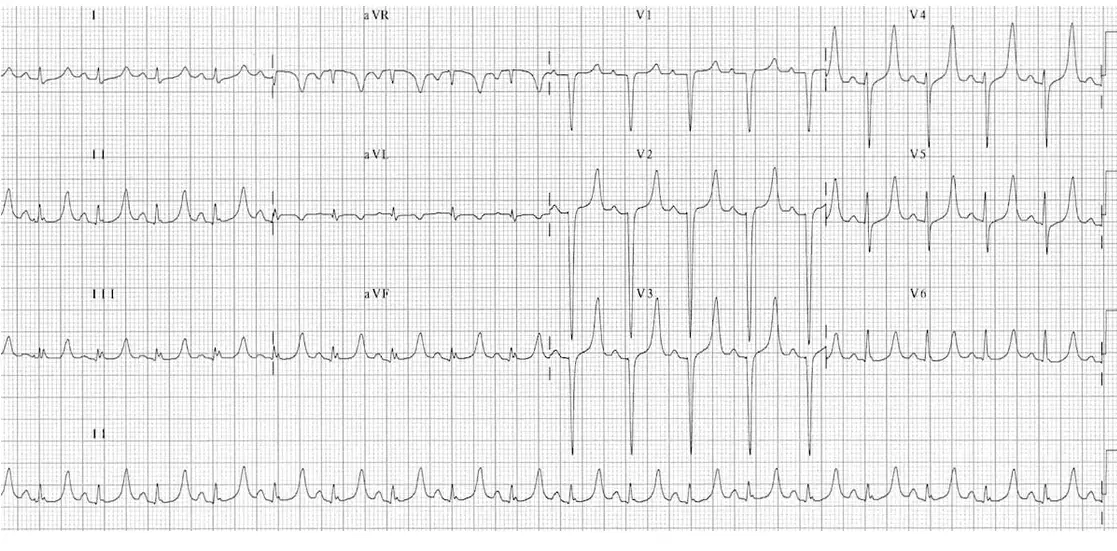
A 6-week-old infant is brought to the emergency department by the parents because of poor feeding, lethargy, and irritability. On examination, the baby is alert but floppy, with a heart rate of 200 bpm, and mild respiratory distress. What is the recommended action?
Administer calcium gluconate intravenously
Perform immediate defibrillation
Administer IV adenosine rapidly
Administer amiodarone
20 ml/kg normal saline
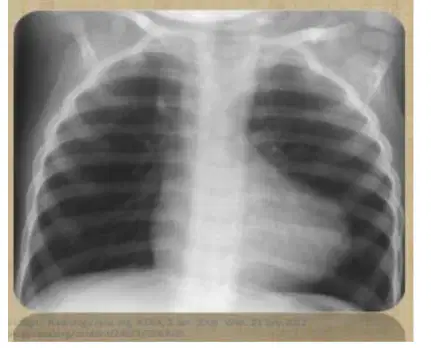
A 2-month-old baby boy is brought to the emergency department because of episodes of bluish discoloration. On examination, the baby appears centrally cyanotic, with a harsh systolic murmur, what is the most appropriate immediate management?
Diuretics
Surgical repair
Prostaglandins
Propranolol
Digoxin
A 10-year-old child suddenly collapses while standing in the school playground. Witnesses report that the child lost consciousness and fell to the ground without any warning. The child is unresponsive, lying on their back, with irregular breathing. There is no history of trauma, and the child has no known chronic medical conditions. What is the first step to take?
Perform a CT brain scan
Conduct a 12-lead ECG
Perform an ECHO
Conduct an EEG
Conduct brain MRI
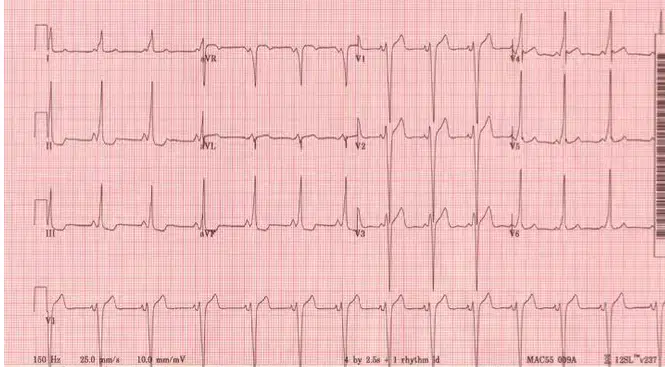
A 15-year-old teenager presents to the clinic with intermittent episodes of palpitations and dizziness. The patient has no chest pain or syncope, and their past medical history is unremarkable. Episodes last a few minutes and start suddenly. What does the ECG with a delta wave and narrow QRS typically indicate?
Long QT syndrome
Hyperkalemia
Myocarditis
Atrial septal defect (ASD)
Wolff-Parkinson-White syndrome (WPW)
A 3-week-old neonate presents with cyanosis and poor feeding. The child was born at term with no complications. On examination, the infant is cyanotic with an oxygen saturation of 82% in room air, tachypneic but not in significant respiratory distress. Heart sounds reveal a loud second heart sound with no obvious murmur. A cardiac catheterization is performed, revealing a right atrial oxygen saturation of 92%. What is the curative management?
100% oxygen
IV propranolol
IV prostaglandin
Nitric oxide
Surgical repair
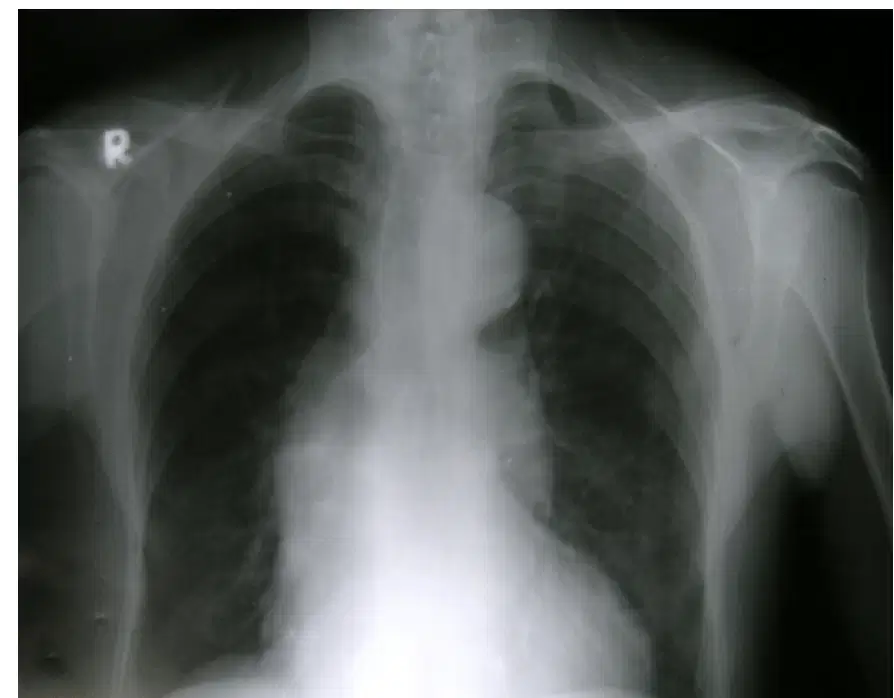
A 6-year-old girl is brought to the clinic by her parents because of exertional fatigue and occasional headaches. She has no history of cyanosis. On examination, a systolic murmur is audible over the left upper sternal border. What is the diagnosis?
Coarctation of Aorta (COA)
Atrial Septal Defect (VSD)
Peripheral Pulmonary Artery Stenosis (PPAS)
Pulmonary Stenosis (PS)
Aortic Stenosis (AS)
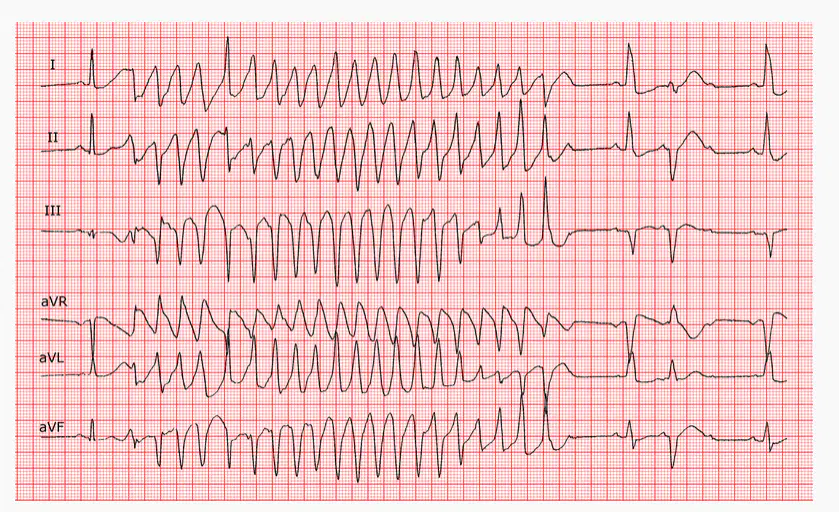
A 12-year-old boy is brought to the emergency department after suddenly fainting while playing basketball. He regained consciousness after a few seconds but felt palpitations and dizziness. What is the immediate management?
Intravenous magnesium sulfate
Immediate synchronized cardioversion
IV amiodarone
Oral beta-blocker therapy
Observation and repeat ECG
A 9-year-old previously healthy girl presents with intermittent fever for 10 days, fatigue, and poor appetite. Her parents noticed small red spots on her palms and soles, and she seems paler than usual. On examination, her temperature is 38.3°C, heart rate is 105 bpm, and blood pressure is 95/60 mmHg. Cardiac examination reveals a soft systolic murmur at the lower left sternal border, which was not previously documented. She has petechiae on the conjunctiva and splinter hemorrhages under the fingernails, but no hepatosplenomegaly. What is the most likely diagnosis?
Kawasaki Disease
Rheumatic Fever
Viral Myocarditis
Infective Endocarditis
Systemic Lupus Erythematosus
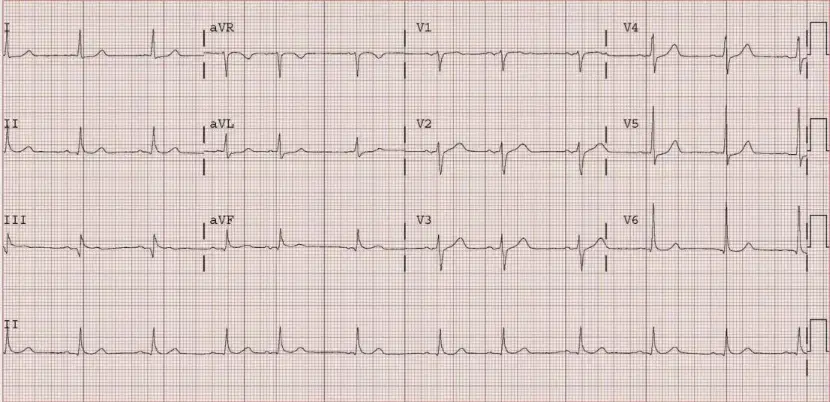
A teenager took heavy caffeinated fluids, became dizzy, and experienced loss of consciousness (LOC). Her mom said she was pale when found. What is the most likely diagnosis based on the ECG?
Atrial fibrillation (AF)
Vasovagal attack
Long QT syndrome
Ventricular tachycardia
Right BBB
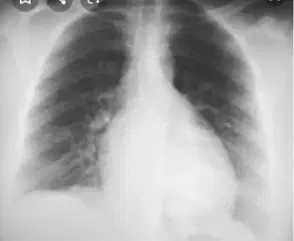
An 8-year-old patient presents with tachypnea, tender hypochondrium, fever, vomiting, apex in the 6th intercostal space, and palpable liver. The X-ray is provided. What is the most likely diagnosis?
Dilated Cardiomyopathy
Pericarditis
Pneumonia
Pleural effusion
Rheumatic fever
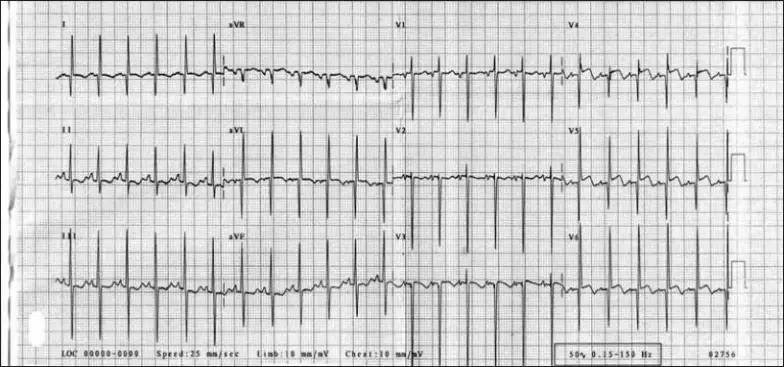
A 6-week-old infant, previously healthy and born at term, is brought to the emergency department with a 3-day history of poor feeding, sweating during feeds, and irritability. The parents report that the baby has been breathing faster than usual and appears pale.
On examination, the infant is tachypneic, with subcostal retractions, heart rate of 180/min, and an oxygen saturation of 95% on room air. The baby has cool extremities, delayed capillary refill, and a mild hepatomegaly. A soft systolic murmur is heard at the left sternal border. what is the likely diagnosis based on the clinical picture and ECG?
Supraventricular tachycardia (SVT)
Fallot's of tetralogy (FOT)
Ventricular septal defect (VSD)
Anomalous left coronary artery from the pulmonary artery (ALCAPA)
Aortic coarctation (AoC)
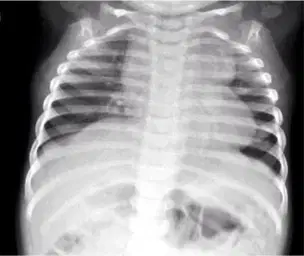
A full-term newborn develops severe cyanosis, tachypnea, and poor feeding within hours of birth, with oxygen saturation persistently around 70–75% despite 100% oxygen. Examination shows subcostal retractions, a soft systolic murmur at the left upper sternal border, hepatomegaly, and mild hypotension. Chest X-ray as illustrated, what is the diagnosis
TAPVD
Lymphoma
PPHN
Pneumothorax
Congenital pneumonia

