
NEW
Font size
 Worksheets
Bordetella Introduction and Learning Outcomes
Total questions: 15
Worksheet time: 8mins
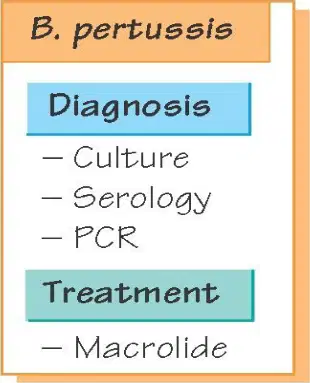
Based on the diagram of Bordetella pertussis, which diagnostic method is explicitly listed as a standard approach?
Culture
Gram stain only
Electron microscopy
Skin prick test
Which statement about pili and pertactin in Bordetella pertussis is supported by the reference?
They bind mammalian cells; their role in disease is unknown
They ADP-ribosylate G proteins
They increase intracellular cyclic AMP directly
They cause dose-dependent dermal necrosis in humans
Which effect of pertussis toxin contributes to impaired innate immune function during infection?
Inhibition of phagocytic killing and monocyte migration
Binding to sulfated glycolipids on ciliated membranes
Formation of dermal lesions in a dose-dependent manner
Direct lysis of erythrocytes via hemolysis
During the catarrhal stage of whooping cough, which symptom pattern is expected?
Runny nose, sneezing, low fever, and a mild cough often mistaken for a cold
High fever with productive cough and chest pain
Abrupt cessation of cough with immediate recovery
Severe shortness of breath with cyanosis only
A patient is in week 4 of coughing with ongoing paroxysms but slowly improving. Which stage most closely fits this presentation?
Late catarrhal stage
Early incubation stage
Paroxysmal stage trending toward convalescent
Established convalescent stage with no cough
Which specimen type is preferred for laboratory diagnosis of Bordetella pertussis?
Throat swab
Nasopharyngeal secretions collected by aspiration
Expectorated sputum
Oral saliva
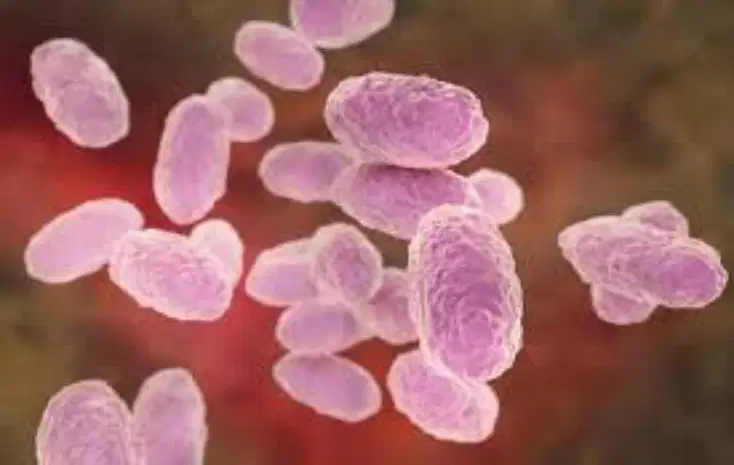
Which term best describes the shape of Bordetella pertussis cells under high magnification?
Spherical cocci
Curved vibrio
Short rods resembling coccobacilli
Long filamentous bacilli

A smear shows scattered pink short rods with occasional short chains. Which identification feature is most consistent with Bordetella pertussis?
Gram-positive staining pattern
Non-motile, gram-negative coccobacilli with possible chains
Spiral, motile gram-negative bacteria
Large gram-negative rods forming endospores
What is the primary method used for the laboratory diagnosis of Bordetella pertussis?
Blood culture
Polymerase chain reaction (PCR)
Urine antigen test
Serological testing
Which of the following factors is most associated with the pathogenicity of Bordetella pertussis?
Pertussis toxin
Exotoxin secretion
Capsule formation
Endotoxin production
In the context of Bordetella pertussis infection, which symptom is most characteristic of the paroxysmal stage?
Severe coughing fits followed by a whooping sound
Gradual improvement of respiratory symptoms
Persistent low-grade fever and mild cough
Sudden onset of high fever and chills
What is the primary transmission route for Bordetella pertussis?
Fecal-oral route
Vector-borne transmission
Direct contact with infected surfaces
Airborne droplets
What is the main clinical feature of the convalescent stage of whooping cough?
Persistent cough that gradually improves
Sudden onset of high fever
Severe respiratory distress
Complete resolution of symptoms
What is the most effective preventive measure against Bordetella pertussis infection?
Isolation of infected individuals
Regular hand washing
Antibiotic prophylaxis
Vaccination
Which of the following is a common complication associated with Bordetella pertussis in infants?
Seizures
Dehydration
All of the above
Pneumonia

