
 Worksheets
Joinery Health and Safety Quiz
Total questions: 40
Worksheet time: 20mins
Which piece of legislation is the primary law covering health and safety in the workplace in Great Britain?
The Health and Safety at Work Act 1974
The Data Protection Act 2018
The Equality Act 2010
The Building Act 1984
What does RIDDOR stand for?
Reporting of Injuries, Diseases and Dangerous Occurrences Regulations
Regulation of Industrial Design and Development of Resources
Risk Identification and Documentation of Occupational Risks
Reporting of Industrial Damages and Occupational Risks
Which regulation requires employers to control substances that are hazardous to health?
COSHH
PUWER
HASAWA
RIDDOR
Which of the following is NOT considered Personal Protective Equipment (PPE)?
Safety goggles
Hard hat
High-visibility vest
Mobile phone
When lifting a heavy object manually, what is the correct technique?
Bend your knees and keep your back straight
Keep your legs straight and bend your back
Twist your body while lifting
Hold the object away from your body
Which regulation covers the safe use of work equipment?
PUWER
COSHH
RIDDOR
HASAWA
What is the first thing you should do if you discover a fire in the workshop?
Raise the alarm
Try to put out the fire yourself
Finish your current task
Ignore it
Which of the following is a common hazard in a joinery workshop?
Loose cables on the floor
Properly stored tools
Clean and dry floors
Adequate lighting
What should you do before using any electrical tool?
Check for visible damage to the cable and plug
Assume it is safe if it worked last time
Use it immediately
Ask a colleague to use it first
Which of the following is an example of good housekeeping in the workshop?
Keeping walkways clear of obstructions
Leaving tools on the floor
Storing materials in doorways
Allowing sawdust to accumulate
What is the main purpose of a risk assessment?
To identify hazards and put controls in place to reduce risk
To increase paperwork
To assign blame after an accident
To avoid using PPE
Which of the following is a requirement when working at height?
Use suitable access equipment such as scaffolding or ladders
Stand on a chair
Use any available object to reach
Ignore the risk
If you spill oil on the workshop floor, what should you do?
Clean it up immediately and put up a warning sign
Leave it for someone else to clean
Ignore it
Cover it with sawdust and walk away
Which of the following is NOT a responsibility of employees under health and safety law?
Take reasonable care of their own health and safety
Co-operate with employers on health and safety matters
Provide PPE for all staff
Report hazards to their employer
What should you do if you find a piece of equipment is faulty?
Report it and do not use it
Use it carefully
Try to fix it yourself without training
Ignore the fault
Which of the following is a control measure for reducing dust in the workshop?
Use dust extraction systems
Sweep dust into corners
Ignore dust build-up
Open a window only
What is the correct action if you see someone not wearing required PPE?
Remind them to wear it
Ignore them
Take their PPE for yourself
Report them to the police
Which of the following is a hazardous substance commonly found in joinery workshops?
Wood dust
Drinking water
Clean air
Sandpaper
What is the first step in carrying out a risk assessment?
Identify the hazards
Write a report
Buy new equipment
Remove all staff from the area
Which of the following is a sign of electrical equipment being unsafe?
Exposed wires
Intact plug and cable
PAT tested label present
No visible damage
What should you do if you suffer a minor cut in the workshop?
Clean and cover the wound, and report it
Ignore it
Continue working without treatment
Hide it from your supervisor
Which of the following is a legal requirement for employers under HASAWA?
Provide a safe working environment
Allow staff to work without training
Ignore risk assessments
Let staff bring their own tools
What is the correct way to store flammable liquids in the workshop?
In a clearly labelled, fire-resistant cabinet
On an open shelf
Next to a heat source
In the staff room
Which of the following is a scenario where you must report under RIDDOR?
A serious injury occurs at work
You are late for work
You lose your lunch
You finish a project early
What is the main reason for wearing a dust mask when sanding wood?
To prevent inhalation of harmful dust particles
To look professional
To keep your face warm
To avoid getting paint on your face
Which of the following is a safe practice when using a ladder?
Ensure the ladder is on a stable, level surface
Place the ladder on loose materials
Overreach while on the ladder
Use a damaged ladder
What should you do if you notice a colleague behaving unsafely?
Speak to them or report it to a supervisor
Ignore them
Join in
Film them for social media
Which of the following is an environmental sustainability practice in joinery?
Recycling wood offcuts
Burning all waste materials
Using only new materials
Disposing of chemicals down the drain
What is the correct action if you hear the fire alarm?
Leave the building by the nearest exit
Finish your work before leaving
Ignore it if you think it’s a drill
Hide under your workbench
Which of the following is a benefit of good housekeeping in the workshop?
Reduces the risk of accidents and injuries
Makes the workshop look untidy
Increases the amount of waste
Encourages unsafe practices
What should you do if your PPE becomes damaged during use?
Try to repair it with tape
Continue working until the end of your shift
Stop work and replace the PPE immediately
Ignore the damage if it seems minor
Which of the following is a reason why PPE must be worn even if you are experienced at your job?
It slows down work
It is optional for experienced staff
It is only for new workers
Hazards can still cause injury regardless of experience
What Colour is a mandatory sign?
Blue
Green
Yellow
Red
What Colour is a prohibition sign?
Blue
Green
Yellow
Red
What colour is a Information sign
Blue
Green
Yellow
Red
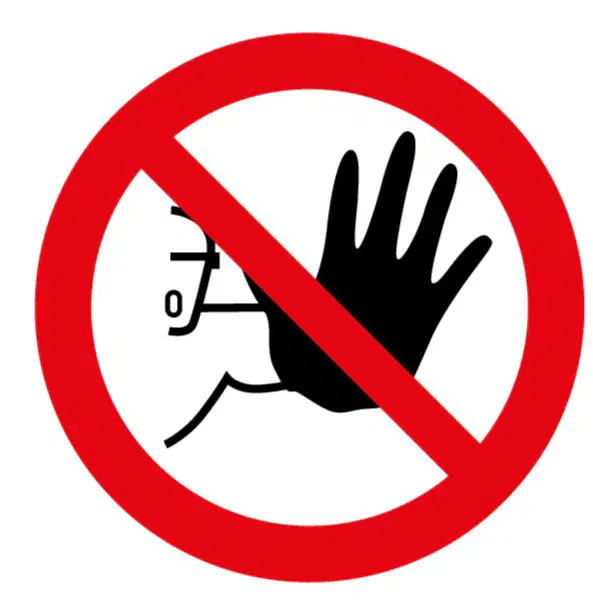
What does this sign mean?
Children must not play on this site
No unauthorised access
Caution
Stop

What does this sign mean?
Emergency Shower
AED Located here
Emergency Telephone
Telephone located here

What does this sign mean?
Ear defenders must be worn
Eye protection must be worn
PPE must be worn
Hard hat must be worn
What is the safest way to store chemicals in the workshop?
Unlabelled in open shelves
Mixed together in one large container
In clearly labelled, secure containers
On the floor near workstations
Which of the following actions helps prevent slips, trips, and falls in the workplace?
Store materials in walkways
Keep walkways clear of obstacles
Leave tools scattered on the floor
Ignore spills and debris

