
 Worksheets
Canine & Feline Systems Review
Total questions: 75
Worksheet time: 3600secs
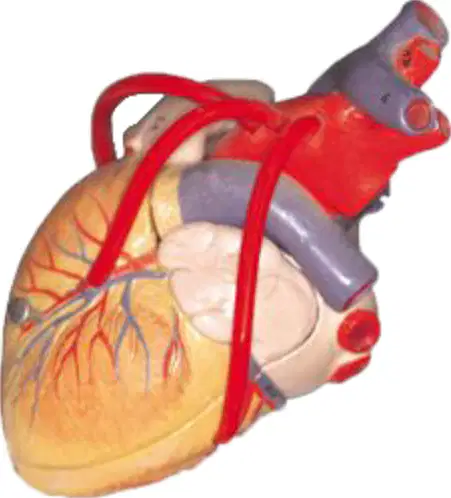
The cardiovascular system consists of the following: ______, blood, and blood vessels.
heart
lungs
kidneys
liver
What type of muscle is the heart composed of?
Voluntary cardiac muscle
Involuntary cardiac muscle
Skeletal muscle
Smooth muscle
The heart pumps blood throughout the body using ________.
blood vessels
nerves
muscles
bones
How many chambers does the heart consist of?
Two
Three
Four
Five
Blood vessels include arteries, veins, and ________.
capillaries
nerves
muscles
tendons
What is the function of arteries in the circulatory system?
Carry blood to the heart
Carry blood away from the heart
Filter blood
Store blood
How many layers do arteries contain which allow them to stretch each time the heart beats?
One
Two
Three
Four
What is one of the primary functions of veins?
Carry blood to the heart
Pump blood
Oxygenate blood
Filter blood
What do capillaries connect?
A) Arteries and veins
B) Heart and lungs
C) Brain and spinal cord
D) Muscles and bones
Capillaries exchange oxygen, water, salts, and carbon dioxide between blood and ________.
surrounding body tissues
muscles
bones
nerves
What is the primary function of the heart in the circulatory system?
To filter blood
To produce blood cells
To pump blood throughout the body
To store blood
Click on the:
right ventricle
Click on the:
left atrium
Click on the:
left ventricle
Click on the:
right atrium
What does the endocrine system consist of?
Organs that excrete hormones
Organs that digest food
Organs that pump blood
Organs that filter waste
The endocrine system regulates growth, development, and _______.
reproduction
digestion
respiration
circulation
Define 'Stimulus' as mentioned in the context of the endocrine system.
An agent, action, or condition which causes a response
A hormone that regulates metabolism
A type of cell that produces insulin
A gland that secretes digestive enzymes
The role of the thyroid gland in the endocrine system is to:
Regulate metabolism and energy balance
Control blood sugar levels
Produce adrenaline
Filter waste from the blood
What is the function of the adrenal gland in the endocrine system?
Regulates metabolism and immune response
Controls blood sugar levels
Produces hormones that help regulate metabolism and response to stress or excitement
Regulates calcium levels in the blood
Where is the pituitary gland located?
On the top of the brain
On the underside of the brain
In the heart
In the stomach
Parathyroid glands release a hormone to boost calcium levels when they sense the calcium level in blood is too ____.
low
high
normal
stable
Where are the adrenal glands located?
On top of the kidneys
Behind the liver
In the brain
Near the heart
What hormone does the pancreas secrete to metabolize sugar?
Glucagon
Insulin
Somatostatin
Adrenaline
What is the primary function of the immune system?
To digest food
To identify and kill pathogens
To produce energy
To regulate body temperature
Into which two categories is the immune system divided?
Nervous and circulatory systems
Respiratory and digestive systems
Innate and adaptive immune systems
Skeletal and muscular systems
What is a pathogen?
A type of cell that produces energy
A disease-causing agent, such as a virus or bacteria
A nutrient required for growth
A hormone that regulates sleep
What is the primary role of the innate immune system?
To remember past infections
To act as the first line of defense
To specifically target certain pathogens
To adapt and learn from exposure
What is the primary function of the adaptive immune system?
To attack specific threats to the body
To provide immediate defense against all pathogens
To produce red blood cells
To regulate body temperature
Where are lymph nodes located in the body?
Only in the brain
Only in the heart
Scattered throughout the body
Only in the stomach
What is lymph?
A type of muscle tissue
A clear fluid containing white blood cells derived from the tissues of the body
A type of bone marrow
A hormone produced by the pancreas
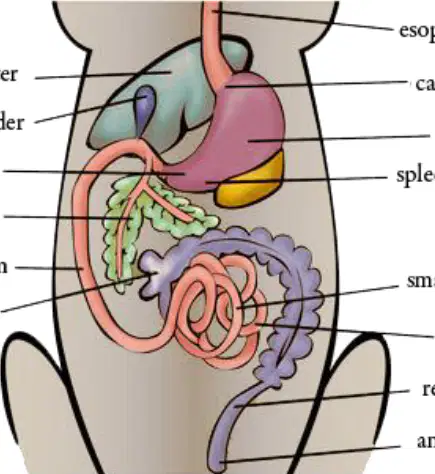
What is the primary function of the digestive system?
To circulate blood
To take in and digest food
To control body temperature
To support bones
The digestive system is also known as the ____.
gastrointestinal tract (GI tract)
respiratory system
circulatory system
nervous system
The ______ is part of the Upper GI Tract.
stomach
large intestine
rectum
appendix
What do the salivary glands in the mouth do?
Produce saliva
Breakdown carbohydrates
Lubricate the passage of food
All of the above
Where does the esophagus lie?
Between the lungs and the heart
Between the pharynx and the stomach
Between the brain and the throat
Between the liver and the stomach
What does the stomach connect?
The esophagus and the small intestine
The liver and the pancreas
The heart and the lungs
The brain and the spinal column
The stomach secretes many acids which are used to break down ______.
foods
metals
plastics
stones
The Lower GI Tract includes the following: (a) .
stomach
esophagus
What is the function of the duodenum in the small intestine?
Absorbs vitamin B12
Connects the stomach to the jejunum and is where the most chemical digestion takes place
Connects the duodenum to the ileum
Absorbs carbohydrates and proteins
Which part of the small intestine absorbs vitamin B12, bile salts, water, and other products not absorbed by the jejunum?
Duodenum
Jejunum
Ileum
Colon
What is another name for the large intestine?
Colon
Rectum
Cecum
Stomach
The colon is responsible for extracting _______ from feces.
water
sugar
protein
fat
The anus is surrounded by ______ muscles which allow for the control of stool.
sphincter
bicep
tricep
deltoid
The correct order for digestion in monogastric is which of the following?
Mouth>Esophagus>Pharynx>Stomach>Small Intestine>Large Intestine
Mouth>Pharynx>Esophagus>Stomach>Small Intestine> Large Intestine
Mouth> Pharynx>Esophagus>Small Intestine>Stomach>Large Intestine
Mouth>Esophagus>Pharynx>Large Intestine>Stomach>Small Intestine
What is one of the primary functions of the muscular system in organisms?
To digest food
To allow movement
To produce hormones
To filter blood
Which type of muscle is found in the heart?
Skeletal
Cardiac
Smooth
Voluntary
What type of muscles can be controlled by thought?
Involuntary muscles
Cardiac muscles
Voluntary muscles
Smooth muscles
What is a characteristic of involuntary muscles?
They contract with conscious control.
They are primarily found in the arms and legs.
They contract without conscious control.
They are only found in the heart.
Which type of muscle tissue is usually voluntary and connected to a bone?
Cardiac muscle
Smooth muscle
Skeletal muscle
Involuntary muscle
What does the integumentary system include in animals?
Skin, fur, nails, and sweat glands
Bones, muscles, and joints
Heart, lungs, and blood vessels
Brain, nerves, and spinal cord
What is one of the functions of the integumentary system?
It circulates blood throughout the body
It acts as a receptor for touch, pain, pressure, and temperature
It digests food and absorbs nutrients
It produces hormones and regulates metabolism
What role does the integumentary system play in the immune system?
It acts as an innate immune system
It produces antibodies
It stores white blood cells
It filters pathogens from the blood
What is the outermost layer of the skin called?
Dermis
Subcutaneous tissue
Epidermis
Hypodermis
Which layer of the skin provides cushioning from stress and strain?
Epidermis
Dermis
Subcutaneous tissue
Stratum corneum
What is the function of the subcutaneous tissue?
Provides insulation and nutrient storage
Houses sweat glands and hair follicles
Protects against UV radiation
Produces melanin
Which structure in the female reproductive system is responsible for housing and nurturing a developing fetus?
Ovaries
Uterus
Vulva
Vagina
What is the role of ovaries in the female reproductive system?
To produce milk
To produce eggs and hormones
To support the vagina
To protect the vulva
Which hormones are produced by the ovaries?
Testosterone and insulin
Estrogen and progesterone
Adrenaline and cortisol
Thyroxine and melatonin
What are the top two sections of the uterus called?
Uterine horns
Fallopian tubes
Ovaries
Cervix
What is the definition of implantation?
The process of fertilization of eggs
The attachment of the early embryo to the lining of the uterus
The development of the fetus in the uterine horns
The release of eggs from the ovaries
Which of the following best describes the structure of the uterus?
A hollow muscular organ with two long, nearly straight horns
A solid organ with no distinct sections
A hollow organ with multiple chambers
A muscular organ with a single straight horn
What is the primary function of mammary glands?
To provide milk for offspring
To regulate body temperature
To aid in digestion
To support movement
Which of the following is NOT a part of the male reproductive system?
Scrotum
Testicles
Epididymides
Uterus
What is the primary function of the scrotum?
Houses the ovaries
Functions as a temperature regulator for the testicles and epididymides
Produces sperm
Regulates blood flow in the abdomen
Where is the scrotum located in dogs?
At the front of the abdomen
Toward the back of the abdomen between the hind legs
Below the anus
Near the tail
Where is the scrotum located in cats?
At the front of the abdomen
Toward the back of the abdomen between the hind legs
Lies just below the anus
Near the tail
What hormone is produced by the testicles and is responsible for developing male secondary sex characteristics?
Estrogen
Progesterone
Testosterone
Cortisol
Where do the epididymides transport sperm to?
The urethra
The bladder
The vas deferens
The prostate gland
What is the primary function of the penis in male mammals?
To act as the male sexual organ
To produce hormones
To store blood vessels
To protect the tubular sheath of skin
What is the primary function of the nervous system?
To digest food
To control actions and reactions of organisms to their environment
To produce energy
To transport oxygen
Which components are included in the Central Nervous System?
Brain and spinal cord
Heart and lungs
Kidneys and liver
Stomach and intestines
What is one of the primary functions of the respiratory system?
Takes in oxygen
Produces energy
Absorbs nutrients
Filters blood
Which waste gas does the respiratory system eliminate?
Oxygen
Nitrogen
Carbon dioxide
Hydrogen
What is the primary function of the excretory system?
To digest food
To eliminate wastes from the body
To circulate blood
To produce hormones

