
 Worksheets
ES Common Assessment 3/4
Total questions: 76
Worksheet time: 1hrs 4mins
What is the role of the ozone layer?
to allow UV rays to get to Earth
to block UV rays from getting to Earth
To keep oxygen in
to allow meteors to get to Earth
Why are there fewer molecules of air up in the mountains?
because air pressure increases as you go higher.
Because air pressure is the same throughout all layers of the atmosphere.
Because air is too heavy.
Because air pressure decreases as you go higher.
the variable that you are changing
dependent variable
independent variable
you do an experiment to find out how the height from which a ball drops affects how high the ball bounces. The independent variable is the _____.
Diameter of the ball
Force acting on the ball
Height that the ball bounces
Height from which the ball is dropped
you want to see how music affects your test grades. taking a test with out music would be the _______________________.
experimental group
control group
Acts as a comparison and does not receive the IV
experimental group
control group
data
variables
factors that you keep exactly the same in an experiment
control group
constants
variables
data

Students used various temperatures of water to see which one dissolved candy faster.
What was the dependent Variable?
Amount of Candy
Amount of Water
Temperature of Water
Time for Candy to Dissolve
Earth's average temperature has increased 1°C in the past century. Which reason best explains this increase in temperature?
lower levels of ozone in the atmosphere
lower levels of nitrogen in the atmosphere
higher levels of carbon dioxide in the atmosphere
higher levels of oxygen in the atmosphere
What are greenhouse gases?
gases that absorb heat
gases that emit green smoke
gases that are used to make green colored glass
why is the NATURAL greenhouse effect important?
it protects us from harmful x-rays
it traps heat and keeps out planet warm
it protects us from sunburn
it protects us from meteors.
Which of the following are evidence of climate change?
extreme weather events
increase in the average global temperature
melting of polar ice caps
all of the above
The main human activity that releases carbon dioxide (CO2) into the atmosphere is...
using bottled water
burning fossil fuels
texting on cellphones
eating meat
Which of the following is contributing to an increase in carbon dioxide (CO2) in the atmosphere?
deforestation
burning fossil fuels
burning down trees
all of the above
What can you do to help decrease global warming and the amount of greenhouse gases in the atmosphere?
raising more cows for food
increasing the use of cars
Keep your air conditioner on high.
using alternative energy sources like solar panels and wind
Which of the following is produced by cows?
Carbon Dioxide
Water Vapor
Argon
Methane
what human activities lead to an increase in the amount of greenhouse gases and therefore lead to climate change?
burning fossil fuels for energy
transportation (cars, planes, trains)
farming
all of the above
human activities lead to climate change and global warming because
there are LESS greenhouse gases in the atmosphere and the temperature decreases
there is the SAME amount of greenhouse gases in the atmosphere and the temperature stays the same
there are MORE greenhouse gases in the atmosphere and the temperature is increasing
Water underground is stored in ____________.
aquifers
reservoirs
wells
depositories
The top of an aquifer is known as:
the water table.
an artesian well.
the hydraulic gradient.
a geyser.

What would cause the water table to lower?
High rates of evaporation and transpiration
Low rates of evaporation and transpiration
Increasing amounts of runoff
A heavy rainstorm with a lot of precipitation

What is the relationship between soil type/particle size and permiability (as shown by the bar graph below)?
The larger the particle size, the slower the permeability rate
The smaller the particle size, the faster the permeability rate
There is no relationship between particle size and permeability
The larger the particle size, the faster the permeability rate
What is permeability?
The amount of space between particles
The ability to hold water
The number of openings in your face
The ability to allow water to flow through
What is porosity?
The amount of space between particles
The number of particles in a sample
The number of openings in your face
The ability to allow water to flow through
what is true about eutrophication in lakes and other bodies of water?
it is always natural
it is always artificial
it can cause too much algae to grow
none of these are true
Why do algae blooms happen?
there are too many nutrients in the water
there are too many fish in the water
there is not enough turbidity in the water
all of these options
Pollution traced to a single point
water shed
permeable
point source pollution
non-point source pollution
Pollution that cannot be traced to a single point because comes from many sources
estuary
water shed
non point source pollution
point source pollution
Who pollutes the ocean the most?
Marine Animals
Humans
Land Animals
Which of these is not a cause of water pollution?
Chemical waste
Fertilisers
Burning fossil fuels
Discarded rubbish
Where is the majority of Earth's FRESHWATER located?
underground
polar ice caps
rivers and lakes
oceans
a hole that is dug into the ground to reach groundwater
recharge zone
river
watershed
well
the water table in a WET region...
is closer to the surface because there is more water
is further in the ground because there is less water
The water table in a DRY region is...
closer to the surface because there is more water
lower in the ground because there is less water
Why does a well dry up? choose all that apply
there is a lot of rainfall
the water is used faster than its replaced
the water table falls below the bottom of the well
Which is a MAJOR cause of acid rain?
spraying pesticides on crops
burning fossil fuels for energy
dumping sewage in rivers
using Nuclear power stations
Which is NOT caused by acid rain?
damage to statues
dying fish
spread of disease
weakened trees
What are the two types of acids that are in acid rain?
Iron
sulfuric
nitric
sulfur
Using solar and wind power help reduce acid rain
True
False
Using fossil fuels reduce acid rain
True
False

What pH does a neutral substance have?
5
6
7
8

Which of the following is the weakest acid?
bananas (pH 5)
tomatoes (pH 4)
cheese (pH 6)
orange juice (pH 3)

Where is most of Earth's water located?
polar ice caps
groundwater
oceans
atmosphere
Where is the majority of Earth's FRESHWATER located?
underground
polar ice caps
rivers and lakes
oceans
Energy that uses heat from within the earth is ____.
Nuclear
Geothermal
Wind
Solar
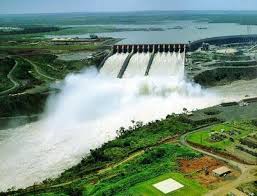
Which form of energy uses water moving through a dam?
Geothermal
Nuclear
Solar
Hydropower
Which energy source uses turbines that spin in open air?
Nuclear
Hydropower
Wind
Geothermal
How can you reduce your waste?
reduse, reuse, & recycle
spend more money on products
buy more things that are in plastic
throw all your waste in the landfill
This type of waste will break down over time and includes things like yard trimmings, food & paper
non-biodegradable
plastic
biodegradable
landfills
This type of waste does NOT breakdown over time and includes things like plastic and glass
biodegradable
yard trimmings
compost
non-biodegradable
choose all of the following waste times that can be recycled
plastic
glass
paper
metals
this is an area of land where our waste goes for permanent disposal
composting
landfill
aquifer
ocean
this type of waste can be added to soil to increase the nutrients of the soil
plastic
landfills
compost
metal shavings
This type of land consists of alot of buildings and infrastructure (roads) with a high density of people
rural
suburban
urban
cropland
this type of land is where we live (denville/rockaway) and contains alot of neighboorhoods
rural
suburban
urban
landfills
this type of land contains alot of open space that is undeveloped or used for farming
rural
urban
suburban
groundwater
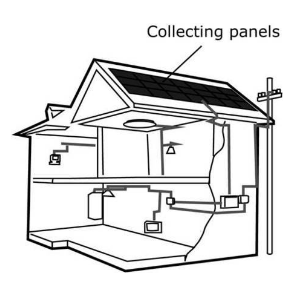
Abigail's family has installed panels on their home's roof to harness a natural resource and convert it into electricity for their use.
Which alternative energy source is being utilized by Abigail's family?
Water
Wind
Solar
Geothermal
Renewable energy resources produce less_____________ than fossil fuels.
pollution
energy
wind
light
Fossil Fuels (choose ALL that apply)
considered nonrenewable resources
cause pollution in the atmosphere
are renewable resources
oil, coal and natural gas
list the layer of the atmosphere in order from the group up
thermosphere, mesosphere, stratosphere, troposphere
mesosphere, thermosphere, troposphere, stratosphere
troposphere, stratosphere, mesosphere, thermosphere
stratosphere, mesosphere, troposphere, thermosphere

