
NEW
Font size
 Worksheets
Properties of waves
Total questions: 63
Worksheet time: 2hrs 53mins
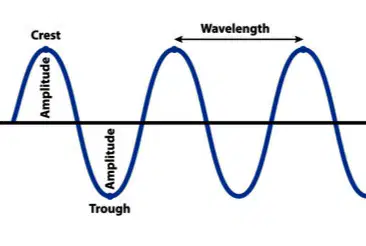
is a wave that moves perpendicular to the direction of the particles.
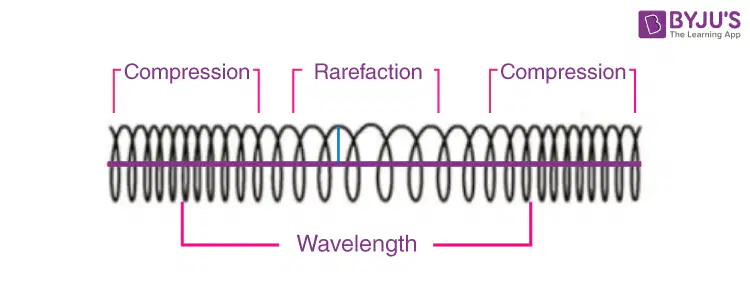
is a wave that moves in the same direction as the particles.

the greatest height of a wave from its resting position.
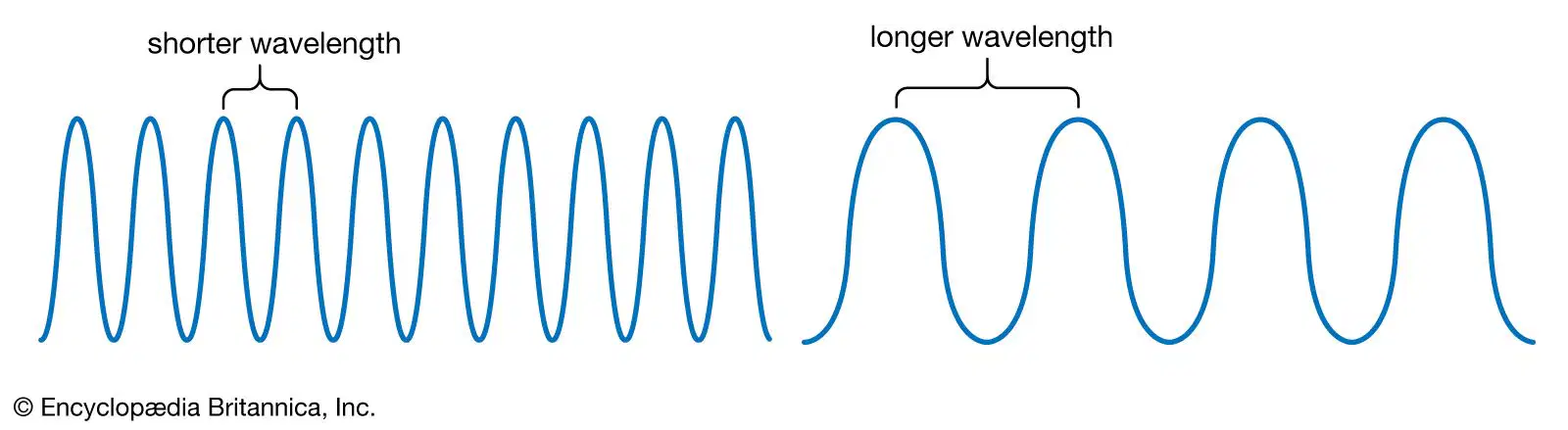
Is the distance between similar points on a wave.
Is a disturbance that carries energy and travels in a repeating pattern.

is the number of wave repetitions in a certain amount of time.
is a repeated back-and-forth motion.
waves can travel through empty space
Light
Sound
Is how fast a wave travels
could travel around Earth seven times in less than one second.
waves travel faster than sound waves.
water
light
●is the top point of a wave.

is the lowest point of a wave.
amplitude sound wave means louder sound.
high
low
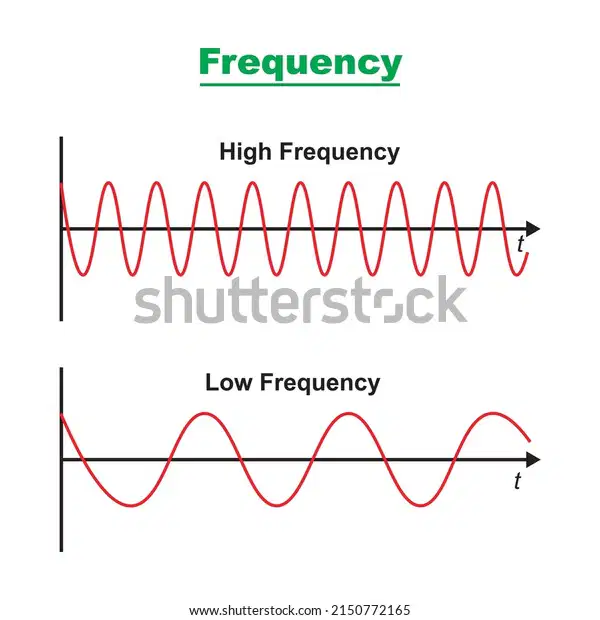
●High frequency means .
high pitch
low pitch
●High frequency means shorter distances between waves.
true
false
What is wavelength?
total amount of time it takes a wave to move through one cycle
distance between a point on a wave and the EXACT same point on the next wave
number of crests and troughs a wave produces in one minute
length of a series of waves traveling from a source
Which best describes a wave?
disturbance that carries energy
kind of motion that pushes objects
form of energy that makes heat
type of matter
What is amplitude?
distance a wave travels in a given amount of time
number of disturbances produced by a wave
total distance a wave moves from its resting position
distance between the crest and trough on a wave
What is the relationship between frequency and amount of energy in a wave?
Waves with lower frequencies have more energy.
Changes in frequency never change the energy of the wave.
Waves with higher frequencies have more energy.
Changes in frequency only change the energy of the wave if it is a longitudinal wave.
What units are used to measure frequency?
cycle
meters
hertz
period
Which statement best describes how waves travel?
Waves travel outward from a source.
Waves travel in a random pattern.
Waves travel inward toward a source.
Waves travel in a zig-zag pattern.
How can the height of a wave be correctly measured?
crest to trough
amplitude to period
period to period
crest to crest
How can one complete wavelength be correctly measured?
amplitude to period
crest to crest
crest to trough
period to period

Andy drew a diagram of a transverse wave. Which part of the wave is labeled X?
rarefaction
crest
trough
compression

A beach ball is floating on the ocean surface far from the shore. Ocean waves cause the beach ball to move. Which of the following best describes this motion of the beach ball?
forward
back and forth
up and down
sideways
The size of an ocean wave depends on which of the following?
how fast, how far, and how long the wind blows
temperature of the air that causes winds
how fast the wind blows and how far the wind blows
temperature of the air that causes the winds and how fast the wind blows
When waves cause an object to move, there is an increase in the object’s __________.
weight
potential energy
kinetic energy
frequency

Which best describes the motion of water molecules in the ocean when a wave goes by?
up and down
straight
side to side
circular
What produces sound?
friction
vibrations
light
heat
Which best describes tsunami waves?
large height and short wavelengths
large height and long wavelengths
small height and short wavelengths
small height and long wavelengths
What usually causes tsunamis?
earthquakes
floods
heavy rains
strong winds
Why do strong storms such as hurricanes usually result in large ocean waves?
Hurricanes produce a lot of rain that ends up in oceans.
Strong winds are produced during hurricanes.
Hurricanes stir up the ocean floor.
A lot of small earthquakes happen during hurricanes.
What causes most waves in the oceans?
clouds
wind
tsunamis
earthquakes
a disturbance that travels in a pattern and carries energy
crest
wave
trough
amplitude
the distance from the greatest height of a wave and its resting position
frequency
wavelength
trough
amplitude
the distance between similar points on a wave
amplitude
wavelength
wave
transfer
the number of times a wave repeats itself in a certain amount of time
amplitude
longitudinal
wavelength
frequency
a wave that moves and carries energy perpendicular to the particles it travels through
transverse
longitudinal
crest
amplitude
the top point of a transverse wave
trough
crest
wave
amplitude
the bottom point of a transverse wave
crest
trough
longitudinal
amplitude
a wave that moves in the same direction as the particles it travels through
amplitude
longitudinal
transverse
wavelength
to move from one object to another
transfer
wave
amplitude
trough
How would you describe the movement of matter in a longitudinal wave?
perpendicular (not the same) to direction of energy
parallel ( same) to the direction of energy
In zigzags
Linear
How would you describe the movement of matter in a transverse wave?
perpendicular(not the same) to direction of energy
parallel (same) to the direction of energy
In zigzags
Linear
A wave that moves the medium parallel ( same) to the direction of the energy is a:
electromagnetic
standing
transverse
longitudinal

What type of wave is pictured?
Transverse wave
Longitudinal wave
Wave, what wave?
Slinky wave
All waves carry ______________.
Sound
Light
Water
Energy

What type of waves are these?
Transverse waves
Longitudinal waves
Water waves and light waves are both examples to ___
Longitudinal Wave
Transverse Wave
Frequency wave
Sound Wave
The distance between similar points on a wave is known as ______.
A) Amplitude
B) Frequency
C) Wavelength
High amplitude sound waves are ______ than low amplitude sound waves.
quieter
louder
Wavelength can be measured from the lowest point of the wave to the ______.
highest point
next lowest point
Frequency is the number of wave repetitions in a certain amount of time.
Yes
No
If a musical instrument vibrates very quickly, it makes waves with
__________frequency.
High
Low
Wave characteristics depend on the vibration that causes the wave !!
Yes
No

