
 Worksheets
HYDROSPHERE AND ATMOSPHERE
Total questions: 110
Worksheet time: 5hrs 50mins
Which of Earth's major systems contains or planet's water and ice?
atmosphere
biosphere
mesosphere
hydrosphere
What does the word hydro mean?
air
stone
water
fire

What percentage of Earth's fresh water can we use?
30.8%
97.5%
68.9%
0.3%
Which of the following is not an example of the Hydrosphere?
river
soil
groundwater
pond

According to the graph what percentage of our freshwater is wrapped up in glaciers?
97.5%
30.8%
68.9%
2.5%
Which of the following is not considered freshwater?
groundwater
glaciers
ocean
river
What is a reservoir?
an aquifer
an artificial ocean
an artificial lake
land issued to people
The hydrosphere covers what fraction of the Earth's surface?
a little less than 3/5
a little more than 3/5
a little less than 3/4
a little less than 3/6
Where can you find groundwater?
below the earth's surface
in the earth's core
on the earth's surface
everywhere
What does groundwater descend through?
canals
tree roots
a system of porous rocks and soil

Which model shows how water vapor moves between Earth's systems to create rainfall on an island?
atmosphere → hydrosphere → geosphere
biosphere →geosphere → hydrosphere
geosphere → hydrosphere →atmosphere
hydrosphere → atmosphere → geosphere

9. The Hydrosphere causes weathering and erosion to what Earth's system?
atmosphere
biosphere
geosphere
microsphere

Through which process does water from oceans enter the air?
condensation
precipitation
evaporation
runoff

Which layer of the atmosphere blocks the Sun's harmful rays
Troposhere
Stratosphere
Mesosphere
Thermosphere

What are Earth's two major gases?
hydrogen and helium
carbon dioxide and oxygen
oxygen and nitrogen
carbon dioxide and nitrogen
It is a collection of parts that work together for a single purpose.
System
Hydrosphere
Water bodies
Salt water
Freshwater
All the water on, under, or above the Earth’s surface makes up the hydrosphere.
System
Hydrosphere
Water bodies
Salt water
Freshwater
Oceans, underground water, rivers, streams, lakes, glaciers, clouds, water vapors.
System
Hydrosphere
Water bodies
Salt water
Freshwater
Most of the water on Earth.
System
Hydrosphere
Water bodies
Salt water
Freshwater
Very small amount of water on Earth.
System
Hydrosphere
Water bodies
Salt water
Freshwater
It affects the kind of precipitation that will fall.
Temperature
Water bodies
Salt water
Freshwater
It is a large, swirling tropical storm.
Temperature
Water bodies
Hurricane
Stream
It means "clear difference".
Distinguish
Similarity
What is a greenhouse?
A structure made of glass used to grow plants and trap the heat of the sun.
A type of plant.
A type of animal habitat.
A weather phenomenon.
What are the two types of water in the hydrosphere?
Fresh water and saltwater.
Rainwater and seawater.
Groundwater and surface water.
Ice and vapor.
Living things need _______ to survive.
fresh water
sunlight
carbon dioxide
soil
What are examples of the hydrosphere?
Ice, oceans, and lakes.
Mountains and valleys.
Deserts and forests.
Clouds and rain.
What is the atmosphere made of?
Mixed gases, mostly nitrogen and oxygen.
Pure oxygen.
Pure nitrogen.
Carbon dioxide and methane.
The ozone layer protects us from what?
The sun’s radiation
Air pollution
Water pollution
Noise pollution
The atmosphere is like a blanket because it:
traps heat and keeps the Earth warm
allows all heat to escape into space
blocks all sunlight from reaching the Earth
is made of cotton like a blanket
What can UV rays cause?
Sunburn and other harmful conditions.
Rain and snow.
Growth of plants.
Formation of clouds.
What causes the different types of precipitation like rain, snow, ice, etc?
the air pressure
temperature
the sun
depends on its mood
What is the calmest part of a hurricane called?
The eye
The wall
The vortex
The spiral
Name the four spheres of Earth.
Geosphere, biosphere, atmosphere, and hydrosphere
Water, wind, forest, and fire
The northern hemisphere, the southern hemisphere, the eastern hemisphere, and the western hemisphere
Hemisphere, hydrosphere, the geosphere, and the lithosphere
What is the atmosphere?
The layer of gases surrounding Earth
the Earth system that includes all water
the Earth system that includes rocks, soil, sediments, and Earth's core and mantle
the Earth system that includes all living things
What is the hydrosphere?
the Earth system that includes all living things
the Earth system that includes rocks, soil, sediments, and Earth's core and mantle
the layer of gases surrounding Earth
the Earth system that includes all water
How do you know that water is essential for the existence of living things?
Living things need to stay hydrated
Drinking water is fun
You need water to breathe
Water is delicious
How do you know that air is essential for the existence of living things? Choose the TWO correct answers.
Animals need air to breathe
Plants get carbon dioxide out of the air
Air is delicious
Plants need air to breathe
Which two natural disasters are caused by interaction with the hydrosphere?
Hurricanes
Earthquakes
Tsunamis
Tornadoes
What are the ways that the hydrosphere and atmosphere interact? Choose all correct answers.
Together, they make storms
They are friends
The precipitation (rain) falls from the clouds
They make earthquakes
What affects the type of precipitation that will be experienced on Earth?
The type of precipitation
The season
The temperature
The hemisphere
What do living things need to survive? Choose all correct answers.
Air/Food/Water
Love/Companions
Water/Shelter
Communication
Sun/Warmth
Is the lithosphere a part of the hydrosphere or atmosphere or neither?
Hydrosphere
Neither
Atmosphere
You are crazy; there's no such thing as the lithosphere
What is the greenhouse effect?
The process in which a greenhouse is built
The process in which a house is painted green
You are loco; there's no such thing as the greenouse effect
The process in which heat is trapped in Earth's atmosphere
What does the word hydro mean?
air
stone
water
fire
The Hydrosphere causes weathering and erosion to what Earth's system?
atmosphere
biosphere
geosphere
microsphere
What is the atmosphere?
It is the water on Earth.
It is the air, dust, pollen and small drops of water that surrounds the Earth.
It is the water vapour that surrounds the Earth.
It doesn´t protect the Earth.
Which gas is it?
Nitrogen
Oxygen
Water Vapour
Carbon dioxide
The troposphere is the closest layer to the Earth.
True
False
Water vapour is moving all the time.
True
False
Rain, snow and sleet are...
Precipitation
Climate
Temperature
Air pressure is measured with a
Thermometer
Barometer
Anemometer
hygrometer
Wind is measured with a
Thermometer
Barometer
Anemometer
hygrometer
Humidity is measured with a
Thermometer
Barometer
Anemometer
Hygrometer
Why is the atmosphere important?
I don´t know.
It doesn´t transport water around the planet.
It contains gases we need to survive.
It doesn´t protect us from harmful rays of Sun.
What is responsible for creating rising and falling wind (Hadley cells) in the atmosphere?
Coriolis Effect
Heat from the sun
Surface Currents
Latitude
Which layer of the atmosphere contains the ozone layer?
Troposphere
Stratosphere
Mesosphere
Thermosphere
What percentage of the Earth's surface is covered by water?
50%
60%
70%
80%
Which process in the water cycle involves water vapor cooling and changing into liquid droplets?
Evaporation
Condensation
Precipitation
Transpiration
Which of Earth's major systems contains or planet's water and ice?
atmosphere
biosphere
mesosphere
hydrosphere
What does the word hydro mean?
air
stone
water
fire
Which of the following is not considered freshwater?
groundwater
glaciers
ocean
river
Which model shows how water vapor moves between Earth's systems to create rainfall on an island?
atmosphere → hydrosphere → geosphere
biosphere →geosphere → hydrosphere
geosphere → hydrosphere →atmosphere
hydrosphere → atmosphere → geosphere
What are Earth's two major gases?
hydrogen and helium
carbon dioxide and oxygen
oxygen and nitrogen
carbon dioxide and nitrogen
The atmosphere is...
The combination of rocks and minerals over the planet.
The combination of gases organized by layers.
The combination of all the lifeforms over the planet.
The combination of all the forms of water in the planet.
Hydro-
water
air
ground
life
Geo-
water
life
ground
air
Bio-
water
life
air
ground
Atmo-
water
ground
air
life
___% of Earth's water is salt water.
97
3
70
90
___% Earth's water is fresh water.
97
90
73
3
What layer of geosphere do humans, the biosphere, interact with?
Inner Core
Outer Core
Crust
Mantle

What Earth sphere is NOT in the image?
Geosphere
Biosphere
Hydrosphere
Atmosphere
Water running off the side of a mountain and causing erosion is an example of what two spheres interacting?
Hydrosphere and Atmosphere
Biosphere and Geosphere
Hydrosphere and Geosphere
Biosphere and Atmosphere
What layer of atmosphere do humans interact with in everyday life?
Troposphere
Mesosphere
Exosphere
Thermosphere

Which two spheres are interacting?
Biosphere and Atmosphere
Biosphere and Geosphere
Hydrosphere and Atmosphere
Geosphere and Hydropshere
Wind creating waves in the ocean is which two spheres interacting?
Hydrosphere and Biosphere
Atmosphere and Biosphere
Atmosphere and Hydrosphere
Hydrosphere and Geosphere

Look at the image below. The biosphere is interacting with the ______.
Geosphere
Atmosphere
Hydrosphere
Geo =
Land
Sphere
Life
Water


The Four Spheres of Earth
are all connected and interact with each other.
have nothing to do with one another
exist on Venus and Mars
don't affect human life

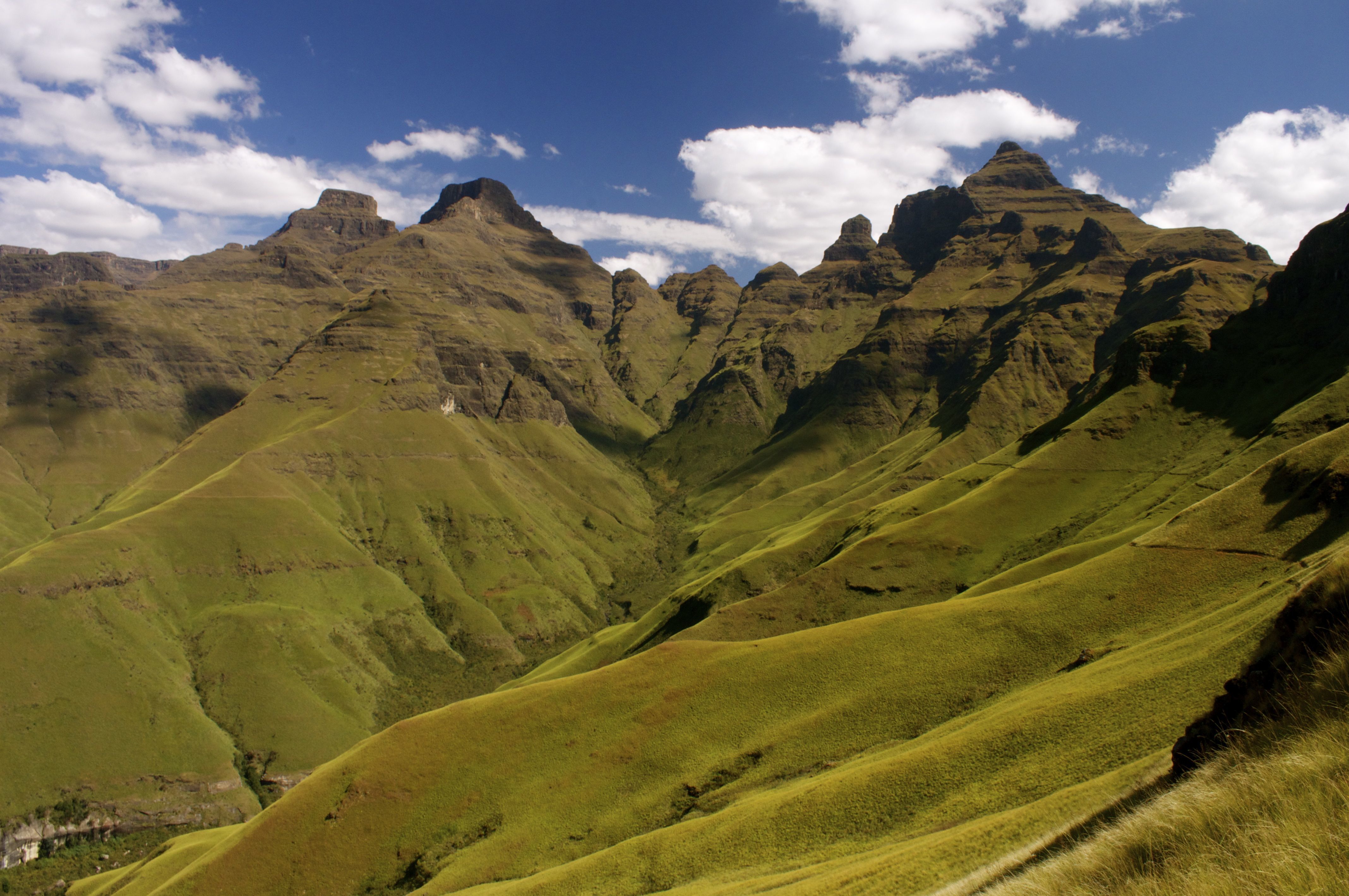


When a wildfire occurs, what spheres are interacting?
biosphere only
atmosphere and biosphere
biosphere and hydrosphere

The water cycle includes interactions among which spheres?
geosphere and hydrosphere
hydrosphere and atmoshpere
biosphere, atmosphere, hydrosphere
all the spheres

Which of the following interactions is between the biosphere and hydrosphere?
Beavers building dams.
Kids riding boats at summer camp.
Sea turtles migrating in the ocean.
All of the above.


This sphere includes the continents, the ocean floor, all the rocks on the surface, and all of the sand in deserts.
hydrosphere
atmosphere
biosphere
lithosphere
This sphere is composed of all the living things.
hydrosphere
atmosphere
biosphere
lithosphere
When living things breathe, which of Earth's spheres are interacting?
lithosphere and biosphere
atmosphere and biosphere
hydrosphere and biosphere
biosphere and geosphere
When carbon dioxide dissolves from the air into the ocean the interaction s between ...
the atmosphere and lithosphere
the atmosphere and biosphere
the atmosphere and hydrosphere
the atmosphere and geosphere
When plants draw nutrients from the soil, the interaction is between which two spheres?
The atmosphere and lithosphere
The hydrosphere and atmosphere
The lithosphere and hydrosphere
The biosphere and lithosphere
In which layer does weather occur?
Stratosphere
Troposphere
Thermosphere
Mesosphere
Oceans, rivers, lakes and the moisture in the air are all part of which of earth's spheres?
Hydrosphere
Atmosphere
Biosphere
Geosphere
Which is the hottest layer of the earth's atmosphere?
Troposphere
Exosphere
Thermosphere
Mesosphere
Which layer would you find weather balloons?
Troposphere
Stratosphere
Mesosphere
Exosphere
This is the layer where meteors, or shooting stars burn up?
Troposphere
Mesosphere
Stratosphere
Thermosphere
Satellites orbit this layer of the atmosphere.
Stratosphere
Thermosphere
Exosphere
Troposphere
What is the water cycle?
3 forms of water
when water melts
Movement of water on, above, or below earth's surface
when clouds form
Which of these is an example of precipitation?
snow
clouds
air
vapor
When water ____________________, dew forms. (droplets of water on the side of a glass)
melts
condenses
evaporates
precipitates

