
 Worksheets
General Science
Total questions: 105
Worksheet time: 1hrs 8mins

Which habitat is this?
pond
river delta
tide pool

Which habitat is this?
pond
river delta
tide pool

Which habitat is this?
pool
river delta
tide pool
How does a tadpole breathe underwater?
They have lungs
They have gills
Through their skin
What do plants and animals need from their habitat
water, leaves, trees
food, rain
water, air, shelter, food
What kind or water does a pond have?
salt water
fresh water
What kind of water does tide pool?
salt water
fresh water
What makes a river delta a good place for oysters to live?
It needs moving water to bring food to it.
They eat fish
What are the 3 habitats in a tide pool?
big zone, mefium zone, small zone
high tide zone, middle tide zone, low tide zone
Why is it important for plants and animals to live in their habitat?
to be able to swim
to get the things they need to survive.
to find algae to eat
Which of these is an example of a basic need?
Freshwater (like rainwater or lake water)
A shelter (like a nest, home, or hole)
An iphone
Safety
Which do you think would be the best solution: Deforestation has caused many animals to loose their home
Giving the animals food to eat
Giving up
Planting more trees for the animals to live in
Giving the animals water to drink
Which one of these is NOT a habitat?
Tundra
Rain Forest
Cactus
Prairie

Which habitat is pictured here?
Tundra
Forest
Desert
Wetland

Which habitat is shown?
Desert
Tundra
Forest
Wetland
A cactus has adaptations for...
Desert
Tundra
Forest
Wetland

A trout has adaptations for...
Ocean
River
Desert
Forest

A rainforest has _______ diversity.
no
some
lots of

An owl has adaptations for...
a desert
a tundra
a swamp
a forest
What is the definition of "river"?
water that has little or no salt in it
a large body of salt water
a small body of fresh water
a large body of fresh water that flows on land in a channel
What is the definition of "fresh water"?
water that has little or no salt in it
a large body of salf water
a small body of fresh water
a large body of fresh water that flows on land in a channel
What is the definition of "pond"?
water that has little or no salt in it
a large body of salt water
a small body of fresh water
a large body of fresh water that flows on land in a channel
What is the definition of "salt water"?
water that has little or no salt in it
water with salt in it
a small body of fresh water
a large body of fresh water that flows on land in a channel
What is the definition of "ocean"?
water that has little or no salt in it
a large body of salt water
a small body of fresh water
a large body of fresh water that flows on land in a channel
In which habitat do muskrats live?
hot desert
woodland forest
ocean
pond
Which animal lives in a pond habitat?
shark
dolphin
sea turtle
water snake
How are ocean and pond habitats the same?
They both give what plants and animals need.
They both have salt water.
They both have the same temperature.
They are both hot and dry.
Which animals live in ocean habitats?
frogs
angler fish
cranes
muskrats
In which habitat do squids live?
cold desert
ocean
pond
woodland forest
Most ocean animals have body parts that help them swim and stay safe.
True
False
Pond animals breathe in different ways.
True
False
A pond is a small body of salt water.
True
False
Fish breathe through their gills.
True
False
Fresh water covers most of the Earth.
True
False

What is a fitting description for this diagram?


A simple "line" of plants and animals that transfer energy by the process of eating.
Food Chain
Food Web
Ecosystem
Decomposers


The caterpillar eats its egg for _________________.
larva
pupa
energy
adult
Caterpillars have strong, sharp _________ that can eat a leaf in ________.
shapes, seconds
jaws, seconds
seconds, jaws
The eggs come in different ______________, such as round, long and thin, or hanging like beads on a string.
jaws
pupa
shapes
The _________ is also called the caterpillar.
larva
adult
pupa
The _________ is called the butterfly.
egg
adult
pupa
Inside the _________ a butterfly is growing.
larva
egg
pupa
True or False? Butterflies are the same size all their lives and the pattern on their wings symmetrical.
True
False
True or False? A butterfly has fourteen legs.
True
False
True or False? Some butterflies can flap their wings 70 times every second.
True
False
A caterpillar has ___________ legs.
six
ten
sixteen
four
A butterfly has _______ wide wings covered with tiny scales.
six
ten
sixteen
four
When a butterfly is fully grown it pushes itself out of the pupa. Its wings are______________.
stiff, hard, and dry
pale, damp, and crumpled
dry, smooth, and colorful
rough, dry, and smooth
Butterflies need to let their wings _______ before they can fly.
grow bigger
get smooth
dry out
get colorful
Instead of mouth, butterflies have a long, thin tube called a _______ to drink nectar from flowers and drops of water.
chrysalis
pupa
larva
proboscis
When a caterpillar changes into a butterfly there are 5 steps. What is step 1?
When a caterpillar is ready to change into a butterfly it finds a safe, sheltered place.
This final stage is the pupa
Next it splits its skin and it falls off
After the skin falls off the new skin hardens until it is like a case
Then, it hangs upside down using hooks on its body.
When a caterpillar changes into a butterfly there are 5 steps. What is step 2?
When a caterpillar is ready to change into a butterfly it finds a safe, sheltered place.
This final stage is the pupa
Next it splits its skin and it falls off
After the skin falls off the new skin hardens until it is like a case
Then, it hangs upside down using hooks on its body.
When a caterpillar changes into a butterfly there are 5 steps. What is step 3?
When a caterpillar is ready to change into a butterfly it finds a safe, sheltered place.
This final stage is the pupa
Next it splits its skin and it falls off
After the skin falls off the new skin hardens until it is like a case
Then, it hangs upside down using hooks on its body.
When a caterpillar changes into a butterfly there are 5 steps. What is step 4?
When a caterpillar is ready to change into a butterfly it finds a safe, sheltered place.
This final stage is the pupa
Next it splits its skin and it falls off
After the skin falls off the new skin hardens until it is like a case
Then, it hangs upside down using hooks on its body.
When a caterpillar changes into a butterfly there are 5 steps. What is step 5?
When a caterpillar is ready to change into a butterfly it finds a safe, sheltered place.
This final stage is the pupa
Next it splits its skin and it falls off
After the skin falls off the new skin hardens until it is like a case
Then, it hangs upside down using hooks on its body.
Select the correct order of a butterfly's life cycle.
Egg, Larva (caterpillar), Pupa (chrysalis), Adult (butterfly)
Adult (butterfly), Larva (caterpillar), Pupa (chrysalis), Egg
The mosquito life cycle starts when _____________________.
an adult female mosquito lays her eggs on land.
an adult female mosquito lays her eggs on water.
an adult male mosquito lays his eggs on water.
a caterpillar lays her eggs on water.
What does the female mosquito need in order to lay eggs?
The female mosquito doesn't need anything.
The female mosquito first need a happy meal in order to lay her eggs
The female mosquito first need a blood meal in order to lay her eggs.
How many eggs can an egg raft have?
several hundred eggs
just one or two eggs
a dozen of eggs
What do you call the surface where larva breathes through?
instar
wriggler
siphon
Until how many times can a larva change its skin before it becomes a pupa?
fourteen times
forty times
four times
During this time period and between the molts the mosquito is called an ______________________.
molting
siphon
instar
What is the fourth stage of the Mosquito Life Cycle?
adult mosquito
larva
pupa
eggs
After about _______ the mosquito emerges from its pupal case as an adult mosquito.
one week
one month
one year
_______________ feed on nectar and do not bite people.
Female mosquitoes
Male mosquitoes
What is the correct order of Mosquito Life Cycle?
eggs - larva - pupa - adult mosquito
pupa - larva - egg - butterfly
larva - adult mosquito - eggs - pupa
Where do frogs lay eggs?
under leaves
in the water
in the sand
in mud
List the stages of a frog's life cycle in order.
Mother, Froglet, Tadpole, Frog, Egg
Tadpole, Egg, Frog, Froglet
Frog, Froglet, Tadpole, Adult
Egg, Tadpole, Tadpole with legs, Froglet, Frog
What is the first stage of a frog's life cycle?
tadpole
egg
froglet
frog
Where do amphibians live?
mountains
on land
in water
both water and land
When does a frog become an adult?
when it has legs
when it hatches
when it's tail disappears
when it can jump
How is a tadpole similar to a fish?
they both have gills
they both have lungs
they are not similar
they both live on land
The second stage of a frog's life cycle is_____________.
eggs
froglet
frog
tadpole
A frog is an amphibian.
True
False
What protects the eggs once they are laid?
the male frog
the female frog
a jelly-like substance
nothing
The last stage of a frog's life cycle is ________.
tadpole
tadpole with legs
froglet
frog


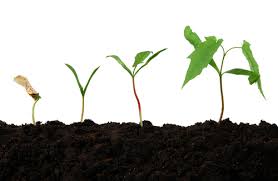
The process of changing form or shape
Metamorphosis
Life Cycle
Pupa
Adult
Organisms with a backbone
invertebrates
vertebrates
vegetarians
vegans
Organisms without a backbone
vegans
vegetarians
invertebrates
vertebrates
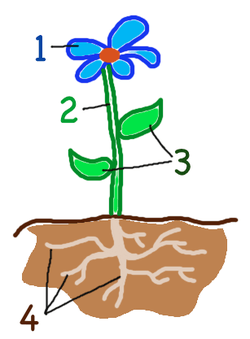
Plants and animals both have life cycles.
True
False
What is the first stage in the life cycle of most animals?
Egg
Adult
Larva

