wayground logo

Free Printable Worksheets

Font size

S
M
L
XL
Worksheets

Bonding Review

Total questions: 179

Worksheet time: 3hrs 29mins
Name
Class
Date
1.
What elements generally make an ionic bond?
a)
metal and nonmetal
b)
2 or more nonmetals
c)
metal
d)
none of the above
2.

When forming a covalent bond, a non-metal atom:
a)
Gains electrons to form a cation
b)
Loses electrons to form a cation
c)
Gains electrons to form an anion
d)
Loses electrons to form an anion
3.
What elements generally make a covalent bond?
a)
metal and nonmetal
b)
2 or more nonmetals
c)
metal
d)
none of the above
4.
In chemical compounds, covalent bonds form when
a)
the electronegativity difference between two atoms is very large.
b)
electrons are completely transferred between two metals.
c)
pairs of electrons are shared between two nonmetal atoms.
d)
two nonmetal atoms are attracted to each other by opposite charges.
5.
An ionic bond forms when 
a)
Valence electrons are shared
b)
a sea of mobile electrons surround the cations
c)
valence electrons are transferred between atoms
d)
none of the above
6.
Predict the bond that will form between Be and F.
a)
Ionic
b)
Covalent
7.
Predict the bond that will form between Se and Cl.
a)
Ionic
b)
Covalent
8.
A chemical bond between oppositely charged ions.
a)
compound
b)
ion
c)
covalent bond
d)
ionic bond
9.
A chemical bond formed between shared atoms.
a)
chemical bond
b)
covalent bond
c)
oxidation #
d)
ionic bond
10.
Substance made from two or more combined atoms. 
a)
ion
b)
covalent bond
c)
ionic bond
d)
compound
11.
Force that holds together atoms in a substance.
a)
compound
b)
ion
c)
chemical bond
d)
ionic bond
12.

What type of energy is stored in a bond?

a)

potential energy

b)

kinetic energy

c)

thermal energy

13.

Why do atoms bond?

a)

to become more stable

b)

to get 8 valence electrons

c)

to gain more neurons

d)

to gain more protons

14.

when a bond is formed?

a)

energy is released

b)

energy is absorbed

c)

exothermic

d)

stability increases

15.

When a bond is BROKEN

a)

energy is absorbed

b)

energy is released

c)

endothermic

d)

stability decreases

16.

Why is there a transfer of electrons in ionic compounds?

a)

because the electronegativity difference is greater than 1.7

b)

because the electronegativity difference is greater than 1.0

c)

because the electronegativity difference is between 0.0 - 0.4

d)

because the electronegativity difference is between 0.5 - 1.7

17.

H2

a)

ionic

b)

covalent

18.

CH4

a)

ionic

b)

covalent

19.

CaCl2

a)

ionic

b)

covalent

20.

What type of energy is stored in a bond?

a)

chemical

b)

potential

c)

kinetic

d)

thermal

21.

C2O5

a)

Covalent

b)

Ionic

22.

CCl4

a)

Covalent

b)

Ionic

23.

PI3

a)

Covalent

b)

Ionic

24.

PI5

a)

Covalent

b)

Ionic

25.

S2Cl2

a)

Covalent

b)

Ionic

26.

S2F10

a)

Covalent

b)

Ionic

27.

CO

a)

Covalent

b)

Ionic

28.

F10O9

a)

Covalent

b)

Ionic

29.

FN

a)

Covalent

b)

Ionic

30.

I2Cl

a)

Covalent

b)

Ionic

31.

NaBr

a)

Covalent

b)

Ionic

32.

MgCl2

a)

Covalent

b)

Ionic

33.

K2Te

a)

Covalent

b)

Ionic

34.

Na3N

a)

Covalent

b)

Ionic

35.

Li2S

a)

Covalent

b)

Ionic

36.

MnS2

a)

Covalent

b)

Ionic

37.

Mg3P2

a)

Covalent

b)

Ionic

38.

CaCN

a)

Covalent

b)

Ionic

39.

RbOH

a)

Covalent

b)

Ionic

40.

AlPO4

a)

Covalent

b)

Ionic

41.

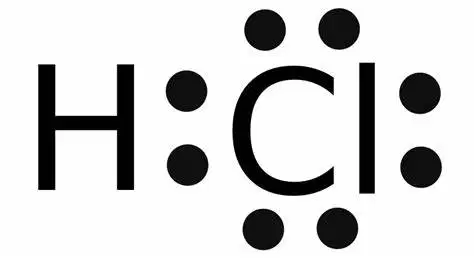
This could be the dot diagram of

a)

Mg

b)

Cl

c)

C

d)

O

42.

What is the goal of the Lewis Dot Structure?

a)

To determine the electron position.

b)

To show the element's valence electrons & bonding capabilities.

c)

To find the atomic mass of an element.

d)

To search for the number of electrons in an individual atom.

43.

How many valence electrons should Lithium have in its Lewis dot model?

a)

1

b)

2

c)

3

d)

4

44.

How many valence electrons should Oxygen have in its Lewis dot model?

a)

5

b)

6

c)

7

d)

8

45.

How many valence electrons should Magnesium have in its Lewis dot model?

a)

1

b)

2

c)

3

d)

4

46.

This is a correct dot diagram for nitrogen (N)

a)

true

b)

false

47.

This is a correct dot diagram for carbon (C)

a)

true

b)

false

48.

This is a correct dot diagram for neon (Ne)

a)

true

b)

false

49.

Which of these is incorrect?

a)
b)
50.

How many electrons should Boron have around its Lewis dot model?

a)

1

b)

2

c)

3

d)

4

51.
How many valence electrons does chlorine (Cl) have?
a)
2
b)
5
c)
6
d)
7
52.
How many valence electrons does carbon (C) have?
a)
3
b)
4
c)
5
d)
6
53.
Which of these elements has 8 valence electrons?
a)
P
b)
Be
c)
O
d)
Ar
54.
This is a correct dot diagram for oxygen (O)
a)
true
b)
false
55.
According to the octet rule most elements need _______ valence electrons.
a)
2
b)
8
c)
6
d)
18
56.
Which type of bonding leads to brittle substances?
a)
Metallic
b)
Ionic
c)
Network Covalent
d)
Molecular Covalent
57.
A mystery substance has a low melting point, does not dissolve in water, does not conduct electricity, and is made of nonmetals. This substance is soft. Which type of substance is it most likely to be?
a)
Metal
b)
Ionic
c)
Network Covalent
d)
Molecular Covalent
58.
A mystery substance has a high melting point, dissolves in water, does not conduct electricity when it is solid, and is made of metals and nonmetals. Which type of substance is it most likely to be?
a)
Metal
b)
Ionic
c)
Network Covalent
d)
Molecular Covalent
59.

a substance in an excellent conductor of electricity in a solution. The chemical bonds in this substance are most likely?

a)

ionic, because the valence electrons are mobile

b)

ionic, because the valence electrons are stationary

c)

covalent, because the valence electrons are stationary

d)

metallic, because the valence electrons are stationary

60.
What elements generally make an ionic bond?
a)
metal and nonmetal
b)
2 or more nonmetals
c)
metal
d)
none of the above
61.

When forming a covalent bond, a non-metal atom:
a)
Gains electrons to form a cation
b)
Loses electrons to form a cation
c)
Gains electrons to form an anion
d)
Loses electrons to form an anion
62.
What elements generally make a covalent bond?
a)
metal and nonmetal
b)
2 or more nonmetals
c)
metal
d)
none of the above
63.
In chemical compounds, covalent bonds form when
a)
the electronegativity difference between two atoms is very large.
b)
electrons are completely transferred between two metals.
c)
pairs of electrons are shared between two nonmetal atoms.
d)
two nonmetal atoms are attracted to each other by opposite charges.
64.
An ionic bond forms when 
a)
Valence electrons are shared
b)
a sea of mobile electrons surround the cations
c)
valence electrons are transferred between atoms
d)
none of the above
65.
Predict the bond that will form between Be and F.
a)
Ionic
b)
Covalent
66.
Predict the bond that will form between Se and Cl.
a)
Ionic
b)
Covalent
67.
A chemical bond between oppositely charged ions.
a)
compound
b)
ion
c)
covalent bond
d)
ionic bond
68.
A chemical bond formed between shared atoms.
a)
chemical bond
b)
covalent bond
c)
oxidation #
d)
ionic bond
69.
Substance made from two or more combined atoms. 
a)
ion
b)
covalent bond
c)
ionic bond
d)
compound
70.
Force that holds together atoms in a substance.
a)
compound
b)
ion
c)
chemical bond
d)
ionic bond
71.

What type of energy is stored in a bond?

a)

potential energy

b)

kinetic energy

c)

thermal energy

72.

Why do atoms bond?

a)

to become more stable

b)

to get 8 valence electrons

c)

to gain more neurons

d)

to gain more protons

73.

when a bond is formed?

a)

energy is released

b)

energy is absorbed

c)

exothermic

d)

stability increases

74.

When a bond is BROKEN

a)

energy is absorbed

b)

energy is released

c)

endothermic

d)

stability decreases

75.

Why is there a transfer of electrons in ionic compounds?

a)

because the electronegativity difference is greater than 1.7

b)

because the electronegativity difference is greater than 1.0

c)

because the electronegativity difference is between 0.0 - 0.4

d)

because the electronegativity difference is between 0.5 - 1.7

76.

H2

a)

ionic

b)

covalent

77.

CH4

a)

ionic

b)

covalent

78.

CaCl2

a)

ionic

b)

covalent

79.

What type of energy is stored in a bond?

a)

chemical

b)

potential

c)

kinetic

d)

thermal

80.

C2O5

a)

Covalent

b)

Ionic

81.

CCl4

a)

Covalent

b)

Ionic

82.

PI3

a)

Covalent

b)

Ionic

83.

PI5

a)

Covalent

b)

Ionic

84.

S2Cl2

a)

Covalent

b)

Ionic

85.

S2F10

a)

Covalent

b)

Ionic

86.

CO

a)

Covalent

b)

Ionic

87.

F10O9

a)

Covalent

b)

Ionic

88.

FN

a)

Covalent

b)

Ionic

89.

I2Cl

a)

Covalent

b)

Ionic

90.

NaBr

a)

Covalent

b)

Ionic

91.

MgCl2

a)

Covalent

b)

Ionic

92.

K2Te

a)

Covalent

b)

Ionic

93.

Na3N

a)

Covalent

b)

Ionic

94.

Li2S

a)

Covalent

b)

Ionic

95.

MnS2

a)

Covalent

b)

Ionic

96.

Mg3P2

a)

Covalent

b)

Ionic

97.

CaCN

a)

Covalent

b)

Ionic

98.

RbOH

a)

Covalent

b)

Ionic

99.

AlPO4

a)

Covalent

b)

Ionic

100.
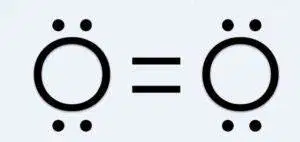
Which of the following is the correct Lewis dot structure for the molecule fluorine (F2)?
a)
A
b)
B
c)
C
d)
D
101.
Which of the following is the correct Lewis structure for the compound PBr3?
a)
structure A
b)
structure B
c)
structure C
d)
structure D
102.
What is the correct structure for BF3?
a)
Option A
b)
Option B
c)
Option C
d)
Option D
103.

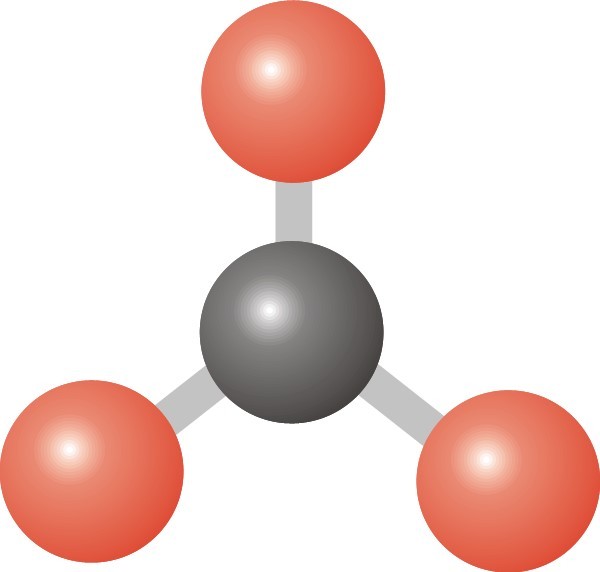
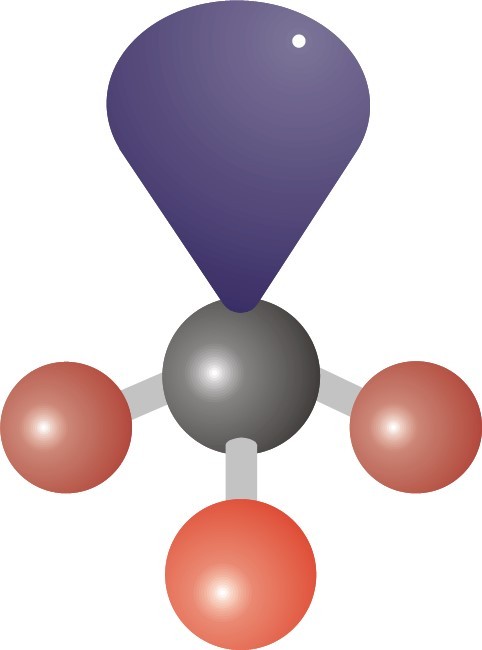
What shape is this molecule?

a)

trigonal planar

b)

trigonal pyramidal

c)

tetrahedral

d)

bent

104.

What is the correct Lewis Dot Structure for ammonia NH3

a)
b)
c)
d)
105.

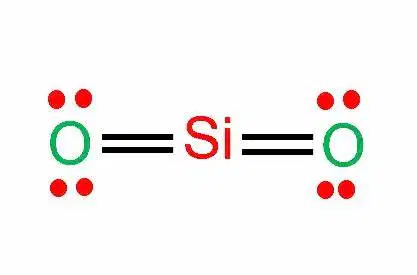
Which is the correct molecular structure for carbon dioxide CO2?

a)
b)
c)
d)
106.

CCl4 has how many double bonds?

a)

0

b)

1

c)

2

d)

3

107.

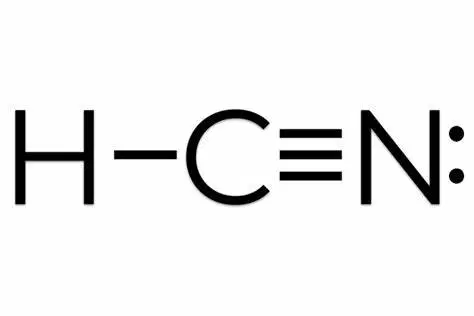
In HCN how many total electrons will there be in the drawing?

a)

14

b)

18

c)

10

d)

4

108.

Which of the following elements are an exception to the octet rule and require less than 8 valence electrons?

a)

H only needs 2

b)

Li only needs 3

c)

B only needs 6

d)

C only needs 4

109.

What bond is formed when a metal transfers electrons to a nonmetal?

a)

Covalent bond

b)

Ionic bond

c)

Metallic bond

110.
According to VSEPR, molecules adjust their shapes to keep which of the following as far away as possible?
a)
Pairs of valence electrons
b)
Inner shell electrons
c)
Mobile Electrons
d)
Electrons closest to the nucleus
111.
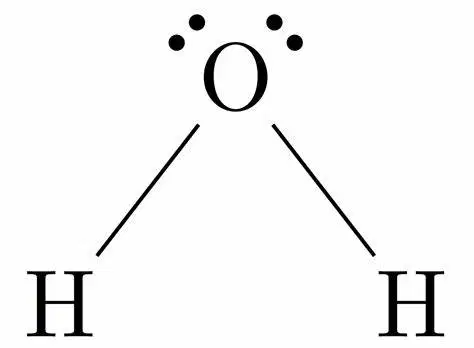
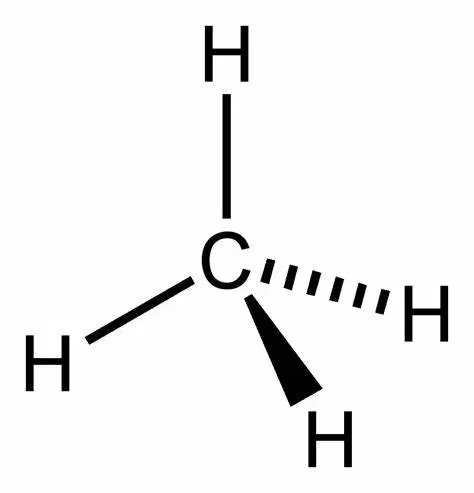
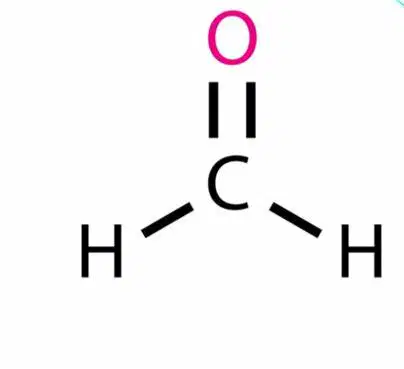
What molecule could this be? 
a)
BF3
b)
CH4
c)
H2O
d)
CO2
112.

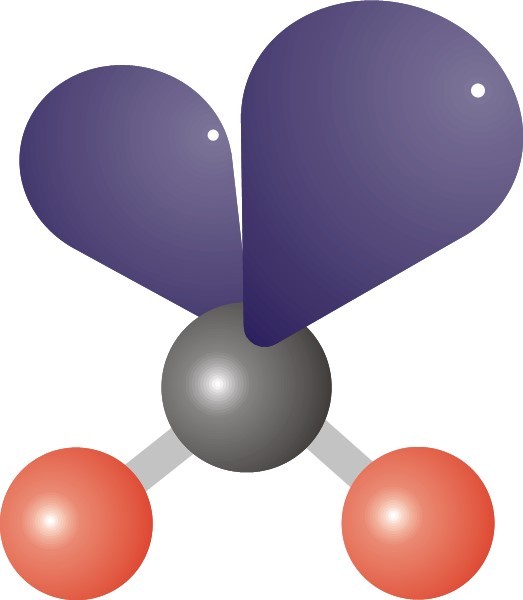
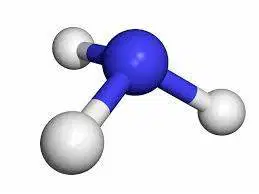
What shape is this?

a)

trigonal planar

b)

trigonal pyramidal

c)

bent

d)

Linear

113.

How many unshared pairs of electrons will a bent molecule have?

a)

0

b)

2

c)

3

d)

4

114.

How many unshared pairs of electrons will a trigonal pyramidal molecule have? 

a)
1
b)
2
c)
3
d)

0

115.
Who could this molecule be?
a)
CH4
b)
CO2
c)
PCl5
d)
BF3
116.

what shape would this molecule be?

a)

tetrahedral

b)

trigonal pyramidal

c)

trigonal planar

d)

bent

117.
Who could this be? 
a)
CO2
b)
NH3
c)
H2S
d)
CH4
118.
Who could this be?
a)
H2O
b)

PH3

c)
CO2
d)
CH4
119.
What molecular shape is the structure shown here? (BCl3)
a)
linear
b)
trigonal planar
c)
tetrahedral
d)
trigonal pyramidal
120.
What molecular shape is the structure shown here? (H2O)
a)
tetrahedral
b)
trigonal planar
c)
bent
d)
trigonal pyramidal
121.
What molecular shape is the structure shown here? (NH4+)
a)
linear
b)
trigonal planar
c)
tetrahedral
d)
trigonal pyramidal
122.
N2
a)
Polar 
b)
Nonpolar 
123.
F2
a)
Polar 
b)
Nonpolar 
124.
Which of the following is a polar molecule?
a)
CH4
b)
Xe
c)
H2O
d)
CO2
125.
Which of the following geometries could be nonpolar?
a)
bent
b)
tetrahedral
c)
trigonal pyrimidal
d)
none of the above
126.
Which formula represents a nonpolar molecule?
a)
HBr
b)
H2S
c)
CBr4
d)
PCl3
127.

Non polar covalent bond is equal sharing of electron. Polar covelent bond is

a)

unequal sharing of electrons

b)

different distribution of electrons

c)

presence of hydrogen bonding

d)

presence of polar atoms

128.

Polarity of a molecule is determined by

a)

shape and charge

b)

symmetry/asymmetry of molecule and difference in EN value

c)

difference in EN value and size

d)

difference in EN value and charges

129.

What is the measure of the tendency of an atom to attract bonding electrons called?

a)

ionization energy

b)

electron charisma

c)

dipole momentum

d)

electronegativity

130.

NH3 is a _____ molecule

a)

polar

b)

non-polar

131.

NH3 has _____ bonds

a)

polar

b)

non-polar

132.

shape

a)

trigonal pyramidal

b)

trigonal planar

c)

bent

d)

tetrahedral

133.

This molecule is:

a)

Polar

b)

Non-Polar

134.

This molecule has ___ bonds

a)

Polar

b)

Non-Polar

135.

shape

a)

linear

b)

bent

c)

tetrahedral

d)

trigonal planar

136.

This compound is

a)

Polar

b)

Non Polar

137.

This compound ___ bonds

a)

Polar

b)

Non Polar

138.

shape

a)

linear

b)

bent

c)

tetrahedral

d)

trigonal pyramidal

139.

This compound is

a)

Polar

b)

Non-Polar

140.

This compound has ___ bonds

a)

Polar

b)

Non-Polar

141.

shape

a)

bent

b)

linear

c)

trigonal pyramidal

d)

trigonal planar

142.

This molecule is:

a)

Polar

b)

Non-Polar

143.

This molecule has ___ bonds

a)

Polar

b)

Non-Polar

144.

shape

a)

tetrahedral

b)

trigonal pyramidal

c)

linear

d)

bent

145.

This molecule is

a)

Polar

b)

Non-Polar

146.

This molecule has ___ bonds

a)

Polar

b)

Non-Polar

c)

Polar and Non-Polar

147.

Shape

a)

tetrahedral

b)

trigonal pyramidal

c)

trigonal planar

d)

bent

148.

H2S - ____ molecule

a)

polar

b)

non polar

149.

H2S - ____ bonds

a)

polar

b)

non polar

150.

H2S - shape

a)

linear

b)

bent

c)

trigonal pyramidal

d)

trigonal planar

151.
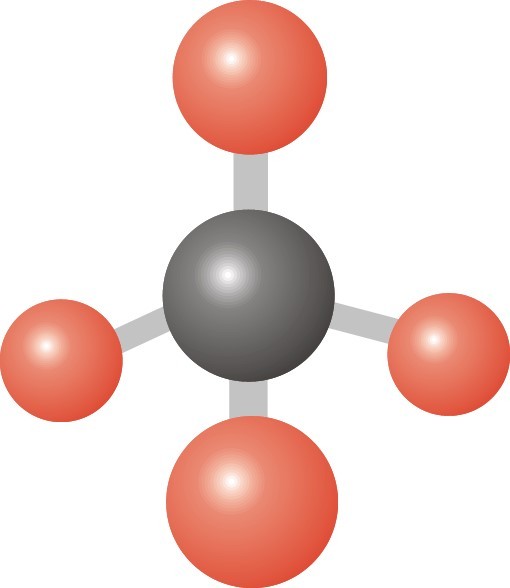
Who could this be?
a)
H2O
b)
NH3
c)
CO2
d)
CH4
152.

Shape

a)

bent

b)

trigonal pyramidal

c)

trigonal planar

d)

tetrahedral

153.

NCl3 - ____ molecule

a)

polar

b)

non polar

154.

NCl3 - ____ bonds

a)

polar

b)

non polar

155.
Will this molecule be polar or nonpolar? PH3
a)
polar
b)
nonpolar
156.

Will this molecule have polar or nonpolar bonds? PH3

a)
polar
b)
nonpolar
157.

Shape

a)

trigonal planar

b)

trigonal pyramidal

c)

tetrahedral

d)

bent

158.
What molecular shape is the structure shown here? (BCl3)
a)
linear
b)
trigonal planar
c)
tetrahedral
d)
trigonal pyramidal
159.

This molecule is ___

a)

non-polar

b)

polar

160.

This molecule has ___ bonds

a)

non-polar

b)

polar

161.

Molecule

a)

polar

b)

non-polar

162.

bonds

a)

polar

b)

non-polar

163.

shape

a)

bent

b)

linear

c)

tetrahedral

d)

trigonal pyramidal

164.

shape

a)

tetrahedral

b)

trigonal pyramidal

c)

trigonal planar

d)

bent

165.

_____ molecule

a)

polar

b)

non polar

c)

polar and non polar

166.

_____ bonds

a)

polar

b)

non polar

c)

polar and non polar

167.

shape

a)

tetrahedral

b)

trigonal planar

c)

linear

d)

bent

168.

Molecule

a)

polar

b)

non-polar

c)

polar and non-polar

169.

bonds

a)

polar

b)

non-polar

c)

polar and non-polar

170.

shape

a)

linear

b)

bent

c)

trigonal pyramidal

d)

trigonal planar

171.

molecule polarity

a)

polar

b)

non-polar

c)

polar and non-polar

172.

bond polarity

a)

polar

b)

non-polar

c)

polar and non-polar

173.

molecule polarity

a)

Polar

b)

Non-Polar

c)

Polar and Non-Polar

174.

Bond polarity

a)

Polar

b)

Non-Polar

c)

Polar and Non-Polar

175.

molecule polarity

a)

Polar

b)

Non-Polar

176.

Bond polarity

a)

Polar

b)

Non-Polar

c)

Polar and Non-Polar

177.

Shape

a)

trigonal planar

b)

trigonal pyramidal

c)

tetrahedral

d)

bent

178.

Molecule

a)

Polar

b)

Non-Polar

c)

Polar and Non-Polar

179.

Bonds

a)

Polar

b)

Non-Polar

c)

Polar and Non-Polar